


I've bought probably seven screen protectors in my life, and I still can't give you a straight answer about whether they're worth it. Not because the research doesn't exist (it does), but because everyone's asking the wrong question.
Here's what you should actually be asking: What's this going to cost me over three years, and what am I really protecting against?
Because here's the thing nobody mentions: Screen repairs got cheaper, but your phone's resale value drops $150 if the screen looks like you've been using it to cut vegetables. Replacement screens can cost a large fraction of the phone itself, making any damage a daily annoyance rather than a one-time inconvenience. That changes the math completely.
Look, everyone obsesses over catastrophic drops. Meanwhile, your screen is being slowly destroyed by sand particles you can't even see. That's the actual problem. This isn't about whether a $20 piece of glass can stop your phone from shattering. It's about micro-scratches accumulating over two years, what happens to your trade-in value, and whether you're solving the right problem in the first place.
What This Guide Covers
Why resale value matters more than drop protection
What Gorilla Glass actually does (and doesn't do)
Real cost analysis over three years
When screen protectors make things worse
What I actually use and why
Quick answers if you're in a hurry:
Screen repairs are cheaper now, but scratched screens kill resale value. Gorilla Glass resists scratches from keys and coins, but sand will destroy it. Don't think about the $20 you spend today, think about what you'll spend over three years. Film protectors feel better but protect less. Installation quality matters more than protector quality (and installation sucks). If you're clumsy or trade in your phone, buy one. If not, maybe skip it.
Everyone Obsesses Over Drops. Your Screen Is Dying From Scratches.
Apple will fix your screen for $29 now. Samsung has repair shops in Best Buys everywhere. You know what that tells me? They know you're going to break your screen. They've done the math, and they've decided that cheap, easy repairs are a better selling point than pretending their screens are indestructible.
That's not a conspiracy. That's just companies admitting what we all know: phones break. A lot.
But here's where it gets interesting. The $30 you spend on a screen protector today might save you $150 later. Or it might be $30 you'll never think about again. The question is whether you're making that investment based on actual risk or just anxiety about worst-case scenarios.
Think about it like this: You're betting that the upfront cost plus whatever you spend replacing protectors will be less than what you'd spend on repairs and lost resale value. That's a calculation worth making explicitly rather than just buying whatever the person at the phone store recommended.
Protection Strategy |
Upfront Cost |
Annual Maintenance |
3-Year Total |
What You're Actually Getting |
|---|---|---|---|---|
No Protection |
$0 |
$0 |
$0 |
You're either brave or stupid, and I respect both |
Budget Film Protector |
$8-15 |
$8-15 (2-3 replacements) |
$24-45 |
Scratch protection only, feels like touching your phone through a grocery bag |
Mid-Range Tempered Glass |
$15-25 |
$15-25 (1-2 replacements) |
$30-75 |
Scratch plus minor impact, this is the sweet spot for most people |
Premium Multi-Pack Glass |
$30-50 |
$10-15 (included spares) |
$40-65 |
Scratch plus moderate impact, I'm in this category because I drop my phone every 6 weeks |
Integrated System (Case + Protector) |
$60-100 |
$20-30 (protector replacement) |
$80-160 |
Comprehensive protection, overkill unless you mount your phone to vehicles |
The screen protector landscape keeps changing because phones keep changing. Apple's iPhone 17 lineup introduced Ceramic Shield 2 with anti-reflective technology, but standard screen protectors aren't the best match for the new displays (9to5Mac). This matters because the screen protector decision isn't static. It shifts with each device generation.
The Micro-Scratch Problem Nobody Sees Coming
Catastrophic cracks are actually the minority of screen damage. Most phones develop a constellation of micro-scratches over 18-24 months that don't affect functionality but absolutely destroy resale value.
Let me tell you about my friend Sarah. She spent $1,200 on an iPhone 15 Pro and refused to get a screen protector. "I'm careful," she said. "I'm not paying $25 for plastic."
Two years later (well, actually 23 months, but who's counting), she tried to trade it in. The Apple Store guy took one look at her screen, tilted it under the light, and moved her from the "excellent" to "good" category. That cost her $140.
She texted me: "I should've listened to you." I didn't say "I told you so," but I thought it really hard.
These micro-scratches accumulate silently. While dramatic drops capture attention, scratches are the most common type of screen damage, coming from keys and coins in the same pocket as your phone, sand or dust particles on tables, in bags, or at the beach, and accidental contact with rough surfaces. They create a degraded appearance long before any crack appears.
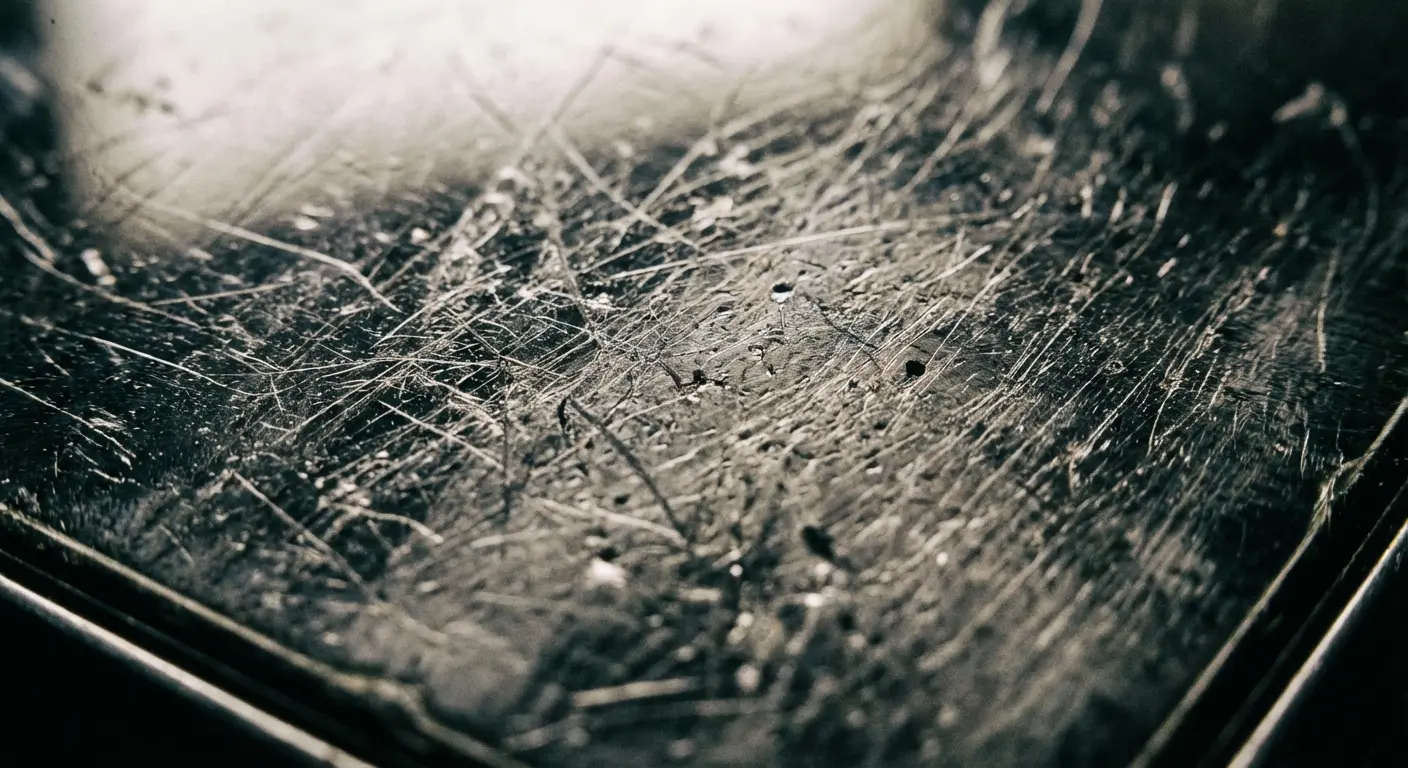
Her phone had no cracks. But the screen had developed dozens of hairline scratches from being placed on conference room tables, sliding across her car's center console, and brief moments in her purse alongside her keys. That $140 difference represents seven years' worth of screen protectors she didn't buy. She was protecting her wallet from a $20 expense while hemorrhaging value she couldn't see accumulating.
What Your Phone Manufacturer Isn't Telling You About Gorilla Glass
Gorilla Glass sounds indestructible. It's not.
Your phone's screen is already a compromise. Manufacturers have chosen a specific point on the hardness-versus-flexibility spectrum. You can't optimize for both. More scratch resistance means adding rigidity that might make the screen more prone to shattering on impact. More flexibility means scratches accumulate faster.
Why don't manufacturers ship phones with pre-installed protectors? Profit margins play a role, sure. But there's also a design philosophy at work: they've engineered the screen to specific tolerances, and adding another layer changes everything. Touch sensitivity, display clarity, thickness. All of these get affected by whatever protector you choose.
When evaluating whether protection makes sense for your device, understanding how phone cases protect your phone provides crucial context. Cases and screen protectors work together, not in isolation.
The Mohs Scale Reality Check
However, sand and quartz measure 7 on the Mohs scale. They will destroy your screen. This is why beach trips and outdoor activities pose such significant risk.
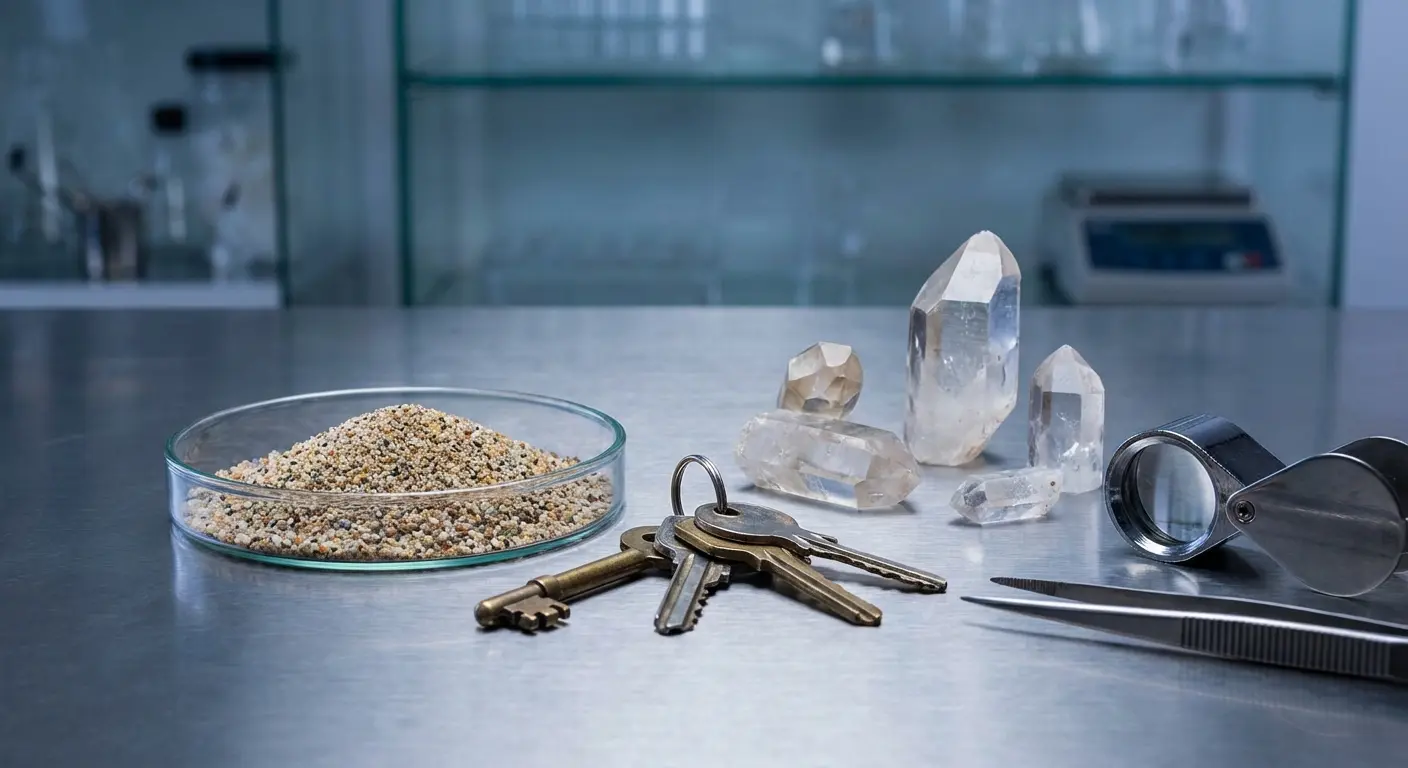
Quick facts: Gorilla Glass rates 5.5-6.5 on Mohs scale. Sand rates 7. Sand wins. Your keys rate 3-4. Your screen wins. That's the whole story.
But there are surprising everyday items that pose risk. Concrete dust, ceramic surfaces, and even some types of fabric with embedded particles can cause micro-scratches over time.
Answer these questions honestly:
Do you frequently visit beaches, deserts, or dusty environments?
Do you work in construction, manufacturing, or outdoor industries?
Do you keep your phone in the same pocket as keys, coins, or tools?
Do you place your phone face-down on tables, counters, or rough surfaces?
Do you have children who handle your phone regularly?
Have you cracked or severely scratched a phone screen in the past 3 years?
If you answered yes to three or more, you're in the high-risk category. Buy the protector.
Drop Protection Is Mostly About Luck
Drop-test videos are bullshit. There, I said it.
Yeah, tempered glass can absorb impact. Sometimes. But whether your phone survives a drop depends on angle, surface, and dumb luck way more than it depends on that $25 piece of glass. I've seen phones with protectors shatter from two-foot drops, and phones without protectors survive six-foot falls.
My coworker James watched one too many "Will It Survive?" YouTube videos and bought a $35 screen protector. He felt invincible. Three weeks later, he dropped his phone getting out of his car (maybe two feet, tops) and both the screen AND the protector shattered.
"I thought this thing was supposed to be military-grade," he said.
It was. Military-grade marketing, anyway.
The protector did crack first, potentially absorbing some energy, but the corner impact concentrated force at a single point that overwhelmed both layers of protection. Meanwhile, his colleague dropped her unprotected phone face-first from waist height onto a wooden floor and walked away without damage.
Drop protection isn't a binary yes/no. It's a probability modifier influenced by dozens of variables beyond the protector itself.
Running the Numbers Over Three Years
Most screen protector discussions focus on a single incident. Let's zoom out and look at total cost of ownership across a typical phone lifecycle.
Simple framework: upfront protector cost plus replacement protectors over time versus what you'd spend on repairs plus resale value impact. The math isn't complicated, but nobody's presenting it this way.
Some of you will realize you're over-protecting. Others will see you're taking expensive risks. The key is making the calculation explicit based on your specific situation.
The Resale Value Variable Everyone Misses
Screen condition is the #1 factor in used phone valuations, often creating $100-200 price swings on devices that are otherwise identical.
For users who upgrade every 2-3 years, a $20 screen protector that preserves resale value isn't a protection purchase. It's an investment with measurable ROI. For users who keep phones until they die, this variable becomes irrelevant.
Your upgrade cycle should inform your protection strategy.
User Profile |
Upgrade Frequency |
Typical Resale Value Impact |
Protection ROI |
What You Should Do |
|---|---|---|---|---|
Annual Upgrader |
12 months |
$50-80 (minimal wear time) |
Moderate |
Budget protector, focus on scratch prevention |
Biennial Upgrader |
24 months |
$100-150 (visible wear accumulates) |
High |
Quality tempered glass, replace when damaged |
Three-Year Holder |
36 months |
$150-250 (significant condition factor) |
Very High |
Premium protection, maintain throughout ownership |
Long-Term User |
4+ years |
$0-50 (device depreciated) |
Low |
Protection only if scratches bother you personally |
Never Sells |
Indefinite |
$0 (keeps until obsolete) |
None |
Skip it unless scratches drive you crazy |
Replacement Costs Add Up Faster Than You Think
Tempered glass protectors are designed to break instead of your screen, which means they're consumable items, not one-time purchases. You'll replace them 2-4 times over a phone's life because they crack, peel, or accumulate damage.
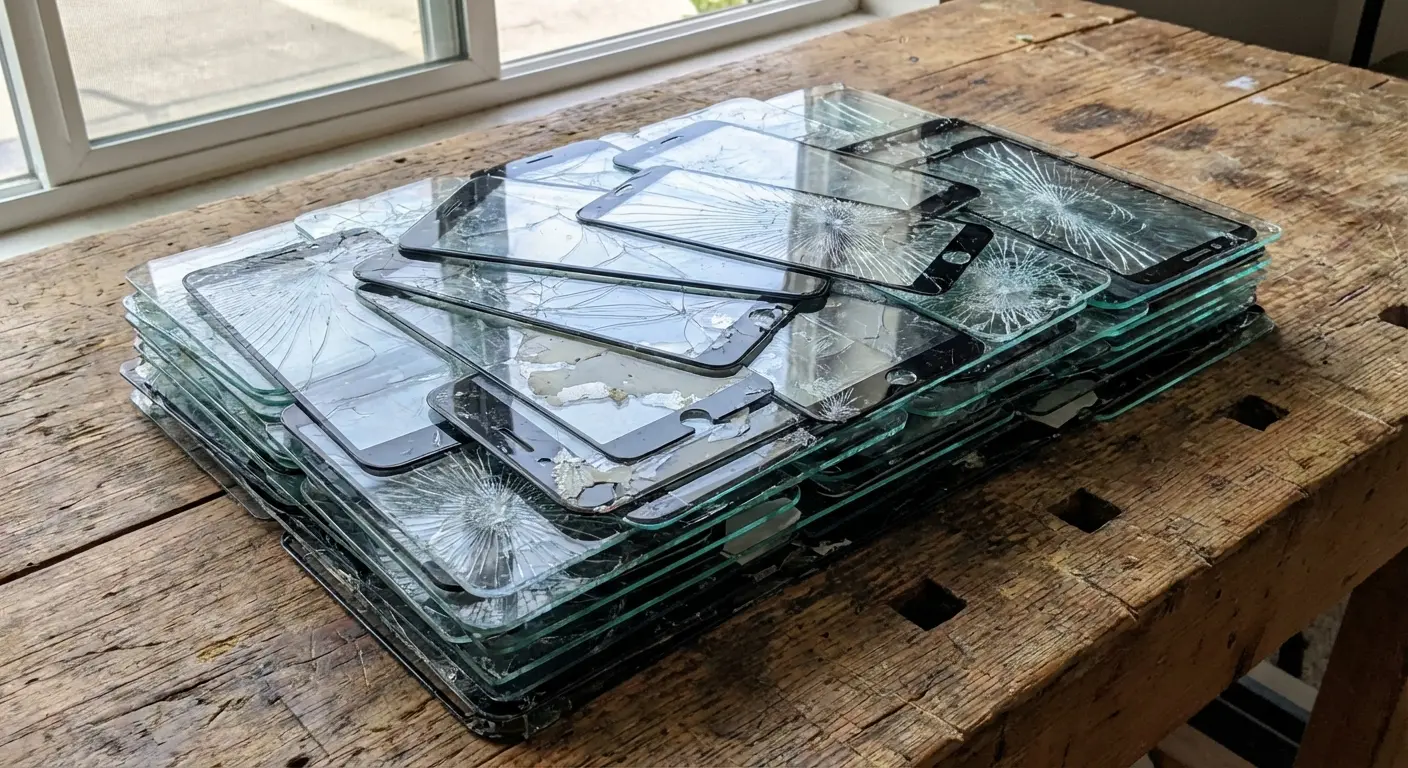
If you're replacing a $25 protector twice a year, you're spending $50 annually on screen protection. Over three years, that's $150, potentially more than a single screen repair would cost. But if that $150 preserves $200 in resale value and prevents the hassle of a cracked screen, the math still works in your favor.
I built this comparison table after tracking my own spending for three years, and the results surprised me. The "Premium Multi-Pack Glass" option looks expensive upfront, but it's actually the cheapest over three years if you're a klutz like me. Meanwhile, my "budget film protector" friends are spending $8 every three months and don't even realize it.
Tempered Glass vs. Film: Pick Based on What You're Actually Worried About
Tempered glass: Protects against drops, feels thicker, costs more. Film protectors: Thinner, better feel, won't save you from a real drop.
The 9H hardness rating? It's measured on the pencil hardness scale, not the Mohs scale that measures scratch resistance. They're not even the same thing. It's deliberately misleading. A 9H rating means a 9H pencil won't scratch it, which sounds impressive until you realize that's a completely different measurement system.
I'm recommending tempered glass for most people, but I'll admit: film protectors have advantages I'm downplaying. They're thinner, they maintain the original screen feel better, and they don't shatter into pieces if they break. If you're primarily worried about scratches and you hate the feel of glass protectors, film might be your answer. I just think most people are better served by glass.
Gaming devices present unique challenges. Hori's Ultimate Anti-Glare Screen Protector for Nintendo Switch 2 developed visible scratches within months of use, particularly noticeable in games with light colors. This demonstrates that even specialized protectors designed for specific devices can fail to deliver on their promises.
Touch Sensitivity: Usually an Installation Problem
Modern protectors (both glass and film) have largely solved the touch response problem. Quality products maintain excellent touch response. The issue is identifying them before you buy.
Why does your screen feel less responsive with a protector? Usually it's air bubbles from bad installation, not the protector itself. Poor installation creates microscopic air pockets between the protector and screen, which interfere with the electrical signals between your finger and the screen.
For those wondering about the broader implications of screen protection technology, our guide on best iPhone glass screen protectors examines how premium materials maintain touch sensitivity while providing maximum protection.
Touch response is often the reason people abandon protectors entirely, which means they're making protection decisions based on a bad installation experience rather than the product category itself.
The Oleophobic Coating That Disappears
Your phone's screen ships with an oleophobic coating that resists fingerprints and smudges. Most screen protectors have this too, but it wears off faster than the coating on your screen.
After a few months, your screen protector starts collecting fingerprints like crazy. You're wiping it constantly. Some users hate their protector without realizing the coating degradation is the culprit, not the protector itself.
This is another consumable aspect of screen protection that factors into the total cost and hassle equation. You might find yourself replacing a perfectly functional protector just because the oleophobic coating has degraded to the point where the smudging drives you crazy.
Installation Sucks. Let's Be Honest About It.
I installed my first screen protector in a bathroom with the shower running. This was the advice from a YouTube video with 2 million views. I felt like an idiot.
But you know what? It worked.
The difficulty of installing screen protectors perfectly isn't accidental. The precision required for bubble-free installation is the same precision that ensures proper adhesion and protection. If you can't install a protector properly, that tells you something about whether you should be buying multi-packs or looking for professional installation options.
Pre-installed protectors from manufacturers or carriers often perform worse despite being "professionally" applied. Why? Because they're installed in bulk, often weeks before you receive the device, and the adhesive can degrade or dust can accumulate during shipping and storage.
How I Actually Install Screen Protectors (After 50+ Attempts):
Okay, here's what actually works. Forget the instructions that come in the box, they're useless.
1. Bathroom plus hot shower equals humidity that drops dust particles. Run the shower for 5 minutes, turn it off, wait 2 minutes. Yeah, it's weird. It works. Wipe down counter surface with microfiber cloth.
2. Clean your phone screen. Use provided alcohol wipe on entire screen surface. Dry completely with lint-free microfiber cloth. Use dust removal sticker on screen (dab, don't wipe). Inspect screen at angle under light for remaining particles.
3. Practice placement WITHOUT removing adhesive backing. Identify alignment points (camera cutout, speaker notch, edges). Use alignment tray if provided, or create reference points.
4. Remove adhesive backing in one smooth motion. Lower protector from one edge, allowing it to naturally adhere. Use provided squeegee or credit card to push from center outward. Work slowly. Rushing creates bubbles.
5. Allow 24-48 hours for micro-bubbles to dissipate naturally. Don't press on large bubbles. Lift edge and reapply if necessary. Enable "screen protector mode" in phone settings if available.
The Dust Particle Problem
Even with perfect technique, a single dust particle under your protector creates a permanent bubble and a weak point in protection. Bathroom installation doesn't solve this completely.
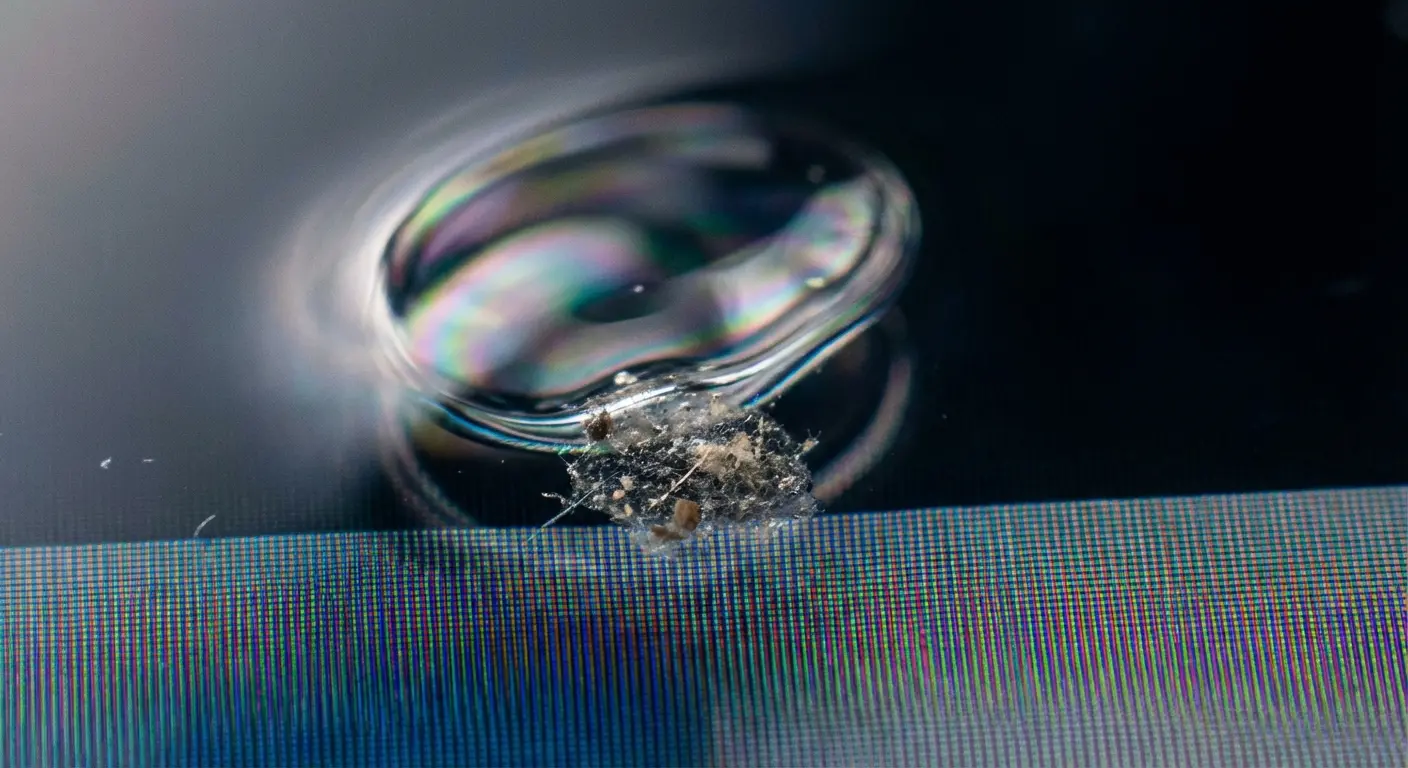
You need humidity to drop particles out of the air, but not so much moisture that it affects adhesive. The sweet spot is right after a hot shower when the air is humid but surfaces are dry. Too much moisture and the adhesive won't bond properly. Too little and dust particles remain airborne.
Installation failure is the #1 reason people buy multiple protectors, which changes the cost equation significantly. If you're on your third attempt at installing a $25 protector, you've now spent $75 on screen protection, and you might not even have a properly installed protector yet.
When Screen Protectors Make Things Worse
Film protectors are basically useless. There, I said it. If you're worried about drops, film won't save you.
But sometimes even tempered glass creates new problems. Edge protectors that catch on pockets and peel up. Thick glass that makes edge swipes difficult. Protectors that trap heat and affect performance. Compatibility issues with cases that create pressure points.
Protection isn't universally beneficial. Some users are better off without protectors, and that's a valid conclusion if it's based on informed analysis.
My friend Maria purchased a full-coverage tempered glass protector for her Samsung Galaxy with curved edges. Within a week, she noticed the edges lifting slightly where her case pressed against the screen. By week three, pocket lint had worked its way under the lifted edges, creating visible lines along both sides of her display.
The protector also interfered with her edge-swipe gestures for multitasking, forcing her to swipe multiple times to trigger actions that previously worked instantly. She removed the protector and switched to a case-friendly version that left a 2mm border, accepting slightly less coverage in exchange for functionality. Sometimes the "maximum protection" option creates more problems than it solves.
The Case Compatibility Nightmare
Screen protectors and cases are designed independently, which creates fit issues neither manufacturer will take responsibility for. Cases and screen protectors are made separately, with slight variations in size. When you combine them, those tiny variations add up. Your case might push on your protector edges even though both are "made for iPhone 15 Pro."
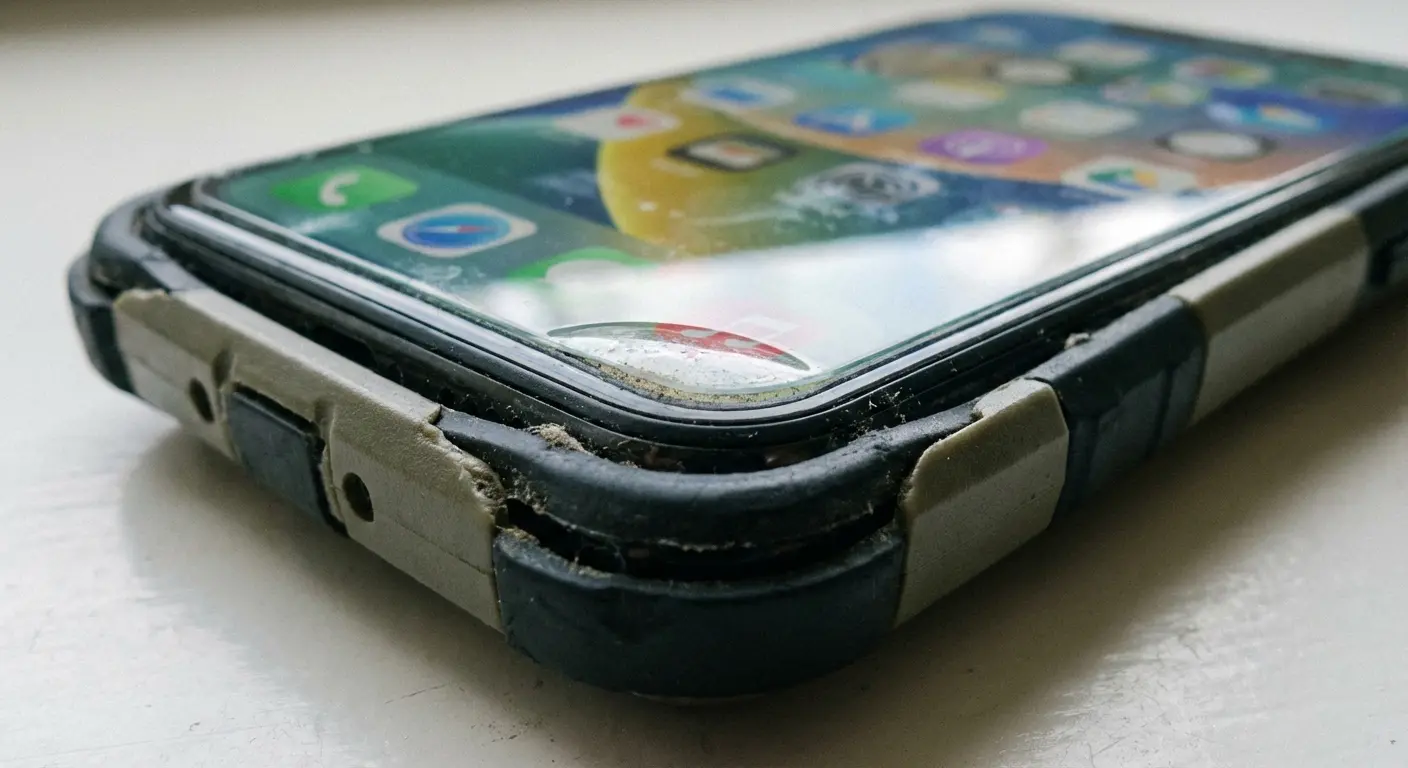
Understanding case compatibility becomes especially critical when you're investing in the most protective phone cases, where precise tolerances between case edges and screen protectors determine whether your complete protection system works together seamlessly.
You might need to choose between your preferred case and your preferred protector, or accept compromises with both. This is particularly relevant for users with specific case needs like mounting systems, rugged protection, or wallet cases, where the screen protector becomes the constraint.
The Environmental Impact Nobody Wants to Talk About
Look, I'm not going to pretend I'm Captain Planet here, but the screen protector thing bothers me. I've thrown away probably 12 of these in the last five years. They're plastic or glass, they come in plastic packaging, and they're designed to be disposable. That's weird, right?
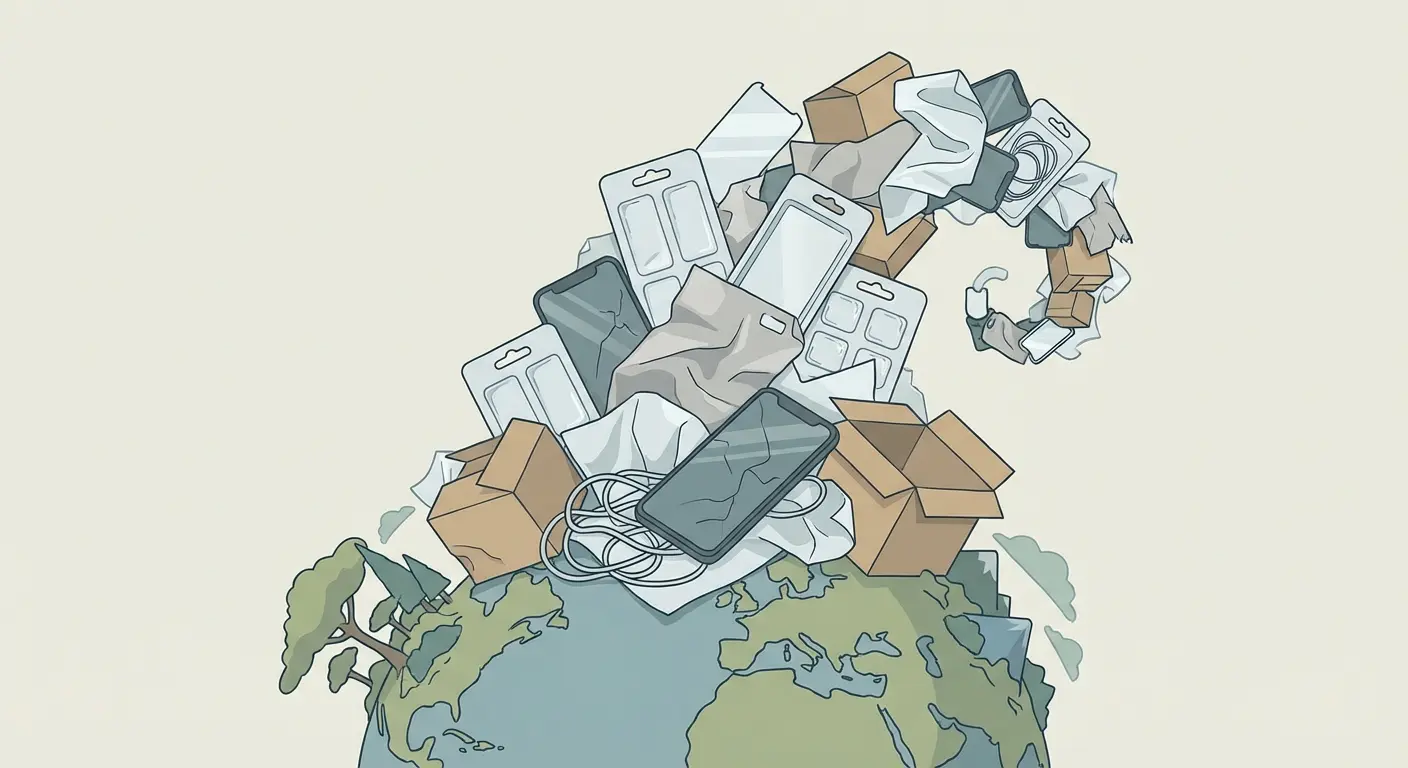
Tempered glass is technically recyclable but rarely recycled. Film protectors are plastic waste. The packaging is usually excessive. If you replace your screen protector three times a year, you're generating waste that'll outlive you. Maybe that matters to you, maybe it doesn't. But it should probably factor into whether you buy the cheap ones that crack every two months or invest in something that lasts.
For environmentally conscious readers, this might tip the decision toward either very durable protection solutions or accepting screen wear as the more sustainable choice.
What I Actually Use and Why
Full disclosure: I've been using Rokform's magnetic mounting system on my motorcycle for two years. When they asked me to test their screen protectors, I was skeptical. Did the world really need another screen protector?
Turns out, when you're mounting your phone to a bike at highway speeds, the vibration and impact exposure is completely different from normal use. Their protectors are designed specifically for that scenario, tested with their cases as a complete system. That actually matters if you're in that use case.
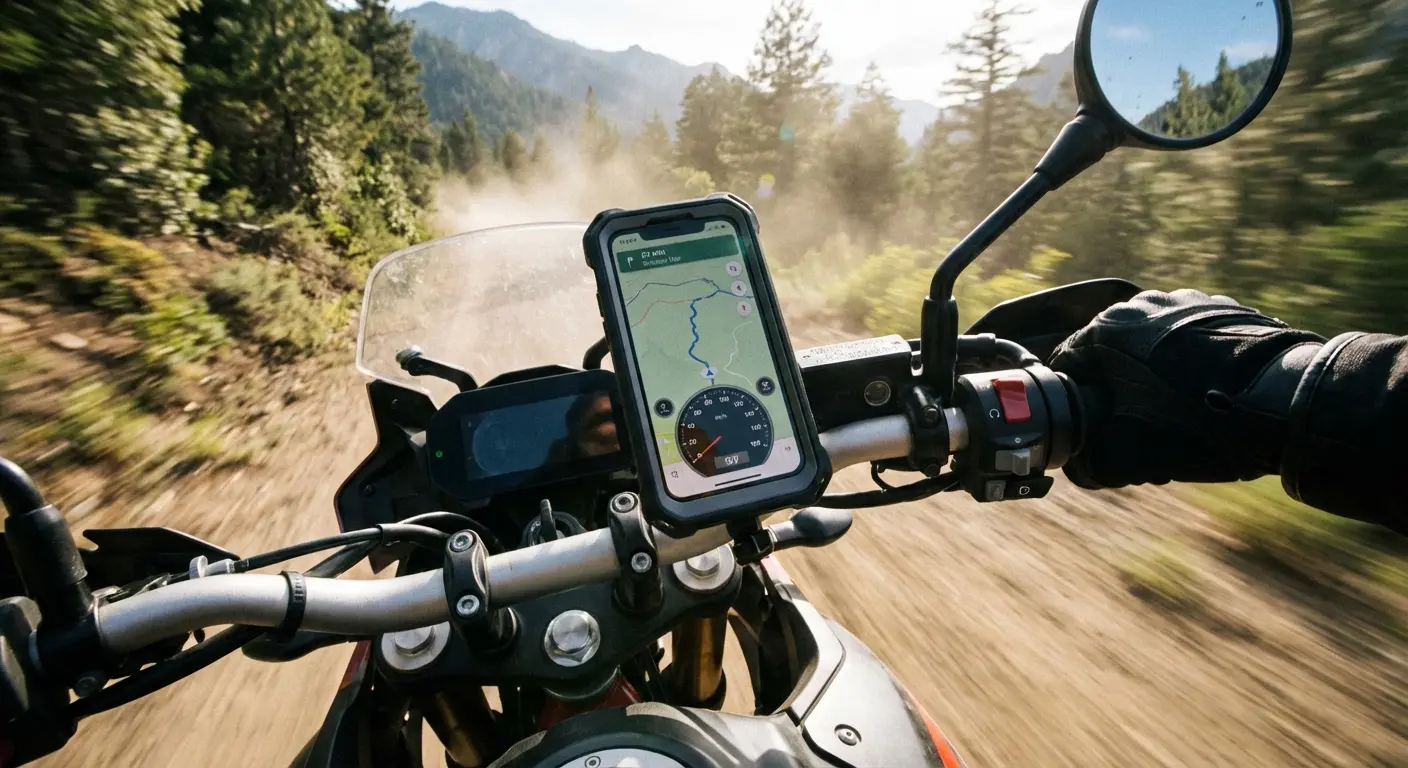
For users with active lifestyles or high-risk environments, standalone screen protectors are fighting an uphill battle. Integrated protection systems where the case and screen protector are designed together eliminate the compatibility issues I discussed earlier.
If you're mounting your phone to a motorcycle, bike, or car dashboard regularly (which is where Rokform's magnetic mounting system excels), the vibration and impact exposure means you need protection that's been tested as a complete system, not two separate products hoping to work together.
For active users who demand comprehensive protection, exploring Rokform's screen protector collection reveals how purpose-designed protectors integrate with mounting systems for motorcycles, bikes, and vehicles, creating protection ecosystems rather than isolated accessories.
If you're not mounting your phone to vehicles? This probably isn't relevant to you. But if you are, it's worth considering the whole system instead of mixing and matching parts that weren't designed to work together.
Your Usage Pattern Matters More Than Your Phone Model
How often do you drop your phone? Where do you typically use it? What's in your pockets? Do you have kids? What's your upgrade cycle?
An office worker who upgrades every four years has completely different needs than a trail runner who trades in annually. Be honest about your actual behavior rather than your aspirational careful phone handling.
The reality of screen damage extends beyond catastrophic drops. According to repair statistics, over 80% of screen cracks initiate from edge impacts, which means corner and edge protection from cases matters more than screen protector thickness for preventing the most common damage scenario. This finding challenges the assumption that screen protectors are the primary defense against broken screens. They're the secondary layer, with case design playing the more critical role in drop protection.
When evaluating your complete phone protection strategy, understanding which phone cases offer the best drop protection helps you prioritize where to invest your protection budget. Sometimes a superior case matters more than a premium screen protector.
Here's My Actual Recommendation
If you're buying a flagship phone and planning to trade it in two years from now, buy the screen protector. This isn't complicated. The resale value math is obvious.
If you're keeping your phone until it dies and you don't care about scratches, skip it. You're wasting money on anxiety prevention.
Which regret can you live with?
Regret A: You bought a screen protector, never needed it, and "wasted" $20.
Regret B: You skipped the screen protector, cracked your screen, and paid $150+ to fix it.
Most people can live with Regret A easier than Regret B. That's why screen protectors are popular. It's not about math, it's about psychology. If you're the kind of person who would beat yourself up for six months over a cracked screen that could've been prevented, buy the protector. The $20 is anxiety insurance, and that's a legitimate purchase.
Stop reading articles. Answer these three questions:
Do you trade in your phone? (Yes = get protector)
Have you cracked a screen before? (Yes = get protector)
Do scratches bother you? (Yes = get protector)
If you answered no to all three, save your money.
Your phone is a $700-1200 device you interact with hundreds of times daily. The screen protection question deserves more thought than most people give it, but not more anxiety.
I still overthink this decision every time I get a new phone. I know all the data, I've done all the research, and I still stand in the store wondering if I really need a screen protector. The difference is now I can make that decision in 30 seconds instead of 30 minutes.
Here's what I actually do: I buy a two-pack of tempered glass protectors for $20-25. I install one immediately. I keep the spare in my desk. If the first one cracks, I replace it. If I make it two years without needing the spare, I count that as a win.
Total cost: $20-25 over 2-3 years. Resale value protected: $100-150. Peace of mind: priceless (or at least worth $20).
You can make this more complicated if you want. But you don't have to.

