


Table of Contents
Why Your $200 Backpack Feels Like Hell After 50 Miles
-
Built for Highway Speed
Kriega R30
OGIO No Drag Mach 5
Alpinestars Tech Aero
REV'IT! Gravel Backpack
-
Weather-Sealed for the Unpredictable
Ortlieb Velocity
Givi EA104B
SW-MOTECH Triton 12L
Biltwell EXFIL-11
Held Adventure Evo
-
Commuter-First Design
Chrome Barrage Cargo
Timbuk2 Authority Pack
North Face Borealis
Patagonia Black Hole 25L
Dakine Campus
Herschel Little America
-
Multi-Day Touring Capacity
Mosko Moto Backcountry 35L
Giant Loop Zigzag
Wolfman Expedition Dry Saddle Bag
Klim Nac Pak
The Phone Problem Nobody Talks About
Real Talk: What Actually Matters
TL;DR
Highway speed turns any backpack into a sail unless it's designed to disappear against your back
Waterproofing fails when you need it most if you cheap out on welded seams
Commuter packs need quick access pockets or you'll pull over six times before you get to work
Touring capacity means nothing if the pack shifts mid-corner or destroys your shoulders by day two
Chest and waist straps are the difference between comfortable riding and stopping every hour to readjust
Your phone mount setup is just as critical as your pack choice for navigation and staying connected
Why Your $200 Backpack Feels Like Hell After 50 Miles
Mile 47 on I-90. My shoulders were screaming. The backpack everyone raved about online felt like I was wearing a parachute filled with bricks. Every lane change became a fight to stay centered. I still had 200 miles to go.
That's when I learned capacity means jack shit at highway speed.
I've been riding a Yamaha MT-09 for six years. Commuting through Seattle rain. Weekend trips to Montana. That one stupid decision to ride to Sturgis with just a backpack. My chiropractor has opinions about some of these choices. Over those years, I've owned, borrowed, or tested seventeen different packs. Some were expensive mistakes. A few tried to kill me in crosswinds. Three are still in my garage because they actually work.
The backpack that's perfect for touring will piss you off on your commute. The one that looks great at the office will try to strangle you at 80 mph. Brand recognition doesn't mean anything when you're 50 miles into a ride and your pack is pulling you backward with every gust of wind.
Most riders ignore how a pack performs under sustained wind pressure, body movement during aggressive riding, and accessibility while wearing full gear. They see "40 liters" and think more is better. Then they discover their mistake when the pack shifts during every turn and they can't reach their water bottle without pulling over.
I'm organizing these 19 options by the specific problems they solve because that's how you should think about buying one. Highway riders need aerodynamics and stability. Weather-conscious riders need genuine waterproofing, not just water resistance. Commuters need organization and professional appearance. Touring riders need capacity without compromising comfort.
Think about how you ride most often. Not how you wish you rode, but your typical Tuesday or Saturday. That's the category you should focus on. Just like choosing the right motorcycle phone mount keeps your navigation accessible, selecting the right pack architecture determines whether everything else you carry stays secure and comfortable.
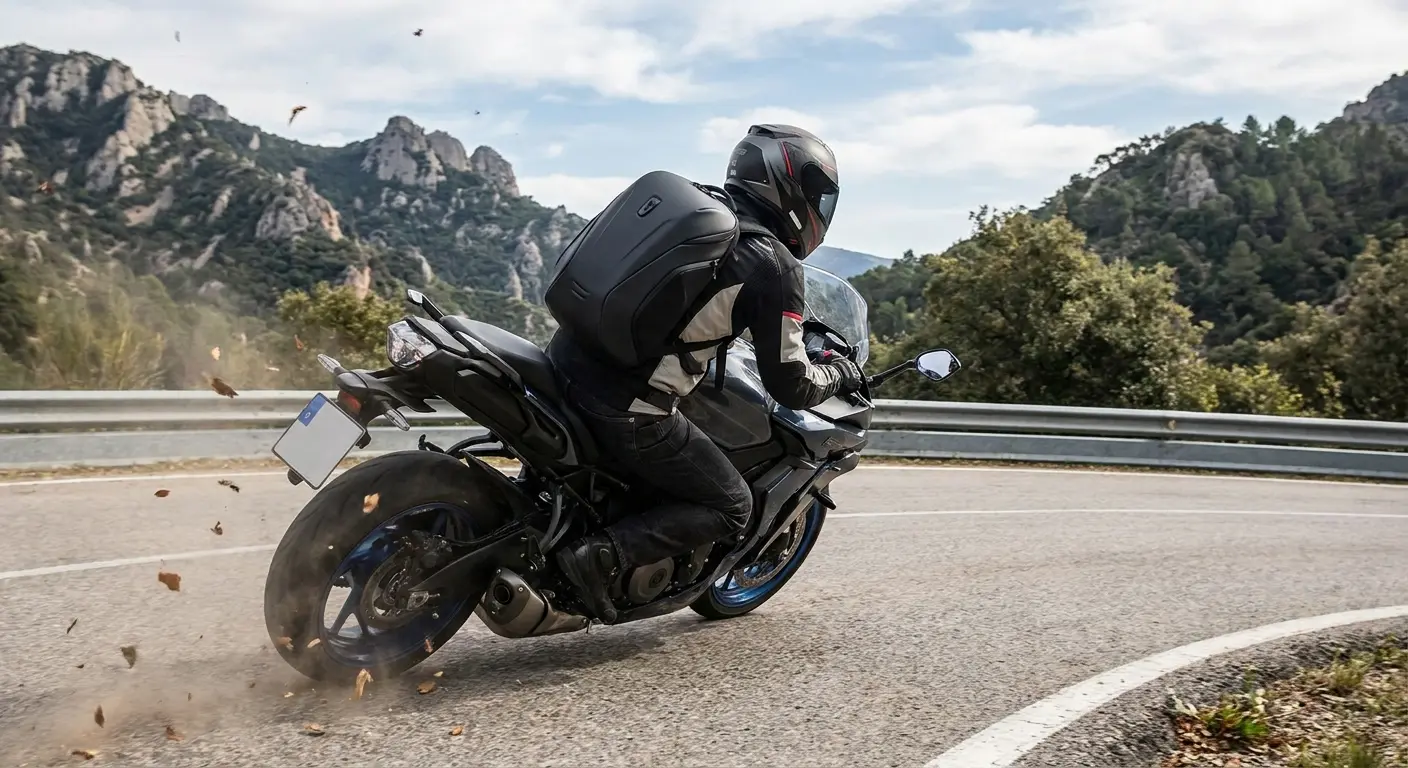
Built for Highway Speed
I almost died because of aerodynamics.
Dramatic? Maybe. But when a crosswind hits you at 75 mph and your backpack catches it like a kite, you start caring real fast about drag coefficients.
Wind resistance changes everything at highway speeds. A pack that feels fine putting around town becomes a sail when you hit 70 mph, pulling you backward and creating neck fatigue that ruins long rides. These four packs prioritize aerodynamic design and stability during sustained high-speed riding. They use tapered profiles, compression systems that eliminate flutter, and strap configurations that keep weight distributed close to your spine.
You won't find maximum capacity here. That's not the point.
Pack Model |
Capacity |
Weight |
Key Aerodynamic Feature |
Best For |
|---|---|---|---|---|
Kriega R30 |
30L |
2.4 lbs |
Quadloc harness keeps load centered |
All-day highway touring |
OGIO No Drag Mach 5 |
23L |
2.1 lbs |
Streamlined profile with magnetic closures |
Sport bike riders |
Alpinestars Tech Aero |
20L |
1.9 lbs |
Low center of gravity placement |
Aggressive cornering |
REV'IT! Gravel Backpack |
18L (24L expanded) |
2.3 lbs |
Rigid back panel prevents slouching |
Mixed highway/technical roads |
1. Kriega R30
Best harness system I've used. Period.
The Quadloc harness on the Kriega R30 spreads weight across four points instead of two. Sounds like marketing until you feel the difference after three hours on the interstate. Traditional packs dump everything onto your shoulders. This one doesn't.
30 liters. That's the sweet spot. I've crammed in a laptop, rain gear, lunch, never looked like I was smuggling a basketball. The tapered design cuts through wind instead of catching it. Compression straps actually compress instead of just dangling there looking useful.
Waterproofing comes from welded seams and a roll-top closure. Never leaked on me, even during surprise downpours in Oregon where the sky just opens up without warning. The chest strap sits higher than most packs, so it doesn't interfere with jacket zippers or chest protectors.
Here's the thing though. The harness takes a week to dial in. You'll adjust straps constantly. You'll fiddle with positioning. You'll wonder if you're an idiot for spending $250 on a backpack. I returned mine after two days because it felt weird and complicated.
Then I tried riding with my old pack again. Shoulders screaming by mile 30.
Bought the Kriega back.
Three years in, still using it weekly. The bottom's scuffed to hell from setting it down on pavement. Don't care. I've done 400-mile days with this pack and arrived without the usual shoulder fatigue. This remains the best pack for riders who prioritize comfort during long highway stretches.
2. OGIO No Drag Mach 5
OGIO designed this pack specifically to address aerodynamic drag, and the streamlined profile proves they succeeded. The pack hugs your back without creating that parachute effect you get from traditional backpacks at speed.
23 liters might seem limited until you see the internal organization. Every inch is usable. I fit a 15-inch laptop, a change of clothes, and riding gear without playing Tetris. Magnetic closures on key pockets mean you can access essentials without fumbling with zippers while wearing gloves.
Well, sort of.
The magnetic closures are finicky with heavy winter gloves. You'll get the hang of the pressure needed, but it's not as intuitive as a zipper. With summer gloves? No problem. With those thick winter gloves that make you look like you're wearing oven mitts? You're just angry at magnets.
The removable helmet carrier sounds gimmicky until you need to carry your lid into a restaurant or office. It clips on securely and doesn't bounce around. The shoulder straps are wider than average, distributing pressure across more surface area. I've noticed less shoulder fatigue compared to packs with narrower straps.
The pack works best for sport bike riders who prioritize aerodynamics and don't need massive capacity. I've used this for daily commutes and weekend rides without issues. If you spend most of your time at highway speeds and value a pack that disappears into the background, this delivers.
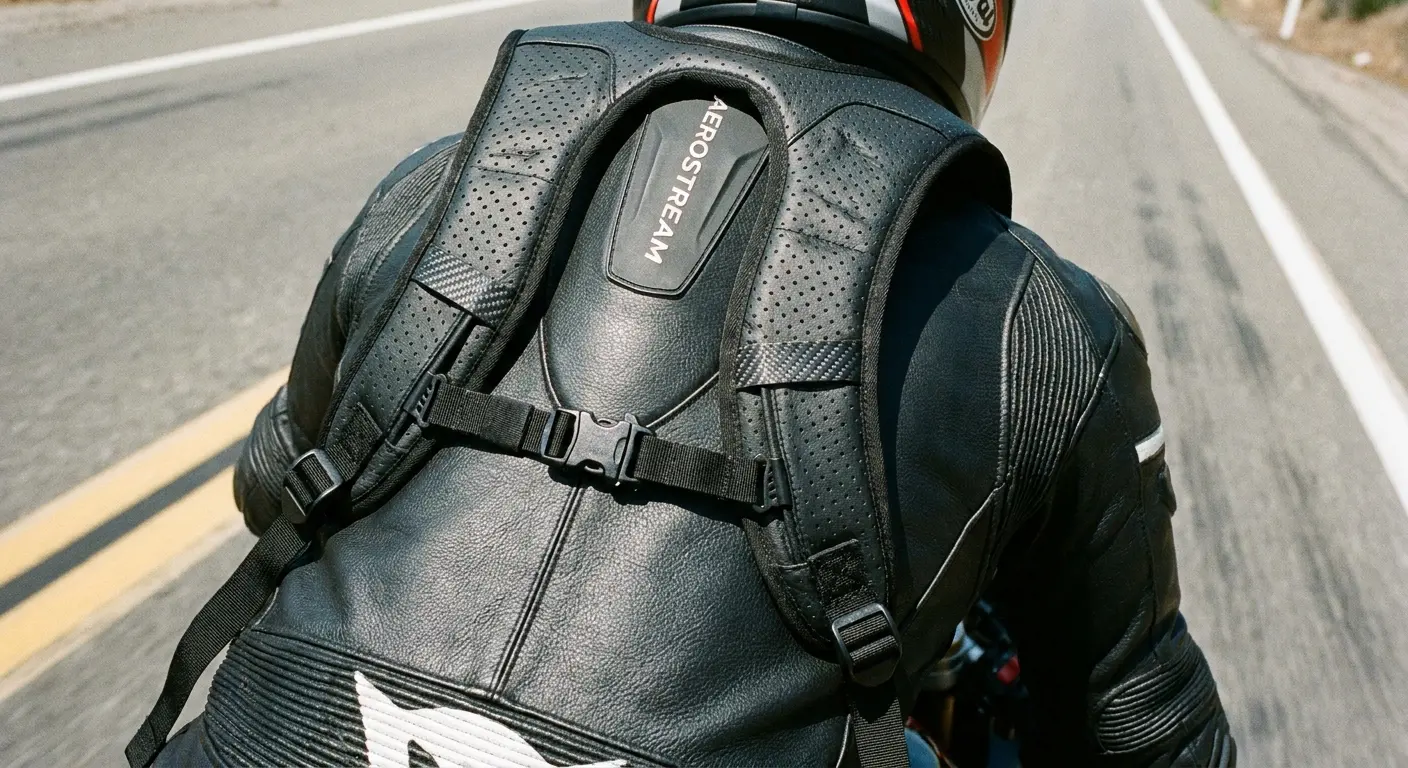
3. Alpinestars Tech Aero
Alpinestars brought their race-derived design philosophy to this pack, and the attention to weight placement shows. The main compartment sits lower on your back than typical packs, keeping the center of gravity closer to your natural balance point.
This becomes critical during aggressive cornering when you need your upper body free to move. The 20-liter capacity forces smart packing, but the trade-off is a pack that disappears during spirited riding. I've taken this through Angeles Crest Highway where other packs would have thrown off my balance in the switchbacks.
Reflective elements are integrated into the design rather than tacked on as afterthoughts. The ventilated back panel reduces sweat buildup during summer rides. I've worn this in 95-degree heat and arrived less drenched than with solid-back packs.
The downside? Limited organizational pockets mean you'll need packing cubes if you carry lots of small items. Everything goes into one main compartment, which can turn into a jumbled mess if you're not careful. I spent five minutes digging for my keys once in a parking lot. Not fun.
But for riders who value performance over organization, this is among the best packs for aggressive riding styles. If you're the type who carves canyons on weekends, you'll appreciate how this pack just gets out of your way.
4. REV'IT! Gravel Backpack
REV'IT! built this pack for riders who mix highway miles with technical roads. The 18-liter base capacity keeps the profile compact, but the expansion zipper adds 6 liters when you need extra space for groceries or gear.
The attachment system uses traditional straps plus a waist belt that stays in place over a riding jacket. I've had too many packs where the waist belt rides up or shifts during rides. This one stays put. The pack includes a hydration sleeve with an insulated tube, addressing the problem of warm water on long summer rides. Nothing worse than taking a drink and getting hot plastic-flavored water.
External attachment points work with REV'IT!'s modular accessory system, though they're functional even without buying into the ecosystem. The rigid back panel maintains shape under load, preventing the slouchy appearance that creates drag at speed.
Here's what you need to know about the expansion zipper. It adds a potential failure point in heavy rain. I've had water seep through the zipper during prolonged downpours. Not a dealbreaker, but something to be aware of if you ride in wet climates frequently. For mixed-terrain riders who need versatility, this pack delivers solid performance across different riding scenarios.
Weather-Sealed for the Unpredictable
Weatherproofing goes beyond keeping rain out. Road spray, humidity, sudden temperature drops, and the dust that accumulates during any ride longer than 20 minutes all threaten your gear.
Water-resistant sounds good until you're in your third hour of rain and everything inside is damp. These five packs use welded seams, roll-top closures, and materials that don't absorb moisture. Genuine waterproofing, not water resistance that fails after the first heavy storm.
Similar to how motorcycle phone mounts need weather resistance to protect your device, these packs protect everything else you carry from the elements. I've tested all of these in Pacific Northwest rain, which is basically a free pressure test for any weatherproofing claims.
5. Ortlieb Velocity
Ortlieb's background in bicycle touring translates well to motorcycle use. The Velocity uses a roll-top closure with sonic-welded seams, creating a genuinely waterproof main compartment. I've ridden through torrential rain with electronics inside and pulled them out bone-dry.
The 23-liter capacity expands slightly when you adjust the roll-top. The PVC-free material resists abrasion better than coated nylon and doesn't stiffen in cold weather. I've used this in 20-degree temperatures without the material becoming rigid and uncomfortable. Some packs turn into cardboard when it gets cold. Not this one.
The external pocket isn't waterproof, which is actually useful. Toll passes, gas station receipts, or a protein bar live here without requiring you to open the main compartment. The reflective logo is massive, making you visible in low light. Cars have definitely spotted me because of it.
The shoulder straps lack padding compared to other packs in this price range. On rides over two hours, you'll feel it. I've added aftermarket padding, which helps. But for riders prioritizing waterproofing above all else, this pack delivers. If you refuse to check weather forecasts before leaving or live in regions where conditions change mid-ride, this is your pack.
6. Givi EA104B
Givi's approach prioritizes simplicity and reliability. The EA104B uses a cylindrical design with a waterproof zipper on the main compartment. The 22-liter capacity stays consistent. There's no expansion system to fail or leak.
The pack includes a rain cover, which seems redundant until you realize it adds a secondary layer of protection and increases visibility with its bright yellow color. I've had the zipper develop small leaks after a year of heavy use, but the rain cover kept everything dry. Redundancy saves your ass sometimes.
The attachment system is straightforward. Two shoulder straps and a chest strap. No fancy harness systems or complicated adjustments. The rigid construction maintains shape when partially full, preventing the floppy appearance that creates wind resistance.
External bungee cords secure a jacket or additional gear. I've strapped a helmet to the outside when needed. Works fine. The limitation is minimal internal organization, so you'll dig for small items. But for riders who value bombproof construction and reliable weatherproofing, this pack works. It's not sexy, but it's dependable.
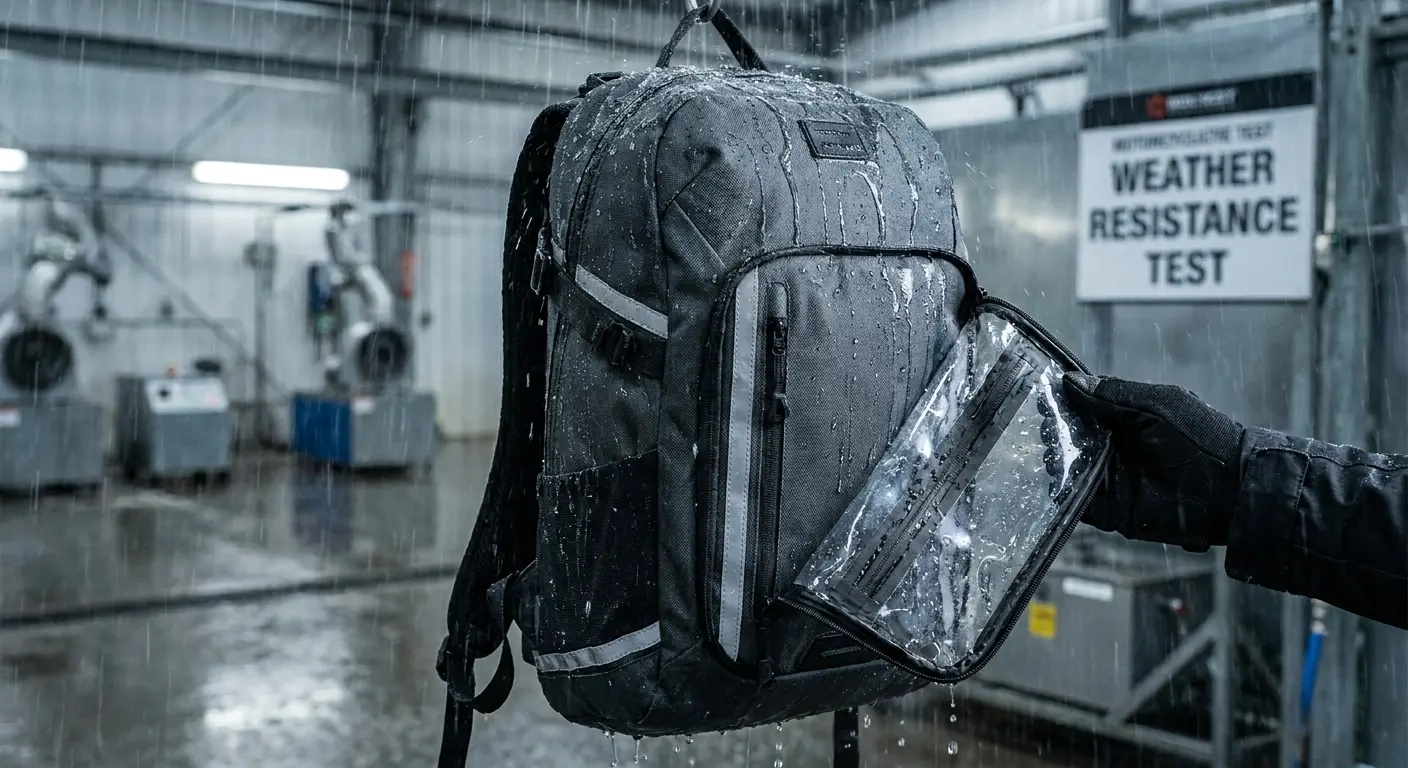
7. SW-MOTECH Triton 12L
SW-MOTECH designed the Triton as a small pack that doesn't compromise on weather protection. The 12-liter capacity forces minimalist packing, but the compact profile works well for shorter riders or those who find larger packs cumbersome.
The pack uses a roll-top closure with a secondary zipper for quick access. I appreciate having both options. Need something fast? Use the zipper. Want maximum waterproofing? Roll the top. The welded construction eliminates stitching as a potential leak point. After two years of use, zero leaks.
The shoulder straps are removable, allowing you to use the pack as a tank bag with the optional mounting system. This versatility is great for riders who want one pack that serves multiple purposes. The internal pocket protects valuables from getting crushed.
The compact size means it won't accommodate a laptop. That limits commuter functionality. But for weekend rides or as a secondary pack for specific trips, this delivers solid weather protection in a small package. If you're the type who packs light and rides often, this might be all you need.
8. Biltwell EXFIL-11
Biltwell's EXFIL-11 takes a military-inspired approach to weatherproofing. The 11-liter capacity targets riders who need just the essentials protected. I use this for short trips where I'm only carrying a wallet, phone, and snacks.
The pack uses a welded TPU liner inside a durable outer shell, combining weather protection with abrasion resistance. The top-loading design with a cinch closure is simple and reliable. No zippers to fail or leak. Just pull the cord tight and go.
The pack includes MOLLE webbing for attaching additional pouches. I've added a small tool pouch and a first-aid kit. The minimal padding keeps the pack lightweight and packable when not in use. It stuffs into a saddlebag easily, which is useful if you're not sure you'll need it.
The shoulder straps are basic but functional. This works as a riding backpack for minimalists or as a secondary pack for specific trips. The small capacity becomes a limitation for all-day rides, but that's not what this pack is designed for. It's for the "I just need to carry a few things" rides.
9. Held Adventure Evo
Held built this pack for riders who encounter varied weather during single trips. The 20-liter main compartment uses a waterproof liner that's removable for cleaning. I 've dumped muddy gear inside and cleaned it out easily afterward. That's rarer than you'd think with waterproof packs.
The separate wet/dry compartment solves the problem of storing rain gear after the storm passes. No more stuffing damp gear into your main compartment and getting everything else wet. This feature alone has saved me multiple times when the weather clears up mid-ride.
The back panel ventilation system works even with the waterproof construction. Reflective elements are strategically placed for visibility from multiple angles. I've been spotted by cars in low light thanks to the reflective placement on the sides and top.
The pack includes attachment points for Held's accessory system. The multiple compartments add weight compared to simpler designs. This pack weighs more than others with similar capacity, but the features justify the extra ounces for riders who need versatility. If you're the type who encounters four seasons in one ride, this pack has you covered.
Commuter-First Design
Daily commuters need different features than weekend riders. Laptop protection, quick-access pockets for work essentials, and designs that look appropriate in an office setting matter more than aerodynamics or maximum capacity.
I've walked into client meetings with some of these packs and received compliments. Others would get me weird looks. That distinction matters when you're trying to look professional after a 30-minute ride through traffic.
These six packs transition from bike to desk without looking out of place. They protect electronics from vibration and impact while offering organization for the mix of riding gear and work items commuters carry. These solve the problem of needing one good pack that serves multiple purposes rather than owning separate packs for different activities.
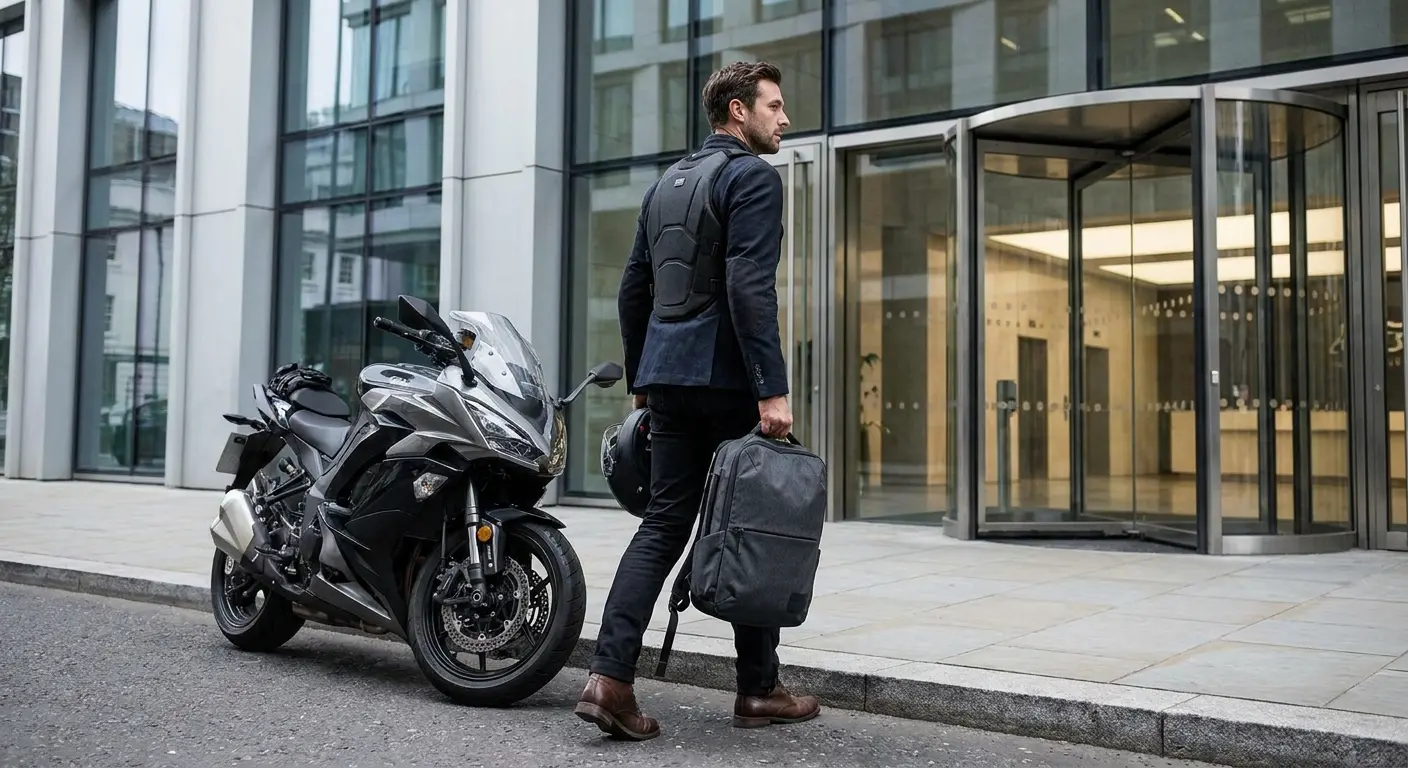
10. Chrome Barrage Cargo
Chrome's messenger bag heritage influences this pack's design. The 22-liter capacity includes a dedicated laptop sleeve that suspends your computer away from the pack's bottom, protecting it from impact when you set the bag down.
I've dropped this pack more times than I'd like to admit. My laptop survived every incident. The seatbelt buckle closure operates easily with gloves, which is critical when you're rushing to catch a meeting. The waterproof liner keeps electronics dry without the bulk of fully waterproof construction.
The boxy shape maximizes internal space while maintaining a professional appearance. I've walked into corporate offices with this pack without it looking out of place. The industrial aesthetic won't appeal to everyone, and the single-strap design isn't ideal for longer rides.
Your shoulder will fatigue after about 45 minutes of riding. I learned this the hard way on a weekend trip where I thought "it'll be fine." It wasn't fine. But for urban commuters doing 20-minute rides, this pack excels. The internal organization panel keeps smaller items accessible, and the build quality is excellent.
11. Timbuk2 Authority Pack
Timbuk2 designed the Authority for bike commuters, and it translates well to motorcycles. The 28-liter capacity accommodates a laptop, change of clothes, and lunch without looking oversized. I've packed everything needed for a full workday plus an evening gym session.
The ventilated shoe compartment solves the problem of carrying work shoes separately. Your shoes stay isolated from clean clothes and don't make everything smell. This feature alone makes the pack worth considering if you wear riding boots to work and change into dress shoes.
The laptop compartment is heavily padded and positioned to protect against drops. The clean design works in professional settings. I've carried this into corporate offices without it looking out of place. The water-resistant coating handles light rain and road spray, though heavy rain requires a cover or dry bag for electronics.
The trolley sleeve attaches to rolling luggage, which I've used during business trips that combine flying and riding. Compression straps keep the load stable during riding. For commuters who need a pack that works both on the bike and in professional environments, this delivers. It's not motorcycle-specific, but it doesn't need to be.
12. North Face Borealis
The Borealis wasn't designed specifically for motorcycles, but its features align well with commuter needs. The 28-liter capacity includes a FlexVent suspension system that distributes weight effectively across your back and shoulders.
The padded laptop sleeve and tablet pocket protect electronics from road vibration. I've commuted with this pack for months without any device damage. The front elastic bungee system secures a jacket or helmet when you arrive at your destination. Useful when you don't want to carry your helmet into the office.
The curved design follows your back's natural shape, improving comfort during longer commutes. Multiple organizational pockets keep small items accessible. I know exactly where my keys, wallet, and phone live in this pack. That consistency saves time every morning.
Reflective elements increase visibility during early morning or evening rides. The external water bottle pockets allow access without removing the pack. The soft construction can look sloppy when partially full, and it lacks motorcycle-specific features beyond what any good backpack offers. But for the price and versatility, it's hard to beat if you want one pack for everything.
13. Patagonia Black Hole 25L
Patagonia's Black Hole series uses recycled materials without compromising durability. The 25-liter capacity hits the sweet spot for daily commuting. I've carried this pack five days a week for two years, and it still looks nearly new. That's impressive given the abuse it's taken.
The weather-resistant fabric handles most conditions, though it's not fully waterproof. Heavy rain will eventually get through. The padded laptop sleeve protects up to 15-inch computers. My laptop has survived several drops thanks to the padding.
The simple design with a single main compartment and few pockets forces organized packing. You'll develop a system for where everything goes. The daisy chain webbing on the exterior allows for attaching additional gear. I've clipped a U-lock and a small tool bag to the outside.
The pack's reputation for durability means it'll last through years of daily use. Shoulder straps are well-padded for comfort. The minimal organization means you'll dig for small items, and the casual appearance might not fit all work environments. But for riders who value durability and sustainability, this pack performs. It's also one of the few packs that actually lives up to its warranty claims.
14. Dakine Campus
The Dakine Campus is big. Really big.
33 liters of capacity makes it one of the larger options in this category. The padded laptop sleeve and fleece-lined pocket for sunglasses or phone protect your valuables from scratches and impacts.
The front organizational pocket includes multiple sleeves and a key clip. I never lose my keys anymore because they're always clipped in the same spot. Small thing, but it matters every single day. The ventilated back panel reduces sweat buildup during commutes, which is critical during summer months when you arrive at work already sweating.
Side pockets accommodate water bottles or a U-lock. The bottom stash pocket fits shoes or a helmet. I've used this for commuting plus post-ride gym sessions, carrying everything needed for both activities. If you need to carry a week's worth of gym clothes and your laptop and maybe a small child, this works.
For everyone else? It's too much pack. The larger capacity means you can carry everything, but it also creates more wind resistance at highway speeds, and the pack can look bulky in office settings. For commuters who need maximum capacity and don't mind the extra bulk, this works well. Just know what you're getting into.
15. Herschel Little America
Herschel's Little America brings a vintage aesthetic to modern functionality. The 25-liter capacity includes a padded laptop sleeve and internal media pocket. I appreciate the clean, minimalist design that doesn't scream "motorcycle gear."
Full disclosure, I bought this because it looked cool on Instagram. Turns out, fashion-first design means you're digging for your keys at every stop. The drawstring closure with a magnetic strap combines security with easy access. Once you get used to the system, it's quick to open and close. With gloves on? Less quick.
Contoured shoulder straps and padded back panel improve comfort during commutes. The striped fabric liner makes it easy to locate items inside the black interior. Small detail, but it helps. The external pocket provides quick access to essentials. I keep my sunglasses and toll pass here.
Synthetic leather straps add durability and a premium feel. The pack lacks motorcycle-specific features, the drawstring closure can be awkward with gloves, and the fashion-forward design prioritizes appearance over technical features. For commuters who want a pack that looks good both on and off the bike, this delivers style with adequate functionality. It's the pack I grab when I don't want to look like I just rode a motorcycle. Vain? Yeah. I'm okay with that.
Multi-Day Touring Capacity
Multi-day trips demand packs with 30+ liters of capacity, compression systems that adapt as you use gear, and durability to withstand daily loading and unloading. You need to carry more than day-trippers but still require the pack to perform well during riding, not just serve as mobile storage.
These four packs balance capacity with comfort, include features for organizing clothing and gear separately, and maintain stability even when fully loaded. I've used each of these on week-long trips, and they all passed the test in different ways.
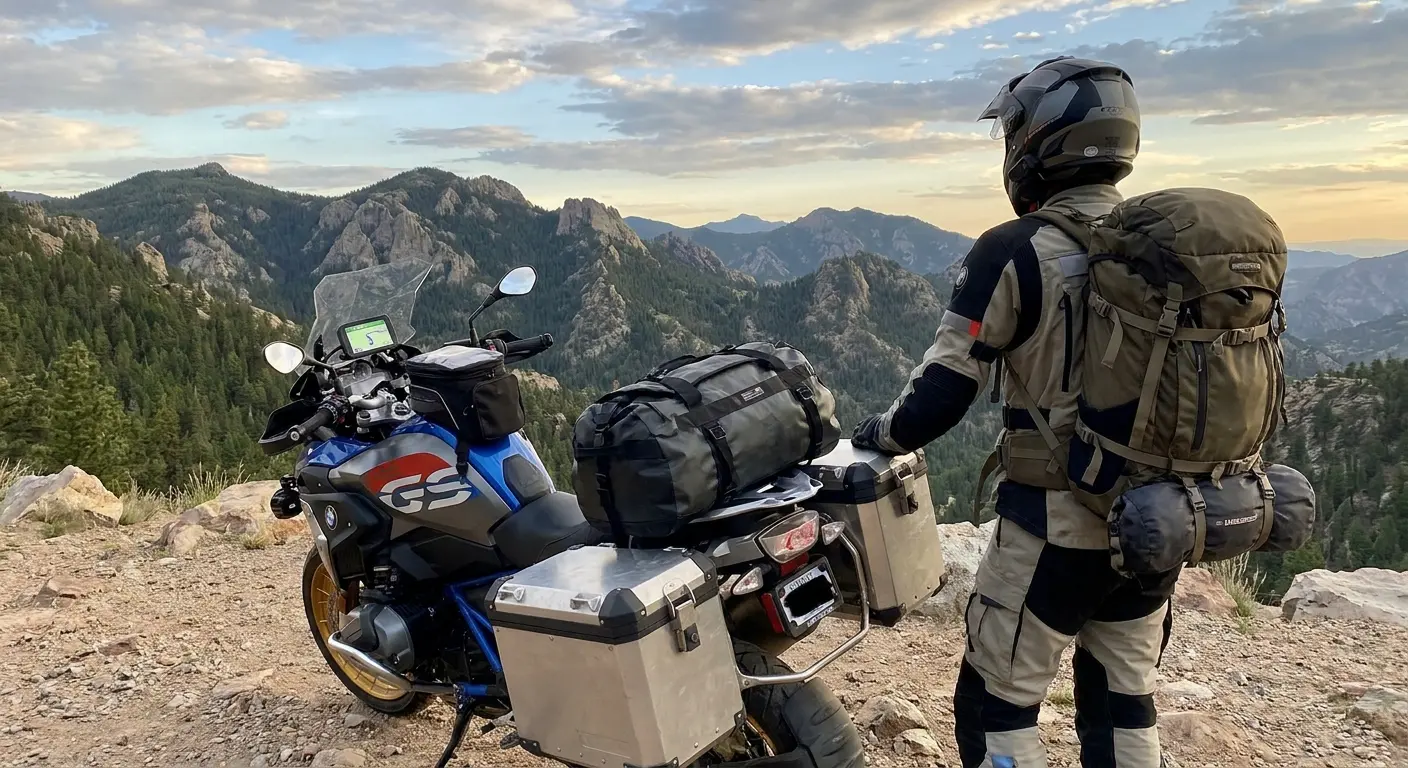
16. Mosko Moto Backcountry 35L
Mosko Moto built the Backcountry specifically for adventure riders doing multi-day trips. The 35-liter capacity expands to 45 liters when needed. I've packed for week-long trips using just this pack, though it requires strategic packing and accepting you won't bring everything you want.
The roll-top closure with a secondary zipper provides quick access without compromising waterproofing. Welded seams and waterproof zippers create genuine weather protection. I've ridden through multi-day rain events with dry gear inside. Everything stayed dry. Not damp. Dry.
The hydration sleeve includes an insulated tube that keeps water cool during summer rides. The modular design allows you to remove the waist belt and sternum strap when they're not needed, though I keep them on for touring. They distribute weight effectively.
Multiple external attachment points secure additional gear. I've strapped tents, sleeping pads, and other bulky items to the outside. Compression straps eliminate dead space and keep the load stable during aggressive riding. Even when the pack is fully loaded, it doesn't shift around.
The suspended mesh back panel creates airflow between the pack and your back. Even during hot weather touring, I've had less sweat buildup than with solid-back packs. The 35L base capacity is substantial, and even when compressed, the pack maintains a larger profile than day-riding options. This is overkill for daily commuting, but for serious touring, it's one of the best options available.
17. Giant Loop Zigzag
Giant Loop designed the Zigzag for riders who need flexibility in capacity. The pack ranges from 14 to 28 liters depending on how you configure the roll-top closure. I've used the smaller configuration for day trips and expanded it for weekend adventures. That versatility is rare.
The waterproof construction uses RF-welded seams that have never leaked on me. The narrow profile keeps weight centered on your spine, which is critical during technical riding. Compression straps work independently, allowing you to secure odd-shaped items without everything being cinched down equally.
The hydration sleeve and multiple internal pockets organize gear effectively. Shoulder straps are minimalist but functional. I've done 500-mile days with this pack without excessive fatigue, though the straps could use more padding.
The modular design works with Giant Loop's other bags for creating a complete luggage system. I've combined this with their tail bag for extended trips. The pack excels at adapting to different trip lengths. Minimal padding on straps becomes noticeable when the pack is fully loaded for extended periods. Adding aftermarket padding helps if you're planning long tours.
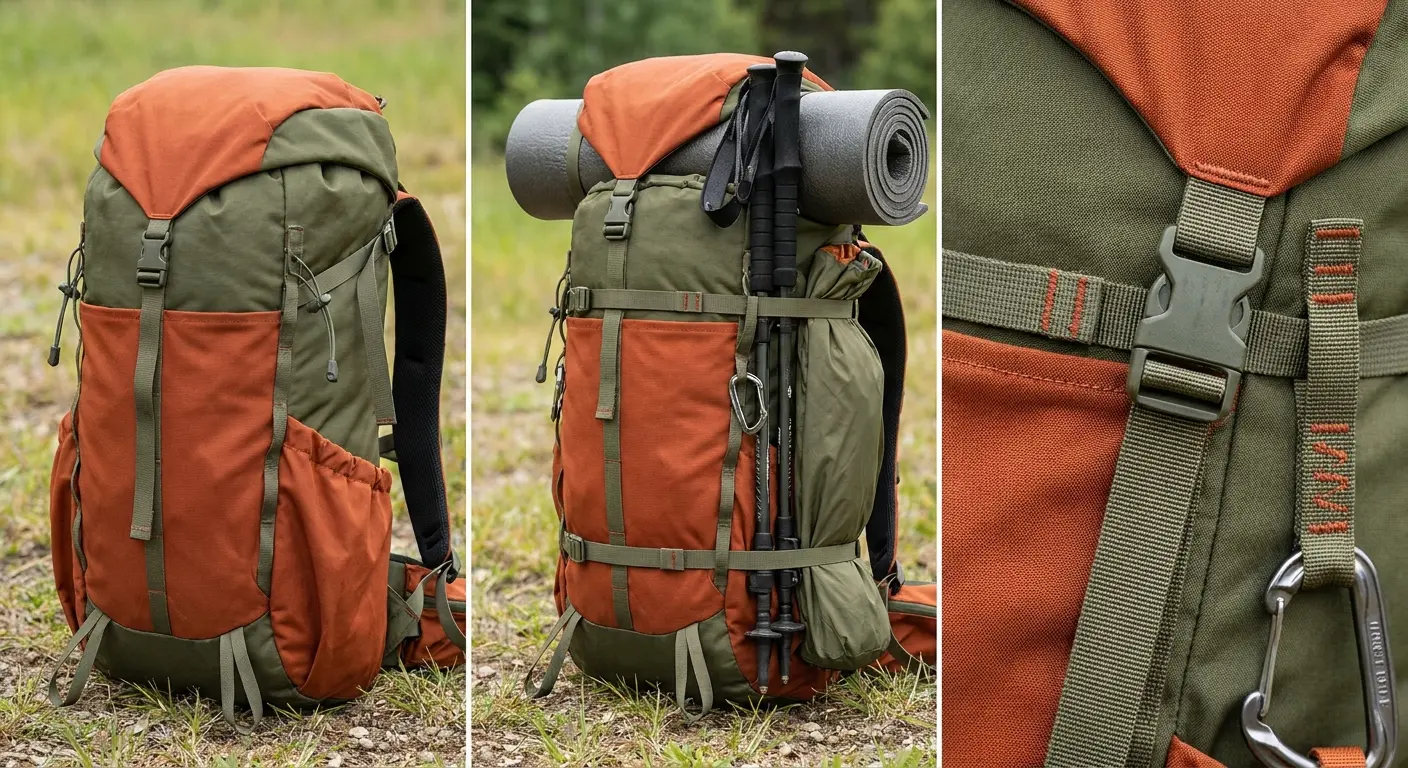
18. Wolfman Expedition Dry Saddle Bag
Wolfman's Expedition bag functions as both a saddle bag and backpack. The 35-liter capacity uses a waterproof roll-top closure that's proven reliable through years of use. I've had this pack for five years without any leaks. Five years. That's longer than most relationships.
Removable backpack straps allow you to use it as a backpack when needed or secure it to your bike for longer stretches. The durable construction withstands abrasion from mounting and dismounting repeatedly. Multiple compression straps secure varying loads. I've carried everything from camping gear to groceries without items shifting inside.
The bright yellow color increases visibility, which has helped me be seen by inattentive drivers. The D-rings and attachment points work with various mounting systems. I've used this on three different bikes with different luggage setups. The versatility means you're not locked into one carrying method.
The dual-purpose design means it's not optimized for either use case. The backpack straps are basic compared to dedicated packs, and your shoulders will fatigue on rides over an hour. I learned this on a day when I decided to wear it for a three-hour ride instead of mounting it. Bad decision. But for touring riders who want one bag that works multiple ways, this delivers flexibility you can't get elsewhere.
19. Klim Nac Pak
Klim built the Nac Pak for serious adventure touring. The 35-liter capacity includes a separate hydration compartment that keeps your water bladder isolated from other gear. I appreciate not having to dig through everything to refill my water. Small convenience, huge impact on long rides.
The combination of waterproof materials and a rain cover provides maximum protection. I've never had water penetrate this pack, even during week-long trips through constant rain in the Pacific Northwest. The suspension system includes a padded waist belt that transfers weight to your hips.
During long touring days when shoulder fatigue becomes an issue, that hip transfer saves you. Multiple organizational pockets and a tool roll keep gear organized. I know exactly where my tools, first-aid kit, and electronics live in this pack. That organization matters when you need something quickly.
The back panel ventilation system works even when fully loaded. Reflective elements are strategically placed for 360-degree visibility. I've been spotted by cars from all angles thanks to the reflective placement. Attachment points allow for securing additional gear to the outside. The rugged construction handles the abuse of off-road riding. I've scraped this pack against rocks and trees without damage.
The feature-rich design adds weight, and the pack's technical appearance doesn't transition well to non-riding environments. You're not wearing this to the office. This is the best pack for riders who prioritize touring performance above all else. If that's you, the investment is worth it.
The Phone Problem Nobody Talks About
Even the best packs don't solve one critical problem. Phone accessibility during rides.
You need navigation, music control, and communication access, but digging in pockets or backpack compartments while riding isn't safe or practical. I've tried keeping phones in jacket pockets, tank bag windows, and backpack side pockets. None of these solutions worked reliably.
Jacket pockets require stopping to access your phone. Tank bag windows create glare and don't work on all bikes. Backpack pockets put your phone at risk of falling out during aggressive riding. I watched my phone bounce down the highway once after it fell out of a side pocket. Not fun.
Rokform's magnetic mounting system solved this problem for me. The rugged cases protect phones from vibration and impact while the mounting system keeps your device accessible without requiring you to dig through a pack or stop riding.
The magnetic system is strong enough to hold at highway speeds. I've hit 90 mph with my phone mounted and had zero movement or concerns about it falling off. The mount releases quickly when you need your phone off the bike, which is critical when you're parking in areas where leaving your phone visible isn't smart.
I use Rokform mounts on all my bikes specifically because they solve the accessibility problem that backpacks can't address. Navigation stays visible without glare. Music controls are within reach. Incoming calls don't require pulling over and digging through your pack. The rugged phone cases protect against drops and impacts that happen during normal use. I've dropped my phone multiple times while mounting and dismounting, and the case has prevented screen cracks and device damage.
The same mounting system works across different vehicles and activities. I've moved my phone mount between my motorcycle, car, and mountain bike without buying different systems. For riders who use their phones in multiple contexts and don't want a drawer full of single-purpose mounts, this versatility is valuable.
This isn't about replacing a good backpack. It's about complementing it with a phone solution that works during rides. Your backpack carries your gear. Your phone mount keeps your most essential device accessible and protected.
Real Talk: What Actually Matters
Look, I can't tell you which pack to buy. I don't know if you're commuting fifteen minutes or touring for two weeks. I don't know if you ride a Harley or a sport bike or something weird from the 80s.
But I can tell you this: buy for how you actually ride, not how you think you'll ride. I've got a $300 touring pack that's been used twice because I thought I'd do more long trips. Mostly I commute. Should've bought the Timbuk2.
The best packs solve specific problems rather than trying to be everything to everyone. Highway riders need aerodynamics. Commuters need organization and professional appearance. Touring riders need capacity that doesn't compromise comfort.
The 19 packs I covered represent different approaches to these challenges. I didn't rank them against each other because that misses the point. The Kriega R30 isn't "better" than the Timbuk2 Authority. They're designed for completely different riding styles and priorities.
Consider how you ride most often. Your typical Tuesday or Saturday ride should guide your decision more than aspirational weekend trips you take twice a year. I've seen riders spend $300 on a touring pack they use for 20-minute commutes, then complain about the bulk and weight. I've also seen riders try to tour with a 20-liter commuter pack and run out of space by day two.
Test packs on actual rides before committing to long trips. Wear the pack around your house for an hour. Load it up and walk around. Pay attention to how the straps feel, where pressure points develop, and whether you can reach essential items without removing the pack. You'll learn more in one hour of wearing it than reading a thousand reviews online.
Stop overthinking it.
A $100 pack that fits right beats a $400 pack that shifts every turn. I use a combination of solutions depending on the trip: backpacks for daily gear, tank bags for items I need constant access to, and phone mounts for navigation and communication. Each piece of gear serves a specific purpose.
The packs that work best are the ones you'll use consistently, that match your actual riding patterns, and that solve the specific problems you face during your typical rides. Everything else is just marketing and feature lists that sound good but don't matter for how you ride.
Buy used for your first pack. You don't know what you need yet. Amazon's return policy is your friend. Order three, keep one. That "lifetime warranty" means nothing if the company goes under. And waterproof doesn't equal water-resistant, no matter what the marketing says.
One more thing. Your shoulders will tell you if you made the right choice. Usually around mile 50.

