


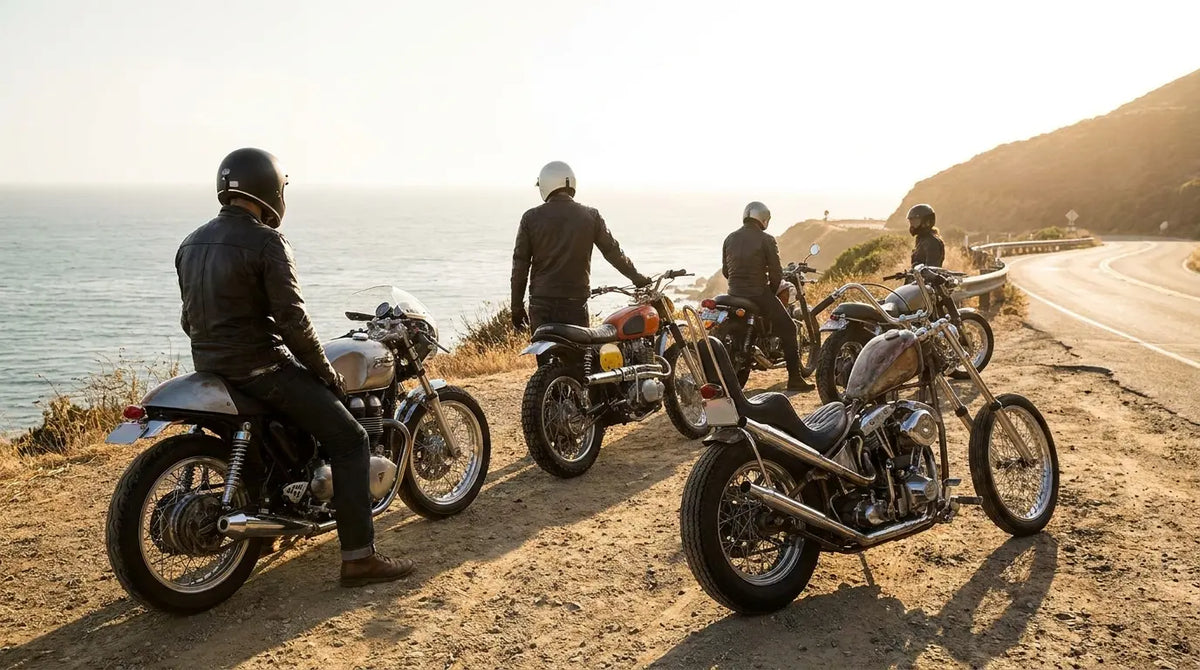
I'm tired of "best motorcycle" lists written by people who don't ride. You know the type: perfect grammar, zero opinions, bikes chosen by committee.
This isn't that.
These are bikes I'd actually buy, have bought, or know people who ride the hell out of them. Some cost $5,000. Some cost $20,000. All of them work.
I've organized them into three categories, but honestly, just scroll to what interests you. This is long. I have problems.
Machines Built to Take a Hit (and Keep Going)
My buddy Jason keeps his Ducati in his living room. Won't ride it in the rain. Won't park it on the street. I'm not sure he actually likes motorcycles. He likes the idea of motorcycles.
This section isn't for Jason.
These bikes are for dropping in gravel, picking up, and riding home. The first scratch hurts. The tenth one doesn't register.
Adventure and dual-sport motorcycles represent this philosophy better than any other category. Frame protection, suspension travel, and parts you can actually find when you're 200 miles from the nearest shop matter more than Instagram likes. Most people who get serious about this stuff eventually dive into adventure motorcycle riding as a lifestyle that demands durable equipment.
Here's what separates pretenders from proven performers:
Bike Model |
Engine Size |
Weight (lbs) |
Ground Clearance |
Suspension Travel |
Price Point |
|---|---|---|---|---|---|
Honda CRF300L Rally |
286cc |
346 |
10.7 inches |
10.2" front / 10.4" rear |
~$6,000 |
Yamaha Ténéré 700 |
689cc |
452 |
9.4 inches |
8.3" front / 7.9" rear |
~$10,500 |
KTM 890 Adventure R |
889cc |
463 |
9.8 inches |
9.4" front / 9.4" rear |
~$14,500 |
Royal Enfield Himalayan 450 |
452cc |
439 |
8.7 inches |
7.9" front / 7.1" rear |
~$5,800 |
Suzuki V-Strom 800DE |
776cc |
503 |
8.3 inches |
8.5" front / 8.3" rear |
~$11,000 |
BMW R 1300 GS |
1,300cc |
550 |
8.3 inches |
Adaptive (electronically adjustable) |
~$19,000+ |
Harley-Davidson Pan America 1250 |
1,252cc |
534 |
9.4 inches |
Semi-active (electronically adjustable) |
~$18,000 |
1. Honda CRF300L Rally
Twenty-seven horsepower. That's it. That's what you get from the 286cc single.
Sounds pathetic until you ride one. Then you realize Honda built this bike for people who actually ride trails, not people who pose in parking lots. It weighs 346 pounds wet. Light enough to pick up yourself after you drop it. And you will drop it, because that's what these bikes are for.
The rally fairing looks a bit silly at first, but after your first highway stretch between trail sections, you'll appreciate the wind protection. Ground clearance is 10.7 inches, which means you can hit stuff that would destroy a street bike.
Parts cost less than a single lunch. A clutch cable is $12. A throttle cable is $8. The steel frame shrugs off impacts that would crack fairings on sport bikes. I watched someone drop a CRF300L three times in one afternoon. They kept riding.
Honda dealers are everywhere. You can get parts in any town with a stoplight. Around $6,000 new.
2. Yamaha Ténéré 700
This is the one.
If I could only own one bike from this list, it'd be the Ténéré 700. Yamaha stripped away the electronic complexity plaguing modern adventure bikes and built it around a 689cc parallel-twin borrowed from the MT-07. The result delivers 72 hp, a 21-inch front wheel, and long-travel suspension that handles fire roads without flinching.
The tubular steel frame doubles as a crash structure. You're not babying this machine through technical sections. The minimalist cockpit includes only essential gauges, and the fuel tank holds 4.2 gallons for roughly 200 miles between fill-ups.
I used to think adventure bikes were pointless. "Just get a dirt bike," I'd say. Then I rode a Ténéré from Denver to Moab and back. I was wrong. Completely wrong.
The bike costs $10,500. The aftermarket is massive. Skid plates, crash bars, luggage racks, suspension upgrades. You can spend $5,000 turning it into a long-distance adventure machine. Most people do.
3. KTM 890 Adventure R
The 890 Adventure R will punish mistakes.
It's got 105 hp from an 889cc parallel-twin, aggressive WP XPLOR suspension with 9.4 inches of travel front and rear, and a 21/18-inch wheel combination that handles everything from sand to rock gardens. The R model includes cornering ABS and traction control that you can disable completely when conditions demand full control.
463 pounds. Not featherweight territory, but the weight distribution and 35.4-inch seat height give you leverage when things get technical. If you drop it on a trail, you're picking it up yourself. Can you deadlift 200 pounds? No? Get something lighter.
The 890 is for riders who find most adventure bikes too heavy for serious off-road work. It's not trying to be comfortable or refined. At $14,500, it undercuts the big European bikes while delivering more capability than most riders will ever use.
4. Royal Enfield Himalayan 450
I expected to hate this bike. British-Indian retro bike for $5,800? Sounded like garbage.
I was wrong.
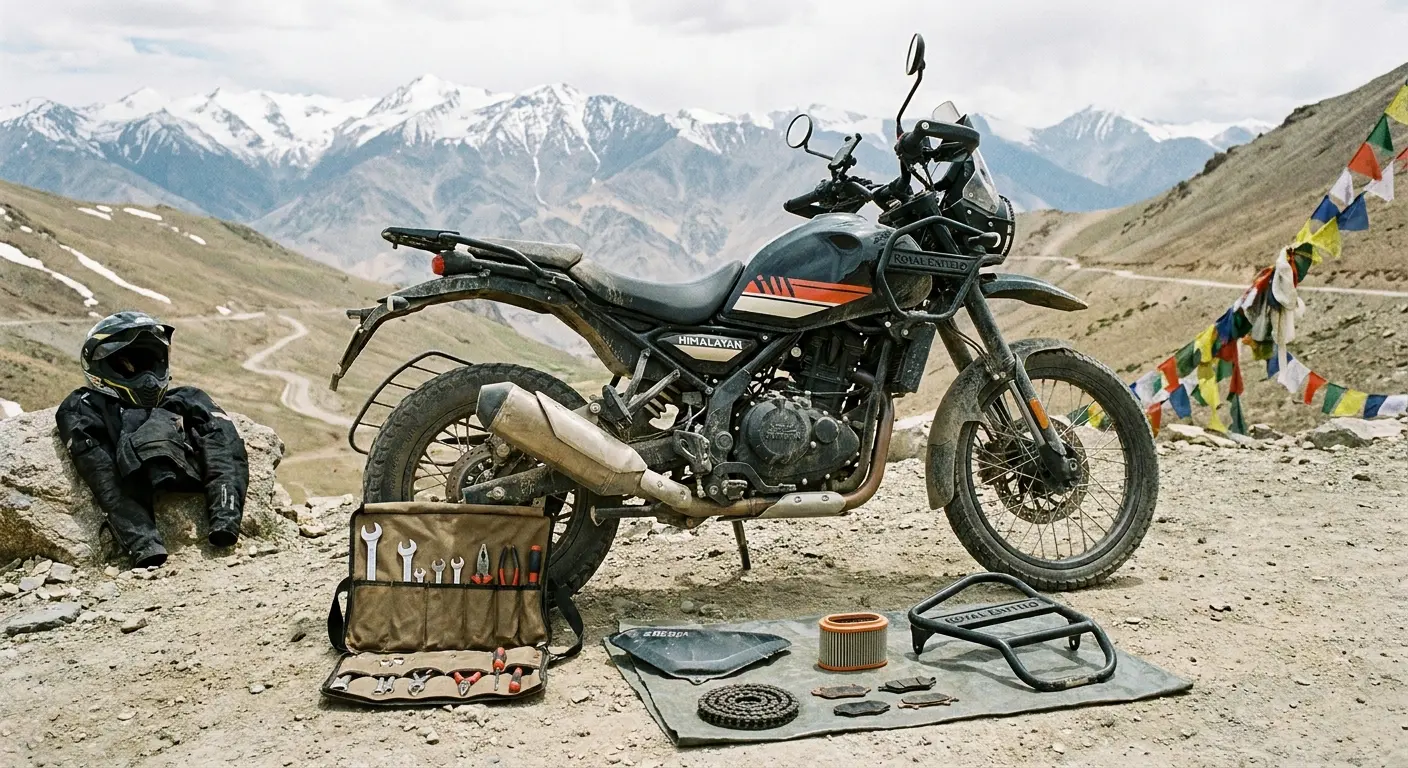
Royal Enfield rebuilt the Himalayan from scratch with a new 452cc single-cylinder engine and a laser focus on reliability over raw performance. The bike produces 39 hp, which sounds modest until you factor in the 439-pound curb weight and long-travel Showa suspension.
The appeal centers on a bike you can fix with basic tools in remote locations. The frame uses a simple cradle design, and the fuel injection system is straightforward enough for roadside troubleshooting. Does it match the refinement of European competitors? No. Will it get you through Mongolia on a budget that doesn't require a second mortgage? Absolutely.
Royal Enfield quality control is inconsistent. You might get a perfect bike. You might get one that leaks oil from day one. It's a gamble. That's part of the charm, I guess, if you're charitable.
5. Suzuki V-Strom 800DE
Suzuki's V-Strom 800DE replaces the aging 650 with a 776cc parallel-twin delivering 83 hp and significantly more torque. The DE (dual-sport edition) includes wire-spoked wheels, longer suspension travel, and a bash plate protecting the engine during off-road excursions.
The electronics package is simple. You get traction control and ABS, but the interface is intuitive rather than menu-driven. The seat height adjusts between 32.9 and 34.3 inches, accommodating shorter riders who've been shut out of the adventure category by bikes designed for basketball players.
$11,000. That undercuts most middleweight adventure bikes by several thousand dollars. That's money you can spend on tires, gas, and the gear you'll need for the trips this bike makes possible. The V-Strom is one of the few bikes here that's actually comfortable for passengers. Real seat, grab handles, reasonable footpeg position. You can take your partner on weekend trips without filing for divorce afterward.
6. BMW R 1300 GS
BMW's R 1300 GS costs as much as a decent used car, weighs as much as three dirt bikes, and comes with enough electronic rider aids to make you wonder if BMW's engineers have ever actually ridden a motorcycle or if they just sit in labs thinking up new ways to add computers to things that don't need computers.
But somehow, despite all that, it works.
The 1,300cc boxer engine produces 145 hp. The adaptive suspension, cornering ABS, and multiple riding modes adjust power delivery and electronic intervention based on conditions. The boxer engine's low center of gravity and chassis geometry give you confidence in technical situations that would overwhelm lesser machines.
The GS has cult status. BMW riders will nod at you. You're in the club. Is that worth $10,000 extra over a Ténéré? For some people, yes. The bike includes heated grips, cruise control, and a TFT display readable in direct sunlight. It's designed to handle everything from daily commuting to trans-continental expeditions without requiring a second machine.
At $19,000+, you're paying for the badge and the mythology. A Ténéré 700 does the same job for half the price. But the GS is objectively better at most things. You decide if "better" is worth double.
7. Harley-Davidson Pan America 1250
Harley guys will hate me for saying this, but the Pan America is the best bike Harley's made in 30 years. Everything else they build is nostalgia on two wheels. This is an actual motorcycle.
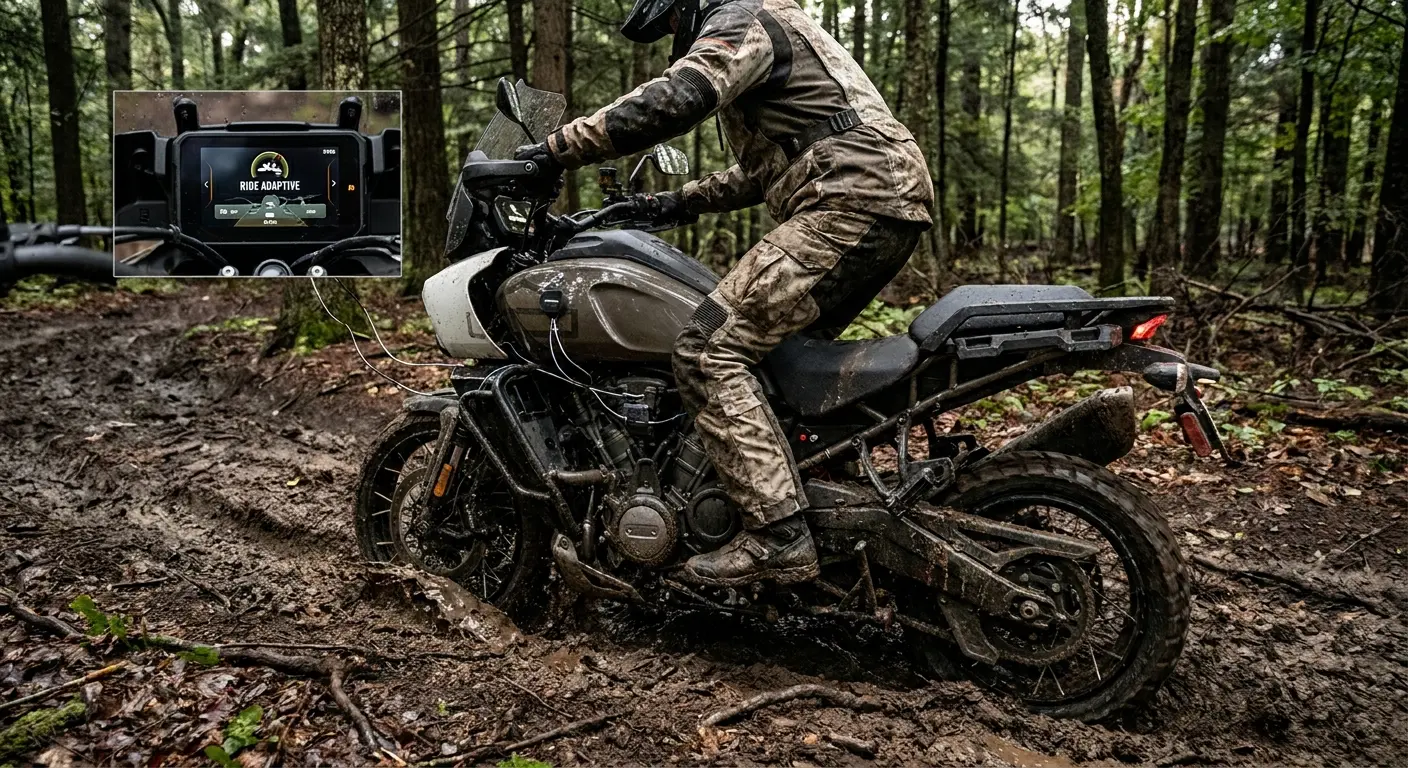
The 1,252cc V-twin produces 150 hp and 94 lb-ft of torque. The adaptive ride height automatically lowers the bike at stops and raises it at speed, addressing one of adventure riding's biggest challenges: managing a tall bike in parking lots. Semi-active suspension, cornering traction control, and a six-axis IMU that monitors the bike's position constantly.
534 pounds. Heavy. But the weight distribution and seat options make it more accessible than the specs suggest.
The Pan America costs $18,000. At 6% over 60 months, that's $350/month before insurance. Can you afford that? Be honest. A $6,000 CRF300L is $115/month. That's the real decision.
For riders who need reliable navigation and device mounting during long distance motorcycle riding, the Pan America's comprehensive electronics package makes sense. Your phone will die on long rides. Guaranteed. I keep a battery pack in my tank bag and use one of these magnetic mounts because everything else I tried rattled loose on rough roads.
Bikes That Disappear Into the Streets
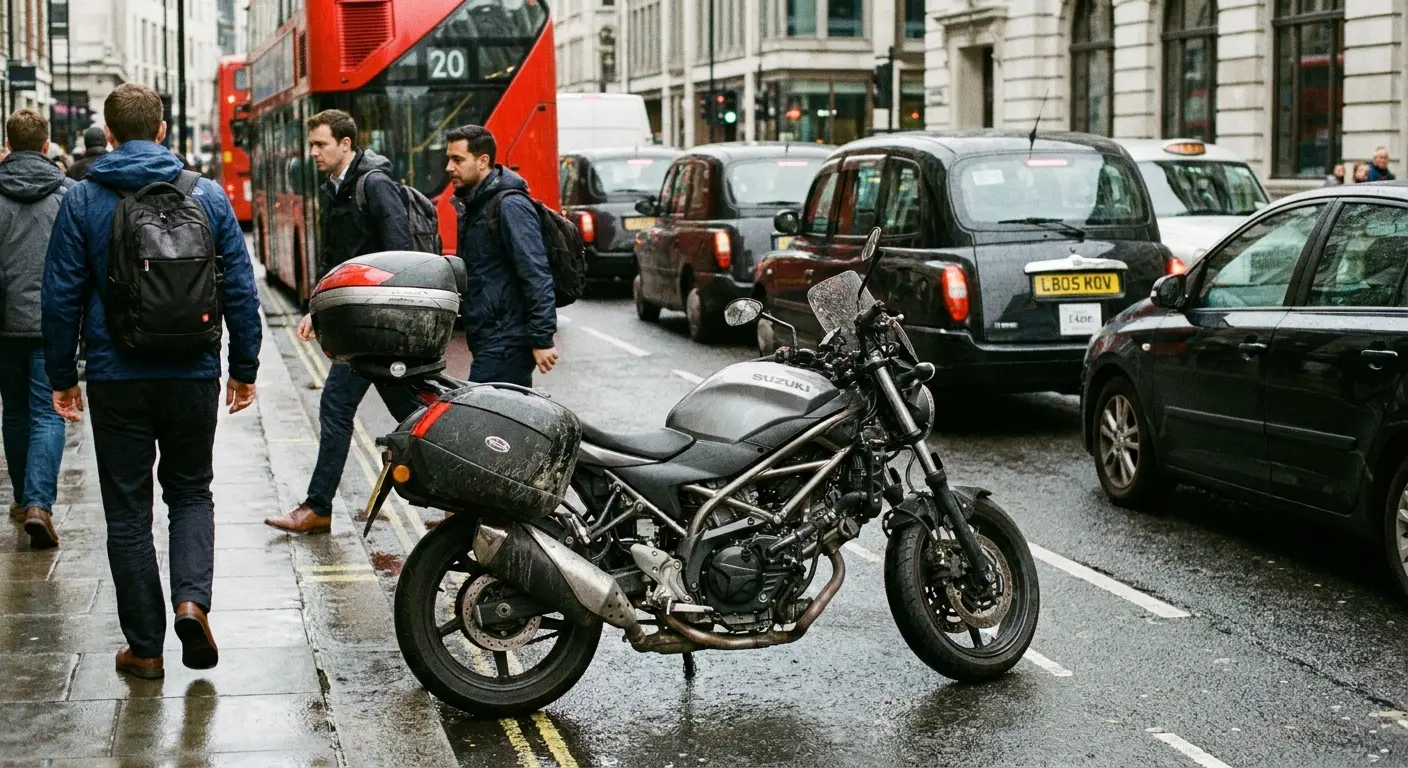
I rode the same SV650 for three years and 40,000 miles. Commuted on it daily. Took it on weekend trips. Rode it in rain, snow, and 100-degree heat.
You know how many times it left me stranded? Zero.
You know how many times I thought about it when I wasn't riding? Also zero.
That's the highest compliment I can give a motorcycle.
Street-focused machines excel at daily riding without demanding attention or constant wrenching. They start reliably, handle predictably, and cost less to maintain than your morning coffee habit. These bikes become invisible tools rather than statement pieces.
Commuters who rely on their bikes daily often explore the best apps for cyclists to track routes and stay connected during their rides.
Street Bike |
Engine |
Horsepower |
Wet Weight |
Seat Height |
Fuel Economy |
Starting Price |
|---|---|---|---|---|---|---|
Suzuki SV650 |
645cc V-twin |
75 hp |
432 lbs |
30.9 inches |
~50 mpg |
~$7,500 |
Kawasaki Z400 |
399cc parallel-twin |
45 hp |
366 lbs |
30.9 inches |
~58 mpg |
~$5,000 |
Yamaha MT-07 |
689cc parallel-twin |
74 hp |
403 lbs |
32.2 inches |
~56 mpg |
~$8,000 |
Honda CB500F |
471cc parallel-twin |
47 hp |
416 lbs |
30.9 inches |
~70 mpg |
~$6,800 |
KTM 390 Duke |
373cc single |
44 hp |
366 lbs |
32.7 inches |
~65 mpg |
~$5,800 |
Triumph Street Triple 765 |
765cc inline-triple |
116-128 hp |
366 lbs (dry) |
32.5 inches |
~47 mpg |
~$10,500+ |
8. Suzuki SV650
The SV650 has been around forever.
Why? Because Suzuki nailed it on the first try, and then had the good sense to leave it alone while other manufacturers kept "improving" bikes that didn't need improving. The 645cc V-twin makes 75 hp, which isn't impressive until you realize that's exactly enough power to have fun without getting yourself killed.
The frame is steel. Actual steel you can weld in your garage if you somehow manage to crack it, which you probably won't because it's overbuilt in the best possible way. The bike includes ABS, fuel injection, and nothing else. No traction control. No riding modes. No TFT display. Just a motorcycle.
Insurance costs less than premium sport bikes, fuel economy hovers around 50 mpg, and the riding position works for both commuting and weekend trips. Parts availability is excellent. The aftermarket support means you can modify or repair this bike indefinitely.
I've owned my SV650 for five years and 45,000 miles. It's needed a regulator/rectifier (they all fail around 30,000 miles, budget $200), two sets of tires, three chains, one set of brake pads, and routine oil changes. Total cost: maybe $1,500. It owes me nothing.
The SV650 is the bike you keep even after you buy others. It's the backup bike, the loaner bike, the "I don't care if it rains" bike. You'll never sell it.
9. Kawasaki Z400
The Z400 will teach you to ride smoothly because it doesn't have enough power to mask mistakes. You'll be a better rider after a year on one.
Kawasaki's Z400 targets riders who want a lightweight, nimble machine that doesn't require extensive experience to enjoy. The 399cc parallel-twin produces 45 hp, which is plenty for city riding and short highway stretches. The bike weighs 366 pounds wet, making it easy to maneuver in tight spaces and manageable for riders of all sizes.
The Z400 includes a slipper clutch that prevents rear-wheel hop during aggressive downshifts. Usually you only see that on bigger sport bikes. Keeps the rear wheel from hopping when you downshift like an idiot.
Under $5,000. The upright seating position and low seat height (30.9 inches) make it accessible without feeling cramped. You can ride this bike all day without your wrists screaming for mercy. The Z400 is nearly impossible to crash through rider error. The power is so manageable, the brakes so predictable, the handling so neutral. Perfect first bike.
You'll outgrow it in a year. That's fine. It's doing its job. Sell it, move up, don't feel bad.
10. Yamaha MT-07
The MT-07 is the best-selling middleweight naked bike for a reason. It's not the fastest (MT-09), not the cheapest (Z400), not the most refined (Street Triple). But it's the best balance of all those things.
Yamaha's MT-07 uses a 689cc parallel-twin that delivers 74 hp with a character that encourages spirited riding. The bike weighs 403 pounds and uses a steel frame designed for simplicity rather than exotic materials.
The engine pulls strongly from 3,000 rpm, making it ideal for urban riding where you're constantly accelerating from stops. You don't need to rev it to 10,000 rpm for usable power. The minimalist bodywork means fewer plastic panels to crack or replace, and the LCD display provides essential information without overwhelming you with data.
Around $8,000. Requires minimal maintenance beyond oil changes and tire replacements. I know riders who've put 50,000 miles on their MT-07s without major issues.
The MT-07's 3.7-gallon tank is the bike's biggest flaw. At 55 mpg, you're stopping for gas every 180 miles. On a long trip, it's annoying.
The passenger seat is a joke. It's a thin pad bolted to the subframe. Your passenger will hate you after 20 minutes. This is a solo bike.
11. Honda CB500F
The CB500F is perfectly adequate. It'll get you where you're going without drama or excitement. Some people want that. I'm not one of them, but I get it.
Honda's approach to building a practical motorcycle that doesn't sacrifice enjoyment. The 471cc parallel-twin produces 47 hp, and the bike achieves fuel economy in the 70 mpg range under normal riding conditions. That's 300+ miles per tank, which means you can ride all day without thinking about gas stations.
The steel frame and conventional suspension (non-adjustable) keep costs down without compromising handling. The riding position puts you upright enough for comfort but slightly forward for engagement.
The seat height is 30.9 inches, accommodating shorter riders who struggle with taller machines. Honda's build quality means this bike will run for tens of thousands of miles with basic maintenance. Parts are inexpensive and available globally.
$6,800. The CB500F requires oil changes every 8,000 miles, valve checks every 16,000 miles. That's it. You'll spend maybe $300/year on maintenance if you ride 10,000 miles.
Riders seeking the best first motorcycle often gravitate toward the CB500F for its forgiving power delivery and manageable ergonomics.
12. KTM 390 Duke
KTM's orange is polarizing. You either love it or hate it. There's no in-between. I love it.
The 390 Duke packs a 373cc single-cylinder engine producing 44 hp into a chassis that weighs just 366 pounds. The bike includes a TFT display, ride-by-wire throttle, and cornering ABS. Features typically found on machines costing twice as much.
The aggressive styling and orange color scheme make this stand out visually, but the real appeal is the handling. The 390 Duke changes direction quickly and rewards aggressive riding without punishing mistakes. The seat height is 32.7 inches, and the narrow profile makes it easy to filter through traffic.
$5,800. Priced competitively with Japanese competitors while offering more technology and sharper handling.
I sold my KTM 390 Duke after 8,000 miles. Too many little problems. Nothing major, just death by a thousand cuts. Sensor failures, electrical glitches, loose fasteners. Some people love them. I wasn't one of them.
The 390 Duke has a reputation for electrical gremlins. Sensors fail. The TFT display glitches. It's annoying but rarely leaves you stranded. Still, if you want zero problems, buy the Yamaha.
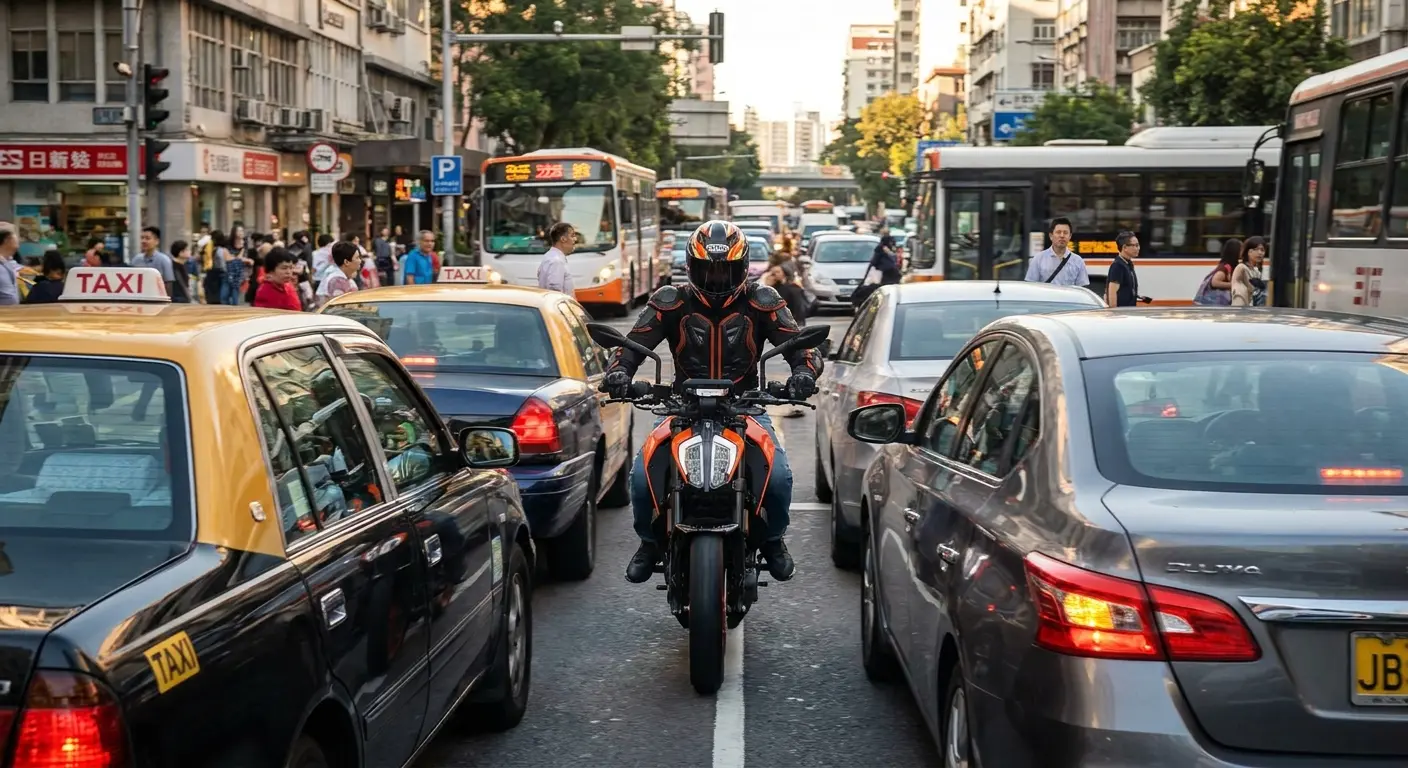
13. Triumph Street Triple 765
Triumph's Street Triple 765 uses a 765cc inline-triple engine that produces between 116 and 128 hp depending on the model. The triple-cylinder configuration delivers a unique sound and power delivery that's smoother than a parallel-twin but more characterful than an inline-four.
The bike weighs 366 pounds dry and uses a twin-spar aluminum frame designed for precision. You can ride it gently in traffic or push hard on back roads without feeling you've reached the bike's limits.
The electronics package includes multiple riding modes, traction control, and a quickshifter on higher trims. The Street Triple costs more than budget-focused competitors, but the refinement and build quality justify the premium.
The Street Triple 765 is deceptively fast. The power delivery is smooth enough that you don't realize you're doing 90 mph until you look down. Respect it.
The slightly forward lean is perfect for spirited riding but gets uncomfortable after two hours. It's a bike for short, aggressive rides, not touring.
Enthusiasts who document their rides often rely on motorcycle phone mounts to capture footage without compromising safety or bike control.
Two-Wheelers That Rewrite the Rulebook
These bikes don't fit anywhere. They're not adventure bikes, not sport bikes, not cruisers. They're something else, and that's the entire appeal.
Some motorcycles refuse to fit neatly into established categories, and that's precisely what makes them interesting. These machines challenge conventional thinking by combining elements from different genres or using technology that most manufacturers avoid.
Riders who embrace non-traditional machines often explore the best motorcycle accessories to enhance functionality without compromising their bike's distinctive character.
14. Zero SR/F
Electric motorcycles are the future, and if you disagree, you're on the wrong side of history. The Zero SR/F proves it. Yeah, it's expensive. Yeah, range is limited. In ten years, we'll look back at gas bikes the way we look at carburetors now.
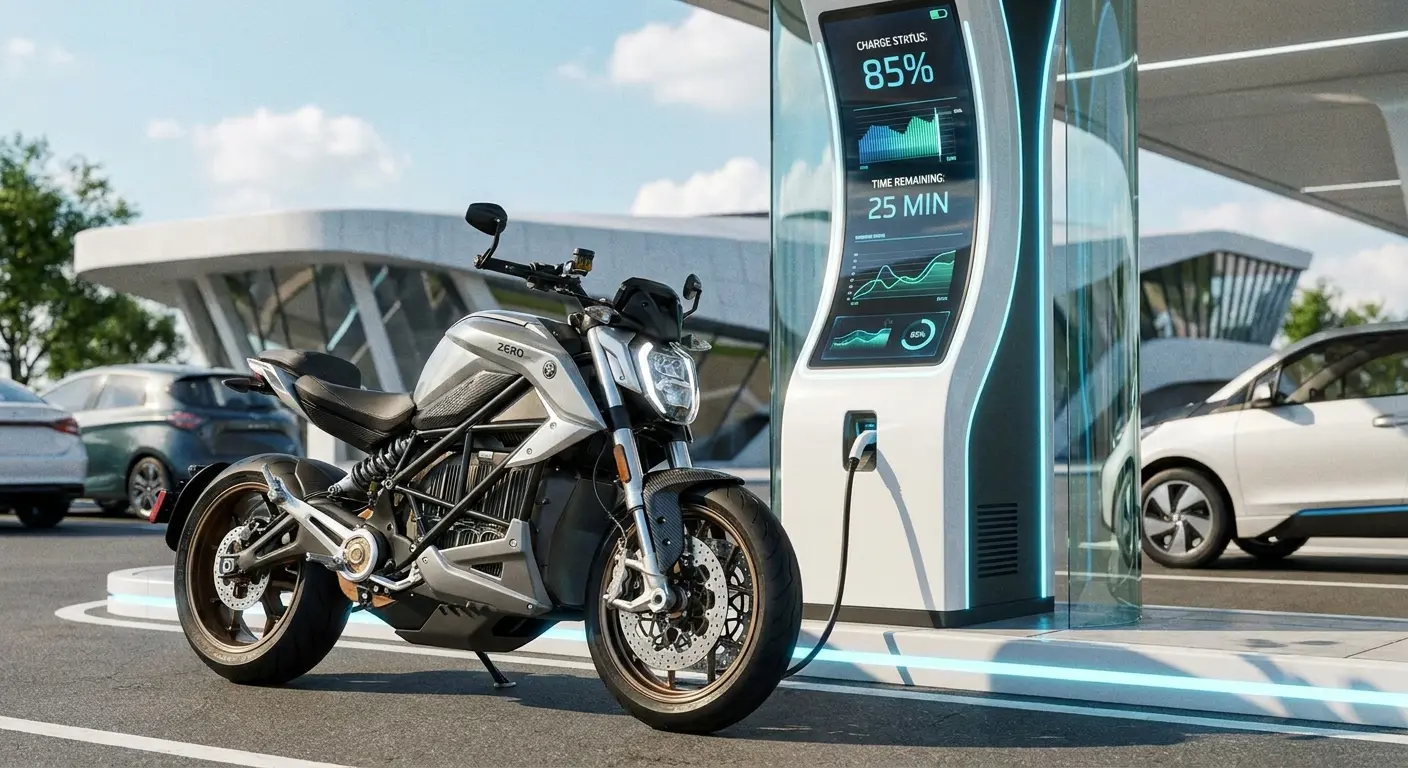
Zero's SR/F uses a 110 hp motor and a 14.4 kWh battery pack. The bike achieves roughly 100 miles of range in mixed riding, less if you're aggressive, more if you're conservative.
The complete rethinking of what a motorcycle can be. You get instant torque from zero rpm, no clutch or shifting to manage, and maintenance limited to brake pads and tires. The SR/F includes a full-color TFT display, multiple riding modes, and the ability to charge at Level 2 EV stations.
$19,000. Expensive compared to gas-powered alternatives. But electricity is cheap. Three bucks to "fill up" versus $15 for gas. If you ride 10,000 miles/year, you save $600/year on fuel. You'll break even in... never, because the battery will need replacing first.
The Zero SR/F's battery will degrade. After 100,000 miles, you'll have maybe 70% of original capacity. Replacement battery? $7,000. Nobody talks about this.
The Zero SR/F is silent except for a faint electric whine. It's weird at first. You'll either love the stealth or miss the noise. No middle ground.
Range anxiety is real. The Zero SR/F is awkward on group rides. You need to charge every 100 miles. Everyone else gets gas in five minutes. You're sitting at a charging station for an hour. It changes the dynamic.
15. Ducati Scrambler Desert Sled
Ducati's Scrambler Desert Sled takes the retro-styled Scrambler platform and adds genuine off-road capability. The 803cc L-twin engine produces 73 hp, and the bike includes longer suspension travel, a higher front fender, and wire-spoked wheels.
The Desert Sled isn't trying to be a hardcore adventure bike. It's offering style and weekend trail capability in a package that works for urban riding during the week. The exhaust note is distinctly Ducati. The L-twin sounds incredible. Angry, mechanical, distinctive. You'll recognize it from three blocks away.
$12,000. Costs more than Japanese competitors with similar specs, but you're paying for design and character rather than just performance numbers. You're paying $3,000 for the badge. Is it worth it? Depends if you care about badges.
I want to love the Scrambler. I really do. It looks fantastic in photos. But every time I ride one, I'm reminded that it's not actually great at anything specific. It's a style choice, not a functional one.
The Scrambler Desert Sled looks great but it's not a bike you want to leave outside. The chrome will rust, the leather seat will crack, the paint will fade. Garage or covered parking mandatory.
Riders who tackle mixed terrain benefit from understanding motorcycle maintenance to keep their machines reliable across different riding conditions.
16. Moto Guzzi V7 Stone
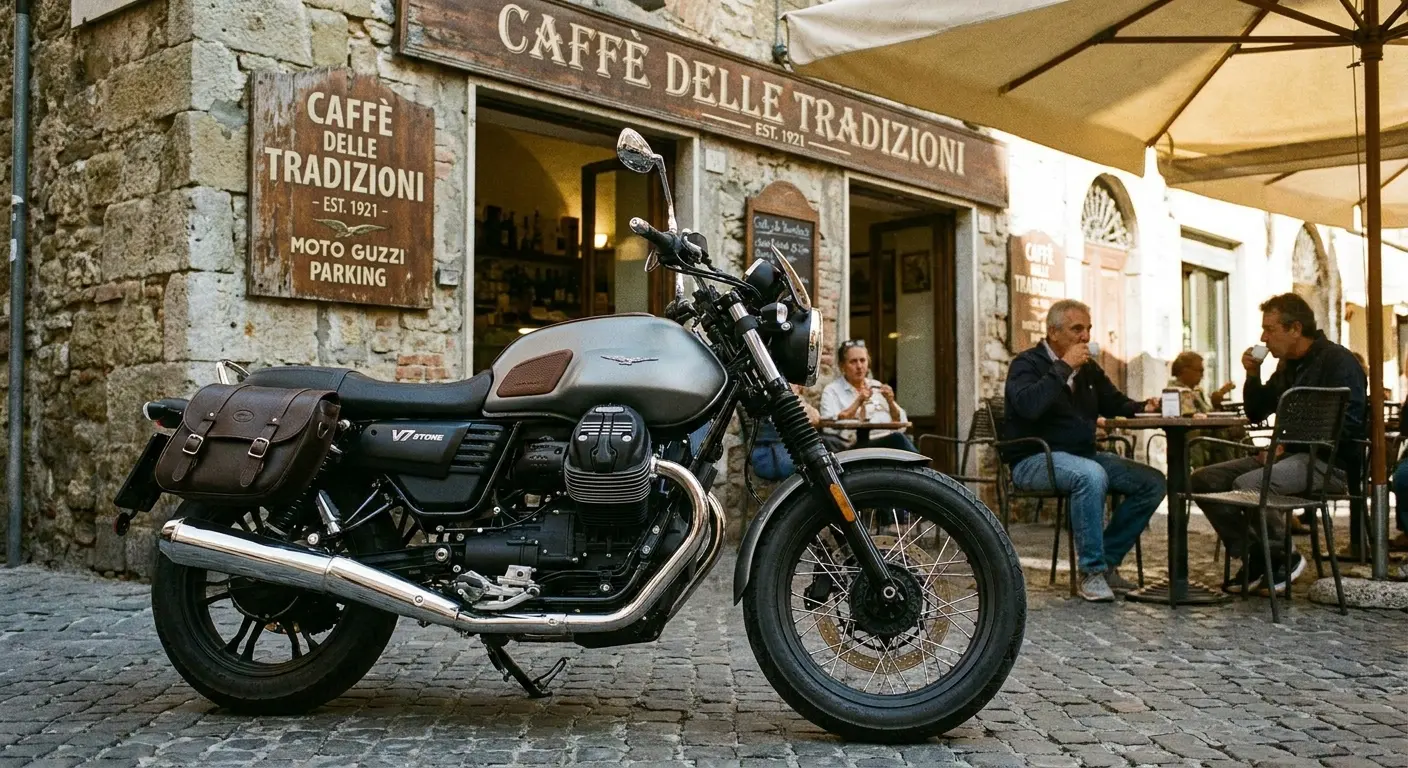
Moto Guzzi's V7 Stone uses an 853cc transverse V-twin engine that produces 65 hp and defines the bike's character. The longitudinal crankshaft orientation creates a unique feel when you open the throttle, and the shaft drive eliminates chain maintenance entirely.
The V7 Stone includes minimal bodywork, a round headlight, and classic styling that references Guzzi's decades of motorcycle manufacturing. The deliberate rejection of modern performance metrics.
You're not buying this bike to set lap times or achieve maximum horsepower. You're buying it because the engine's character, the build quality, and the styling resonate with you. The bike weighs 472 pounds and handles predictably without feeling sporty.
$9,000. Priced competitively with retro-styled competitors while offering Italian heritage and distinctive engineering.
The Moto Guzzi V7 Stone comes in several colors, but get the black one. Everything else looks wrong on this bike.
17. Husqvarna Svartpilen 401
Husqvarna's Svartpilen 401 shares its 373cc single-cylinder engine with the KTM 390 Duke but wraps it in minimalist bodywork that references flat-track racing. The bike produces 44 hp and weighs 366 pounds, making it nimble in urban environments.
The Svartpilen (Swedish for "black arrow") includes low, flat handlebars, a single-piece seat, and blacked-out components that create a cohesive visual statement. You're more committed forward, and the bike feels more aggressive despite identical mechanical components to its KTM cousin.
$6,300. Slightly more than the Duke, but the distinctive appearance and Husqvarna badge appeal to riders who want something less common on the streets.
The Svartpilen is narrow enough to fit in a storage unit with room for gear. If you're tight on space, size matters.
18. Kawasaki W800
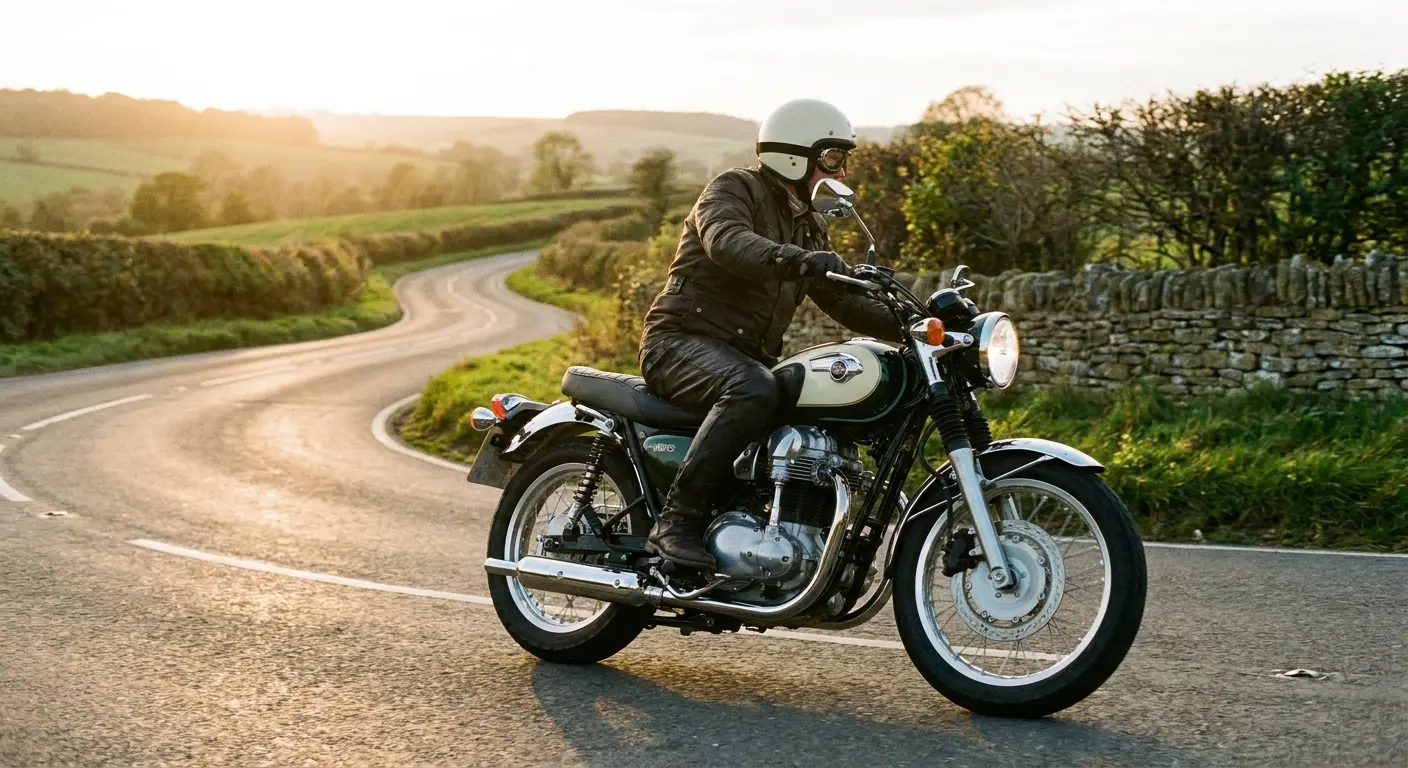
Kawasaki's W800 uses a 773cc parallel-twin engine designed to mimic the feel of British twins from the 1960s. The bike produces 48 hp with a torque curve that peaks at just 6,250 rpm, encouraging relaxed riding rather than high-rev performance.
The W800 includes wire-spoked wheels, a teardrop fuel tank, and chrome accents that reference classic motorcycles without feeling like a costume. The commitment to simplicity. You get fuel injection for reliability, ABS for safety, and nothing else.
The riding position is upright and comfortable, the seat height is 31.1 inches, and the bike weighs 502 pounds.
$9,500. Costs more than functionally similar machines, but you're paying for styling and character that appeals to a specific rider mindset.
The W800 sells better in Japan and the UK than in the US. Americans want more power. I get it, but they're missing the point.
Enthusiasts of retro-styled machines often appreciate motorcycle riding tips that emphasize technique and enjoyment over pure speed.
19. Triumph Scrambler 900
Triumph's Scrambler 900 uses an 865cc parallel-twin engine that produces 64 hp and wraps it in styling that references off-road racing from the 1960s. The bike includes a high front fender, fork gaiters, and a two-into-two exhaust system that creates a distinctive sound.
The Scrambler isn't designed for serious off-road work despite its appearance. It's offering style and light trail capability for riders who want something that stands out visually. The riding position is upright and comfortable for all-day rides, and the bike handles paved roads confidently.
476 pounds. $10,500. Priced competitively with other retro-styled machines while offering Triumph's build quality and dealer network. I also rounded up the best bobber bikes for anyone drawn to that stripped-down look.
The Scrambler appeals to riders who prioritize aesthetics and weekend adventure capability over pure performance numbers. As a second bike for weekend rides? Perfect. If you can only have one bike, don't buy the Scrambler.
Before You Buy Anything
Real talk: Most people who buy motorcycles stop riding within two years. The bike sits in the garage, depreciating, making you feel guilty.
Why? Because riding is harder than it looks. It's uncomfortable. It's dangerous. It's weather-dependent. It's expensive. It's inconvenient.
If you're not absolutely sure you'll ride 3,000+ miles per year, don't buy a motorcycle. Rent one occasionally. Borrow a friend's. But don't spend $10,000 on something you'll use twice.
Still here? Good. You're probably serious.
I've missed family events because I was riding. I've skipped work to ride. I've spent money on bikes that should've gone to retirement. This is an addiction, not a hobby. Be honest with yourself and your partner.
Too Many Choices? Here's the Shortcut
Budget under $6,000, first bike: Honda CB500F or Kawasaki Z400
Want adventure, don't care about money: Yamaha Ténéré 700
Want adventure, care about money: Royal Enfield Himalayan 450
City commuter only: Suzuki SV650 or Yamaha MT-07
Want to look cool: Ducati Scrambler (but you'll pay for it)
Want the future: Zero SR/F (but you'll pay for that too)
Can't decide: SV650. It's always the answer.
The Point
You'll notice something about this list: most of these bikes are cheap. The expensive ones earn their price through capability, not prestige.
That's intentional.
The coolest bike is the one you actually ride, not the one sitting in your garage because you're afraid to scratch it. These machines get better with use rather than worse. They're designed for riders who actually ride instead of just polish.
Pick something from this list. Ride it until it's dirty. Stop worrying about resale value.
That's what these bikes are for.

