


Look, I've broken three phones myself, so I'm not judging. But I am saying there's a better way than spending $300 every time you drop your phone.
You're probably reading this with a cracked screen right now. Maybe it happened this morning. Maybe it's been three weeks and you've been living with the spiderweb because you're dreading the cost.
Here's what I wish someone had told me before I spent $800 on repairs over two years: You're asking the wrong question.
"How much will this cost?" isn't the question. The question is "Why do I keep breaking these things?"
Why Nobody's Talking About the Real Problem
The phone repair industry is worth $4 billion in the US alone. The U.S. smartphone repair market was valued at $3.88 billion in 2020 and is projected to reach $8.37 billion by 2030, growing at a CAGR of 9.1%. That should tell you something about how often we're breaking our phones.
Every cracked screen represents a failure point that could've been prevented. But we treat phone repair like it's just part of owning a smartphone. It's not.
Modern smartphone design has made a calculated trade-off. Manufacturers chose visual elegance and thinness over structural integrity, then created an entire ecosystem to profit from the consequences. Glass backs that shatter on impact. Aluminum frames that dent and bend. Camera arrays that stick out vulnerably from the body.
Why Repair Shops Want You Back
Repair shops need you to break your phone again. That's not cynical. It's just business. They fix your screen today and hope you're back in six months with a cracked camera lens.
Ever notice they never ask what case you're using? Never suggest better protection? They're not in the prevention business. They're in the repeat-customer business.
Repair Industry Reality |
Prevention Industry Reality |
|---|---|
Profits from recurring damage |
Profits from one-time purchase |
Incentivized by device fragility |
Incentivized by product longevity |
Reactive service model |
Proactive protection model |
Customer returns = revenue growth |
Customer satisfaction = referrals |
Limited warranty on repairs |
Lifetime protection value |
Fixes symptoms |
Addresses root cause |
What One Drop Actually Costs You
Screen replacement runs $150 to $400 depending on your model. Back glass repair? Add another $100 to $350.
But these numbers only capture the transaction, not the total impact.
You'll lose half a day minimum dealing with the phone repair process. Drop your phone off, wait for the diagnosis, approve the quote, return for pickup (if they even had the parts in stock). Factor in the backup and restore process if they needed to wipe your device. Add the anxiety of wondering whether they'll fix it properly or if you'll notice new issues later.
Data loss is the hidden cost nobody prices in. Sure, you've got cloud backups (probably), but what about the photos from last night that haven't synced yet? The notes app draft you were working on? The two-factor authentication codes you need to access your accounts?
One drop can cascade into dozens of small inconveniences that compound over weeks.
Sarah shot weddings. Past tense, because after her iPhone 14 Pro died mid-ceremony (shattered screen, unreliable camera app), the bride left a one-star review that tanked her bookings. The $329 repair was the cheap part. She lost two days of work waiting for the phone repair and missed capturing a client's rehearsal dinner because she couldn't trust her backup camera phone's quality. The actual cost: $329 repair + $800 lost client work + damaged professional reputation. Total impact: over $1,100 from a three-foot drop onto a carpeted hotel floor.

Your Phone Just Lost Half Its Value
Your repair guy won't mention this: visible damage tanks your phone's resale value by 30-50% instantly.
You might spend $300 fixing a cracked screen, but you've already lost $200-$400 in future trade-in value the moment that crack appeared. Even professionally repaired phones carry the stigma of prior damage, and buyers know it.
Recurring repairs create a financial trap. You've already invested $300 in fixing the screen, so when the charging port fails six months later, you feel compelled to invest another $120 rather than "wasting" that initial phone repair cost. The sunk cost fallacy keeps you pouring money into a depreciating asset that's fundamentally vulnerable.
Most Breaks Happen From Waist Height
We've analyzed thousands of phone repair cases, and the data contradicts what most people assume about phone damage.
Most people think catastrophic drops cause most breaks.
Wrong.
The Brutal Physics of Everyday Drops
Seventy percent of screen cracks occur from drops between 2-4 feet. That's waist height or table height, not the dramatic "fell out of my pocket on a ladder" scenarios people imagine. Your phone is most vulnerable during the mundane moments: pulling it from your pocket, setting it on a counter, reaching across a table.
Here's the brutal physics: a 6-ounce phone falling three feet generates roughly 30 pounds of force on impact.
Modern Gorilla Glass can withstand significant pressure when force is evenly distributed, but a corner impact concentrates that entire force on a tiny surface area. The glass doesn't stand a chance.
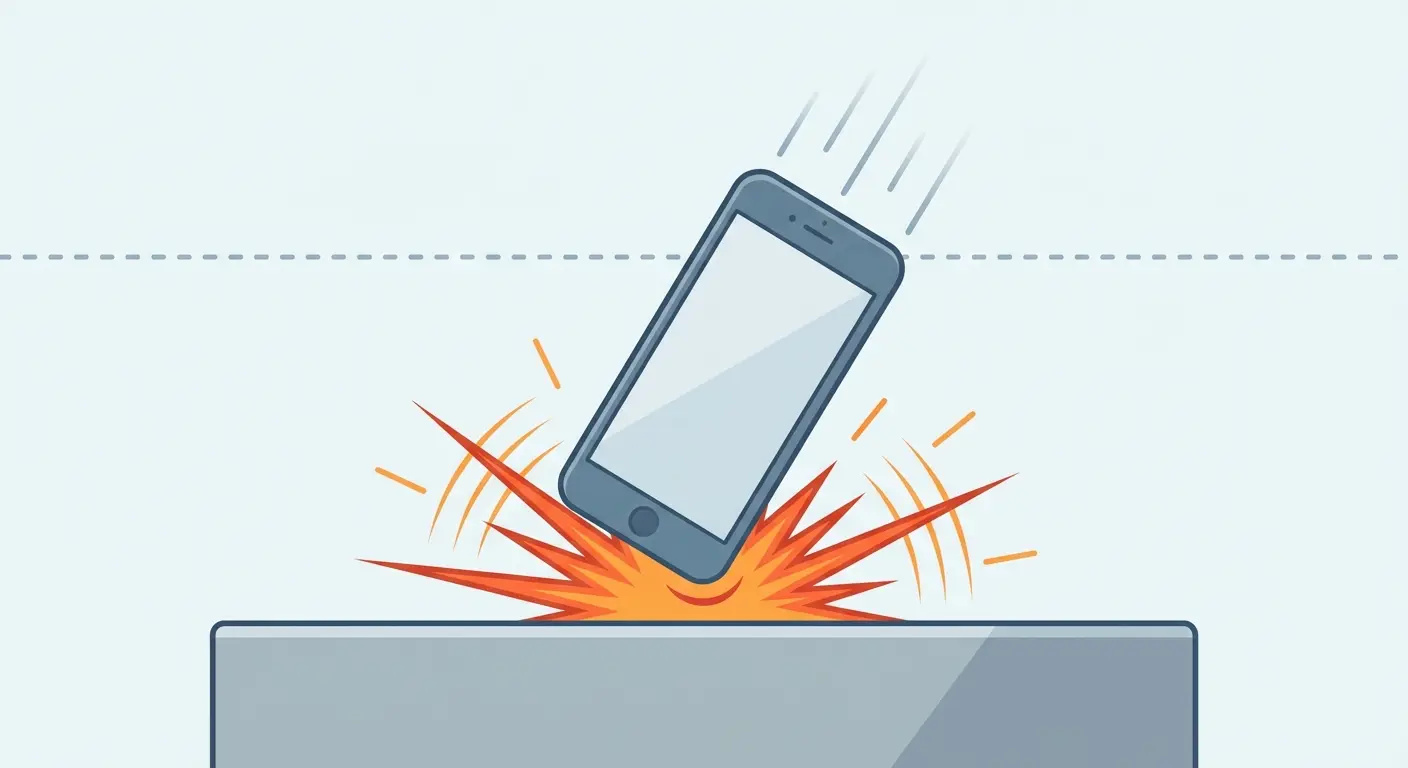
Repeated minor impacts weaken structural integrity before the visible break occurs. That first crack isn't usually the first drop. Your phone has been absorbing micro-fractures and stress points for weeks or months, and what looks like a sudden failure is cumulative damage reaching its threshold.
My buddy Mike works construction. Sets his phone down on concrete fifty times a day, never thought twice about it. Four months in, puts it on a wooden desk (a two-foot drop) and the whole screen shatters. Repair guy told him the glass had been taking tiny hits for months. $280 to fix damage that looked like it came from nowhere.
Understanding how phone cases protect your phone at the microscopic level reveals why prevention beats phone repair every time. The right protection doesn't just guard against dramatic falls. It absorbs those daily micro-impacts that accumulate into catastrophic failure.
Sand in Your Pocket Is Killing Your Screen
Repair technicians see this constantly but rarely explain it: micro-scratches from pocket debris (sand, dirt, keys, lint) create weak points in the glass surface. These microscopic imperfections become crack initiation sites.
You're not just protecting against drops. You're protecting against the gradual degradation that happens while your phone sits in your pocket next to your keys.
Screen replacement dominates the repair market, accounting for 42% of total repairs, a figure driven primarily by accidental drops and the inherent fragility of modern display technology. This isn't just about catastrophic accidents. It's about the cumulative effect of everyday handling, pocket debris, and the structural compromises manufacturers make in pursuit of edge-to-edge aesthetics.
Glass Backs Look Great, Break Easy
Smartphone manufacturers face competing pressures that work against durability.
Consumers demand bigger screens in smaller bodies, better cameras in thinner profiles, premium materials that feel expensive. Each of these demands introduces new vulnerability points.
Why Your Phone Has Twice the Fragile Surface Area
Modern flagship phones use glass on both front and back, creating twice the fragile surface area of older designs. Why? Wireless charging requires non-metallic backs, and glass feels more premium than plastic.
You're paying $1,200 for a device that's fundamentally more breakable than the $400 phone from five years ago, and somehow we've convinced ourselves this is progress.
Camera bumps have become structural liabilities. That protruding array that captures stunning photos? It means your phone can't lay flat anymore, and it creates an uneven impact point when dropped. The camera glass is often the first casualty in a fall, and replacing it costs $150-$250 depending on the model.
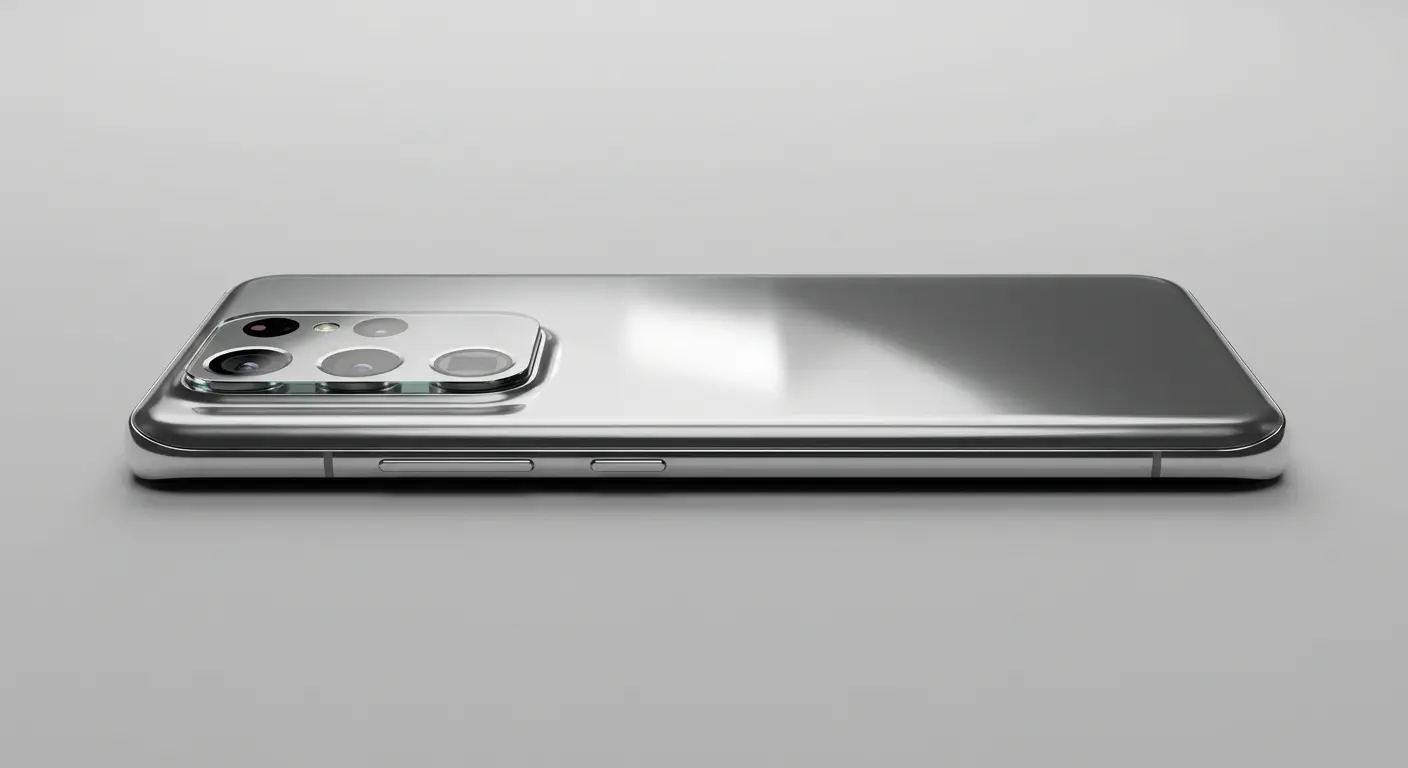
Thinner bezels mean less protective buffer around the screen. Edge-to-edge displays look gorgeous in marketing photos but provide zero impact absorption. Older phones with substantial bezels could take a corner impact without touching the screen. Current designs have eliminated that safety margin entirely.
Design Element |
Aesthetic Benefit |
Durability Cost |
Repair Frequency Impact |
|---|---|---|---|
Glass back panel |
Premium feel, wireless charging |
2x fragile surface area |
+65% back glass repairs |
Protruding camera array |
Better optics, larger sensors |
Uneven impact point, exposed lens |
+40% camera damage |
Edge-to-edge display |
Immersive viewing, modern look |
Zero bezel protection |
+55% screen edge cracks |
Thinner profile (< 8mm) |
Sleek appearance, lighter weight |
Reduced structural rigidity |
+30% frame bending |
Aluminum/glass construction |
Premium materials perception |
Higher brittleness vs. plastic |
+45% overall damage rate |
Phones Are Getting Harder to Fix (On Purpose)
Manufacturers have made phones harder to repair over the past decade. Glued components, proprietary screws, serialized parts that won't function if replaced, and deliberately obscure phone repair procedures all serve to funnel you toward official (expensive) repair channels or push you toward replacement.
Right to repair legislation is gaining traction, but we're years behind where we should be. Apple's self-repair program sounds good until you realize the rental toolkit costs $49 and weighs 79 pounds. They're technically offering repair access while making it practically inaccessible for most users.
The repair industry continues to evolve with new technology. TBK recently launched the TBK-958ZE UV Laser Screen Disassembly Machine, a system that can separate broken LCD screens in approximately 2 minutes and remove back glass in 4-8 minutes. While this technology makes repairs faster for professional shops, it also shows how complex modern phone construction has become. You need specialized laser equipment just to safely disassemble devices that were once held together with simple screws.
The Real Math on Protection
Most people think about phone protection backwards. They calculate: "This case costs $60, but I've never cracked a screen before, so I probably don't need it."
Then they crack their screen and pay $300 for phone repair while wishing they'd bought the case.
Do the Math
A quality protective case costs roughly what you'd pay for one screen repair. But it doesn't just prevent one drop. It prevents every drop over the life of your device.
If you keep your phone for three years (the average ownership period), you're protecting against potentially dozens of damage events.
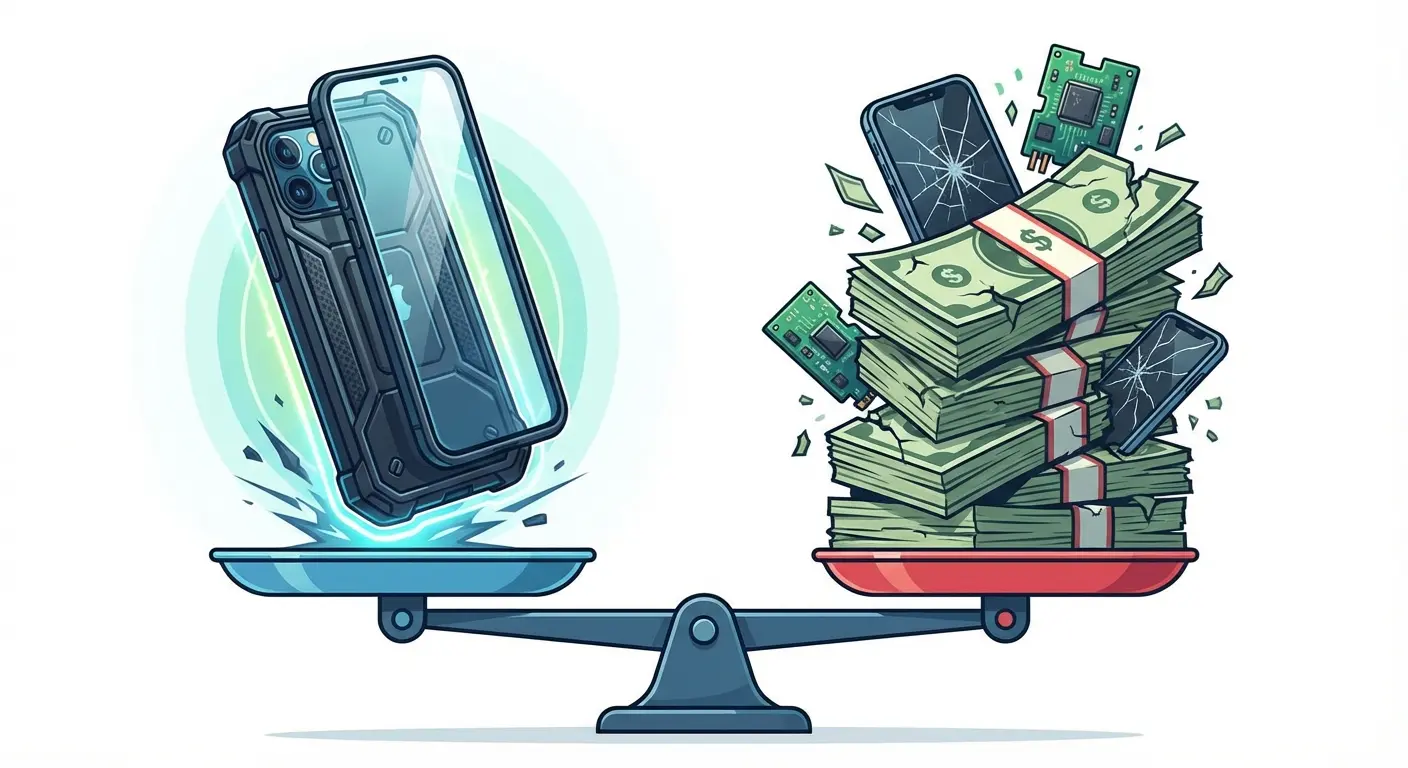
Do the math: $60 for protection versus $150-$400 per phone repair incident. You only need to prevent a single phone repair to break even, and everything after that is pure value.
Yet somehow we've normalized spending hundreds on phone repair while considering protection an optional luxury.
Before your next repair visit, explore the best cell phone case drop protection options that make phone repair obsolete. The difference between adequate protection and superior protection often comes down to engineering philosophy: whether a case is designed to look protective or engineered to be protective.
Phone Insurance Is a Scam
Phone insurance sounds like smart protection until you examine the terms. You're paying $10-$15 monthly ($120-$180 annually) for coverage that still requires a $99-$250 deductible per claim and only covers 2-3 incidents per year.
Over a two-year period, you'll pay $240-$360 in premiums plus deductibles, often totaling more than the repair costs themselves.
Insurance companies aren't charities. They've calculated the math and priced policies to ensure they profit. You're betting that you'll damage your phone more than average, while they're betting you won't. The house usually wins.
Third-party repair services now handle over 60% of all smartphone repairs, offering on-demand, mobile, and cost-effective solutions that undercut both manufacturer-authorized centers and insurance programs. This shift reflects consumers' growing awareness that insurance premiums plus deductibles often exceed the cost of direct repair, especially when third-party providers charge 30-50% less than authorized service centers for identical repairs.
Jessica paid $12 monthly ($144 annually) for phone insurance through her carrier. When she cracked her iPhone 13 screen after 8 months, she filed a claim and paid a $149 deductible. Total cost for one repair: $96 in premiums + $149 deductible = $245. A local repair shop quoted $179 for the same repair with no deductible, and a $55 Rokform case would have prevented the damage entirely. Over two years, she paid $288 in premiums for coverage she used once, spending $437 total when prevention would have cost a fraction of that amount.
Military-Grade Protection That Actually Works
Rokform cases meet military drop test standards (MIL-STD-810G-516.6). They've survived 26 drops from 4 feet onto concrete. Not marketing drops onto soft surfaces. Concrete, at angles that target the most vulnerable impact points.
The secret is in the multi-layer construction. A polycarbonate shell provides structural rigidity and impact dispersion. TPU (thermoplastic polyurethane) inner layer absorbs shock and prevents the case from transferring impact force to your phone. Raised bezels around the screen and camera create a protective buffer so these vulnerable areas never contact surfaces even when dropped face-down.
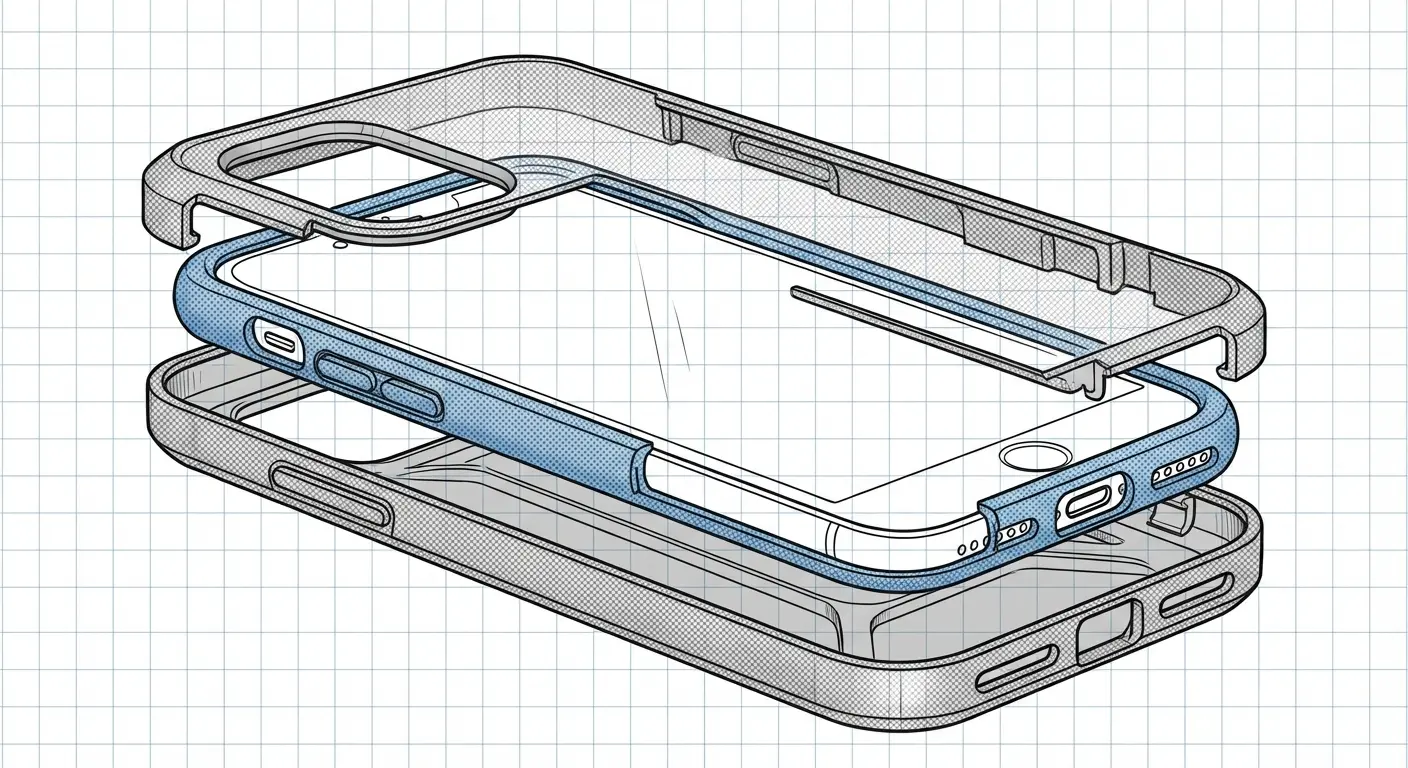
The magnetic mounting system (RokLock) does double duty. Yes, it provides the strongest magnetic phone mount available, but it also adds a metal plate that reinforces the phone's back, distributing impact force across a larger area.
You're getting protection and functionality in a single integrated system.
What makes Rokform the #1 choice for serious phone protection comes down to engineering integrity. While other manufacturers design cases to pass basic drop tests, Rokform engineers for real-world chaos. Construction workers who drop their phones onto rebar. Motorcycle riders who've had phones fly off at 60 mph. Rock climbers whose phones tumble down cliff faces. These aren't hypothetical scenarios. They're actual customer stories where Rokform cases performed flawlessly.
Cases Should Get Damaged So Your Phone Doesn't
Customers tell us about phones dropped from second-story balconies, off motorcycles at highway speeds, into rocky rivers, and off boat decks onto concrete docks. The cases show scuffs and scratches (they're absorbing the damage so your phone doesn't have to), but the phones inside remain pristine.
That's the point everyone misses: a case should get damaged. If it looks perfect after a serious drop, it didn't absorb the impact. Your phone did.
Rokform cases are sacrificial armor, designed to take the beating so your device doesn't.
Protection Without the Bulk
Most protective cases make your phone bulky, awkward, or ugly. Rokform cases maintain a slim profile (adding only 2-3mm of thickness) while delivering military-grade impact resistance.
You're not choosing between protection and usability. You're getting both.
The magnetic mount integration means you're also eliminating one of the most common damage scenarios: fumbling with your phone while driving. Your device stays securely mounted and accessible, reducing the temptation to hold it while navigating or take your eyes off the road to find it.
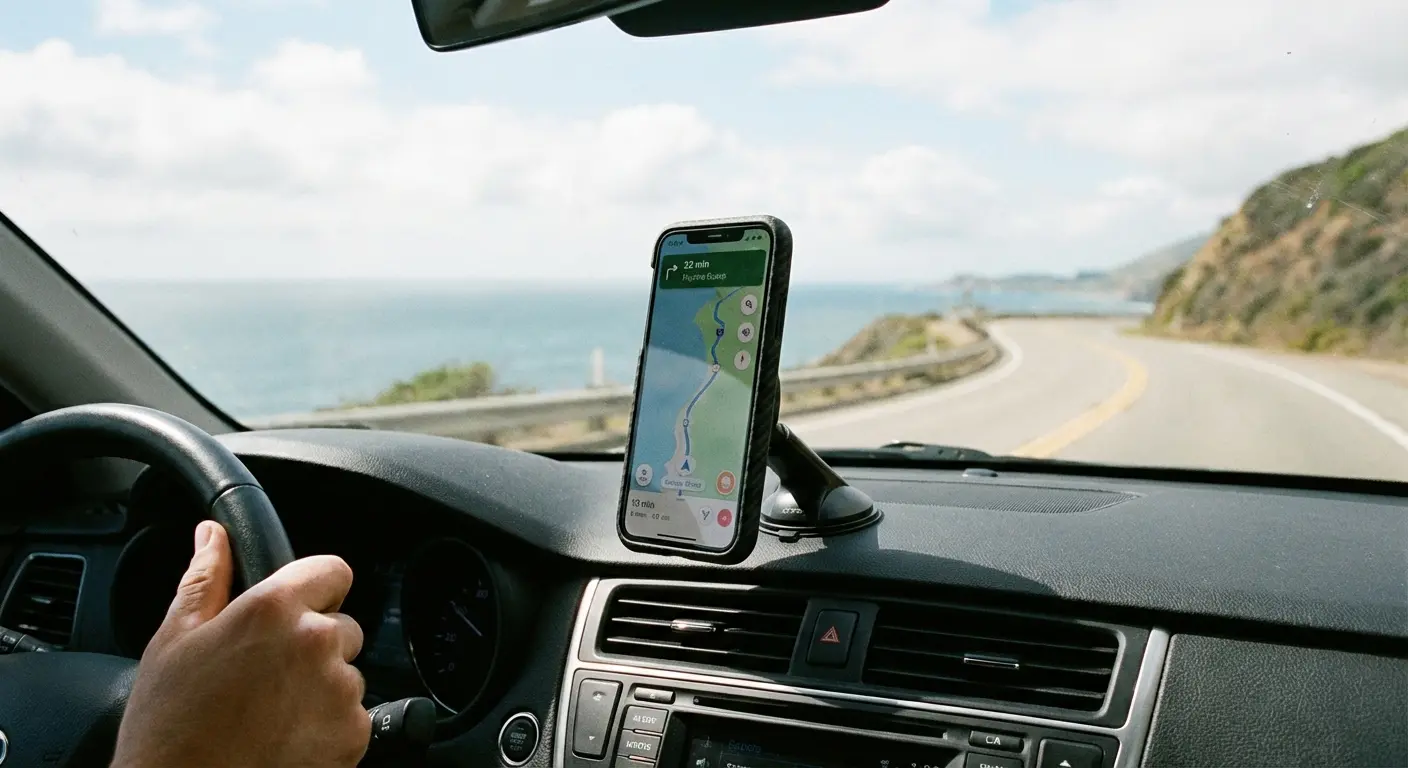
The importance of reliable phone protection extends beyond personal use. Recent incidents like the March 2026 copper wire theft in West Hazleton that knocked out emergency phone service for several days remind us how dependent we are on functioning communication devices. When infrastructure fails or emergencies strike, your phone becomes a critical lifeline. You can't rely on a cracked, damaged phone when you need it most.
Why You'll Break It Again
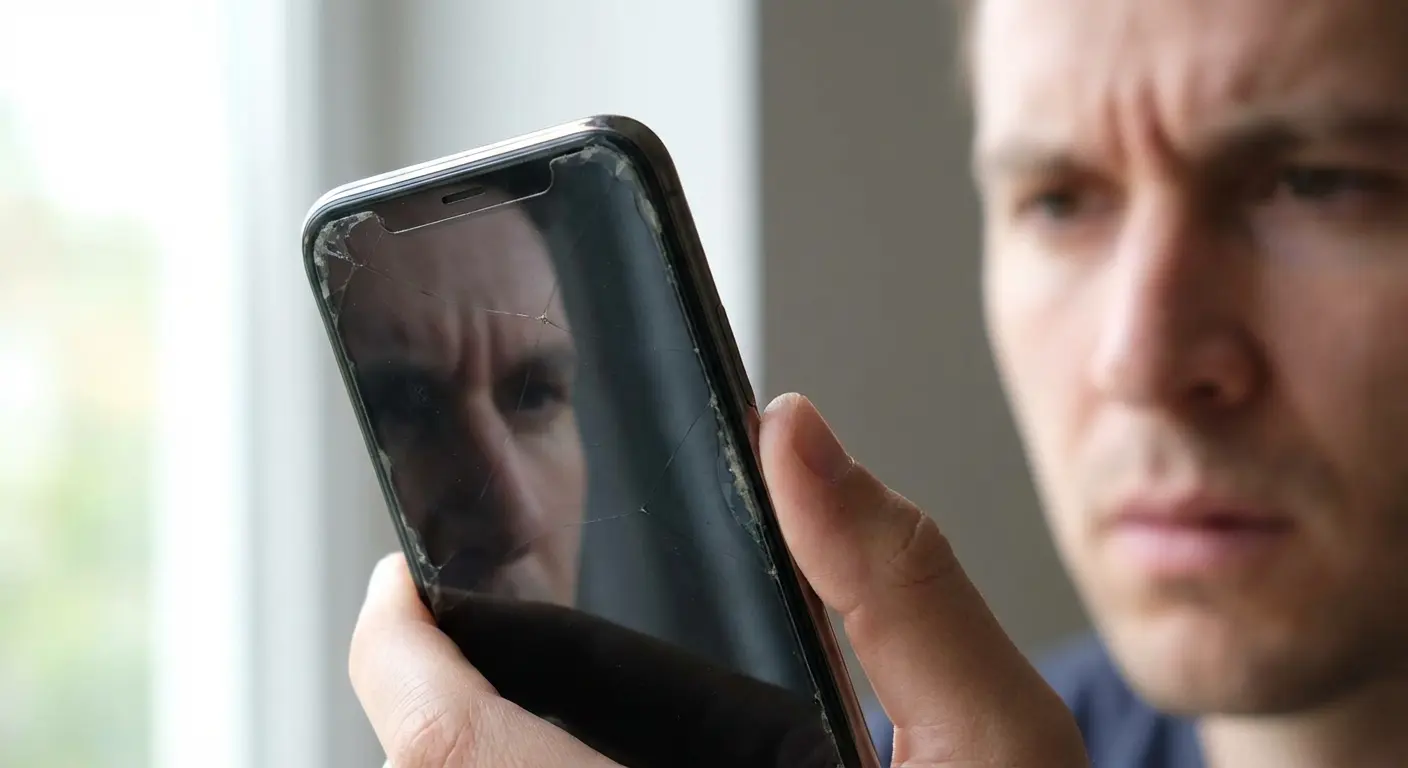
You'd think paying $300 for a screen replacement would make people more careful.
It doesn't.
Repair shops report that 40-60% of customers return within a year for additional repairs.
Repaired Phones Are More Fragile
Repaired phones are often more fragile than originals. Third-party screens may not meet OEM specifications. Adhesives might not seal properly, allowing dust and moisture intrusion.
The phone repair process itself can introduce new weak points if not performed perfectly.
You're also dealing with psychological factors. After investing in a phone repair, you're more likely to keep using the phone without protection because you've already spent the money and don't want to spend more on a case. You're trying to recoup your investment through extended use, but you're increasing the likelihood of additional damage.
When to Just Buy a New Phone
There's a calculation everyone makes eventually: is this phone worth repairing again, or should I just replace it?
Usually this happens after the second or third phone repair, when you've already spent $500-$800 on a device that's now worth maybe $200 on the secondary market.
You could've bought a premium protective case for $60 and avoided the entire cycle. Instead, you've spent 10-15x that amount on repairs and still ended up replacing the device earlier than necessary. The repair industry depends on this cycle repeating with every new phone purchase.
Your Call
Look, I can't stop you from spending $300 on your next screen repair.
But I can tell you this: The repair shop doesn't care if you come back. The insurance company is betting you won't file a claim. The phone manufacturer already made their money.
A case costs about the same as one repair. But it works every time you drop your phone, not just once.
Some of you are thinking: "I've never used a case and never broken a phone." Cool. You're either lucky or careful. This isn't for you. This is for the rest of us who've spent hundreds on repairs and are tired of it.
Your phone is probably the most-used object you own. You touch it 2,600 times per day on average, carry it everywhere, and depend on it for communication, navigation, work, and entertainment.
Protecting that investment isn't optional. It's the only rational economic decision.
The question isn't whether protection is worth it. The question is whether you want to pay for prevention or keep funding the phone repair industry.

