


According to the National Library of Medicine, there are something like 20,000 wellness apps out there right now. If you’ve ever stared at the App Store search results, scrolling past hundreds of colorful icons while your chest creates its own tightness, you know the irony: trying to find an app to help your anxiety can actually give you more anxiety.
It’s a lot of noise when all you want is a little peace. So, we did the digging for you. We tested, filtered, and broke down the top apps for mental health that actually do what they say they will—backed by real user experiences and actual science.

Table of Contents
TL;DR: The Quick Guide
-
What to Look For (So You Don't Get Scammed)
Does it actually work? (Clinical Validity)
Is your data safe? (Privacy)
Is it annoying to use? (UX)
Is it worth the money? (Cost)
-
The 25 Best Tools for Your Toolkit
Meditation & Mindfulness
Therapy & Telehealth
CBT & Mood Tracking
Anxiety & Stress Relief
Sleep & Focus
Specialized Support
Setting Up Your Space with Rokform
Final Thoughts
TL;DR: The Quick Guide
Look, we know you might not have the mental bandwidth to read a novel right now. Here are the bullet points you need to know before you commit to a download.
Check the science: Not all apps are created equal. Look for buzzwords like CBT (Cognitive Behavioral Therapy), ACT, or MBSR. If they claim to "cure" you overnight, run.
Privacy matters: You are sharing your deepest thoughts. Make sure the app is HIPAA or GDPR compliant so they aren't selling your mood data to advertisers.
If it's ugly, you won't use it: It sounds shallow, but if an app is clunky or frustrating, you’ll stop opening it. The interface matters.
Gear up: If you're doing video therapy, get a solid stand or mount. Holding your phone for an hour-long session is a pain.
Crisis info: Apps are great for maintenance, but they aren't emergency services. If you are in crisis, please call or text 988 immediately.
What to Look For (So You Don't Get Scammed)
Before you hand over your credit card or your personal data, you need to vet these tools. A lot of "wellness" apps are just pretty timers with no psychological backing. Here is our cheat sheet for vetting an app.
Criteria |
Green Flags |
Red Flags |
|---|---|---|
Clinical Validity |
Mentions of university studies or peer reviews. |
Promises to "cure" complex issues without a human involved. |
Data Privacy |
Clear HIPAA or GDPR statements. |
"Free" apps that ask for your contacts or social media login. |
Cost Structure |
Clear pricing or a decent free tier. |
Sneaky subscriptions that charge you after a 3-day trial. |
Support |
Easy access to customer service. |
Broken links or no "Contact Us" page. |
Does it actually work? (Clinical Validity)
You want an app rooted in methods that therapists actually use, like CBT, ACT, or Mindfulness-Based Stress Reduction (MBSR). Generally, tools developed with universities or psychologists are going to be more reliable than something built by a tech startup just trying to cash in on the wellness trend. Low-effort creative outlets help here too, and my free coloring apps for adults list is all no-cost picks.
Is your data safe? (Privacy)
Mental health data is sensitive stuff. You need to verify if the app is HIPAA-compliant (in the US) or GDPR-compliant (in Europe). A trustworthy app will keep your health data separate from your marketing profile.
Beyond the app itself, knowing how to protect your phone from being hacked is a smart move. We generally advise avoiding apps that seem eager to sell your data to third parties.

Is it annoying to use? (UX)
The best therapy in the world won't help if the app is so frustrating that you rage-quit. The design should be calming, not cluttered. Gamification (earning badges, streaks) can help keep you consistent, but if it starts feeling like homework, it’s okay to delete it.
Is it worth the money?
Decide if you want free, freemium, or a subscription. Real talk: many of the best therapy apps require a monthly fee, while government-backed apps (like those from the VA) are often totally free. Just make sure you aren't paying $15 a month for what is essentially a glorified stopwatch.
The 25 Best Tools for Your Toolkit
We’ve categorized the top 25 apps to help you find what fits your needs. Here is how they stack up.
Meditation & Mindfulness
Great for lowering your baseline stress levels and learning to focus. Think of this as the gym for your brain.

1. Headspace
Probably the most famous one on the list, and for good reason. It’s the industry standard for beginners. It uses fun animations to teach you how to meditate so you aren't just sitting there wondering if you're doing it right.
Real Life Scenario: You're at work, you get a nasty email, and your heart starts racing. Instead of spiraling, you step into a quiet room, hit the 3-minute "SOS" button on Headspace, and actually calm your nervous system down before you reply.
2. Calm
While Headspace is great for learning, Calm is the winner for pure relaxation. It’s famous for "Sleep Stories"—bedtime stories for adults narrated by voices like Matthew McConaughey. It’s less of a class and more of a warm blanket.
3. Insight Timer
If you hate subscriptions, start here. This platform hosts a massive library of over 100,000 free meditations. It’s basically the YouTube of mindfulness. The downside is that the sheer volume of content can be a little overwhelming to sift through.
4. Healthy Minds Program
Created by neuroscientists at the University of Wisconsin-Madison, this one is completely free and backed by hard science. It focuses on awareness and purpose. The interface is a bit drier than the paid apps, but the content is top-tier.
5. Ten Percent Happier
Billed as "Meditation for Fidgety Skeptics," this is the app for people who roll their eyes at crystals and chanting. It features interviews with scientists and no-nonsense guided sessions. A great choice for mental health apps for adults who want the benefits without the "woo-woo."
Therapy & Telehealth
These platforms connect you directly with licensed humans. It’s therapy, but from your couch.

App Name |
Best Used For |
Insurance? |
Format |
|---|---|---|---|
BetterHelp |
Convenience & ease of use |
Usually No (FSA/HSA ok) |
Video, Phone, Text |
Talkspace |
If you have insurance |
Yes (Many plans) |
Text, Video |
Regain |
Couples therapy |
Generally No |
Shared Video/Msg |
Amwell |
Psychiatry & Medical |
Yes |
Video Visits |
6. BetterHelp
The giant in the space. They make matching with a therapist incredibly easy. It’s primarily text, phone, and video based. It can be pricey since it’s usually out-of-pocket, and you should definitely read their latest privacy policy to see how they handle data.
7. Talkspace
Very similar to BetterHelp, but with one major advantage: they accept a lot of insurance plans. If you have coverage, start here. They also offer text-based therapy, which is a lifesaver if talking on the phone gives you anxiety.
8. Regain
This is specifically for couples. You and your partner share an account to communicate with a therapist together. It’s great for logistics, though privacy can be tricky since you’re both on the same message thread.
9. Cerebral
Focuses on medication management and therapy for anxiety, depression, and ADHD. It’s very useful if you need prescriptions managed remotely, though they have faced scrutiny on prescribing practices, so do your homework on their current protocols.
10. Amwell
Amwell is a broader telehealth app (think urgent care), but they have a robust psychiatry department. It feels more "medical" and less "wellness," but it’s highly secure, HIPAA compliant, and reliable.
CBT & Mood Tracking
Tools to help you spot patterns in your mood and retrain your brain using Cognitive Behavioral Therapy.
11. Sanvello
Sanvello is a powerhouse. It offers mood tracking, guided journeys, and community support based on CBT. It’s often covered by insurance, which is a huge plus.
12. Moodfit
Think of this as a fitness tracker for your mental health. It lets you track mood, sleep, and gratitude to see what actually affects your wellbeing. It’s highly customizable and great for data nerds.
13. Woebot
It sounds sci-fi, but Woebot is an AI chatbot that uses CBT techniques to talk you through tough moments. It’s surprisingly engaging. While it doesn't replace a human, it’s available 24/7.
When to use it: It’s 3:00 AM, you can’t sleep, and you're ruminating on a mistake you made three years ago. Woebot can walk you through a "cognitive reframing" chat to help you calm down enough to sleep.
14. Daylio
The journaling app for people who hate writing. You just pick a mood icon and an activity icon. Over time, it helps you realize things like, "Oh, every time I eat junk food, I feel sad the next day."
15. Bloom
Bloom offers self-guided CBT with daily video coaching. It’s visually beautiful and makes therapy exercises feel more like a boutique lifestyle class than a medical procedure.
Anxiety & Stress Relief
Immediate tools for when the panic hits.

16. Dare
Based on the book "Dare," this app takes a different approach: accepting anxiety rather than fighting it. The "SOS" button is fantastic for stopping a panic loop in its tracks.
17. Rootd
A panic attack relief app featuring a big red button called "Rootr." It gives you two simple paths: "Confront" or "Comfort." It uses a little monster character to make the scary feelings seem a bit more manageable.
18. Breathe2Relax
Developed by the National Center for Telehealth & Technology. It’s not the prettiest app, but it teaches diaphragmatic breathing perfectly. Plus, it’s free and secure.
19. MindShift CBT
Specifically targets anxiety disorders like social anxiety and phobias. It is completely free, scientifically rigorous, and one of the best options if you want clinical tools without a monthly bill.
Sleep & Focus
Because you can't have good mental health if you never sleep.
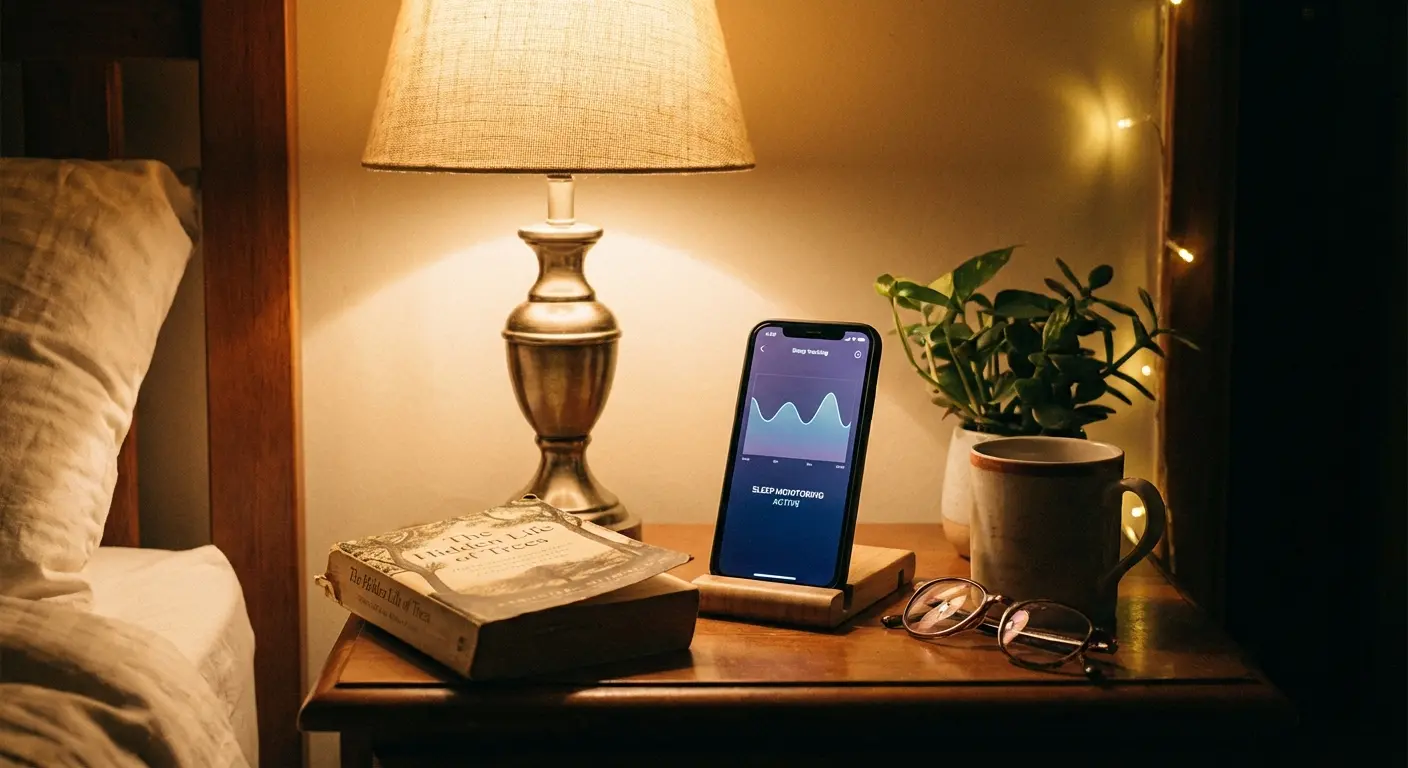
20. Sleep Cycle
This app tracks your sleep patterns and—this is the best part—wakes you up during your lightest sleep phase so you don't feel groggy. It helps you understand how your environment is impacting your rest.
21. Slumber
A library of sleep-inducing stories and meditations designed to knock you out. If you have insomnia, this is a solid tool to have in the rotation.
22. Forest
This one gamifies focus. You plant a virtual tree, and if you pick up your phone to doom-scroll, the tree dies. It’s a cute, fun way to force yourself to take a digital detox.
Specialized Support
Niche apps for specific recovery needs.
Condition |
App Recommendation |
Why it works |
|---|---|---|
PTSD |
PTSD Coach |
Developed by the VA; excellent grounding tools. |
OCD |
NOCD |
Video therapy with specialists in ERP (Exposure and Response Prevention). |
Addiction |
Recovery Path |
Links you with sponsors and counselors; tracks triggers. |
23. PTSD Coach
Created by the VA for veterans and civilians. It includes education and immediate tools to manage symptoms. It’s the gold standard for privacy (no account required) and validity.
24. NOCD
General therapists often misunderstand OCD. NOCD connects you with specialists who actually know ERP therapy. It’s highly specialized and very effective.
25. Recovery Path
A companion for addiction recovery that links you with your support system. The features that help you find meetings and track triggers are essential for staying on track.
Setting Up Your Space with Rokform
Your phone is basically your therapist, meditation teacher, and anxiety monitor all rolled into one. But to get the most out of these apps, your setup needs to work for you, not against you.
Hands-Free Therapy
There is nothing more distracting during a teletherapy session than trying to prop your phone up against a water bottle, only for it to slide down mid-sentence. If you use apps like Headspace or BetterHelp, you need a stable view.
Our Magnetic Wireless Charging Stand and MAGMAX™ cases let you mount your phone securely on any magnetic surface or stand. Reading up on how the magnetic wireless charging stand works will show you how to get the perfect viewing angle so you can focus on your mental state, not on keeping your phone upright.
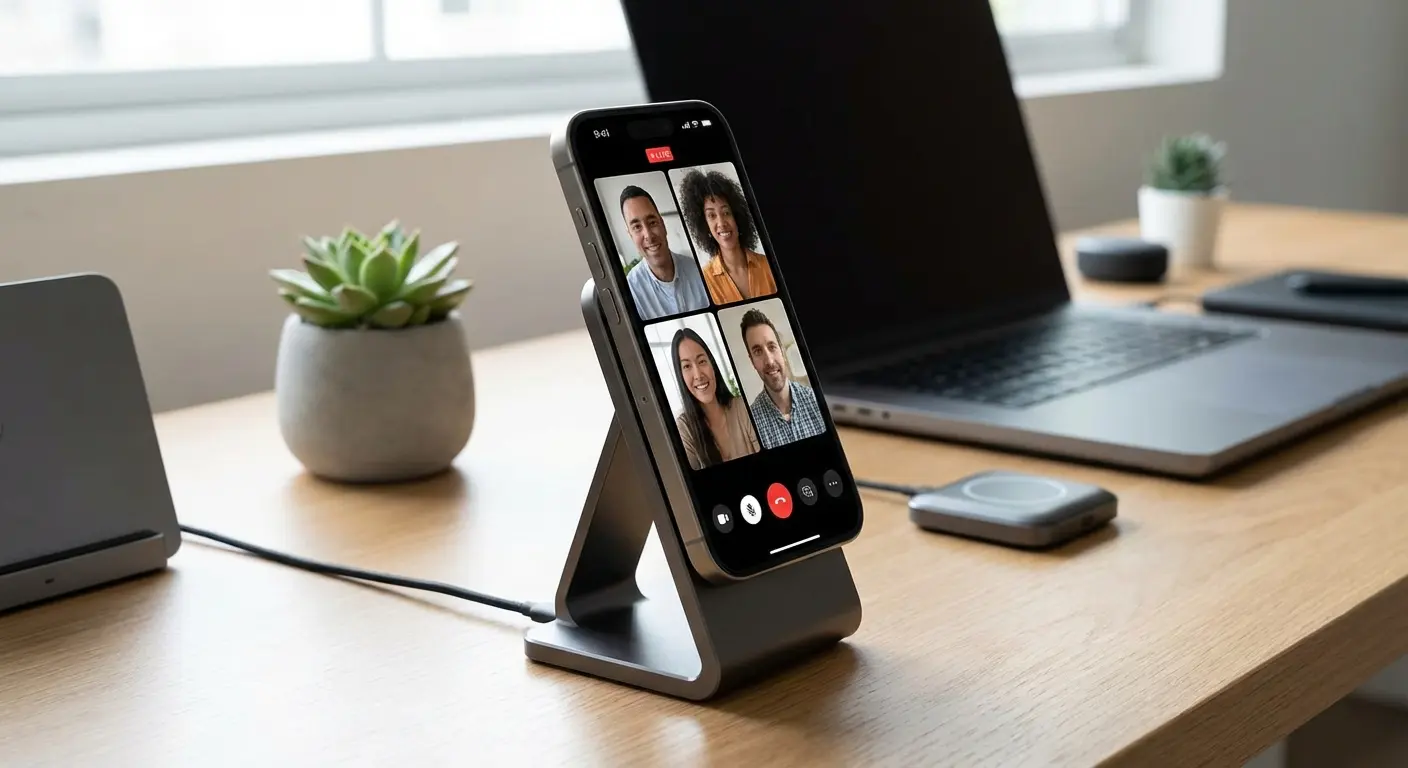
Pro Tip: If you do therapy in your car to get some privacy from your roommates or family, use a magnetic dash mount. It keeps the phone at eye level so you can maintain eye contact with your therapist comfortably.
Protection for an Active Mind
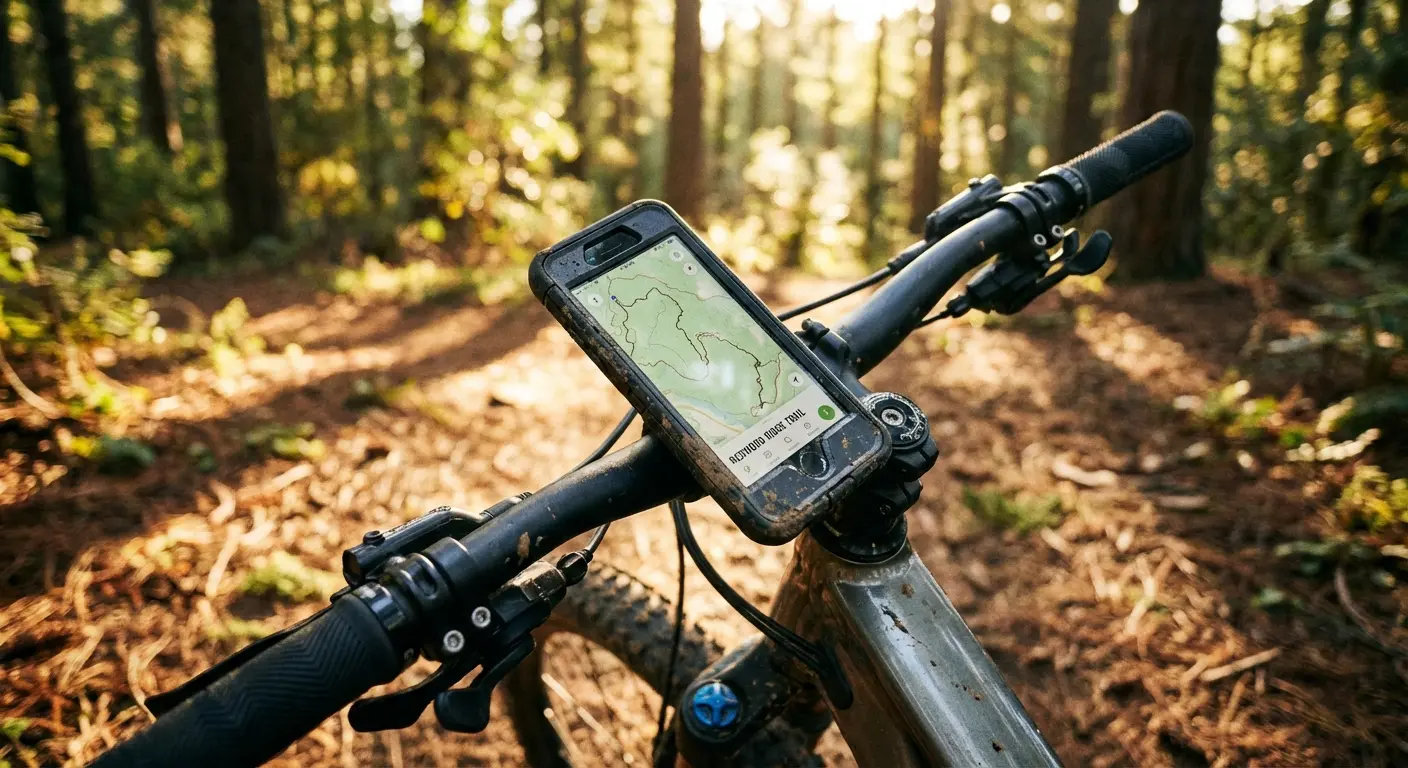
Mental health and physical activity go hand in hand. Whether you're using Strava and Moodfit to track your exercise, or listening to Calm while you golf, your phone is out in the elements.
Check out these 4 ways your phone case can amplify your workout. Our Rugged and Crystal cases offer military-grade protection because the last thing you need when you're hiking to clear your head is the stress of a cracked screen.
Integration on the Road
For those who decompress with podcasts or audio-therapy while driving, our magnetic car mounts keep your phone secure. We’ve curated a list of the best car phone mounts to ensure your device stays put. It’s all about removing friction so you can focus on what matters.
Final Thoughts
Finding the right support is a process, and it’s rarely a straight line. You might need to try a few of these mental health apps before you find the one that clicks with your brain chemistry. That's okay. Start with one that addresses your biggest pain point right now—whether that’s sleep, anxiety, or just needing to focus.
And if you want to make the daily use of these tools a little smoother, consider upgrading your setup with versatile MagSafe phone accessories. Your mental health is worth the investment.

