


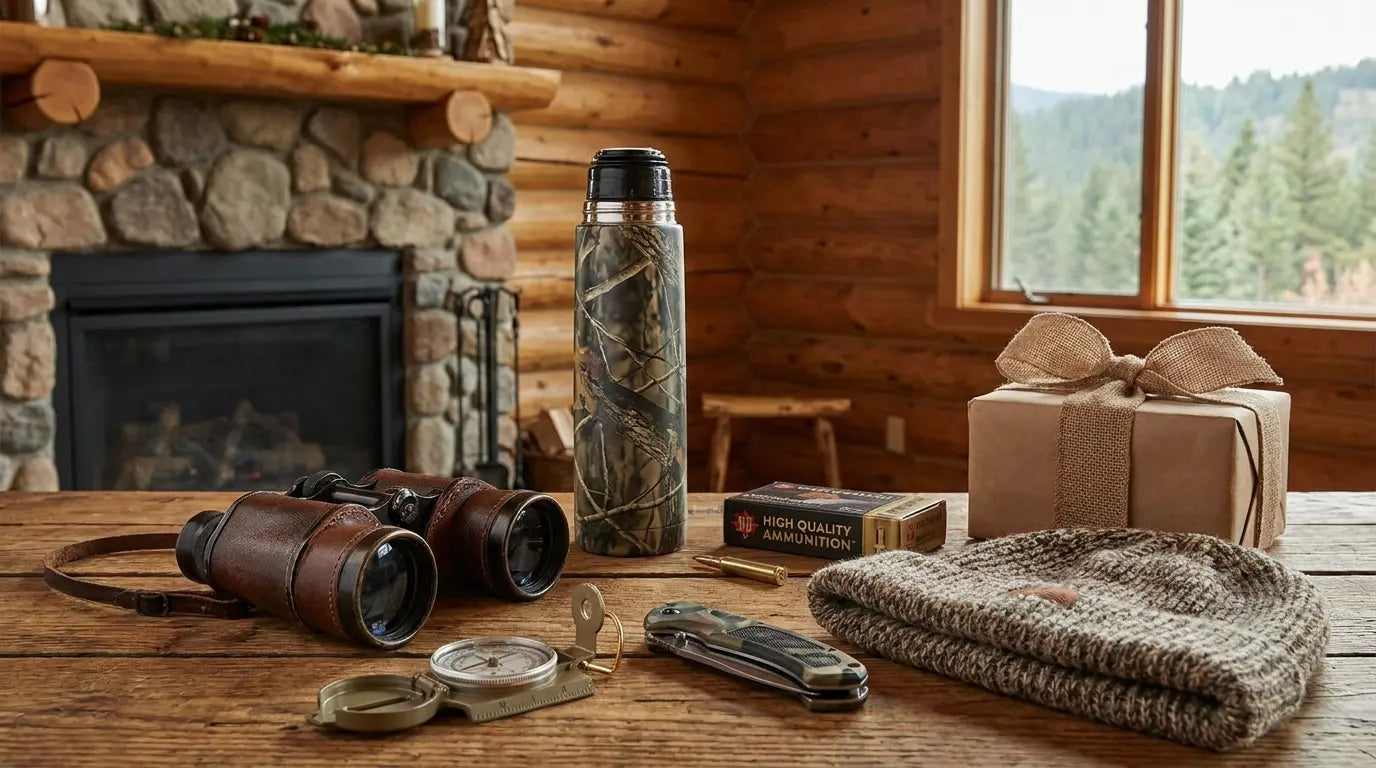
Here's what nobody tells you about hunting gifts: the actual hard part isn't the shot. It's everything else. The freezing your ass off at 4 AM, the wet boots, the dead phone when you actually need it.
Look, durability matters more than features when you're miles from civilization. Why? Because your phone isn't just a phone anymore. It's your map, your camera, your 'oh shit' button when things go sideways. And comfort gear? Most guys ignore it until they're three hours into a sit with numb feet, but it's the difference between calling it early and actually staying put when that buck shows up.
Tech worth carrying solves specific problems without adding bulk or complexity. Small upgrades to warmth and moisture management make miserable conditions tolerable. The best gifts for hunters fix the stuff they deal with but rarely talk about.
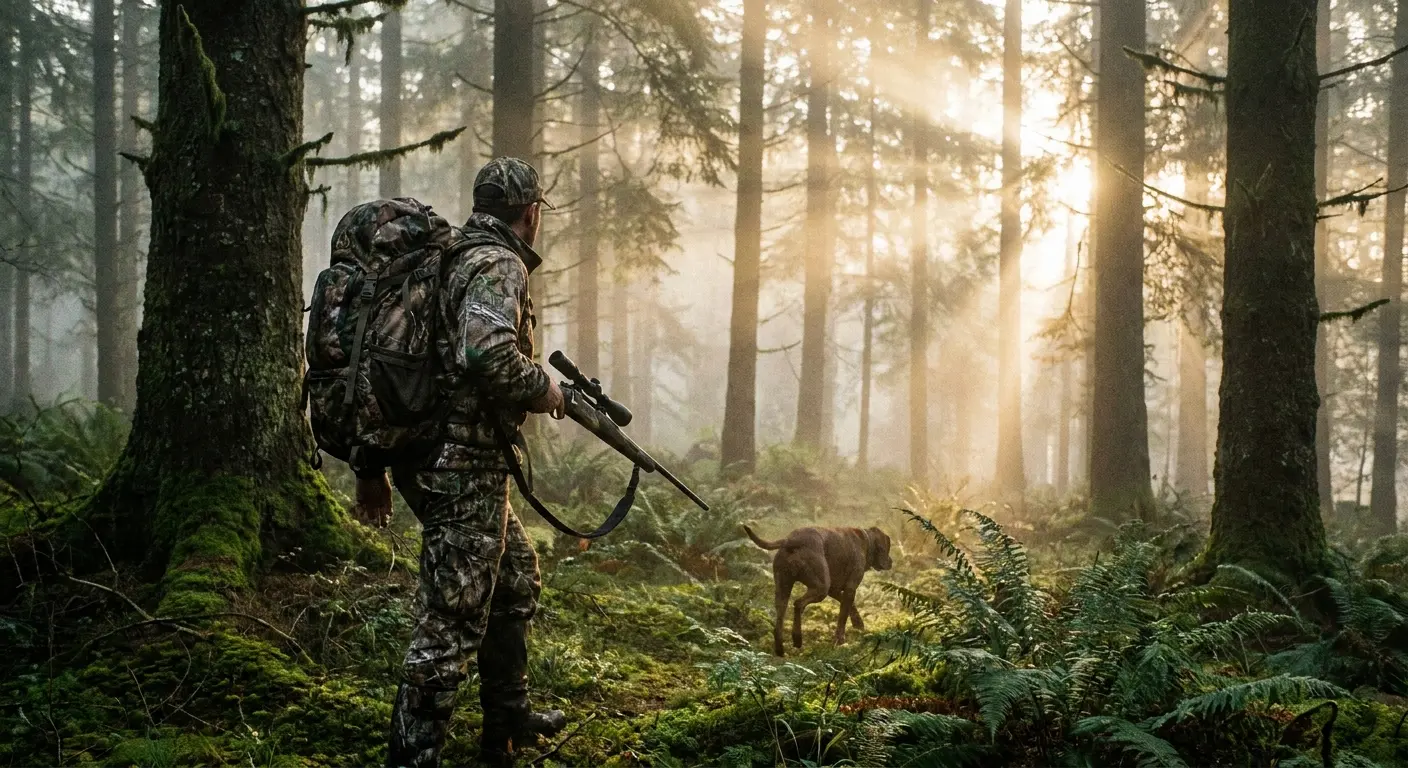
Gear That Survives What You Put It Through
I'm talking about equipment that faces moisture, impact, temperature swings, and the kind of rough handling that happens when you're focused on everything except being gentle with your stuff.
Gear failure in the field? I once had a headlamp die on me during a pre-dawn hike into elk country. Not low battery. Just dead. Spent 45 minutes stumbling around in the dark trying to find the trail with my phone's flashlight, which killed my battery before I even got to my spot. Wasted an entire day because of a $15 piece of gear.
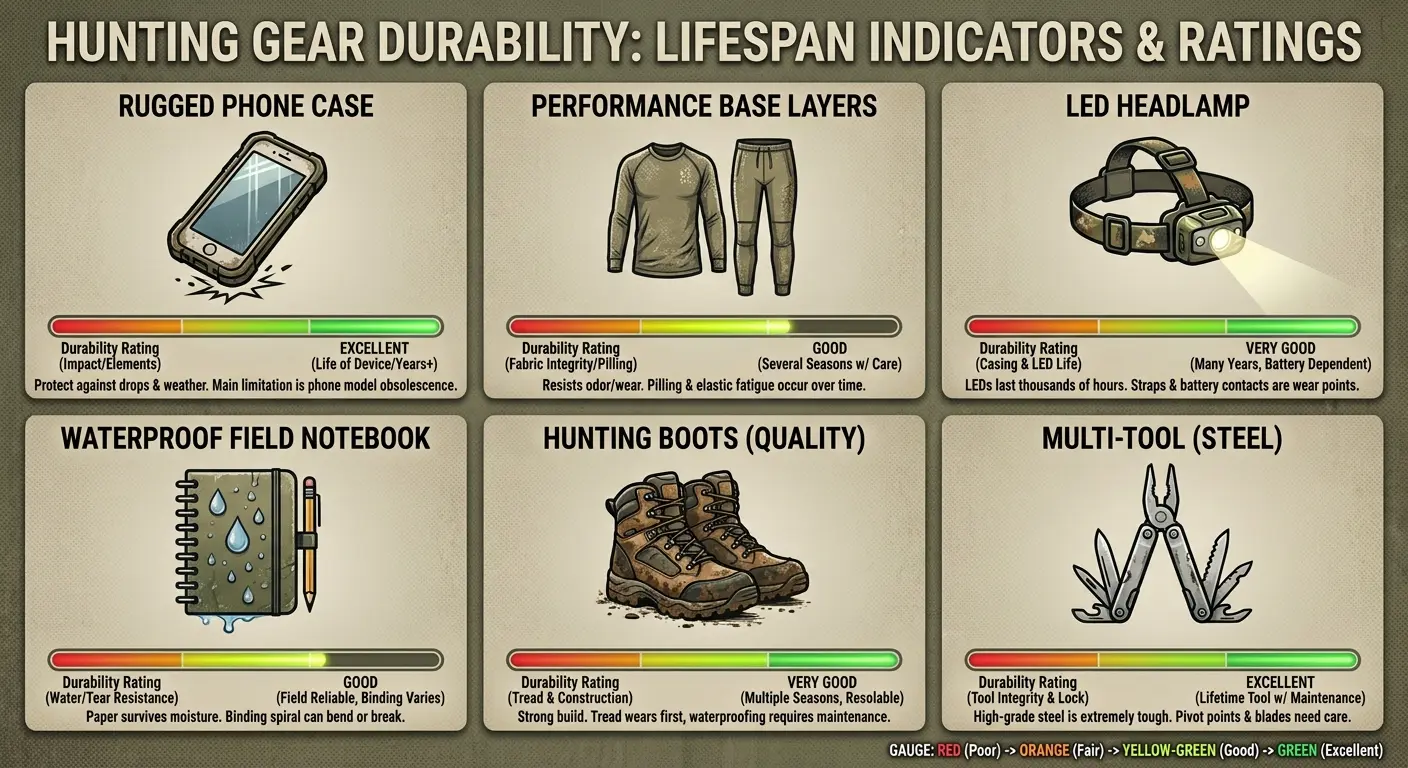
Standard equipment doesn't hold up to the kind of abuse that would destroy it within a season, similar to how the best phone cases for drop protection must survive repeated impacts in harsh conditions. These hunting gifts prioritize function over flash. You can't just run to the store for replacements when something breaks.
Each item here fixes a specific vulnerability hunters face when they're away from easy repairs. I've chosen them because they work when everything else fails.
1. Rokform Rugged Phone Case
Let's be honest about your phone for a second.
It's doing way more than making calls out there. It's your GPS when you're trying to figure out which drainage you parked at. It's your camera when you finally get that shot you've been waiting all season for. And it's your emergency contact when things go sideways and you need help.
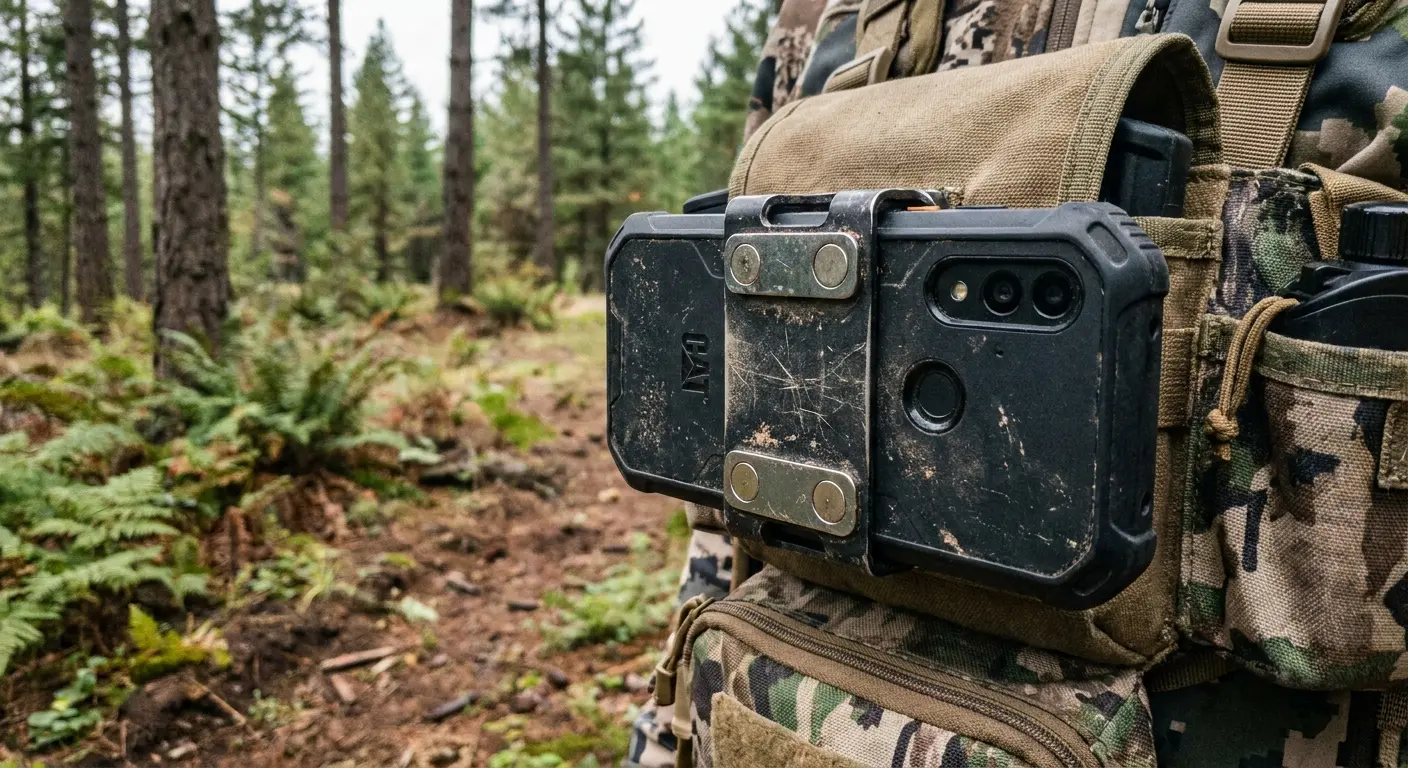
Standard cases? They're built for dropping your phone in a parking lot, not for what actually happens when you're hunting. I've seen phones in other "rugged" cases that still cracked because they don't account for the specific ways phones fail in the field. Repeated impacts against rocks, temperature swings from 20 degrees to 60 in the same day, moisture that gets into every seal.
We built Rokform cases because we got tired of watching phones die when people needed them most. The military-grade protection uses a magnetic mounting system that holds through rough terrain. The RokLock twist-lock mount means you can attach your phone to your chest rig, ATV, or truck dash without worrying about it vibrating loose on washboard roads.
The textured grip works even with wet or gloved hands. The raised edges protect your camera lens from the inevitable drops onto rocks, logs, or frozen ground.
When your device serves as your primary navigation tool, communication lifeline, and documentation system, protection becomes non-negotiable.
2. Merino Wool Base Layers
Cotton kills. You've heard that a million times.
But here's what they don't tell you about synthetic base layers: the second you stop moving, all that sweat you built up turns cold. Like, really cold. You might as well be wearing a wet t-shirt.
Merino wool regulates temperature whether you're hiking in or sitting motionless for hours. And nothing smells worse than synthetic base layers after a week of hunting. It's like sour milk mixed with body odor. Merino doesn't do that.
Quality matters here. I learned this the hard way with a $40 set from Amazon that pilled after three washes. Now I stick with Smartwool or Icebreaker. Yeah, they're expensive, but I've got shirts going on their fifth season. Look for 250-weight fabric for cold weather hunts or 150-weight for early season versatility.
The initial cost stings, but these will outlast three sets of synthetic alternatives.
3. Headlamp with Red Light Mode
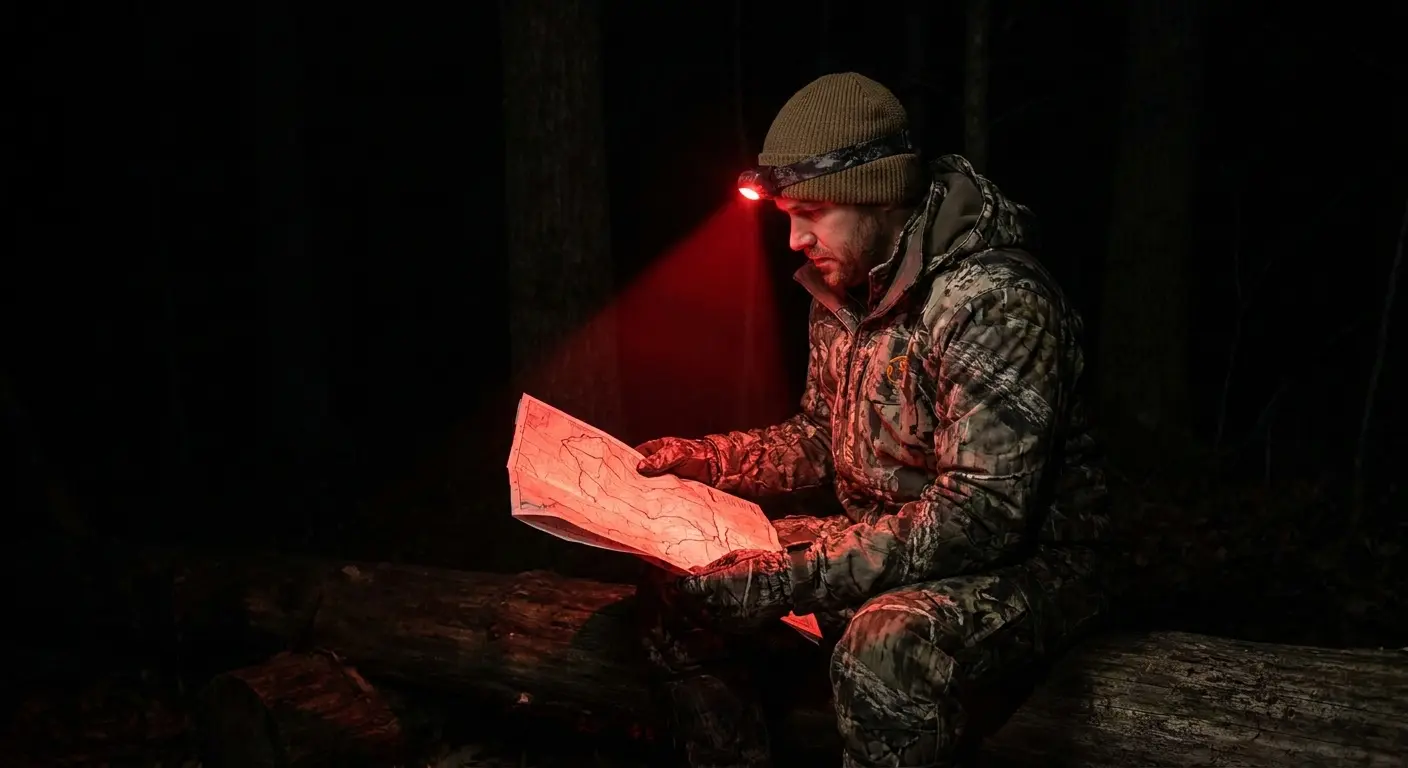
White light destroys your night vision and announces your presence to everything within a quarter mile.
Red light preserves your ability to see in the dark while you're setting up before dawn or tracking after dusk. I use the Petzl Tactikka RGB. Multiple brightness settings, red light mode, and it's survived three seasons of abuse. The Princeton Tec Remix is cheaper and almost as good if you're on a budget.
We're not talking about the cheap hardware store version that dies after two uses. You need multiple brightness settings because full power drains batteries and blinds you in close quarters. A tilting head lets you aim light without contorting your neck.
Truly waterproof construction matters because water-resistant doesn't cut it when you're caught in freezing rain. Battery life matters more than maximum lumens. You want something that lasts through multiple early mornings without requiring a recharge.
4. Waterproof Field Notebook
Digital notes fail when your phone dies or gets too cold to register touch. Paper survives, but standard notebooks turn into pulp in wet conditions.
Last season I tracked a blood trail for over a mile through thick brush. Every 50 yards I'd mark the direction, note what the blood looked like, sketch landmarks. When I finally found the deer, I could trace my entire path back. Try doing that with a regular notebook after it's been raining.
Waterproof field notebooks use synthetic paper that won't disintegrate in rain or snow. Pair it with a pressurized pen that writes at any angle and in freezing temperatures. Rite in the Rain makes the best ones I've used.
5. Insulated Boot Blanket
Your boots are going to get wet. Sweat, creek crossings, morning dew, it doesn't matter how waterproof they claim to be.
Last November I spent six hours in a tree stand after crossing a creek that was supposed to be 'ankle deep.' It wasn't. My boots were soaked, and by hour three my feet felt like blocks of ice. The next morning I couldn't even get the damn things on because they'd frozen solid overnight.
An insulated boot blanket wraps around wet boots overnight and uses your body heat (or a small heating element in powered versions) to dry them by morning. Putting on frozen or damp boots at 4 AM is miserable enough to ruin your entire day.
Problem solved. Nobody actually sleeps with boots in their sleeping bag despite claiming they will.
6. Multi-Tool with Gut Hook
Standard multi-tools cover general tasks but miss hunting-specific needs.
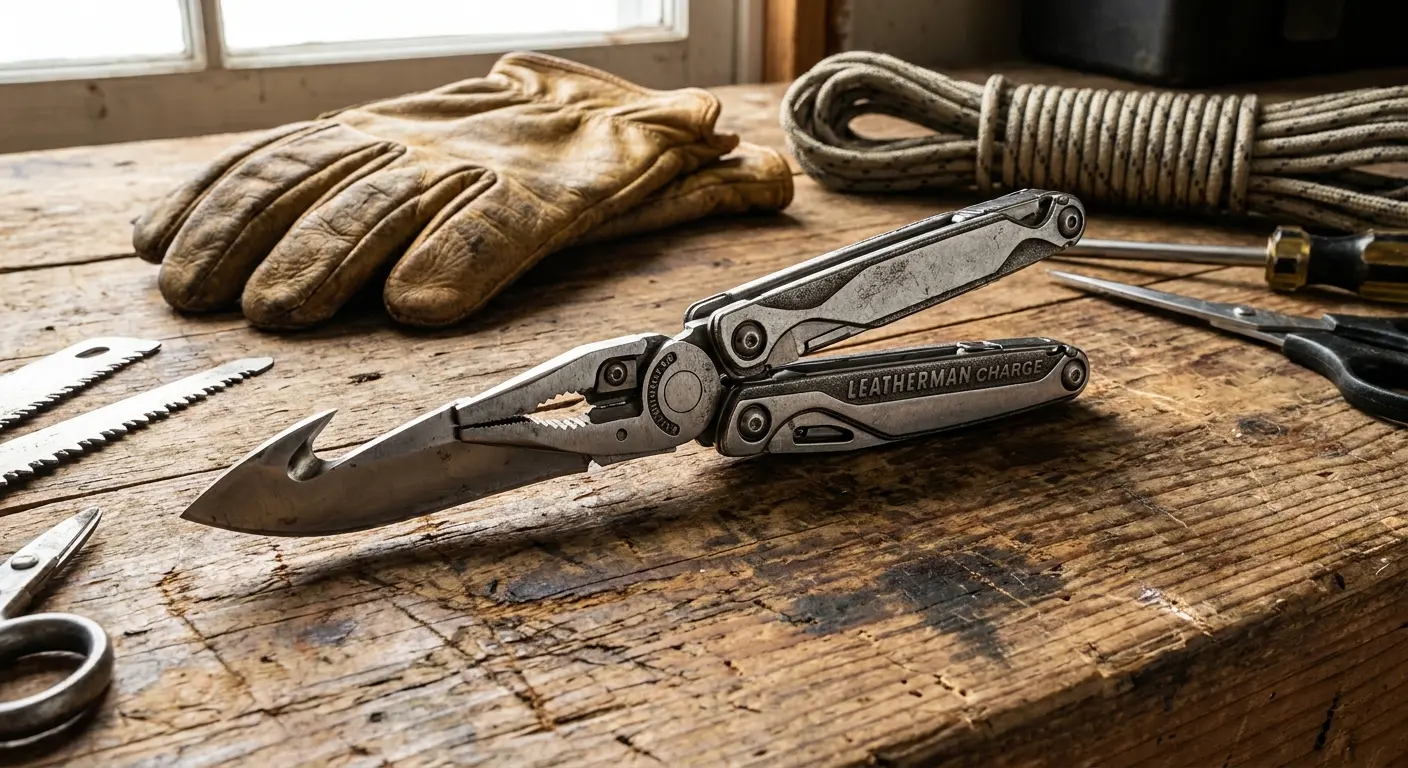
Get the Leatherman Signal. I've beaten the hell out of mine for three years and it's still tight. A dedicated gut hook makes field dressing cleaner and faster without requiring you to carry a separate knife.
Look for tools with replaceable wire cutters. You'll use these more than you expect for fence repairs and snare removal. A saw that cuts instead of just scratching wood. Scissors sharp enough to cut paracord or medical tape.
The Gerber is fine too, but the Leatherman feels better built to me.
The Tech That's Actually Worth Carrying
Let's talk about hunting tech for a second.
Most of it sucks. It's heavy, it breaks, it needs charging every five minutes, or it's solving a problem nobody actually has.
But some of it? Some of it's genuinely changed how I hunt.
I'm focusing on tech that's proven itself in actual field conditions. These items either extend your capabilities in meaningful ways or eliminate legitimate pain points. I'm skipping anything that requires constant charging, complicated setup, or works great in theory but fails when temperatures drop.
Every piece here has been vetted for reliability, battery life, and genuine utility. Reliable navigation tools matter when cell service disappears, which is why the best GPS apps for iPhone have become essential backup systems for serious hunters.
7. Thermal Imaging Monocular
Now, some guys will tell you thermal imaging is overkill.
Those guys are wrong.
Thermal imaging used to cost thousands. You can get into thermal for around $300-400 now. The AGM Rattler starts at $350 and actually works, unlike the $150 Amazon specials that are basically useless.
These aren't toys. You can spot animals bedded down in thick cover, track wounded game after dark, or scan ridgelines without exposing your position with light. Battery life and image refresh rate separate functional units from frustrating ones. Cheaper models lag enough to make moving targets difficult to track.
You're not replacing quality optics for identification, but for detection and recovery, thermal imaging changes what's possible.
8. Solar Power Bank
Phone batteries drain faster in cold weather, and GPS tracking accelerates the process.
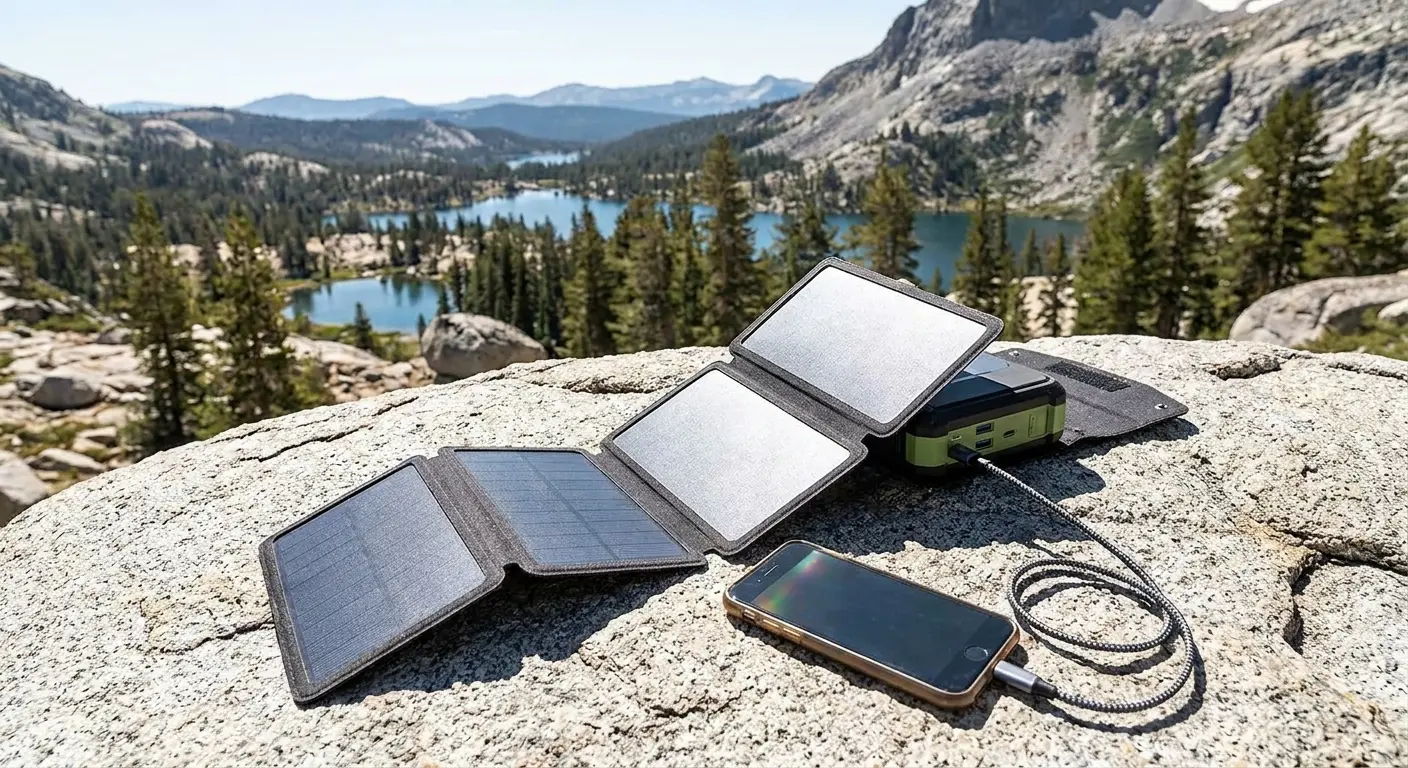
Standard power banks help until they're dead, then you're carrying a brick. Solar power banks recharge during the day, even in overcast conditions with decent panels.
Look for 20,000+ mAh capacity with multiple USB ports and actual solar cells. Not the tiny decorative panels on cheap versions. These won't fully recharge your phone from sunlight alone in a day, but they extend your power budget enough to matter on multi-day trips.
I use the BigBlue 28W. It's not the lightest option, but it's reliable.
9. Bluetooth Meat Thermometer
Processing meat at camp means cooking over inconsistent heat sources.
Undercook it and you're risking illness miles from help. Overcook it and you've wasted meat you worked hard to harvest. Bluetooth meat thermometers let you monitor internal temperature from your phone without hovering over the fire.
MEATER and ThermoWorks make versions that work up to 165 feet away. Enough range to handle camp duties while your dinner cooks. The probes handle direct flame exposure, and the apps alert you at target temperatures.
No more guessing. The difference between properly cooked game meat and ruined protein comes down to temperature control you can't eyeball.
10. GPS Tracking Collar for Dogs
Hunting dogs cover ground faster than you can track them, especially in dense cover or unfamiliar territory.
GPS collars show you exactly where your dog is in real-time without relying on cell service. They use radio frequency or satellite communication. Garmin's Alpha series dominates this category for good reason.
You can track multiple dogs, set geofence alerts, and monitor their activity levels. The peace of mind alone justifies the cost when your dog is out of sight in thick timber or swamp.
Is it expensive? Yeah. Around $600-700 for the collar and handheld unit. But if you've ever lost a dog in thick cover you know exactly why this exists.
11. Trail Camera with Cell Service
Traditional trail cameras require you to physically check them, which means disturbing the area you're monitoring.
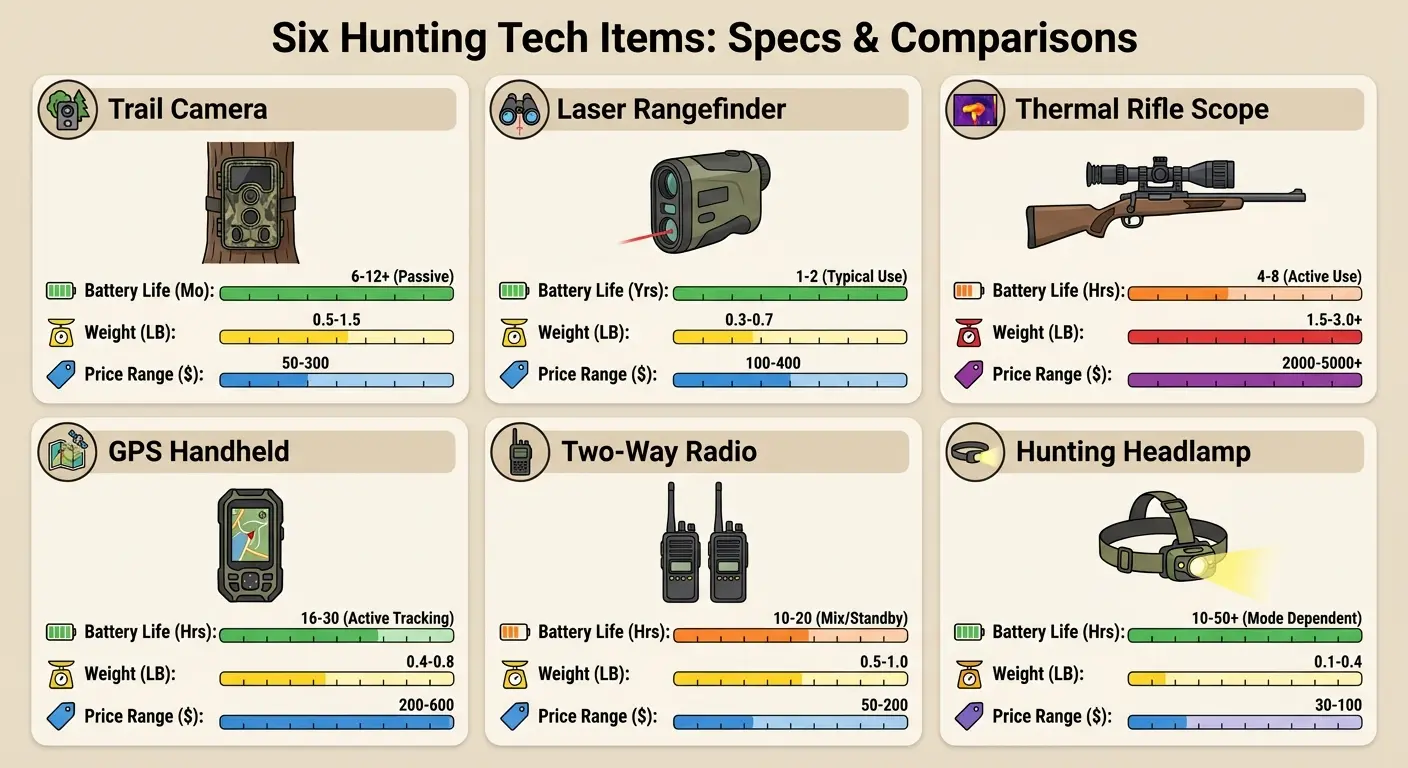
Cellular trail cameras send photos directly to your phone. You can pattern animal movement without repeated trips that spread your scent and alert game to your presence. Service plans add ongoing cost (usually $10-15/month), but the tactical advantage of real-time information changes how you hunt.
I run three Tactacam cameras on different properties. Spypoint is another solid option with reasonable monthly fees.
Image quality and trigger speed matter more than megapixel counts. You need clear photos of moving animals, not high-resolution images of empty forest.
12. Rechargeable Hand Warmers
Disposable hand warmers are like socks in the dryer. You always lose half of them and the other half quit working when you actually need them.
Rechargeable versions using lithium batteries provide consistent heat for 6-10 hours depending on settings. They double as emergency phone chargers. Most include USB ports.
Zippo's rechargeable version heats up in seconds and fits in a pocket without bulk. These pay for themselves after a season of use and eliminate the anxiety of rationing disposable warmers on particularly cold days.
The click of the power button is satisfying. You know it's working.
Comfort Upgrades They'll Use Every Single Trip
Comfort directly impacts performance, but hunters tend to treat it as weakness rather than strategy.
Staying warm, dry, and reasonably comfortable means you can sit longer, stay focused, and make better decisions when opportunities arise. I'm covering upgrades that fix the small miseries that accumulate over hours in the field.
None of these items are essential for survival. They're the difference between enduring a hunt and enjoying it.

13. Packable Down Camp Pillow
Yeah, it's a luxury. I'll admit that.
But after a week of shit sleep on a wadded-up jacket, I broke down and bought one. Haven't regretted it once. Your call whether it's worth 4 ounces in your pack.
Sleeping on wadded-up clothes or nothing at all guarantees a stiff neck and poor sleep. Poor sleep degrades your performance the next day. Packable down pillows compress to the size of a water bottle but expand to actual pillow dimensions.
Sea to Summit and Therm-a-Rest make versions that balance weight, packed size, and comfort.
14. Heated Insoles
Cold feet end hunts early.
Your body prioritizes core temperature over extremities, so your feet suffer first during long sits. Frozen boots don't just feel cold. They're stiff, like trying to put your foot into a wooden clog.
Heated insoles use rechargeable batteries to provide consistent warmth for 4-8 hours. ThermaCELL makes remote-controlled versions you can adjust without removing your boots. The batteries sit in small pockets at the top of your boots, and the heating elements run the length of the insole.
These aren't for active hunting. You generate enough heat while moving. But for stand hunting or long glassing sessions, they extend your effective time in the field.
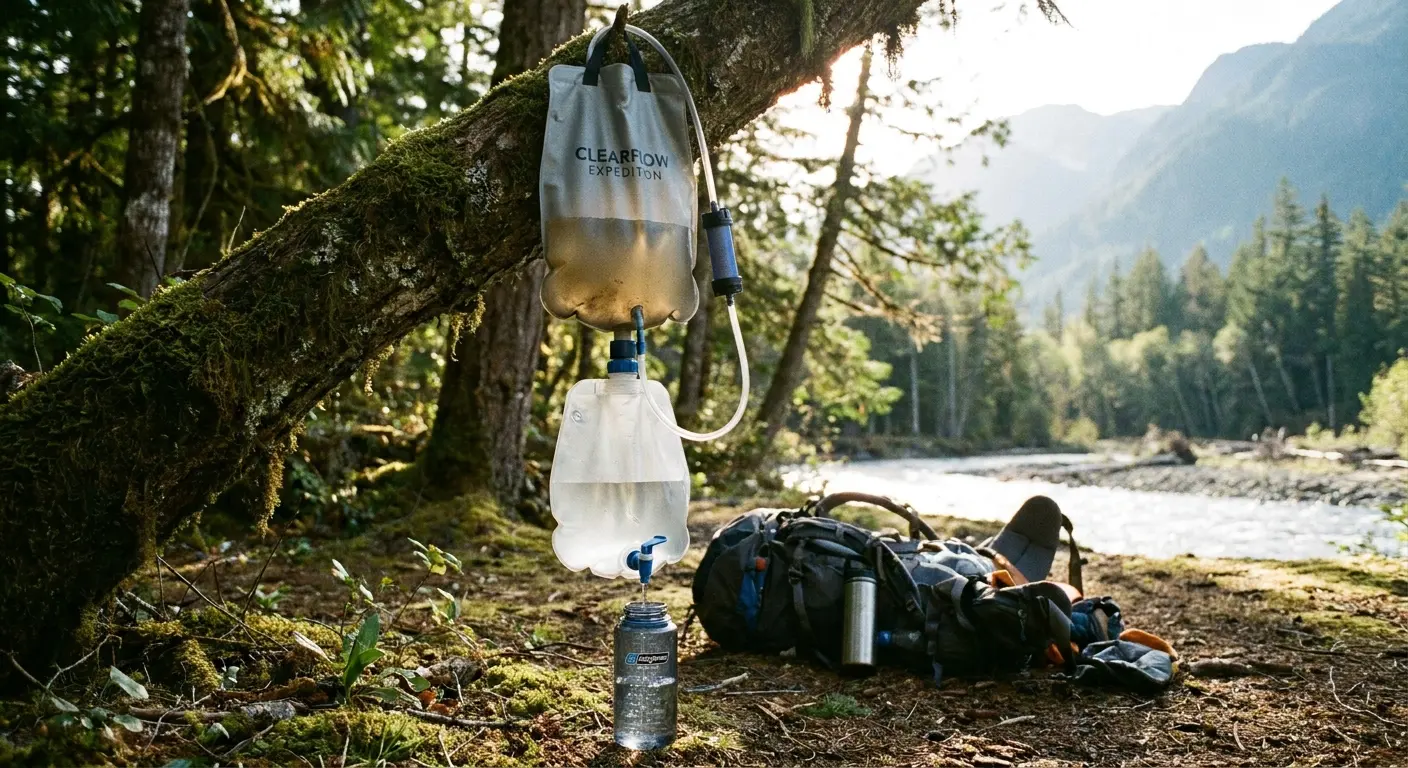
15. Collapsible Water Filtration System
Carrying enough water for multi-day trips adds significant weight. Water sources exist almost everywhere, but drinking untreated water risks illness that can end your hunt. Or worse.
Collapsible filtration systems like the Sawyer Squeeze or Platypus GravityWorks let you filter water on-site. The collapsible bags pack down to almost nothing when empty. Gravity-fed systems filter large quantities without pumping.
This eliminates the choice between carrying excessive weight or risking contaminated water.
16. Tree Stand Comfort Seat
Tree stand seats are designed for minimal weight, not comfort.
Sitting motionless for hours on a thin metal platform creates pressure points and numbness that force you to shift position. Which spooks game.
Padded comfort seats attach to existing stands and distribute weight across a larger surface area. Some include back support and adjustable straps. Millennium and Summit make versions that add negligible weight but significantly improve your ability to sit still.
You'll stay in position longer and move less frequently.
17. Scent-Free Laundry Detergent Subscription
Scent control matters, but most hunters wash their hunting clothes in regular detergent that leaves fragrance residues.
Scent-free detergent eliminates this, but remembering to buy it before each season is easy to forget. A subscription service ensures you never run out and removes one more thing from your pre-season checklist. Dead Down Wind and Wildlife Research Group offer subscription options. This seems minor until you realize you're washing your carefully scent-controlled gear in Tide because you forgot to restock.
This solves a problem that happens at home but affects performance in the field.
We built our magnetic mounting systems and rugged cases specifically for people who depend on their phones when things get real. Your device isn't just communication anymore. It's your lifeline when you're miles from the truck. If you're serious about protecting the technology you rely on, check out our full lineup at Rokform.com.
Final Thoughts
The best gifts fix problems hunters have learned to tolerate rather than actually solve.
We adapt to discomfort, work around gear failures, and accept limitations that better equipment would eliminate. These 17 items address the gaps between what hunters carry and what makes time in the field more effective and enjoyable.
You're not looking for gimmicks or gear that sits in the garage after one trip.
Focus on durability, genuine utility, and solutions to specific pain points. The hunters in your life will recognize the difference between thoughtful gifts and random hunting-themed merchandise. Choose items that prove you understand what they deal with out there.
If you're shopping for someone who already has all the basics, focus on upgrades rather than new categories. The guy who's been hunting 20 years doesn't need another knife. He needs better versions of the stuff he uses every day.
And if they've complained about something specific (wet boots, dead batteries, cold feet), that's your answer right there.
Bottom line: hunters are good at suffering through problems. We get used to wet boots, dead batteries, cold feet. We adapt instead of fixing things.
These gifts fix the things.
When it comes to protecting essential technology in harsh conditions, the most protective phone cases are non-negotiable for serious hunters who rely on their devices for navigation, communication, and documentation.

