


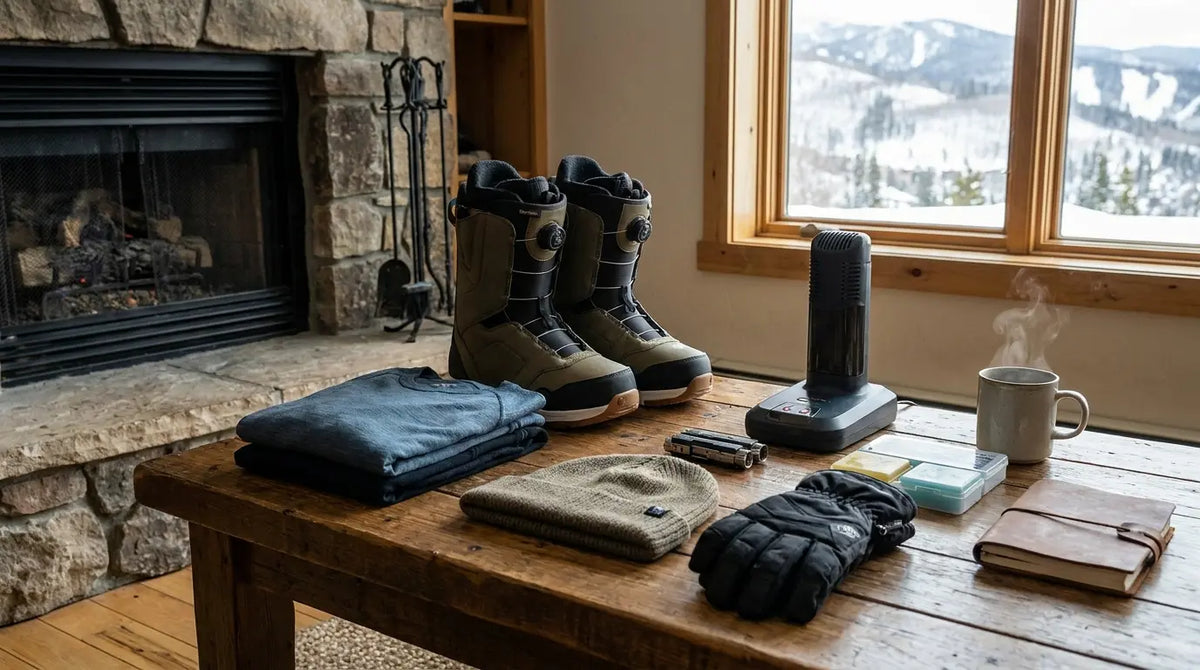
I've bought a lot of stupid snowboard gifts. A Bluetooth beanie that died after 20 minutes in the cold. "Rugged" phone case that cracked on day two. Fancy goggles that fogged the second I started sweating.
This guide's different because everything here solves an actual problem I've had or watched friends deal with. Dead batteries. Frozen fingers making it impossible to work your phone. Gear that breaks the first time you actually need it.
No fluff. No stuff that just looks cool in lodge photos.
Your phone's your lift ticket now. Also your camera, your emergency contact, and the only way to find your friends after they disappear into the trees for "one quick run."
Standard cases crack. Batteries die in the cold. Your body breaks down after three days of riding. All fixable problems if you have the right gear.
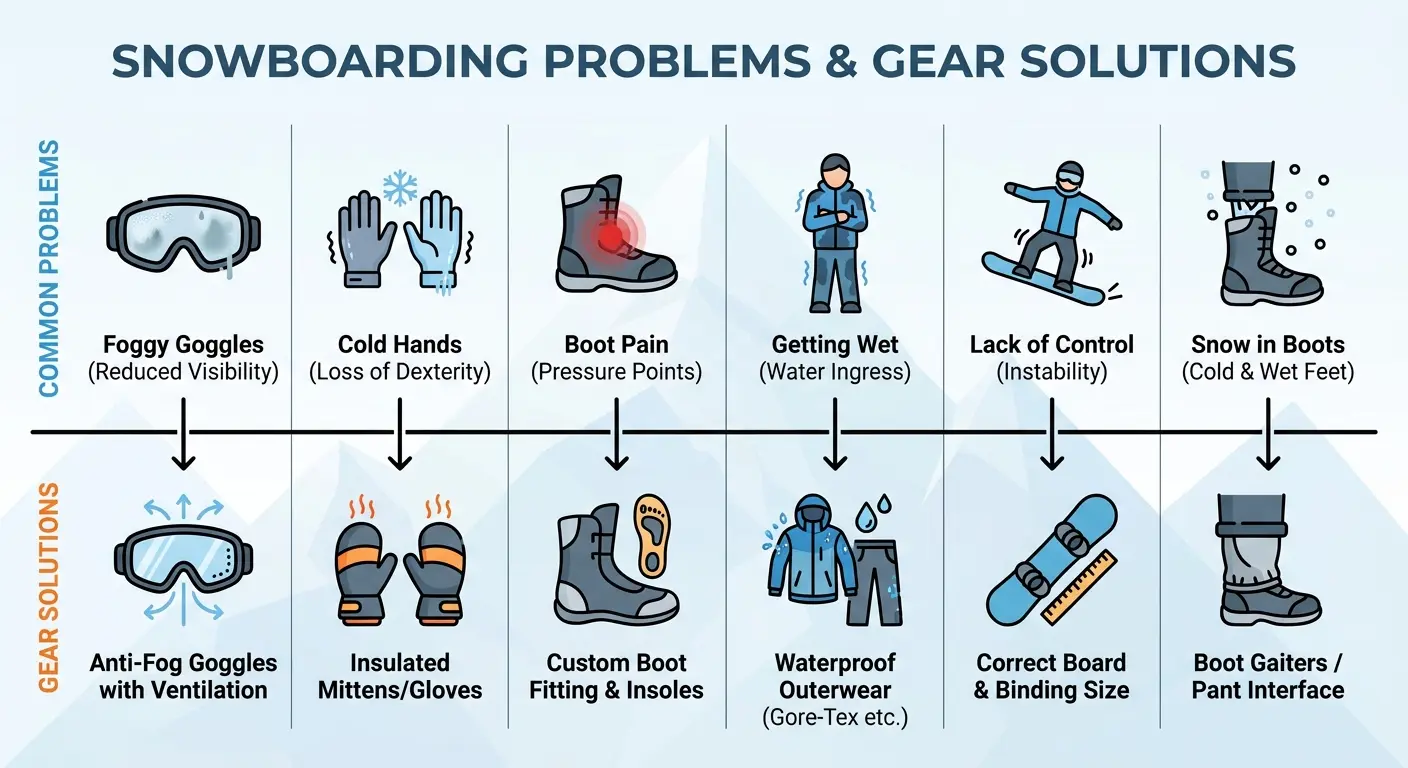
Stop Breaking Your Gear
Most snowboard gear fails under actual mountain conditions. I'm not talking about what looks good in the lodge.
Each item here addresses a gap between what people think snowboarders need and what keeps them safe, connected, and riding longer.
Problem |
Standard Solution Failure |
Gift Solution |
|---|---|---|
Phone damage from falls |
Regular cases crack on first hard impact |
Military-grade case with shock absorption |
Frozen fingers end runs early |
Bulky gloves or hand warmers that don't last |
App-controlled heated insoles extend comfort by hours |
Backcountry safety gaps |
Heavy, expensive airbag systems riders won't carry |
Compact 4-lb airbag packs with reusable technology |
Wrist injuries from falls |
Uncomfortable guards that restrict movement |
Sensor-equipped guards with emergency contact alerts |
Expensive shop maintenance |
Generic tools that strip hardware |
Snowboard-specific multi-tools with exact sizing |
Inconsistent board performance |
Cheap irons that scorch bases |
Portable temperature-controlled waxing irons |
1. Impact-Resistant Phone Case with Magnetic Mount System
Your phone's everything on the mountain now. Lift ticket, emergency contact, camera for that perfect powder shot, and your way to find your crew when someone inevitably disappears into the trees.
Standard cases? Useless.
I watched my friend's Otterbox crack on a simple fall in the park. Not even a hard bail, just caught an edge. His screen shattered through the case. Day over, $300 repair.
Full disclosure: I work for Rokform, so yeah, I'm biased about phone cases. But I've also destroyed four phones in three seasons before we built cases that actually work, so the bias comes from experience.
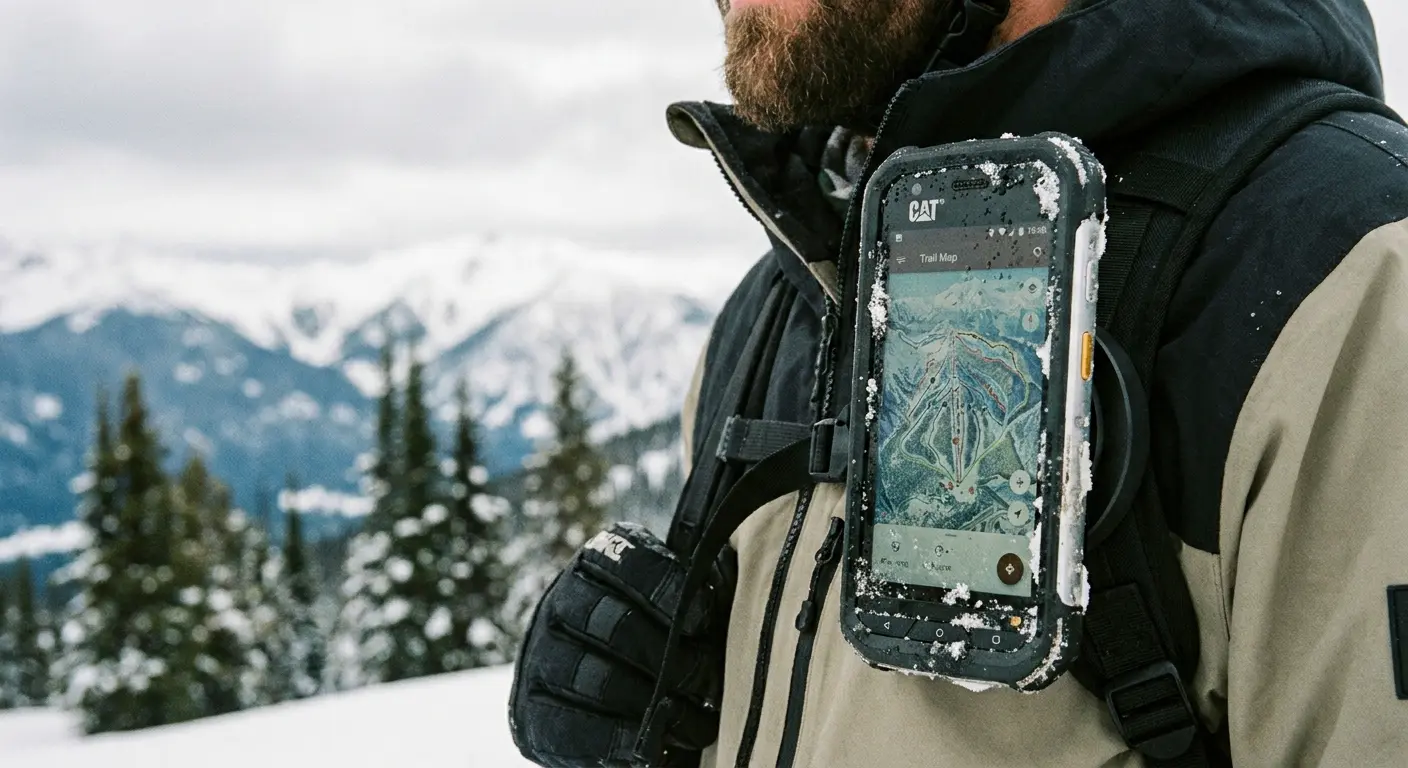
Rokform's rugged cases use this RokLock twist-lock mounting system you can actually operate with gloves on (revolutionary concept, I know). The magnetic mount means I keep my phone on my chest strap for filming, then snap it off for lift ticket scanning without fumbling around like an idiot.
Mine's survived two full seasons including a yard sale at Copper where I lost a ski, my pole, and my dignity.
Phone was fine.
When searching for the best gifts for snowboarders, consider how rugged phone cases provide essential protection that standard options can't match on the mountain.
2. Heated Insoles with App Control
My toes have ended more days than bad snow conditions. You can wear three jackets if you want. Doesn't matter. Once your toes go numb, you're done.
App-controlled heated insoles sound gimmicky. They're not.
You adjust the temp from your phone without taking off your boots, which, if you've ever tried changing anything mid-mountain with frozen fingers, you'll understand why this matters.
Good ones run 6-8 hours on a charge. I've pushed mine to 4pm at Copper in 8°F weather on medium heat. Battery still showed 40%.
Tried the cheap Amazon heated insoles first. Both pairs died within a month. One just stopped heating, the other's battery swelled up and I had to throw it out.
Get insoles with zone heating that focuses warmth on the toes specifically, since that's where circulation fails first. This gift extends riding time by hours, especially for anyone dealing with Raynaud's or naturally cold extremities.
3. Avalanche Airbag Pack (Compact Version)
More people are getting into backcountry, which is great until you realize half of them don't have proper avy gear.
Don't be that person.
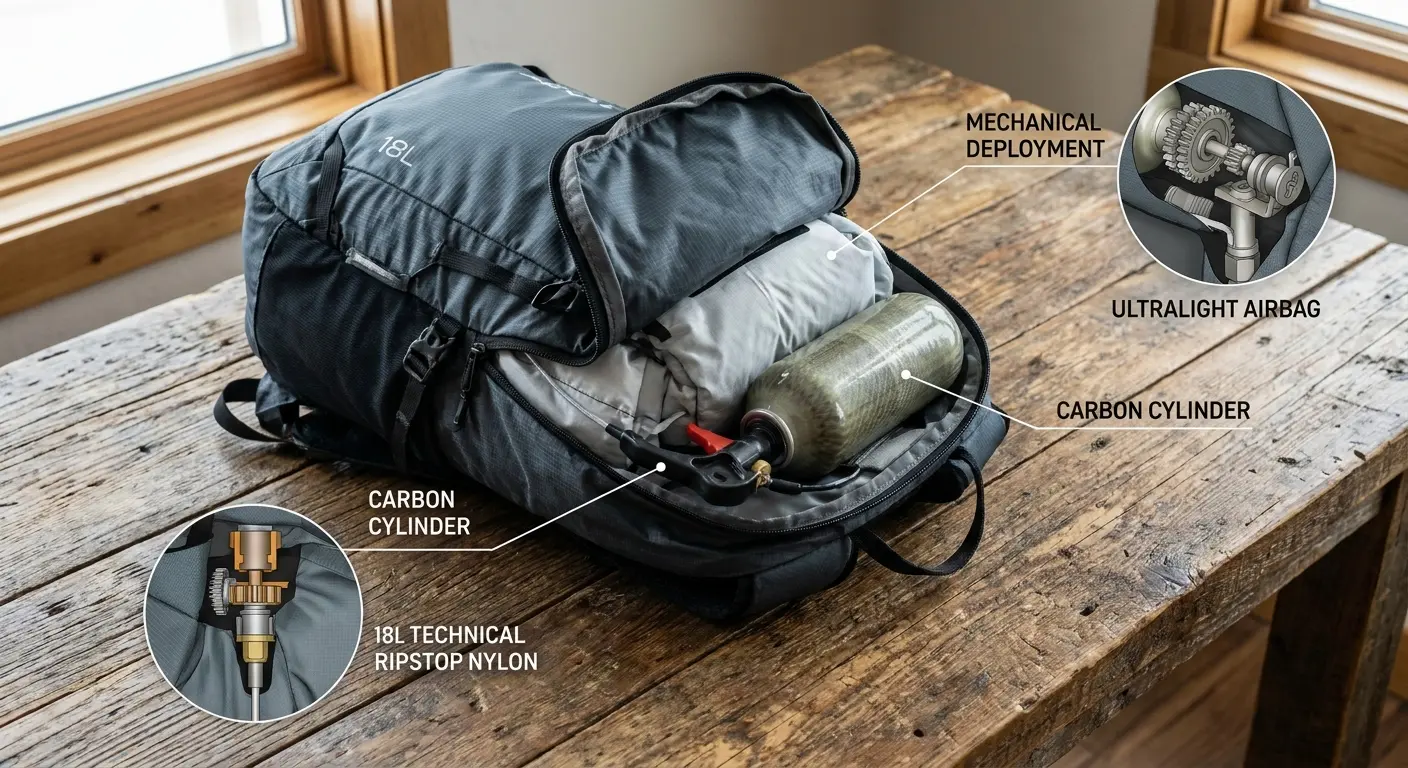
The new compact airbag packs weigh under 4 pounds. Four pounds. The old ones felt like carrying a small engine on your back. These use supercapacitor technology instead of compressed air canisters, so you don't need refills. You can reuse them.
This is one of those gifts for snowboarders that acknowledges someone's progression without being preachy about safety.
Pair it with an avalanche education course voucher if you really want to make an impact. Just don't be preachy about it.
4. Wrist Guards with Integrated Impact Sensors
I've broken my wrist twice. Once learning to ride, once trying to look cool in the park.
Both times could've been avoided.
Most wrist guards suck. They're bulky and you can't move naturally. The new ones have impact sensors that log hard falls and auto-send your location to emergency contacts if you take a big hit.
This matters more than it sounds. My buddy Jake took a hard fall in the trees last season, couldn't get cell service, had to wait 45 minutes for someone to find him. These guards would've sent his location immediately.
Wrist injuries account for nearly 40% of snowboarding injuries. For gifts for female snowboarders, proper wrist protection becomes even more critical since women's biomechanics create different injury patterns and recovery timelines.
These guards give you both protection and a backup communication system.
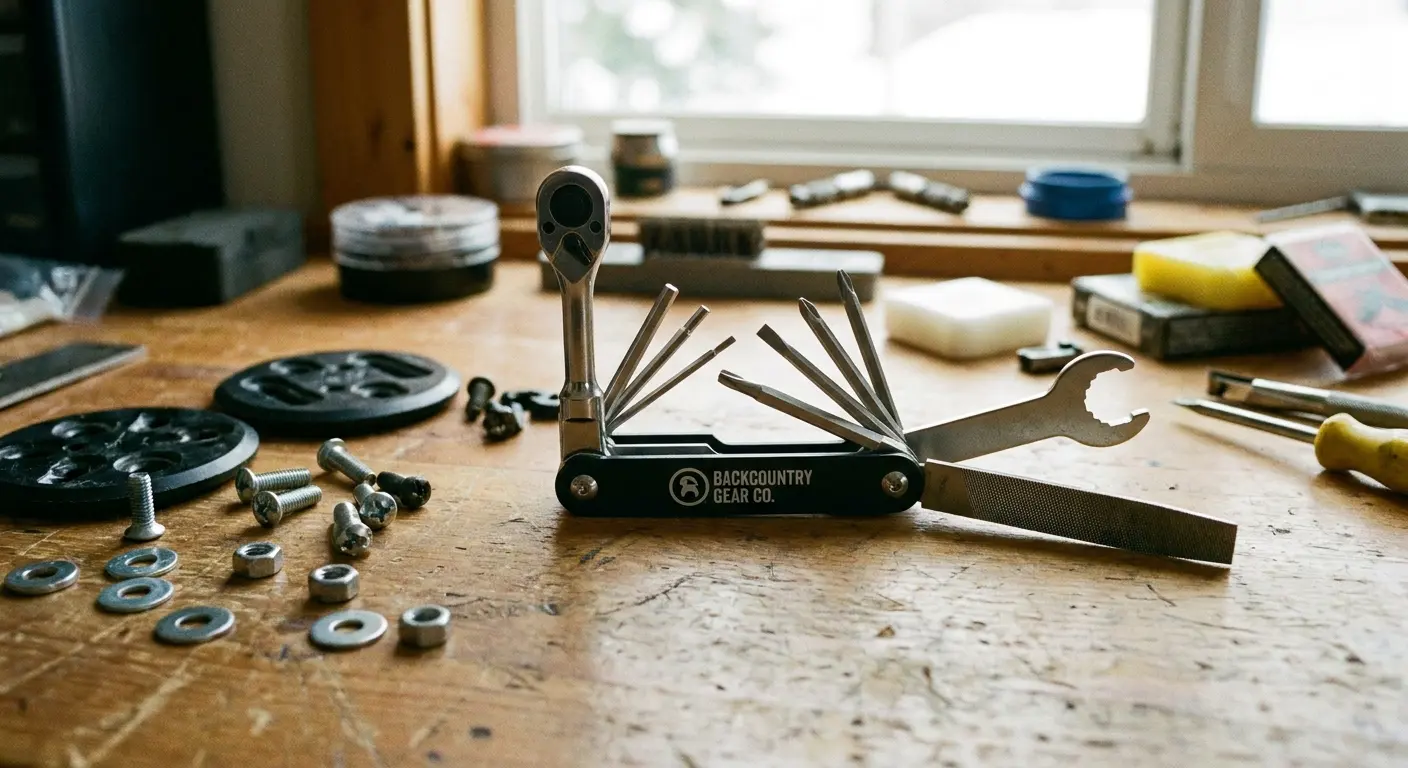
5. Multi-Tool Designed for Board Maintenance
Standard multi-tools aren't built for snowboard hardware. The screwdriver heads strip out, the wrench sizes are wrong, and they're too bulky to carry.
Burton and Demon United both make snowboard-specific tools that include the exact sizes you need for bindings, plus edge tuners and stone grinders for field repairs.
Toss in a small bottle of all-temp wax and you've got a complete maintenance kit that fits in a jacket pocket.
This is the gift for riders who care about their setup and don't want to pay shop rates for basic adjustments. I keep one in every jacket I own because binding screws loosen at the worst possible times.
Side note: why do binding screws always loosen on the chairlift specifically? Like, the one place you can't fix them? Physics? Karma?
6. Portable Waxing Iron with Temperature Control
Waxing your own board saves hundreds per season and gives you control over performance.
Portable irons with digital temperature control prevent the scorching that ruins bases. It happens more than people think, especially with cheap irons that spike hot. The cordless models charge via USB-C and heat up in under two minutes.
Include a wax selection guide based on snow temperature ranges, because most riders don't realize that using the wrong wax is almost as bad as not waxing at all.
This snowboard gift idea pays for itself in three uses and gives riders independence from shop schedules.
When Your Tech Dies, Your Day's Over
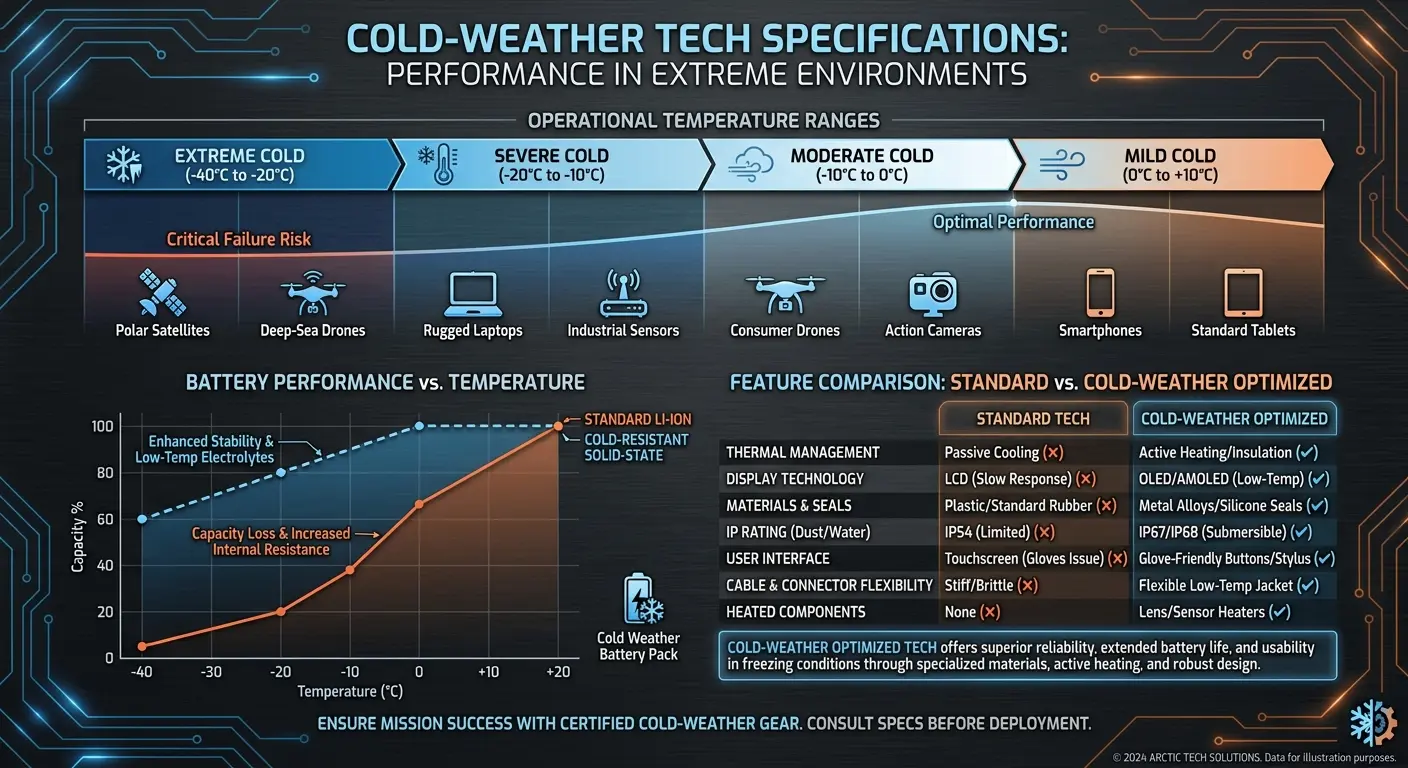
Standard consumer electronics fail spectacularly in mountain conditions. Touch screens stop responding. Batteries drain in minutes. Buttons become impossible to press with gloves on.
I'm focusing on tech that's been engineered for cold weather operation, not just marketed toward outdoor enthusiasts. These gifts for snowboarders acknowledge that staying connected and capturing content matters to riders, but only if the gear functions when temperatures drop below freezing. Anyone shopping for a hiker instead should see my gifts for hikers list.
7. Solar-Powered Battery Bank (Cold-Rated)
Regular battery banks are basically useless in the cold. Mine used to die by lunch on freezing days, even fully charged.
My friend bought a regular Anker battery bank. Worked great until we hit the mountain. Dead by lunch in 15°F weather.
Cold-rated models use lithium polymer cells that maintain performance down to -4°F. The Goal Zero Venture series has solar panels on top for trickle charging. Sounds gimmicky but it actually works on long days.
Used one on a three-day backcountry trip last March. The solar charging kept it alive when we were away from outlets. Didn't expect it to actually work. Figured it was marketing BS. But it made a real difference.
Get the 10,000mAh version. Capacity doesn't matter if it dies in the cold anyway.
The rubberized exteriors don't become brittle in freezing temps, which is another failure point for standard models. For those wondering which phone has the best battery life in extreme cold, understanding cold-rated tech becomes essential for mountain use. Understanding phone power banks helps you choose models that maintain performance when standard options fail in freezing conditions.
8. Action Camera with Voice Control
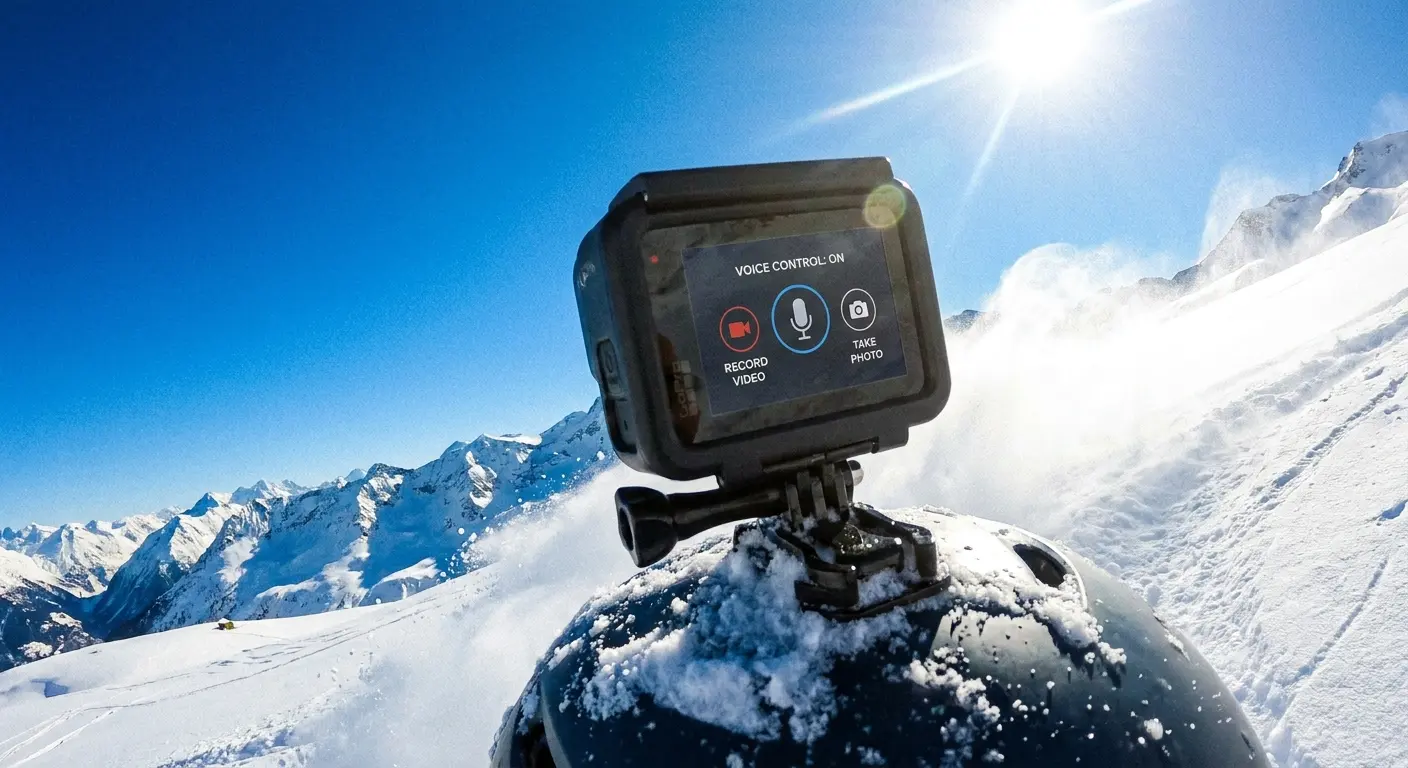
Voice control on GoPros changed filming completely. You can yell "start recording" without stopping or taking off gloves.
Sounds simple. It is. That's why it's perfect.
Hero 12 is my pick. The horizon leveling keeps footage stable even when you're rotating. I'm a chest mount guy. You get your full body and board in frame. Helmet mounts give cleaner POV but you miss your stance.
The DJI Osmo Action 4 works too. Both have voice control that actually functions in wind and noise.
Buy both mounting options with the camera. Having choices means you'll actually use it instead of leaving it in your bag because swapping mounts is annoying. I've found that carrying multiple mounting systems is the difference between footage you'll watch and footage that stays on your SD card forever.
9. Bluetooth Helmet Audio System
Earbuds fall out, over-ear headphones don't fit under helmets, and phone speakers are useless on the mountain.
Outdoor Tech's Chips 3.0 and similar systems mount directly into helmet ear pads and include built-in mics for calls. The better models have glove-friendly controls and battery life that lasts multiple days.
This isn't about blasting music, though you can. It's about taking calls from the lift, hearing turn-by-turn directions in unfamiliar resorts, and staying connected to your group without pulling out your phone every five minutes.
Also, whoever designed standard earbuds clearly never tried keeping them in while snowboarding. They last about 30 seconds before falling out.
10. GPS Tracker for Gear (Not Just Location)
AirTags aren't just for finding lost stuff.
The real use? Theft prevention.
Attach one to your board, boots, bag. Someone walks off with your gear at lunch? You get an instant alert and can track where it goes.
I've recovered a stolen board this way. Guy took it from the rack outside the lodge, I got the alert before he even made it to the parking lot. Walked right up to him. He claimed it was a mistake.
Sure, buddy.
The new Chipolo trackers include louder speakers (120dB) that you can actually hear in noisy lodge environments. AirTags are $29. There's no excuse not to have one on your board.
Pairing GPS trackers with AirTag holders creates a complete gear protection system for expensive snowboard equipment.
11. Heated Lens Case for Goggles
Goggle fog ruins visibility and there's no quick fix once it starts.
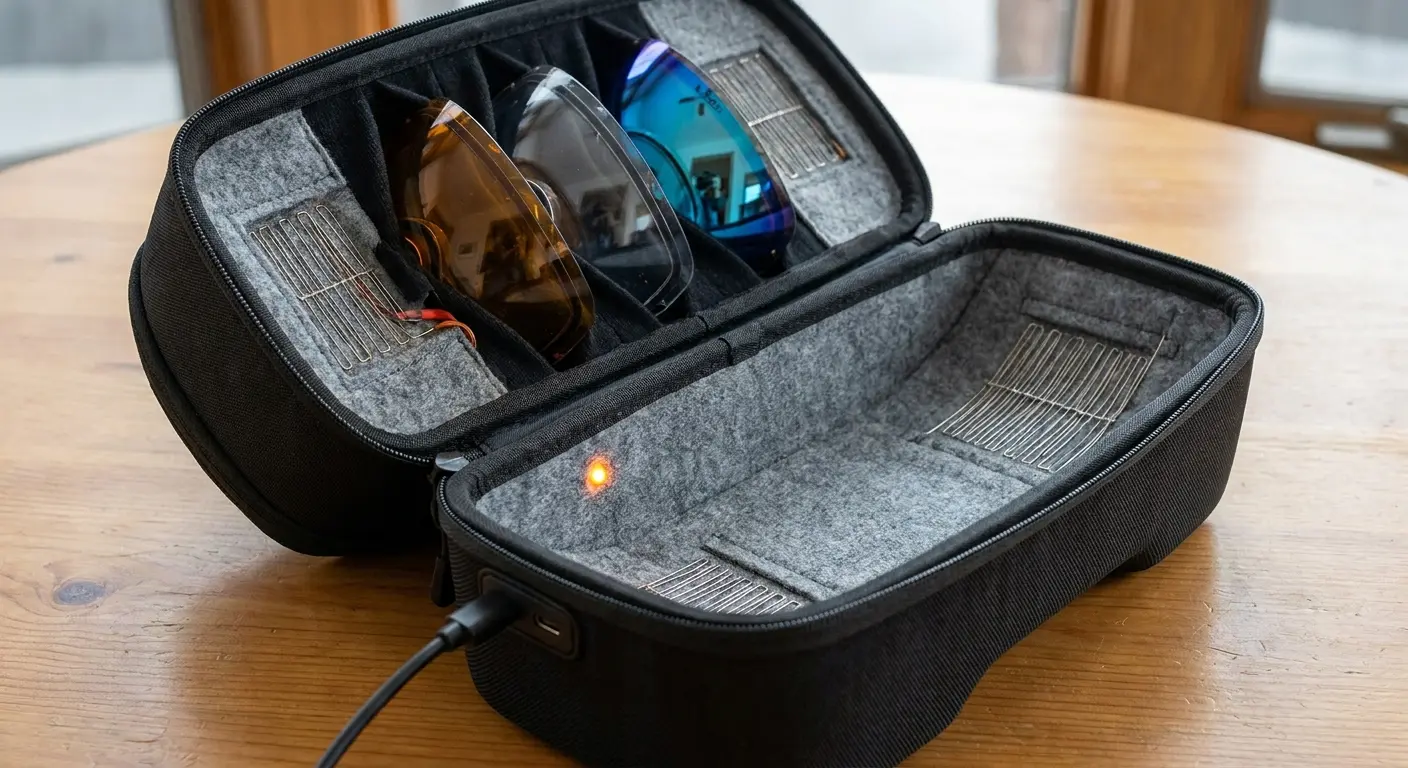
Heated lens cases prevent the problem by keeping spare lenses at optimal temperature and completely dry between uses. Smith and Anon both make cases with USB-powered heating elements and moisture-wicking interiors.
The key is having a warm, dry lens ready when conditions change. Storm rolls in and you need to swap from sunny to low-light? Your backup lens is already at the right temperature and won't fog immediately when you make the switch.
Seems excessive. Until you need it. Then it's essential.
12. Waterproof Walkie-Talkies with Extended Range
Cell service is spotty at best in most mountain terrain.
Walkie-talkies with 30+ mile range (realistically 2-3 miles in mountains) keep groups connected without relying on towers. The Motorola T800 series includes weather alerts, NOAA radio access, and they're fully submersible.
This gift is essential for backcountry riders but also valuable at resorts for coordinating meet-ups without burning through phone batteries.
Set your group to a specific channel and you've got instant communication all day. I've used these to coordinate powder stashes and avoid crowded runs more times than I can count. Also useful for warning friends when ski patrol is checking passes at the bottom.
Tech Gift |
Operating Temperature |
Battery Life (Cold Weather) |
Glove-Friendly |
Key Feature |
|---|---|---|---|---|
Cold-Rated Battery Bank |
-4°F to 140°F |
Maintains 90%+ capacity |
N/A |
Solar trickle charging |
Action Camera (GoPro Hero 12) |
14°F to 95°F |
1.5-2 hours |
Voice control |
Horizon leveling during rotation |
Bluetooth Helmet Audio |
-4°F to 113°F |
10+ hours |
Yes |
Direct helmet pad integration |
GPS Tracker (Chipolo) |
-4°F to 140°F |
6-12 months |
Yes |
120dB speaker volume |
Heated Goggle Case |
Heats to 104°F |
4-6 hours |
N/A |
Moisture-wicking interior |
Waterproof Walkie-Talkie |
-22°F to 140°F |
10-12 hours |
Yes |
NOAA weather alerts |
Your Body Needs This
Snowboarding beats up your body in ways that don't show up until the next morning.
Most gift guides ignore recovery entirely, focusing only on what you use on the mountain. Consistent riding requires consistent recovery. These gifts extend your season by preventing the accumulated fatigue and minor injuries that force people off the mountain.
Female snowboarders especially benefit from targeted recovery tools, since women's biomechanics create different stress patterns and injury risks. When considering gifts for active adventurers, recovery tools become essential for maintaining performance throughout the season.
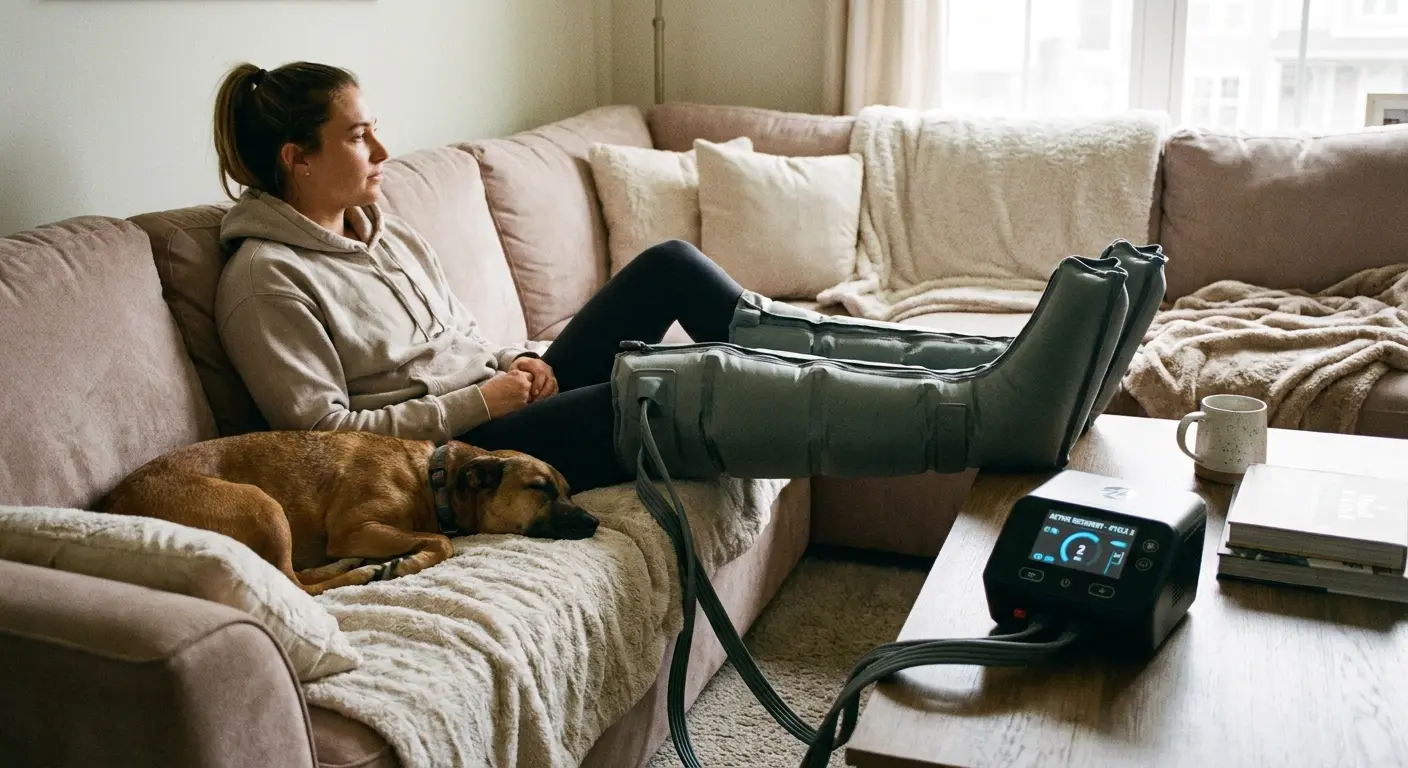
13. Compression Boots for Post-Ride Recovery
Compression boots are expensive. Like $500-700 expensive.
But if you're doing multi-day trips or trying to ride every weekend, they're worth it.
Therabody's RecoveryAir system and similar compression boots squeeze your legs in sequence, pushing fluid back up toward your core. Sounds weird. Feels amazing. The difference in how you feel the next morning is dramatic. Less soreness, less stiffness, you can actually move.
Used these after three straight powder days at Jackson last season. Day four I felt better than day two.
That doesn't happen normally.
Riders who use compression boots consistently report less soreness and faster turnaround between riding days. This matters most for people doing multi-day trips or trying to ride every weekend through the season.
14. Targeted Massage Gun with Cold Therapy Attachment
Get a massage gun with a cold therapy attachment. The attachment stays cold for 3+ hours without refrigeration. Some NASA phase-change material thing.
Hit your hip flexors (from your stance), lower back (from absorbing impacts all day), and calves (boot pressure). I use mine after every riding day now. Prevents that chronic tightness that builds up over the season.
Theragun or Hyperice. Both work. Pick whichever's on sale.
The Theragun is louder than the Hyperice. Both work fine but if you're using it in a hotel room with other people, get the Hyperice.
15. Subscription to Physical Therapy App (Mountain Sports Focused)
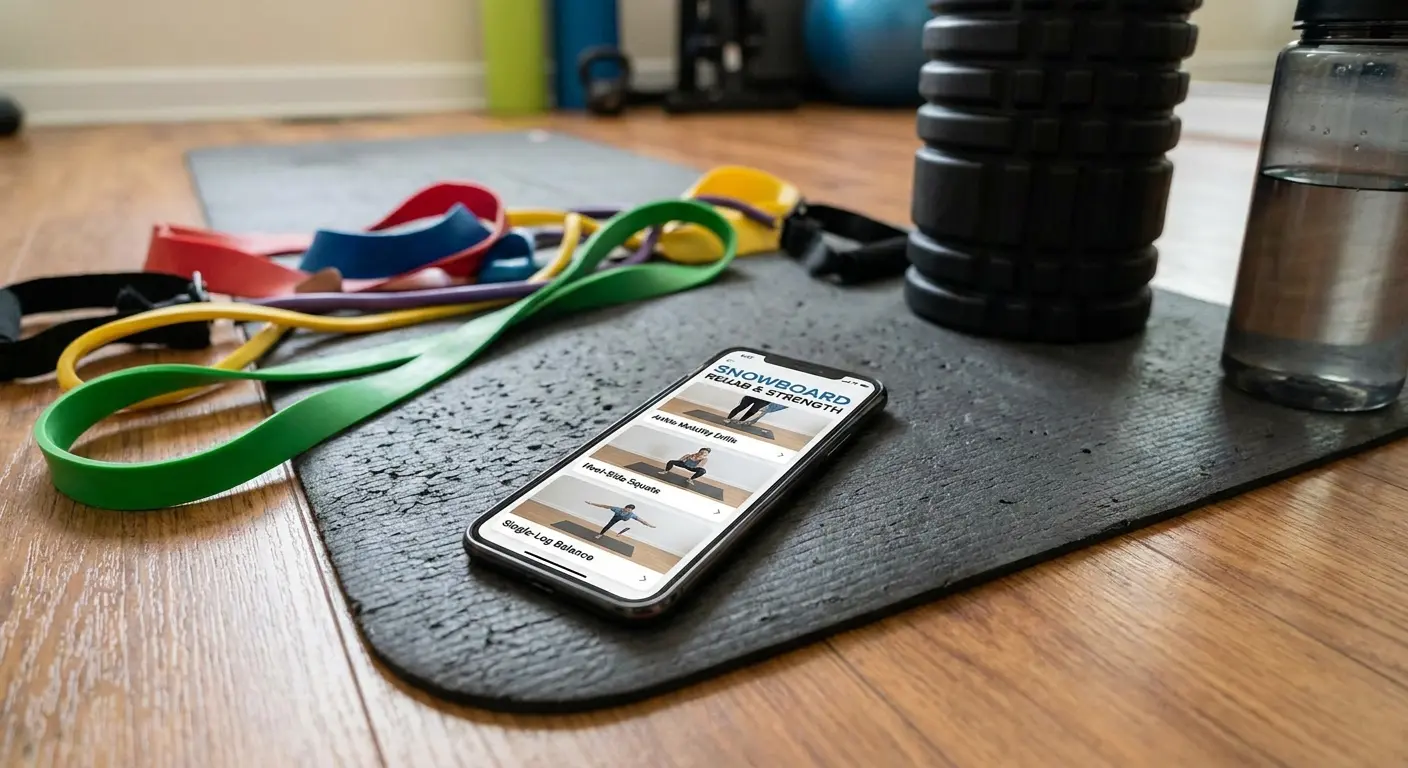
Apps like Prehab and MoveU offer sport-specific PT programs that prevent common snowboarding injuries. The programs focus on ankle stability, knee strength, and hip mobility. The three areas where snowboarders get hurt most often.
A year-long subscription runs $100-150 and includes video demonstrations, progress tracking, and modifications for existing injuries.
This is the gift for someone who's serious about progression and wants to avoid the injuries that end seasons early.
Pair it with a yoga mat and resistance bands for a complete prehab setup. These gift ideas for snowboarders focus on longevity rather than immediate gratification, but they pay dividends throughout the season.
16. Foam Roller with Vibration and Heat
Standard foam rollers work, but adding vibration and heat makes them way more effective.
The Hyperice Vyper series includes three vibration settings and heats to 113°F. The combination penetrates deeper into muscle tissue and provides relief faster than static rolling.
Target areas: IT bands which take a beating from edge pressure, quads which stabilize your entire stance, and thoracic spine which gets compressed from repeated impacts.
10 minutes with a heated roller after riding prevents the stiffness that usually shows up the next day. This tool addresses the chronic tightness that builds up over a season and limits your range of motion.
For ski lovers who need year-round fitness support, understanding best workout apps helps maintain the strength required for mountain sports. These gifts for ski lovers support both immediate recovery and long-term performance.
17. Sleep System Designed for Altitude
Altitude destroys sleep. Most resorts are above 7,000 feet and your body doesn't recover right when you can't sleep properly.
Altitude Control Technology sleep systems are absurdly expensive. $2,000+. They enrich oxygen while you sleep, basically simulating lower elevation.
For people who really struggle with altitude or do week-long trips to high resorts, they work.
Used one during a week at Breckenridge. Slept better, woke up with more energy. Noticeable from day one.
Worth it? Depends how committed you are to mountain life. $2,000 for a sleep system is absurd unless you're doing week-long trips to high altitude regularly. This is the ski themed gift for someone who's committed enough to mountain life that altitude adaptation is a real concern.
Why Your Phone Deserves Better Protection Than Your Board
I've spent this entire guide talking about protecting your body and extending your season, but there's one critical piece of equipment that gets overlooked constantly.
Your phone takes the same impacts your body does, often worse because it's mounted externally or sitting in pockets during falls.
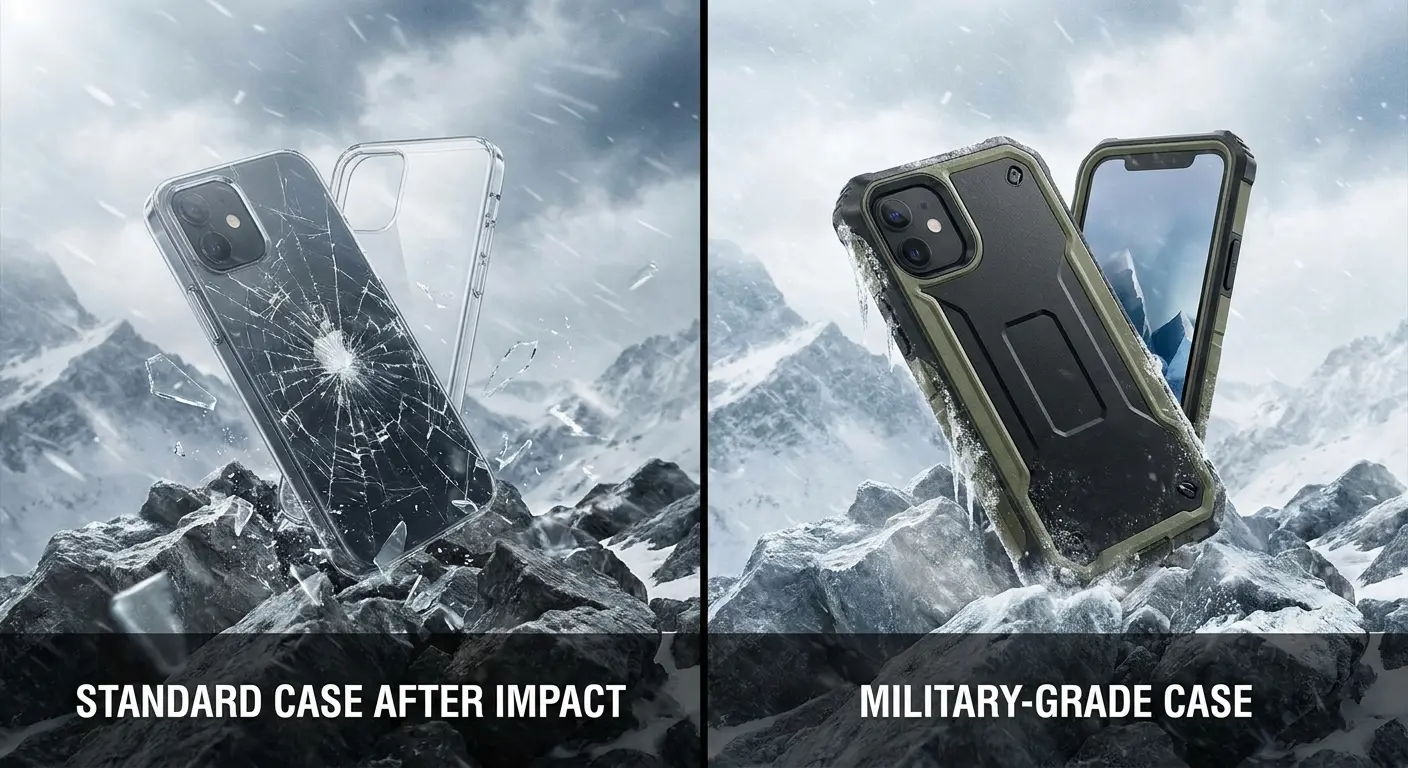
Standard cases aren't built for repeated impacts, extreme cold, or the magnetic mounting systems that make phones usable on the mountain. Rokform cases solve this specific problem. They're built with RokLock mounting that works with gloves on, military-grade drop protection that survives real mountain impacts, and magnetic systems that let you mount your phone anywhere you need it.
When your phone is your lift ticket, your safety device, and your way to capture the moments that make riding worth it, protecting it isn't optional.
Understanding how phone cases protect your phone becomes critical when your device serves as lift ticket, emergency contact, and camera on the mountain.
I've dropped my phone from chairlifts, taken hard falls with it in chest pockets, and watched it slide down icy slopes. The difference between a cracked screen that ends your day and a protected phone that keeps working is the quality of protection you choose.
Final Thoughts
Dead batteries, frozen fingers, and broken phones have ended more of my days than bad snow.
These 17 things fix those problems.
Skip the decorative items that look good but don't perform. Focus on gear that works when conditions get harsh, tech that functions when everything else freezes, and recovery tools that keep people riding longer. Whether you're shopping for female snowboarders who need better-fitting protection, experienced riders pushing into backcountry terrain, or weekend warriors trying to maximize their limited mountain time, these gifts address real needs.
I've tested everything on this list in real mountain conditions. Some items I've been using for years. Others are newer additions that solved problems I didn't realize I could fix. The common thread is that each one extends riding time, prevents injuries, or keeps critical equipment functioning when standard options fail.
When planning your Father's Day gift guide for snowboarding dads, these practical solutions outperform decorative options every time.
Cold feet, dead batteries, and broken phones end more riding days than people admit. Prevention costs less than replacement, both in money and in missed powder days.
Get the stuff that actually works.

