


You're standing in Target staring at screen protectors. There's an $8 one. There's a $45 one. They look basically identical.
What the hell is going on?
I've spent way too much time figuring out what's actually happening with screen protector pricing. Material costs account for roughly 15-30% of what you pay at checkout. The rest? That's this whole complicated mess of manufacturing costs, replacement cycles, installation failure rates, and a bunch of other stuff companies hope you won't think about.
What drives these price differences (manufacturing precision, warranty terms, replacement frequency) is the difference between smart protection and wasted money. I'm breaking down the complete cost structure most buyers never see, helping you calculate the true price of protecting your screen over its entire lifespan.
Table of Contents
The Real Price Breakdown: Beyond the Sticker Shock
Why Cheap Screen Protectors Cost You More in the Long Run
Material Science Dictates Your Wallet (And Your Screen's Future)
Installation Failures: The Expense Nobody Talks About
Warranty Fine Print and Replacement Economics
Brand Markup vs. Brand Value: Where Your Money Actually Goes
The Lifetime Cost Analysis You Should Run Before Buying
Screen Protector Pricing for Different Phone Models
Where Rokform Fits Into Your Protection Strategy
Final Thoughts
TL;DR
Screen protectors cost $5-60. Cheap ones seem like a deal but you'll replace them constantly. Mid-range ($20-30) is the sweet spot for most people. Installation tools matter way more than you think. Warranties are mostly useless. Do the math over two years, not just the sticker price. Phone model affects pricing through real manufacturing complexity and artificial market positioning. Universal protection systems save money if you switch phones often. That's it, that's the post.
The Real Price Breakdown: Beyond the Sticker Shock
What You're Actually Paying For (And What You're Not)
When you're wondering how much screen protectors actually cost and what justifies the price differences, materials make up about 15-30% of what you pay. The rest? Manufacturing precision, speed to market, retail markups, and a bunch of other costs that don't actually make your protector better.
Manufacturing precision matters more than raw materials in most cases. A tempered glass protector that fits perfectly requires laser-cut tolerances within 0.1mm. That equipment isn't cheap, and neither is the reject rate during production. Budget manufacturers skip secondary quality checks, shipping units that technically fit but leave gaps where dust collects or adhesive fails.
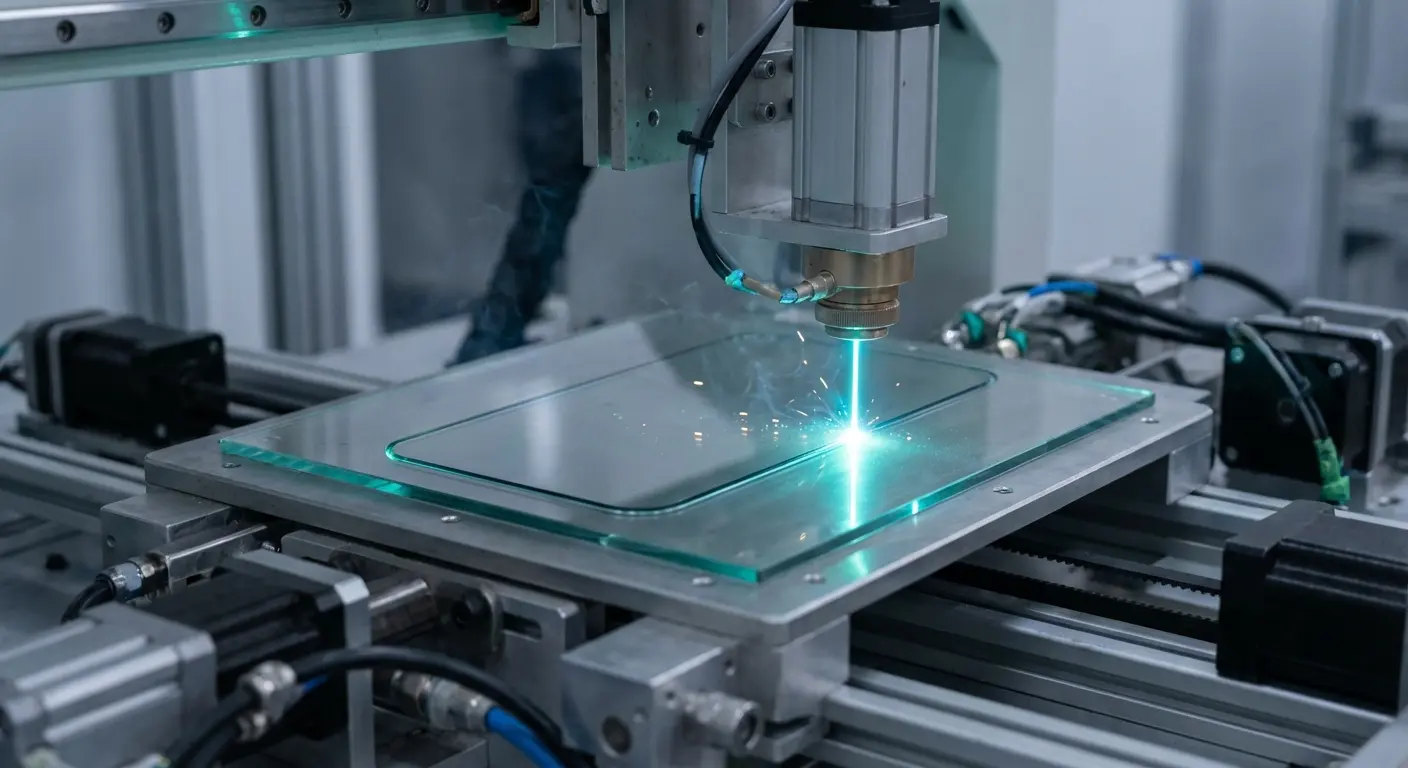
Then you've got the phone-specific R&D tax. Every time Apple or Samsung releases a new model with slightly different dimensions or camera arrays, manufacturers scramble to create new templates. Companies that move fast and get measurements right charge premium prices during the first 2-3 months of a phone's release. You're paying for speed to market, basically.
Take the iPhone 16 Pro launch in September 2024. Within the first two weeks, premium manufacturers like Spigen and Zagg released precisely fitted protectors for $35-45. Three months later, generic manufacturers flooded Amazon with functionally identical protectors for $12-18. Early adopters paid a 150-200% premium simply for immediate availability, not superior protection. The manufacturing cost difference? Negligible. You're paying for the manufacturer's investment in obtaining early device specs and rushing production.
Retail markup chains add another layer. A protector that costs $3 to manufacture might wholesale for $8, then retail for $25. Online direct-to-consumer brands cut out middlemen, which explains why Amazon basics or lesser-known brands can offer similar quality at 40-60% less.
But what most pricing doesn't include: the cost of your time, frustration, and potential reordering.
We'll get to that shortly.
The $5 to $60+ Spectrum Explained
Budget tier ($5-15) protectors usually mean PET plastic film or basic tempered glass with minimal oleophobic coating. You'll find these at gas stations, discount retailers, and Amazon's bottom-ranked listings. They work. Technically. Expect reduced touch sensitivity, visible rainbow effects under certain lighting, and adhesive that loses grip within 3-6 months.
Price Tier |
Typical Range |
Materials & Features |
Expected Lifespan |
Best For |
|---|---|---|---|---|
Budget |
$5-15 |
PET plastic or basic tempered glass, minimal coating, single unit |
2-4 months |
Light users, frequent phone upgraders, backup protection |
Mid-Range |
$16-35 |
Quality tempered glass, durable oleophobic coating, alignment tools, 2-3 pack |
6-12 months |
Most users, daily phone use, balanced value |
Premium |
$36-60+ |
Advanced materials, specialized coatings (privacy, blue light), installation frames, warranties |
12-24 months |
Heavy users, expensive devices, specific feature needs |
Mid-range options ($16-35) typically deliver tempered glass with better coatings, improved clarity, and case compatibility guarantees. This tier includes most name-brand offerings from Zagg, Spigen, amFilm, and similar companies. You're paying for consistent quality control, responsive customer service, and replacement warranties that actually get honored. If you're asking how much screen protectors are worth investing in, this tier offers the best balance for most users.
Premium segment ($36-60+) brings specialized features: anti-blue light filtering, privacy screens, antimicrobial coatings, or ultra-thin designs that preserve the original screen's feel. Some high-end protectors include installation frames or alignment tools that practically guarantee perfect application. Others focus on extreme durability with multiple layers or self-healing polymers.
Retail location creates weird price distortions. That same $25 protector might cost $45 at a mall kiosk where someone installs it for you. Airport electronics shops charge whatever they want because you're desperate and captive. Online prices tend toward the lowest sustainable point, but shipping times mean you're risking your naked screen for 2-5 days.
Phone carrier stores present another pricing puzzle. They'll charge $40-50 for installation included, using products that retail for $20-30 elsewhere. You're paying for convenience and immediate protection. Which has legitimate value if you just dropped $1000 on a new device.
Why Cheap Screen Protectors Cost You More in the Long Run
The Replacement Cycle Nobody Mentions
A $10 phone screen protector seems like smart budgeting until you're buying your fourth one in a year.
Cheap protectors fail in predictable patterns. Adhesive degrades faster, especially around edges where your fingers repeatedly swipe. The oleophobic coating (that's what makes your screen smooth and fingerprint-resistant) wears off within weeks on budget options. Suddenly your screen feels sticky, smudges constantly, and you're wiping it every ten minutes.
You convince yourself the next one will last longer.
It doesn't.
Mid-quality tempered glass typically survives 6-12 months of normal use before edge lifting or coating degradation forces replacement. Premium options often make it through an entire phone ownership cycle, assuming you don't drop your device onto concrete.
Run the math over 24 months. Five $10 protectors cost $50 plus your time for five separate purchase-and-installation sessions. One $35 protector that lasts the full period saves you money and aggravation. Two $35 protectors over the same timeframe costs $70, but you've only dealt with installation twice.
My coworker Sarah did exactly this. Bought a three-pack of $8 budget protectors from a 7-Eleven when she got her iPhone 14. I remember because she texted me a photo like "Look at me being responsible!" Six weeks later she's complaining the screen feels gross. Two months after that, there's dust under the edges. She burned through all three in four months, then finally asked me what I use. Total spent: $24 over four months. She then bought a $28 Spigen protector with an alignment frame that lasted her remaining 20 months of phone ownership. Her budget approach cost nearly as much while providing inferior protection and requiring four separate installations instead of one.
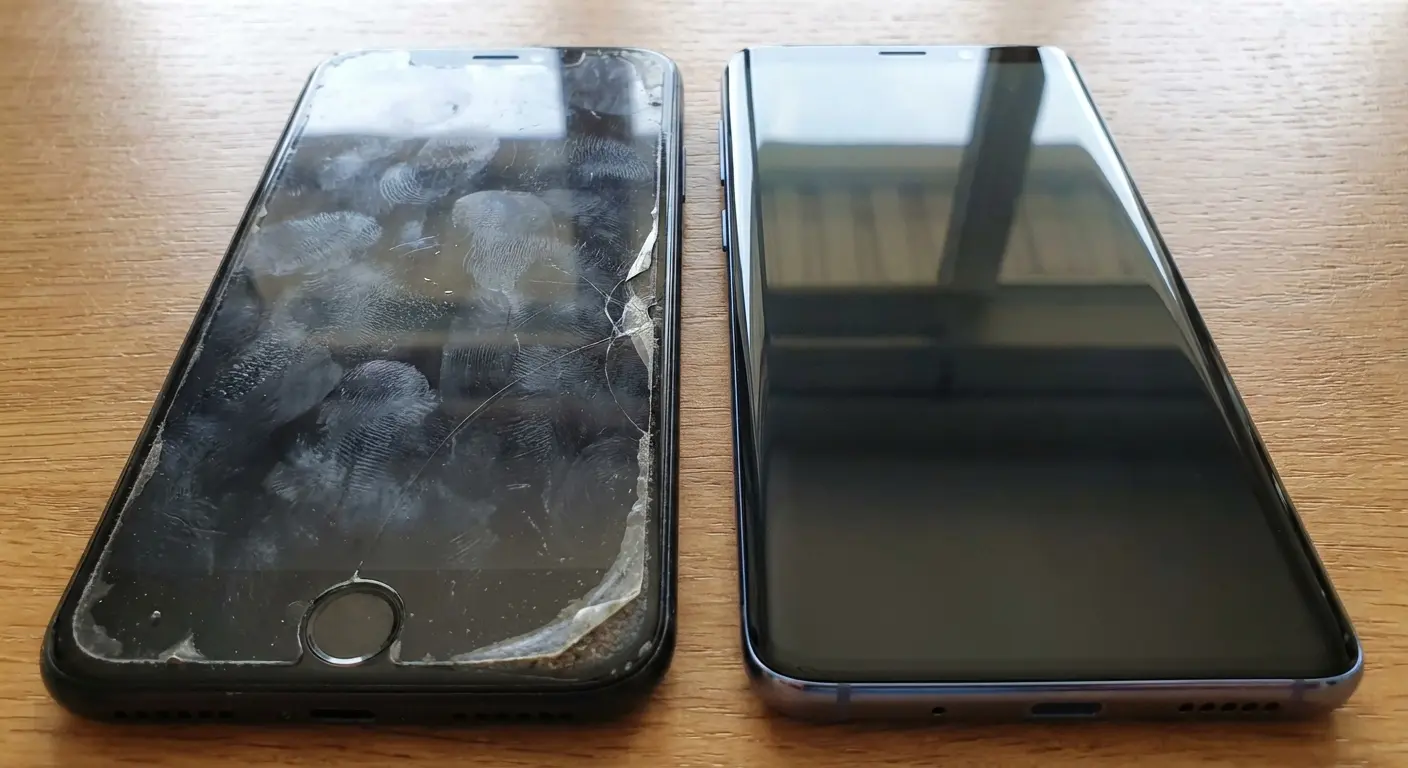
The calculation shifts further when you think about installation failure rates. Budget protectors often come with one unit per package. Mess up the application? You're buying another. Quality brands typically include 2-3 protectors or offer free replacements for installation errors.
And there's the protection effectiveness gap. A failing protector with lifted edges doesn't guard against drops or scratches anymore. You might be walking around thinking you're protected when you're vulnerable. That's a cost that only becomes visible when your screen shatters.
Performance Degradation You Can't See
Your phone screen protector isn't just sitting there. It's constantly interacting with your phone's display, your fingers, environmental contaminants, and the case pressing against it.
Touch sensitivity degradation happens gradually. You start pressing slightly harder to register taps. Swipe gestures require more deliberate motion. You probably blame your phone or assume you're imagining things. Usually, it's the protector's capacitive properties (how well your screen registers touches) breaking down as the adhesive layer deteriorates or micro-scratches accumulate on the surface.
Optical clarity takes similar hits. Budget protectors often develop a hazy appearance after a few months, reducing screen brightness and color accuracy. You compensate by cranking up brightness, which drains battery faster. The cumulative cost includes increased charging frequency and reduced battery lifespan.
Biometric sensor interference creates real security and convenience problems. Face ID systems can struggle with certain protector materials or thicknesses. Fingerprint sensors (especially ultrasonic ones on Samsung devices) require specific protector types to function properly. Cheap protectors might work initially but fail as adhesive thickness changes or air gaps develop.
Nobody thinks about this: trapped debris between protector and screen can cause permanent damage. Dust particles or dirt that work their way under lifting edges act like sandpaper every time you press your screen. You remove the protector eventually and discover scratches that weren't there before.
The protector you bought to prevent damage caused it.
Chemical interactions present another hidden risk. Some adhesives react with oleophobic coatings on phone screens, creating permanent rainbow patterns or cloudy spots. This happens more frequently with ultra-cheap protectors using adhesive formulations that haven't been properly tested.
Material Science Dictates Your Wallet (And Your Screen's Future)
Tempered Glass vs. TPU vs. Hybrid Technologies
Material choice determines everything else about your phone screen protector: price, durability, feel, and how well it protects.
Manufacturers take thin sheets of soda-lime glass (0.2mm to 0.4mm thick) and heat them to around 600°C, then rapidly cool them. This process creates compression stress on the surface and tension stress inside, making the glass 5-7 times stronger than untreated glass. When it breaks, it shatters into small, relatively harmless pieces instead of dangerous shards.
The ion exchange process adds another strength layer. Manufacturers immerse glass in a potassium salt bath, replacing smaller sodium ions with larger potassium ions. This creates additional surface compression, further increasing strength. Premium tempered glass protectors use this process. Budget options skip it to save costs.
Price range for tempered glass: $8-40 depending on thickness, coating quality, and manufacturing precision. Most tempered glass protectors range from about 0.2mm to 0.5mm thick, with thicker protectors offering better impact resistance but potentially affecting touch sensitivity.
TPU (thermoplastic polyurethane) and PET (polyethylene terephthalate) films take a different approach. These flexible plastics absorb impact energy rather than resisting it. They're nearly impossible to shatter, self-heal minor scratches, and cost less to manufacture. The tradeoff? They feel different than glass (slightly rubbery), show scratches more readily, and can develop a hazy appearance over time.
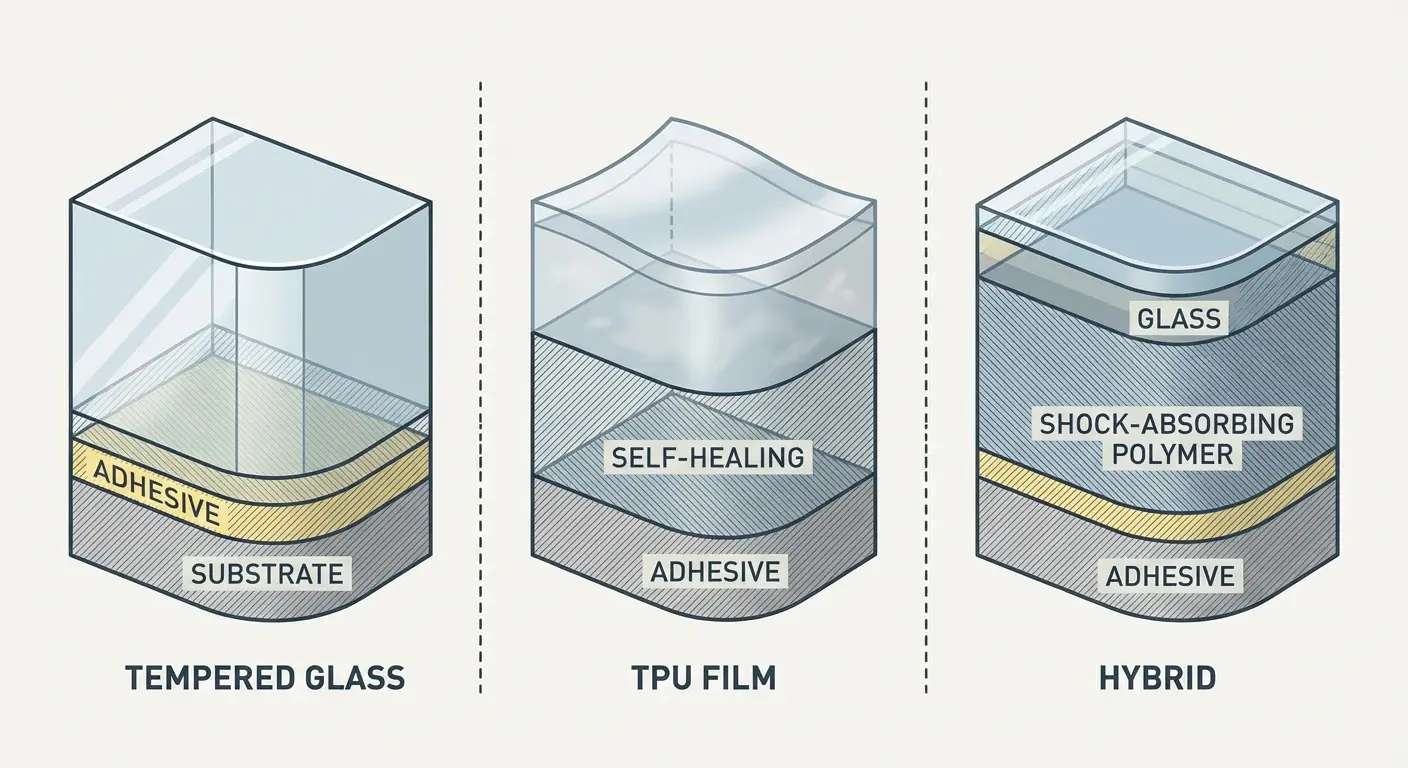
Film protectors typically cost $5-20, with premium versions featuring multiple layers or special coatings pushing toward $30.
Hybrid technologies attempt combining benefits from both worlds. Some use a TPU base layer for impact absorption topped with a hard coating for scratch resistance. Others sandwich thin glass between TPU layers. These engineered solutions often command premium prices ($30-50) because they require more complex manufacturing.
Which material justifies its cost? Depends entirely on your priorities. Tempered glass preserves the original screen feel and clarity better but adds thickness and weight. Films stay invisible and flexible but compromise on scratch resistance and tactile response. Hybrids split the difference at a price premium.
Coating Technologies That Actually Matter
Coatings separate adequate screen protectors from excellent ones, but manufacturers love slapping impressive-sounding names on treatments that barely work.
Oleophobic coatings repel oils from your skin, making fingerprints less visible and easier to wipe away. Quality oleophobic treatments use fluoropolymer compounds similar to Teflon, creating a molecular barrier that oils can't easily penetrate. This coating wears off over time through repeated touching and cleaning. Premium protectors use thicker, more durable coatings that last 8-12 months. Budget versions often wear off within 4-8 weeks, leaving you with a smudge magnet.
You'll know your oleophobic coating is dying when water stops beading up on the screen and fingerprints become more visible. There's no way to reapply it yourself effectively, which is why coating durability matters more than initial quality.
Hydrophobic treatments (water-repellent) often get bundled with oleophobic coatings but serve a different purpose. They're particularly valuable if you use your phone in humid environments, during workouts, or in light rain. Water droplets bead up and roll off instead of spreading across the screen, maintaining visibility and touch responsiveness.
Anti-fingerprint marketing often describes standard oleophobic coatings with fancier language. Don't pay extra for this unless the manufacturer specifies a proprietary formulation with documented longevity data.
Anti-glare coatings use micro-etching or matte finishes to diffuse reflected light. They genuinely help outdoor visibility but reduce screen sharpness and color vibrancy. You're trading clarity for usability in bright conditions. These typically add $5-15 to protector cost and make sense for specific use cases (construction workers, delivery drivers, outdoor enthusiasts) rather than general users.
Antimicrobial coatings gained popularity during the pandemic. Silver ion treatments or copper-infused materials inhibit bacterial growth on your screen surface. Do they work? Yes, somewhat. Are they worth a $10-20 price premium? Only if you're genuinely concerned about bacterial transmission and can't simply wipe your screen regularly with alcohol.
The coating that matters most?
Oleophobic, hands down. Everything else is situational or marketing fluff.
Installation Failures: The Expense Nobody Talks About
The Hidden Cost of Dust, Bubbles, and Misalignment
You've probably experienced this: carefully positioning a phone screen protector, lowering it slowly, then watching in horror as a dust particle creates a permanent bubble right in the middle of your screen.
Nothing's more annoying than a perfect installation ruined by a speck you couldn't see.
Installation failure rates vary dramatically by product design and price point. Budget protectors with simple adhesive layers fail during installation maybe 30-40% of the time for first-time users. Mid-range options with alignment guides or installation frames drop failure rates to around 10-15%. Premium protectors with specialized application tools can achieve success rates above 95%.
Each failed installation costs you either the full protector price (if only one included) or forces you to use a compromised product with bubbles or misalignment. A $10 protector with a 40% failure rate costs you about $17 on average when you factor in replacement purchases. That $30 protector with a 95% success rate costs maybe $32 in practice.
Dust contamination causes most installation failures. Your home environment contains thousands of airborne particles per cubic foot. Even one visible dust spec under your protector creates a bubble that won't disappear. Budget protectors often lack the dust removal stickers or cleaning cloths that make proper surface preparation possible.
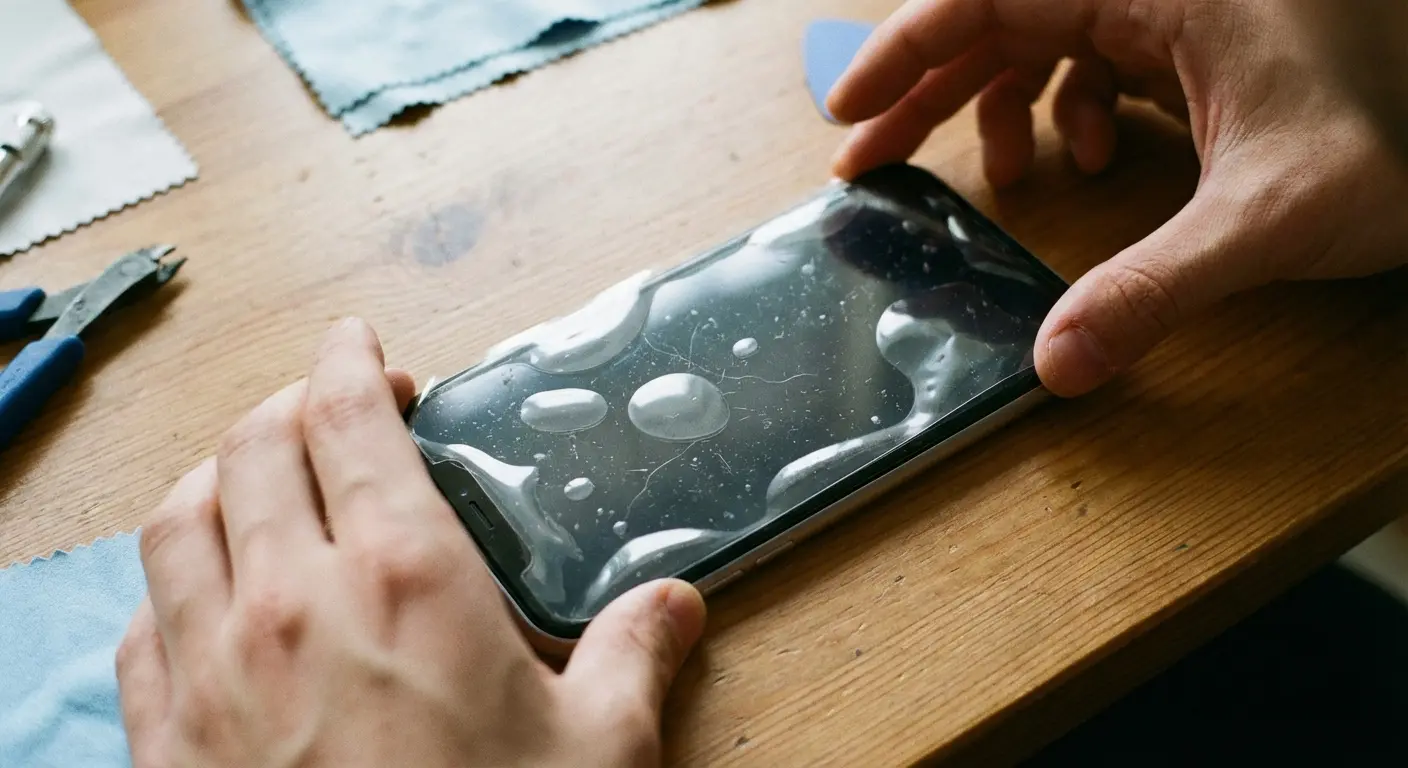
Professional installation services charge $10-20 on top of product cost. They work in controlled environments with filtered air and use specialized tools. The success rate approaches 99%, but you're paying for convenience and expertise. Does it make sense? Sometimes. If you've failed twice on your own with a $25 protector, spending $15 for guaranteed success beats buying a third one.
Air bubbles fall into two categories: those that disappear within 24-48 hours and those that don't. Small bubbles near edges usually work themselves out as adhesive settles. Large bubbles in the center? Those indicate adhesive failure or contamination. You're stuck with them unless you peel up the protector and try again (which often introduces new problems).
Misalignment creates functional problems beyond aesthetics. A protector shifted 1-2mm might cover your front camera, block your speaker, or leave screen edges exposed to impact damage. You can live with it, but you're not getting the protection you paid for. Most people tolerate minor misalignment rather than waste the product, which means they're accepting reduced value.
Why Installation Tools Matter More Than You Think
The difference between a $15 protector and a $30 one often comes down to what's in the box besides the protector itself. Understanding quality glass screen protectors means looking beyond just the glass.
Alignment frames or installation trays are game-changers for phone-specific protectors. These plastic guides snap onto your phone, creating a precise channel where the protector can only land in the correct position. You're eliminating the alignment variable entirely. Protectors including these tools typically cost $25-40, and the success rate justifies every extra dollar.
According to ZDNET's testing of iPhone 15 screen protectors, the Spigen Glas.tR EZ Fit with its auto-alignment tray system consistently delivers near-perfect installations even for first-time users, with ZDNET experts calling the frame system a feature that "makes applications a snap" and eliminates the guesswork that causes most installation failures.
Hinge stickers offer a budget-friendly alignment solution. You position the protector, tape one edge to your phone, then lift and lower it like a drawbridge. This prevents horizontal shifting while you work out bubbles. They work well but require more skill than alignment frames. Most mid-range protectors include these.
Dust removal stickers (those little adhesive tabs) are essential, not optional. They lift dust particles off your screen right before application. Budget protectors skip these entirely, forcing you to use tape or just hope for the best. That $5 savings costs you dearly when dust ruins your installation.
Microfiber cloths and alcohol wipes prepare your screen surface properly. Oil residue prevents adhesive from bonding correctly, creating bubbles and premature edge lifting. Quality protectors include both items. Cheap ones include neither, assuming you'll figure it out.
Squeeze cards or applicators help push out air bubbles and ensure even adhesive contact. The technique matters: work from center outward, using firm but not excessive pressure. Plastic cards work better than your fingers because they distribute pressure evenly and don't leave oils on the protector surface.
The value calculation: a $30 protector with comprehensive installation tools has a 90%+ success rate. A $12 protector without tools has maybe a 60% success rate. Over two attempts, the cheap option costs around $20 with double the frustration. The premium option costs about $33 with minimal hassle. You're paying $13 more for significantly better experience and outcomes.
Warranty Fine Print and Replacement Economics
What Lifetime Warranties Actually Cover (Spoiler: Not Much)
"Lifetime warranty" sounds impressive until you read what it means.
Most phone screen protector lifetime warranties cover manufacturing defects only. That means if your protector arrives cracked, has adhesive problems out of the box, or shows coating defects within the first 30 days, they'll replace it. Drop your phone and the protector shatters while protecting your screen? Not covered. That's the protector doing its job, but manufacturers consider it normal use, not a defect.
You know what really pisses me off about warranties? They're designed to sound protective while covering almost nothing that actually happens in real life.
Limited lifetime warranties add more restrictions. They might cover only the original purchaser, require proof of purchase, exclude shipping costs for replacements, or limit you to one or two claims total. You're paying for protection that expires after the first real incident.
Installation error coverage provides more practical value. Companies like Zagg and Spigen offer free replacements if you mess up installation, typically within 30-60 days of purchase. You pay shipping (usually $5-8), but you get a fresh protector. This coverage type directly addresses a real problem users face and has tangible economic value.
Satisfaction guarantees let you return the product if you're unhappy, usually within 30-60 days. These work well if you're trying a new brand or material type and want an escape route. The catch? You often pay return shipping and might receive store credit instead of a refund.
Customer service responsiveness determines whether any warranty has real value. A company with a 48-hour email response time and straightforward claim process provides genuine protection. A company that requires multiple emails, photos from six angles, and original packaging for a $20 claim is offering no warranty at all.
Read the warranty terms before buying, not after you need to make a claim. Companies banking on customer laziness bury restrictions in dense legal language. The ones confident in their products make warranty terms clear and simple.
The Replacement Cost Reality Check
Warranty replacements sound free until you factor in the complete picture.
Shipping costs for warranty claims typically run $5-10 each direction if you're required to return the defective product. Processing time adds another 7-14 days in most cases. You're either risking your naked screen for two weeks or buying a temporary protector to bridge the gap. That "free" replacement just cost you $15-20 in practical terms.
Some companies offer advanced replacement, shipping the new protector before you return the defective one. This solves the coverage gap problem but usually requires a credit card hold for the product's value. You need to return the defective unit within a specified timeframe or get charged. Miss the deadline by a day? You just bought two protectors.
Compare warranty replacement costs to simply buying a new protector. If the original cost $15-20, paying $10 in shipping for warranty replacement makes no economic sense. You'd be better off buying a fresh one from Amazon with two-day delivery. Warranties provide clear value only on protectors costing $30+ where shipping represents a smaller percentage of replacement cost.
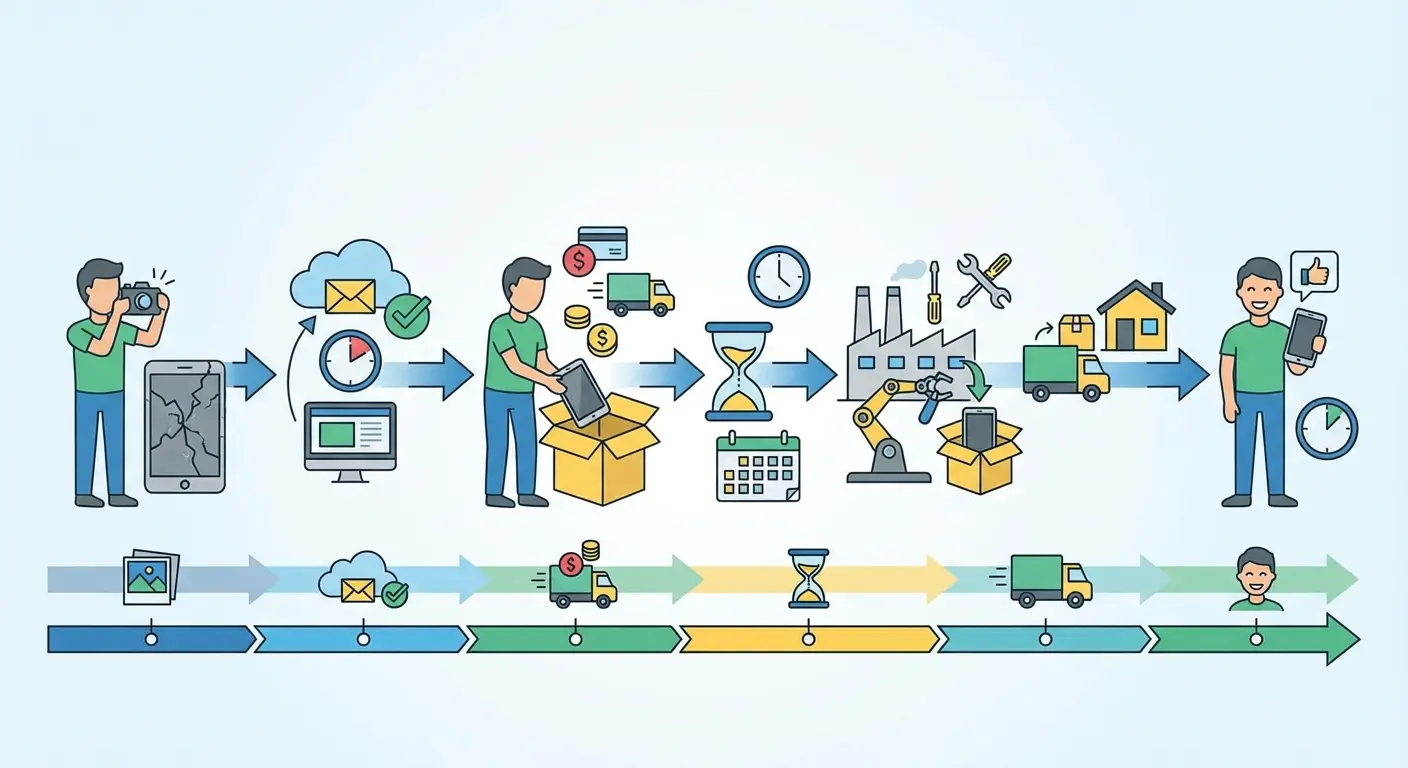
Subscription or protection programs flip the economics. Some companies offer annual plans ($20-30) covering unlimited replacements with free shipping. If you're hard on phones and replace protectors three or more times yearly, these programs save money. For typical users replacing once or twice annually, you're paying for coverage you won't fully utilize.
Warranty Value Assessment Checklist:
Before purchasing based on warranty coverage, evaluate:
Does the warranty cover installation errors or only manufacturing defects?
What's the claim process complexity (simple online form vs. multiple emails with photos)?
Are shipping costs covered for replacements, or do you pay $5-10 each way?
How long does replacement processing take (2 days vs. 2 weeks)?
Is there a limit on total claims (one replacement vs. unlimited)?
Does the warranty transfer if you sell your phone or give it to someone?
What proof of purchase is required (email receipt vs. original packaging)?
Is customer service responsive (24-48 hour replies vs. week-long delays)?
The replacement decision tree is straightforward: for protectors under $25, skip warranty hassles and just buy new ones as needed. For protectors $30+, warranty coverage has real value if the company's claim process is genuinely user-friendly. For frequent breakers, subscription programs make financial sense.
Brand Markup vs. Brand Value: Where Your Money Actually Goes
Recognizable Names and What They're Really Charging For
Zagg charges $40-50 for screen protectors that appear functionally identical to $15 alternatives. Are you paying for better protection or better marketing?
The answer splits depending on what you value. Established brands invest heavily in quality control systems that reduce defect rates. A Zagg or Spigen protector has maybe a 2-3% defect rate out of the box. Budget brands on Amazon might hit 8-12%. You're paying partly for consistency and reliability.
Customer service responsiveness represents another legitimate brand value. Major companies maintain staffed support teams that respond to inquiries within 24-48 hours and process warranty claims efficiently. Budget brands often operate with minimal support infrastructure. Your emails might go unanswered for days or weeks. When you need a replacement, that responsiveness difference matters significantly.
Retail presence costs money but provides value for certain buyers. You can walk into Best Buy and purchase a Zagg screen protector immediately, sometimes with installation service. That convenience and immediacy has worth, especially when you've just broken your current protector. Budget brands exist only online, requiring you to wait for shipping.
Research and development expenses get built into brand-name pricing. Companies that quickly release protectors for new phone models invest in obtaining early device specs, creating precision templates, and testing compatibility. You're paying for their speed to market. Budget manufacturers wait until phones are widely available, then reverse-engineer dimensions. Their protectors arrive 2-3 months later but cost half as much.
Marketing and sponsorship deals don't benefit you directly but drive up prices. When a brand sponsors YouTube tech reviewers or runs Super Bowl ads, those costs get passed to consumers. You're subsidizing their visibility whether you care about it or not.
The pragmatic assessment: brand premiums of 20-40% often justify themselves through better consistency, support, and convenience. Premiums exceeding 100%? That's usually pure brand tax with minimal corresponding value increase.
Generic Brands That Punch Above Their Price Point
Several brands you've never heard of make screen protectors that rival major names at 40-60% of the cost.
amFilm operates as a direct-to-consumer brand with minimal marketing spend. Their tempered glass protectors cost $8-15 and include installation frames, multiple units per package, and responsive customer support. Quality control matches mid-tier major brands. You're getting 80-90% of the performance at 35% of the price.
Supershieldz follows a similar model, focusing on high-volume sales of reliable products rather than premium positioning. Their protectors cost $7-12, typically come in 2-3 packs, and include adequate installation tools. They're not fancy, but they work consistently.
Spigen sits in an interesting middle position. They've built brand recognition among phone enthusiasts but maintain relatively affordable pricing ($15-25). Their quality control is excellent, customer service responsive, and product range comprehensive. You're getting brand reliability without excessive brand tax.
Tech Armor offers another solid mid-range option. Prices run $12-20, quality is consistent, and their warranty program functions smoothly. They've been around long enough to prove reliability but haven't inflated prices to match their reputation.
Unknown Brand Evaluation Framework:
When considering a budget or unfamiliar brand, check these indicators:
Quality Signals:
Amazon reviews over 1,000 with ratings above 4.3 stars suggest legitimate quality
Multiple units per package indicates manufacturer confidence in their product
Detailed product specifications (exact thickness, hardness rating, coating types) rather than vague marketing language
Clear warranty terms prominently displayed, not buried in fine print
Compatibility Verification:
Recent reviews (within 3 months) confirming compatibility with your specific phone model
Customer photos showing installation on your device
Mentions of case compatibility with popular case brands
Red Flags to Avoid:
Fewer than 500 total reviews
Suspiciously perfect 5-star ratings (often fake or incentivized)
Vague product descriptions without technical specifications
No warranty information or contact details
Reviews mentioning wrong dimensions or poor fit
The risk-reward ratio tilts wrong when you're gambling $8 to potentially save $15.
The Lifetime Cost Analysis You Should Run Before Buying
Calculating Total Cost of Ownership Over 24 Months
Most people buy screen protectors based on sticker price. Smart buyers calculate cost per month of protection, similar to how they evaluate the most protective phone cases for long-term value.
The framework: Total Cost = (Initial Price × Purchase Frequency) + (Shipping Costs × Warranty Claims) + (Installation Failures × Replacement Rate) ÷ 24 months.
Budget scenario: $10 protector, replaced every 4 months due to wear and installation failures. You'll buy 6 protectors over 24 months. Installation failure rate of 35% means roughly 2 additional purchases for failed installations. Total: 8 protectors × $10 = $80. Monthly cost: $3.33. Your screen has suboptimal protection for weeks at a time during transitions between protectors.
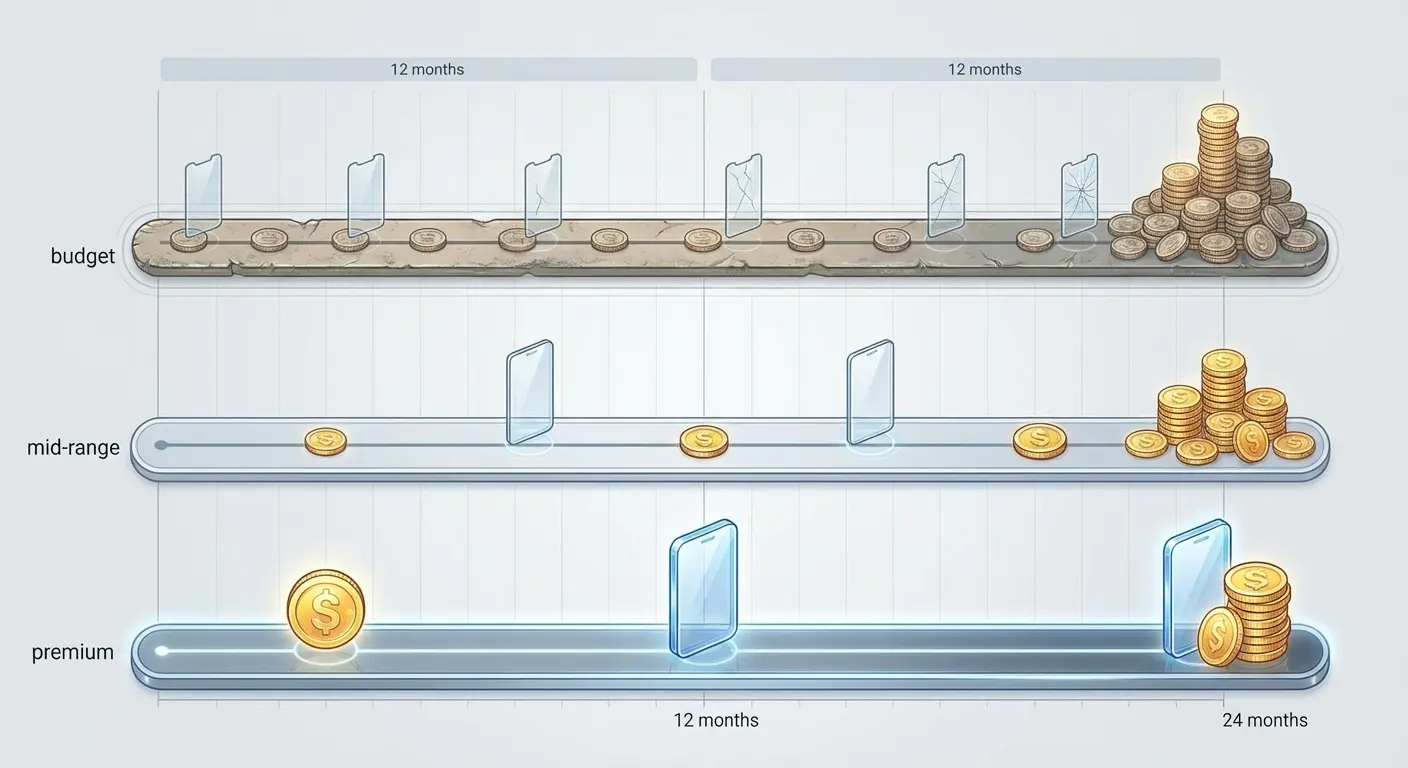
Mid-range scenario: $25 protector with installation frame, replaced every 10 months. You'll buy 3 protectors over 24 months. Installation failure rate of 10% means maybe 0.3 additional purchases. Total: around $82.50. Monthly cost: $3.44. But your screen maintains consistent, reliable protection throughout the period.
Premium scenario: $45 protector with advanced features, replaced every 18 months. You'll buy 2 protectors over 24 months (one replacement midway through). Installation failure rate under 5% means negligible additional cost. Total: about $95. Monthly cost: $3.96. You get the best protection quality and least hassle.
The surprising conclusion?
Monthly costs cluster within a $0.60 range across all tiers. You're not saving money with budget options. You're trading money for frustration, time, and inconsistent protection.
The calculation shifts if you're hard on phones. A high-quality tempered glass screen protector typically costs between $10 and $30, which can save you from the heartache of a cracked display. Repair costs at authorized centers range from $200 to $400. Someone who drops their device weekly might shatter 4-5 protectors annually regardless of quality. For them, budget options make more sense because they're replacing protectors due to impact damage, not wear. Total cost over 24 months might hit $100-120, but premium protectors would cost even more with the same replacement frequency.
Think about your usage patterns. Office workers with desk jobs can use budget protectors successfully. Construction workers, parents with young children, or outdoor enthusiasts should calculate based on higher replacement frequency and prioritize impact protection over cost savings.
The Hidden Value of Case and Mount Compatibility
Your phone screen protector doesn't exist in isolation. It needs to work with your case, your car mount, and your charging setup. Understanding how phone cases protect your phone means considering the entire protection ecosystem.
Case compatibility failures waste money in frustrating ways. You install a perfect screen protector, then snap on your case. The case's raised edge presses against the protector's edge, creating lift points where adhesive fails. Within days, you've got gaps where dust accumulates and protection degrades. Now you're choosing between keeping the case or keeping the protector.
Thickness matters more than most people realize. A 0.4mm protector might seem only slightly thicker than a 0.3mm option, but that extra tenth of a millimeter can prevent cases with tight tolerances from fitting properly. You'll find yourself forcing the case on, stressing both the protector and the case. Something's going to fail, and you'll end up replacing one or both.
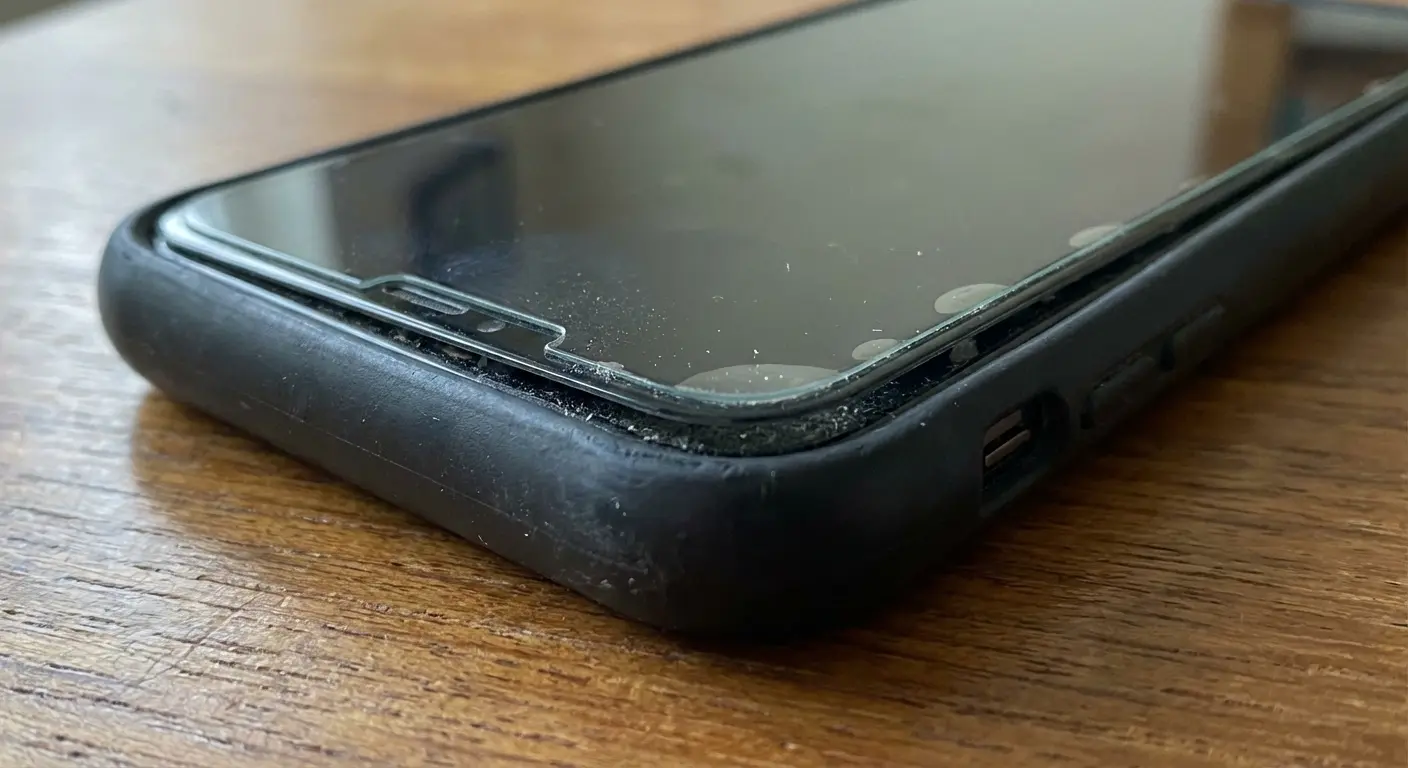
Wireless charging presents another compatibility minefield. Most modern protectors work fine with wireless charging, but thicker protectors (especially those over 0.5mm) or those with certain materials can reduce charging efficiency or prevent it entirely. You discover this after installation, then face the choice of living with slower charging or replacing the protector.
Magnetic mount systems add complexity. If you use magnetic car mounts, you need either a case with built-in magnets or adhesive metal plates. Those plates need to sit between your phone and case, which affects how the case fits over your screen protector. The whole system needs to work together, or you're buying replacements for components that should have lasted years.
Integrated protection systems solve these compatibility headaches by designing all components to work together from the start. You pay more upfront but eliminate the trial-and-error costs of finding compatible pieces.
Screen Protector Pricing for Different Phone Models
Why iPhone Protectors Cost More Than Android Options
iPhone screen protectors command premium prices that have nothing to do with manufacturing costs.
Market dynamics drive the price gap. iPhone users represent a more uniform market with higher average spending power. Manufacturers know iPhone owners just dropped $800-1200 on their device and are willing to protect that investment. Android's fragmented market across dozens of manufacturers and hundreds of models creates different economic pressure.
A tempered glass protector for iPhone 14 Pro costs $25-35 from mid-range brands. The functionally identical protector for Samsung Galaxy S23 costs $18-28. Same materials, same manufacturing process, different price tags. You're paying an Apple ecosystem tax.
Face ID compatibility adds legitimate cost. Protectors for iPhones with Face ID need precise cutouts and specific thickness tolerances to avoid interfering with the TrueDepth camera system. This requires more careful manufacturing and higher reject rates, justifying $3-5 of the price premium.
The rest? Pure market positioning.
According to Android Central's coverage of the Google Pixel 10a launch, dedicated screen protectors for the new device are readily available and "very affordable," with comprehensive three-pack options including camera lens protectors and installation frames selling for less than $10. This highlights how Android device protectors typically cost 40-60% less than iPhone equivalents despite offering similar protection levels.
Curved screen phones (Samsung's Edge displays, some OnePlus models) require more expensive protectors regardless of brand. The curved glass manufacturing process is more complex, adhesive application is trickier, and installation failure rates run higher. Protectors for curved screens cost $8-15 more than flat screen equivalents. This premium reflects genuine manufacturing challenges.
Ultrasonic fingerprint sensors (found on Samsung flagships) require specific protector types. Standard tempered glass blocks the ultrasonic waves, preventing the sensor from working. You need either TPU film protectors or specially designed tempered glass with specific thickness and material properties. These compatible protectors cost $5-10 more than standard versions.
Budget Android phones (under $300) have the cheapest protector options. Manufacturers know these phone owners are price-sensitive, so protectors for models like Moto G or Samsung A-series cost $6-12. The quality is often adequate because these phones have simpler screens without advanced features that complicate protector design.
Foldable phones represent the extreme end of protector pricing. Galaxy Z Fold and Z Flip protectors cost $40-80 because they require specialized flexible materials, complex installation processes, and often come with professional installation requirements. The small market size prevents economies of scale from bringing prices down.
Flagship vs. Budget Phone Protection Economics
Should you spend $45 protecting a $300 phone?
The math gets interesting.
Flagship phone owners ($800+) face clear protection economics. A $40 screen protector represents 5% of device value. Screen replacement costs run $200-400 depending on model. One prevented screen break pays for 5-10 protectors. The investment makes obvious sense.
Budget phone owners ($200-400) face murkier calculations. A $40 protector represents 10-20% of device value. Screen replacement might cost $80-150, but at that price point, many people just buy a new phone instead of repairing. Does spending $40 on protection make sense when the whole phone costs $300?
The answer depends on your relationship with the device. If you're keeping the phone for 2-3 years, protection makes sense even on budget devices. You're protecting against the inconvenience and data transfer hassle of replacement, not just the financial cost. A $20-25 protector represents reasonable insurance.
If you upgrade annually or view budget phones as disposable, minimal protection makes more economic sense. A $10 basic protector prevents casual scratches without significant investment. You're accepting the risk of screen damage because replacement cost approaches device value anyway.
Phone Value |
Screen Protector Budget |
Replacement Cost |
Protection ROI Threshold |
|---|---|---|---|
$200-400 (Budget) |
$10-20 (5-10% of value) |
$80-150 |
Prevents 1 screen break |
$400-700 (Mid-Range) |
$20-35 (4-8% of value) |
$150-250 |
Prevents 1 screen break |
$700-1000 (Premium) |
$30-45 (3-5% of value) |
$250-350 |
Prevents 1 screen break |
$1000+ (Flagship) |
$35-50 (3-4% of value) |
$300-450 |
Prevents 1 screen break |
Mid-range phones ($400-700) present the clearest case for quality protection. These devices are expensive enough that replacement hurts but not so expensive that you're already babying them. A $25-35 protector represents 4-8% of device value and prevents repair costs that would exceed half the phone's value.
Think about your insurance situation too. If you carry device insurance with a $200 deductible, screen protectors become less economically critical. You're already paying for protection. A basic $15 protector prevents minor damage while insurance covers catastrophic failures. Spending $45 on premium protection becomes redundant.
Where Rokform Fits Into Your Protection Strategy
Universal Systems and Long-Term Value
You've calculated screen protector costs over 24 months. Now calculate your total protection ecosystem cost over multiple phone cycles. Understanding universal phone mounts can dramatically reduce your long-term accessory spending.
Every time you upgrade your phone, you're potentially buying a new case, new screen protector, new car mount, new bike mount, and new mounting accessories. That's $100-200 in replacement costs every 2-3 years, even if your old accessories work perfectly fine. They just don't fit your new device.
Look, I'm going to be transparent here. Rokform's universal phone case system flips this economic model. As a leading universal phone case and universal phone mount brand, they've designed a protection ecosystem that works across phone upgrades. Their RokLock twist-lock mounting system stays consistent even when you switch from iPhone to Android or upgrade to the latest model. You're replacing the case (which needs to fit your specific phone) but keeping your mounts, accessories, and ecosystem.
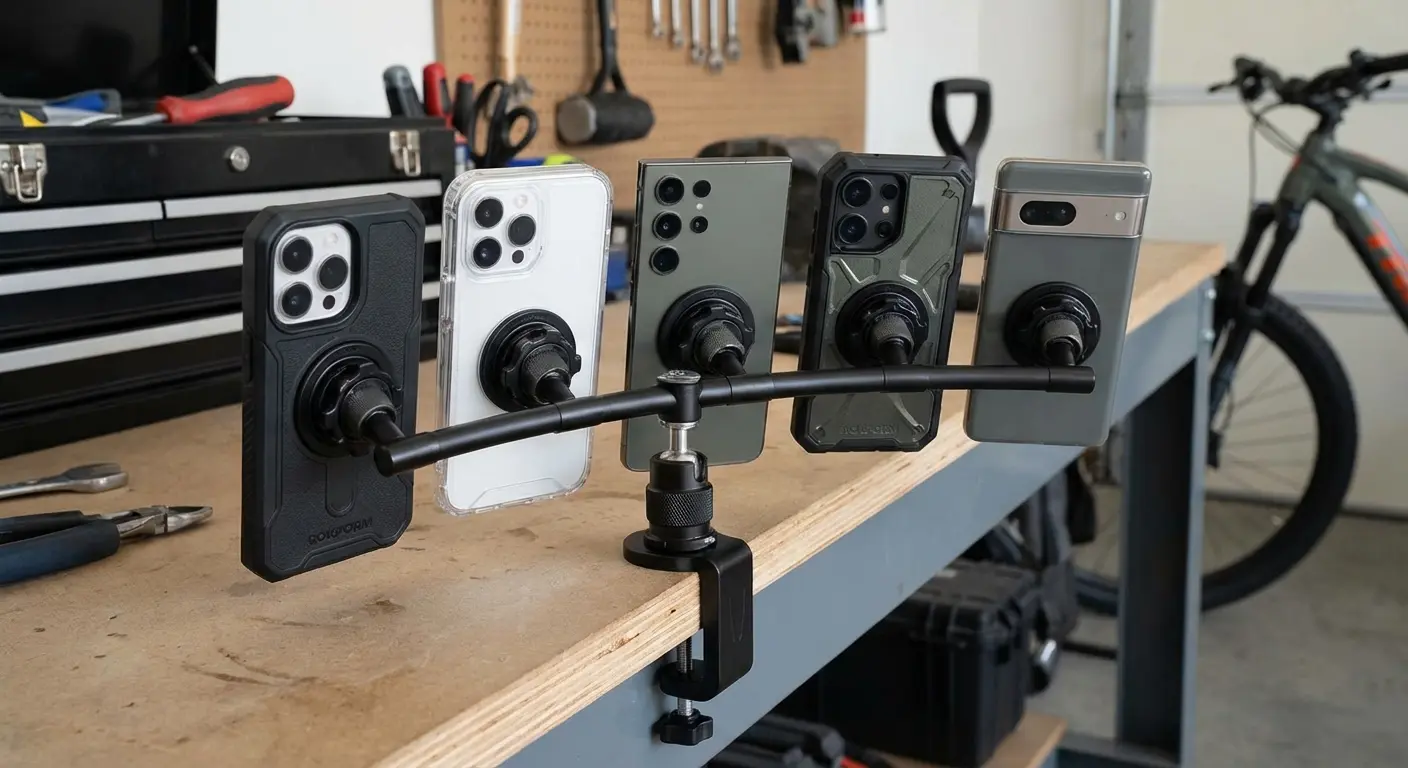
The screen protector compatibility matters here. Rokform cases are designed with precise tolerances that accommodate most quality screen protectors without creating the edge-lifting problems we discussed earlier. Their raised edges provide additional screen protection without pressing against your protector's adhesive points. You're not forced into choosing between case protection and screen protection.
Their screen protectors are engineered to work within this integrated system. You're not buying a standalone product and hoping it plays nice with your other accessories. Everything's designed together, eliminating the compatibility gambling that wastes money.
I know a guy who switches phones constantly (like every year, sometimes twice a year because he's got a problem) and he finally switched to one of those universal mounting systems. He says it's saved him probably $200 in mounts alone, though honestly I think he's exaggerating a bit because he likes justifying his purchases. But the principle is solid. Over four years, upgrading from iPhone 13 Pro to iPhone 15 Pro to Samsung Galaxy S24 Ultra, he would have purchased three cases ($30-50 each), three sets of screen protectors ($25-35 each), three car mounts ($20-30 each), and potentially new bike and desk mounts. Total accessory cost with traditional systems: $300-400+. Using a universal system, he replaced only the phone-specific cases ($60-80 each for three upgrades = $180-240) while keeping his $40 car mount, $50 bike mount, and $30 desk mount throughout all phone changes. Total savings over four years: $120-160, plus the convenience of never relearning a new mounting system.
The mounting ecosystem creates value beyond just phone protection. Your car mount, motorcycle mount, bike mount, and wall mounts all use the same RokLock system. Switch phones? Swap the case and keep everything else. Over 4-6 years and 2-3 phone upgrades, you're saving $200-400 in avoided accessory replacements.
Does this integrated approach cost more upfront? Yes. Rokform cases and protectors sit in the premium range ($40-80 for cases, $30-45 for protectors). But calculate the total ecosystem cost over multiple phone cycles. The universal system pays for itself by the second phone upgrade.
Check out Rokform's universal mounting system if you're tired of replacing perfectly good accessories every time you upgrade your phone. The upfront investment makes sense when you're thinking beyond your current device to your next 2-3 phones.
Final Thoughts
Screen protector prices range from $5 to $60+, but you've learned that initial cost tells you almost nothing about genuine value. Just like choosing the best cell phone case for drop protection, the real calculation involves multiple factors beyond the price tag.
The real cost calculation includes replacement frequency, installation failure rates, warranty shipping expenses, and compatibility with your cases and mounting systems. A $10 protector replaced five times costs more than a $35 protector that lasts your entire phone ownership period. Both in dollars and in frustration.
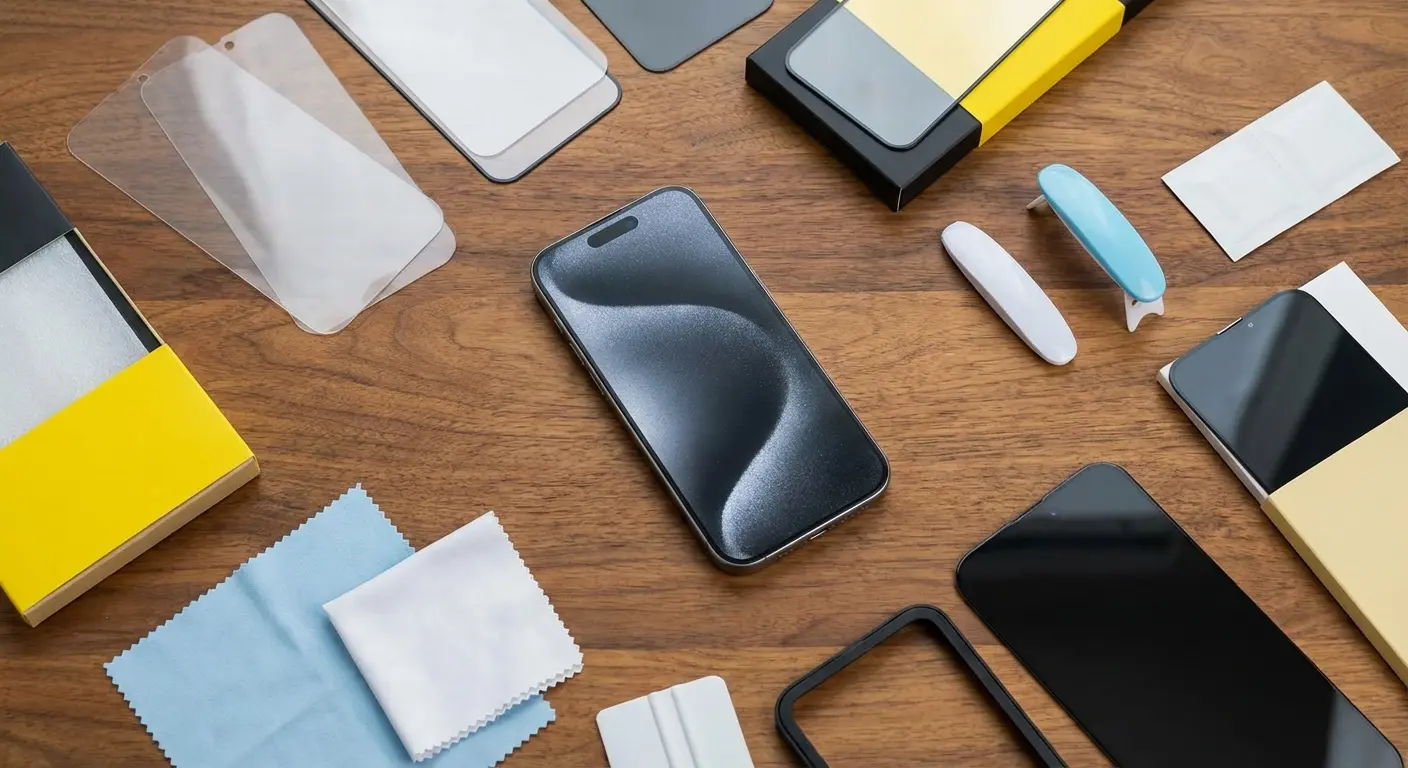
Material science matters. Tempered glass, TPU film, and hybrid technologies each serve different needs at different price points. Coatings separate adequate products from excellent ones, but only if those coatings last longer than a few weeks. You're paying for durability, not just initial quality.
Installation success rates vary wildly based on included tools and protector design. That $15 price difference often represents the cost of alignment frames, dust removal tools, and installation accessories that prevent the waste of failed attempts. Calculate the value of your time and stress tolerance when comparing options.
Brand names sometimes justify their premiums through consistent quality control and responsive customer service. Other times you're just paying for marketing and retail presence. Generic brands punching above their price point exist, but you need to evaluate them carefully using reviews, specifications, and warranty terms.
Your phone model affects pricing through legitimate manufacturing complexity (curved screens, Face ID compatibility, ultrasonic fingerprint sensors) and artificial market segmentation (the Apple tax). Understanding which price factors reflect real costs versus positioning helps you avoid overpaying.
Think beyond your current phone when building your protection strategy. Integrated systems that work across device upgrades cost more initially but save money over multiple phone cycles. Compatibility between your screen protector, case, and mounting accessories eliminates the replacement treadmill that drains your wallet every 2-3 years.
The cheapest screen protector is rarely the best value. The most expensive option isn't automatically superior. The right choice balances upfront cost, expected lifespan, installation success probability, and compatibility with your broader protection ecosystem.
Don't buy the $5 gas station protector. Spend $20-30, get something with installation tools, and stop thinking about it.
Your screen deserves protection that actually works.

