


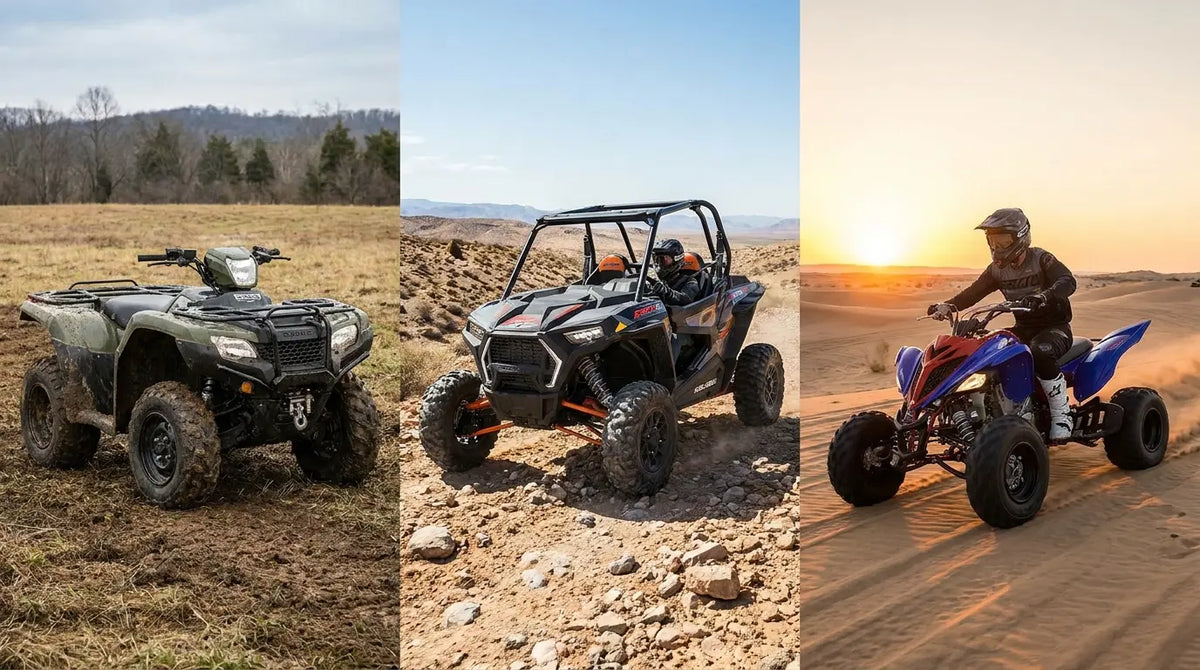
Table of Contents
Built for Getting Work Done
Standard Utility ATV
Heavy-Duty Cargo Hauler
Plowing and Snow Removal Quad
Agricultural Field Runner
Towing Specialist ATV
Forestry Work Machine
Made for the Ride Itself
Sport Performance ATV
Racing Competition Quad
Trail Riding Cruiser
Dune and Sand Runner
Rock Crawling Specialist
Freestyle and Stunt Build
Designed for Specific Conditions
Amphibious All-Terrain Vehicle
High-Altitude Mountain Quad
Swamp and Wetland ATV
Desert Endurance Runner
Winter and Ice Specialist
Hybrid Electric ATV
TL;DR
Most people walk into a dealership thinking about the two weekends a year they'll go trail riding, then spend the next 50 weekends wishing they'd bought something that could actually haul firewood
Work quads are built for torque and hauling. Sport quads are built for speed and jumps. Mixing these up is expensive
Weird specialty builds (amphibious, high-altitude, swamp) exist because some conditions will destroy a regular quad in a season
Engine size matters way less than you think. Gearing and suspension setup matter way more
You can bolt racks onto a sport quad, but it'll still suck at actual work
Electric hybrids don't suck anymore, but they're still stupid expensive
Built for Getting Work Done
I've watched too many people screw this up. They walk in thinking about fun weekend rides, ignore everything practical, and end up with a machine that can't do the job they actually need done. Six months later they're back, angry, trying to trade in something they overpaid for.
These aren't toys. Can you have fun on them? Sure. But that's not why you buy them. You buy them because your farm is 40 acres and walking sucks, or because you need to move a quarter-ton of gravel without your truck tearing up the yard.
The differences here actually matter. Buy a sport quad for farm work and you'll hate it before you make the first payment.
ATV Type |
Primary Use Case |
Typical Engine Size |
Load Capacity |
Best For |
|---|---|---|---|---|
Standard Utility |
General property work |
400-700cc |
150-200 lbs per rack |
Homeowners with acreage, ranches |
Heavy-Duty Cargo |
Commercial hauling |
700cc+ |
200-300 lbs per rack |
Landscaping, hunting camps, construction |
Plowing/Snow Removal |
Winter maintenance |
500-800cc |
N/A (plow-focused) |
Properties with seasonal snow |
Agricultural Field |
Farm operations |
400-600cc |
150-200 lbs |
Daily crop management, spraying |
Towing Specialist |
Trailer pulling |
700cc+ |
1,500+ lbs towing |
Moving materials, RV parks |
Forestry Work |
Trail maintenance, logging |
500-700cc |
150-200 lbs |
Timber operations, wildlife management |
1. Standard Utility ATV
This is what most people should buy, and it's the one most people skip because it's boring.
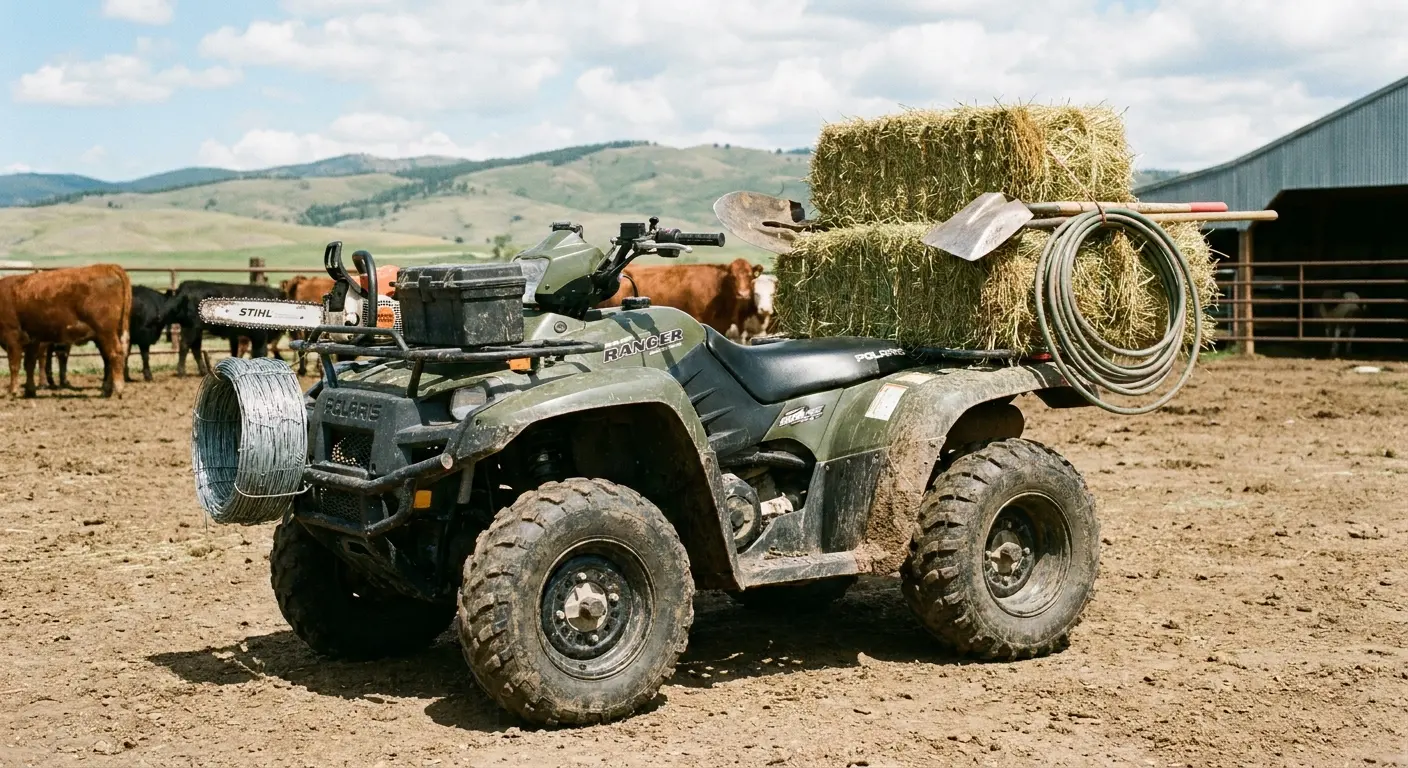
You're looking at 400 to 700cc, automatic transmission, racks on both ends, and a hitch. The suspension is set up to keep you steady when you're hauling, not to carve corners like you're in a race. My neighbor bought a Polaris Sportsman 570 in 2015. It's got 800 hours on it now. He's replaced the battery twice and the tires once. That's it. Show me a sport quad with that track record.
These things handle about 80% of what owners actually do with them. You can haul feed in the morning, pull a small trailer in the afternoon, and take the kids for a ride after dinner. Will it win races? No. Will it impress anyone at the dunes? Absolutely not. But it'll still be running when your buddy's race quad is in the shop for the third time this year.
Dealers hate selling these because the margins suck. They'll try to upsell you to something "more capable," which is code for "more expensive." Don't fall for it. If you're not racing or working commercially, this is the answer.
The downside is that it's mediocre at everything, excellent at nothing. But for most property owners, that's exactly the point. You need one machine that works, not three machines that each do one thing perfectly.
2. Heavy-Duty Cargo Hauler
When standard racks aren't enough, manufacturers build quads with beefed-up frames and suspension that can handle serious weight. You get a 700cc+ engine, but don't get excited. It's geared low for pulling, not racing. The thing tops out at maybe 45 mph. All that power goes to the wheels, not the speedometer.
The frame is longer for stability, and the center of gravity is lower. The racks can handle 200 pounds front and rear, sometimes pushing 300 on the back. My buddy runs a hunting camp in northern Wisconsin. They haul 200-pound feeders three miles into the woods every fall. Standard utility quads couldn't handle it. These things do it without complaining.
The fuel consumption is hilariously bad. I'm talking measure-it-in-gallons-per-mile bad. And ride one of these empty and you'll feel every pebble in the driveway. Your kidneys will file a formal complaint. The suspension is so stiff that normal riding feels like punishment.
But if you're moving heavy loads daily, nothing else works. Landscaping companies run these exclusively. Construction sites use them where full-size trucks can't fit. They're tools, not toys, and the price reflects it.
3. Plowing and Snow Removal Quad
These are built around one job: pushing snow. The front end is reinforced for plow mounts, the transmission has lower gearing than standard models, and the cooling system is oversized because you'll be running at low speed under high load for hours.
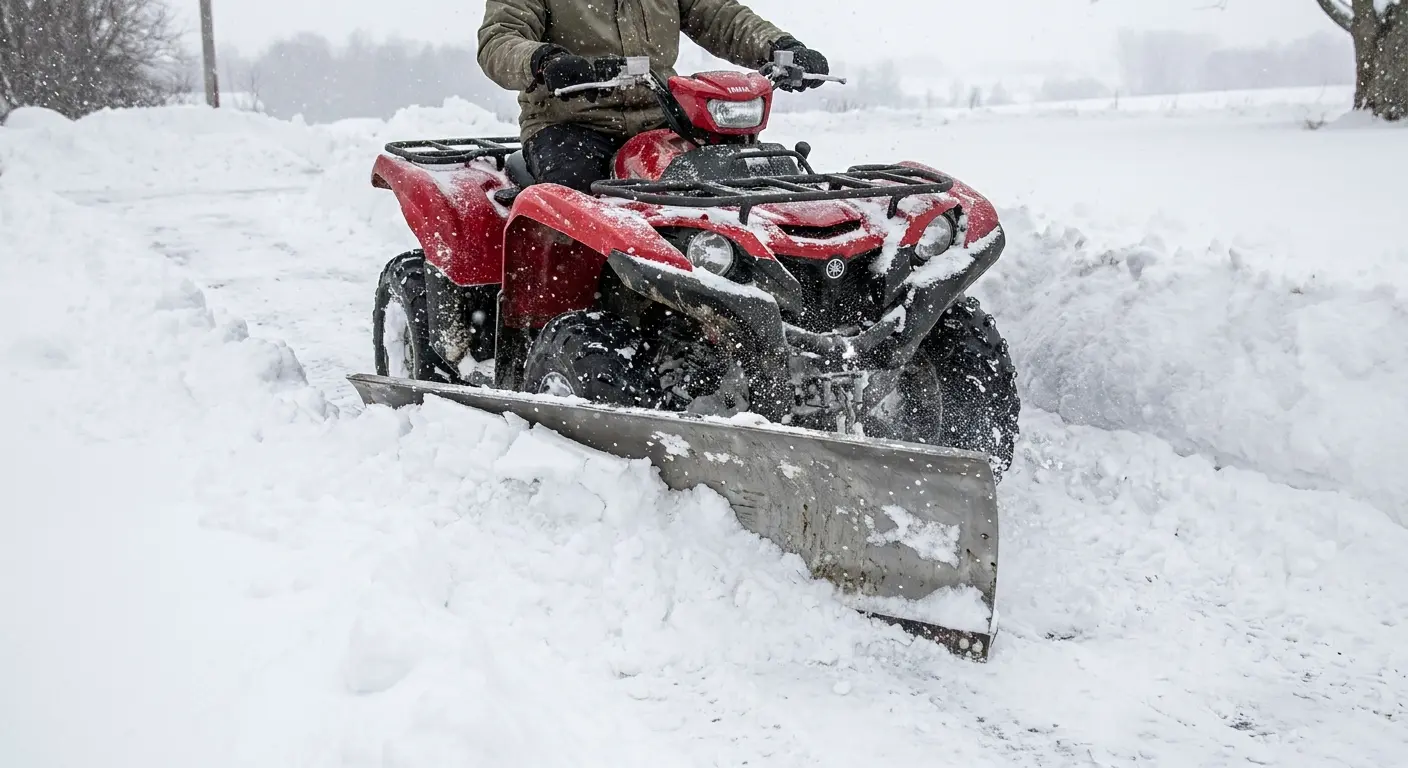
Most come with a winch because you will get stuck in wet, heavy snow. Not if. When. The suspension is firm enough to prevent the front end from diving under plow load, which makes them terrible for everything else. Ride one in summer and you'll wonder why you bought it.
Tire choice matters more here than anywhere else. You need chains or tracks in certain conditions, and the mounting points are usually pre-installed. But here's the thing: this machine sits idle for 8 or 9 months of the year unless you live somewhere with serious winter. I'm in Colorado, and half my neighbors have one. In Arizona? Nobody even knows these exist.
Buy this only if snow removal is a regular, necessary task. Otherwise, you're spending $7,000 on something that collects dust most of the year.
4. Agricultural Field Runner
Farmers need quads that can run for hours without overheating, handle corrosive chemicals from sprayers, and maintain traction in tilled soil. These things have sealed electrical systems because one spray drift into the wrong component and you're done. The materials resist corrosion, and the tires have paddle-style treads that actually grip in loose dirt.
The fuel tanks are huge, often 5+ gallons, because refueling mid-task during planting season wastes time you don't have. Throttle limiters let you maintain consistent speeds for precision work like spreading seed or fertilizer. The turning radius is tighter than standard utility models because you're maneuvering around crops, irrigation lines, and equipment all day.
Additional lighting comes standard because farm work doesn't stop at sunset. The maintenance intervals are shorter due to dust exposure. You'll be cleaning the air filter daily during harvest, not weekly like normal quads.
If you're not farming, you don't need this. The features are specific to agricultural work, and you'll pay for capabilities you'll never use.
5. Towing Specialist ATV
Some quads are built specifically around pulling heavy trailers. The hitch mount is reinforced, the transmission has extra cooling, and the brakes are designed for loaded trailers. The engine mapping focuses on low-end torque over top speed, and the CVT belt is heavy-duty to handle sustained pulling.
You'll find these in RV parks towing maintenance equipment, on large properties moving firewood or building materials, and in commercial operations where a full-size tractor is overkill but manual labor isn't practical. The rear suspension includes adjustable preload to compensate for tongue weight.
The trade-off? Terrible acceleration when unloaded, and the riding position feels awkward for recreational use. Towing capacities hit 1,500 pounds or more, which puts them between standard quads and side-by-sides. But if you're not regularly pulling trailers, the specialized setup is wasted money.
6. Forestry Work Machine
Logging operations, trail maintenance crews, and wildlife management teams need quads that can handle fallen timber, steep grades, and narrow paths without getting destroyed. These builds have skid plates covering everything underneath, reinforced A-arms, and brush guards that actually protect instead of just looking cool.
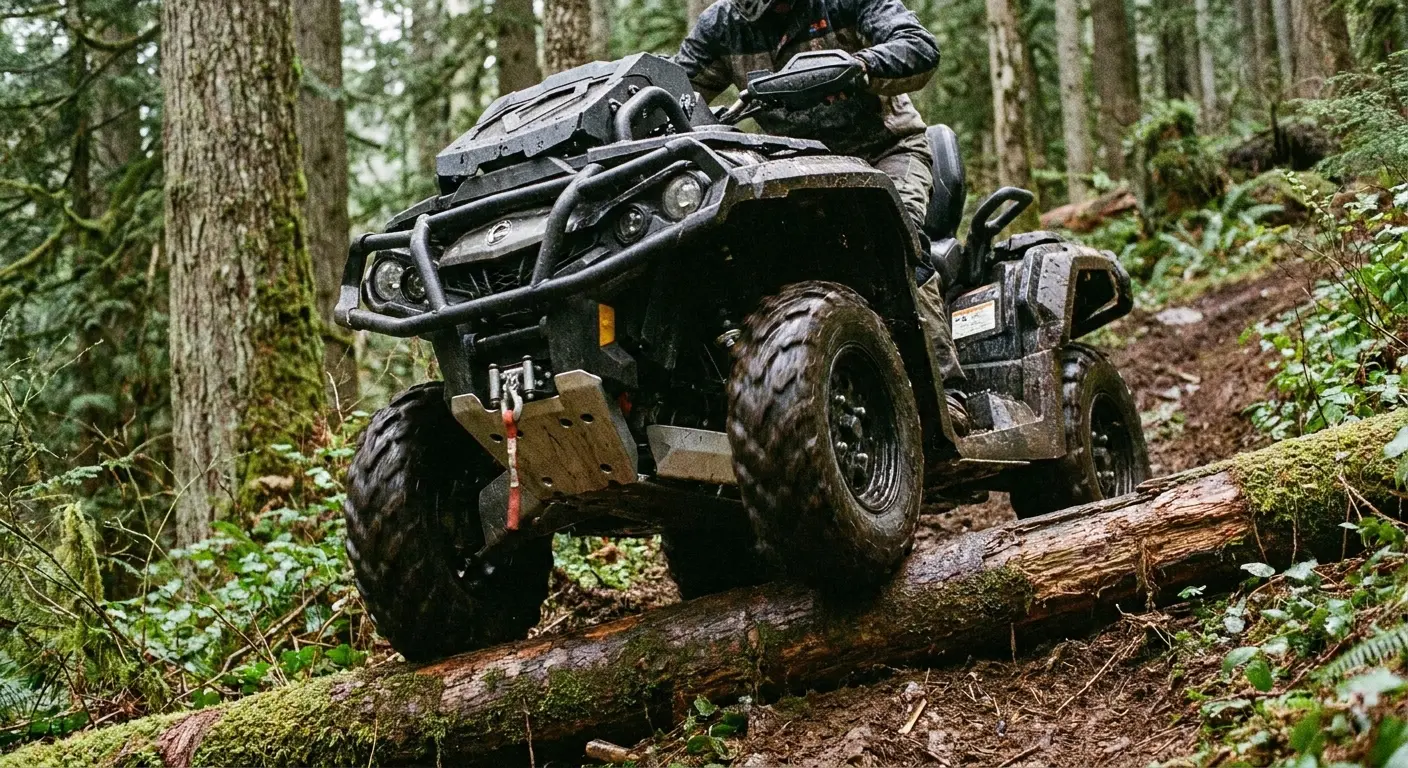
Ground clearance hits 11 or 12 inches, which is nuts compared to standard models. The wheelbase is shortened for tight maneuvering between trees. Winch capacity is 3,000+ pounds because you're pulling logs, not just self-recovering from mud. The racks are designed for chainsaws and tools, with integrated tie-down points and protective padding.
I've seen these machines take abuse that would total a standard quad within weeks. A friend who works for the Forest Service has put one through hell for three years. It's scratched, dented, and ugly, but it still runs. The cost reflects this durability. Parts availability can be limited since production volumes are lower than mainstream models.
If you're not working in forestry or doing serious trail maintenance, this is overkill. Buy a standard utility quad and add some aftermarket protection.
Made for the Ride Itself
Forget everything I just said about hauling capacity. This category is about acceleration, handling, suspension travel, and the pure experience of riding.
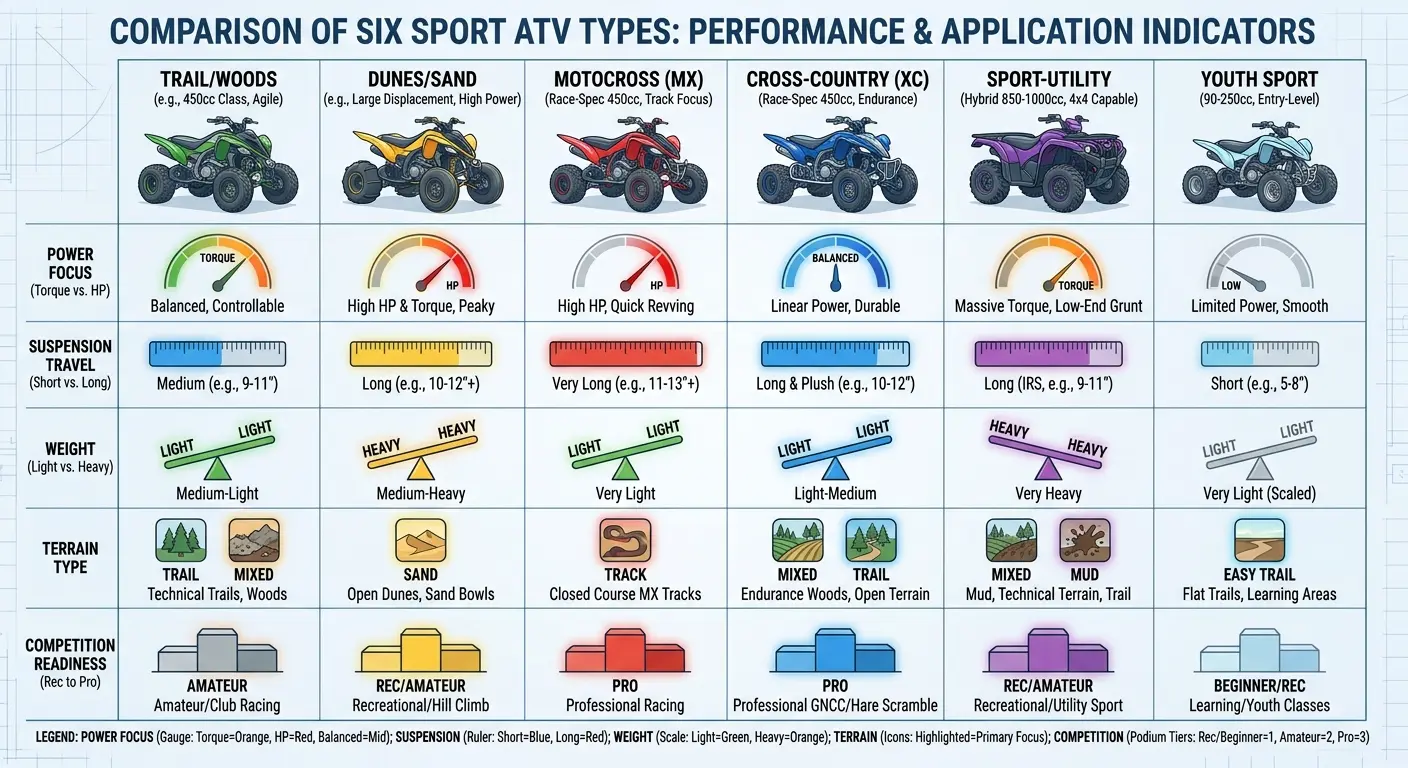
These are built for adrenaline junkies, weekend warriors, and people who think "practical" is a dirty word. The maintenance costs are higher, the fuel economy is worse, and you can't haul anything useful. But if you're buying for recreation rather than labor, these are the machines that actually deliver.
The distinctions here are sharper than in utility quads because the riding styles vary so dramatically. What works in sand dunes will get you killed on rock trails. What's perfect for racing is terrible for casual trail rides.
Sport ATV Type |
Power Focus |
Suspension Travel |
Typical Weight |
Ideal Terrain |
Competition Ready |
|---|---|---|---|---|---|
Sport Performance |
High RPM acceleration |
9-10 inches |
350-400 lbs |
Mixed trails, amateur racing |
Entry-level |
Racing Competition |
Maximum horsepower |
12+ inches |
280-320 lbs |
Track, professional events |
Yes |
Trail Riding Cruiser |
Smooth, sustained power |
8-9 inches |
450-550 lbs |
Long-distance trails |
No |
Dune/Sand Runner |
Momentum maintenance |
12+ inches |
350-400 lbs |
Sand dunes, beaches |
Desert racing |
Rock Crawling |
Low-speed torque |
10-11 inches (articulation) |
400-450 lbs |
Technical rock sections |
Crawling competitions |
Freestyle/Stunt |
Power-to-weight ratio |
10-12 inches (landing) |
Under 300 lbs |
Parks, ramps, freestyle arenas |
Stunt competitions |
7. Sport Performance ATV
This is the baseline for recreational riding. You're looking at 400 to 500cc tuned for high RPM power delivery. The suspension travel is longer than utility models, around 9 to 10 inches front and rear, and the shocks are adjustable for rider weight and terrain.
The seating position is aggressive with forward foot pegs and low handlebars. Manual transm issions are common because they give you better control during aggressive riding. The chassis is lighter, and the power-to-weight ratio focuses on acceleration rather than load-carrying.
You'll find these on trails, in recreational riding areas, and at amateur racing events. The racks, if they exist at all, are minimal. Towing capacity is basically zero. The tires have knobby patterns for loose terrain rather than the all-around tread on utility quads.
The ride quality on flat ground is harsh because the suspension is tuned for absorbing jumps and rough terrain at speed. My cousin bought a Yamaha Raptor 700 thinking he'd use it for trail riding and property work. Turns out it's miserable for slow-speed work, and the racks he bolted on look ridiculous. He should've bought a utility quad, but he wanted the cool factor.
If you're honest about doing mostly recreational riding with zero work requirements, these are great. If you're lying to yourself about needing work capability, buy the utility quad instead.
8. Racing Competition Quad
Look, if you're racing professionally, you already know what you need and you're not reading this article. These things are hand-built, cost more than a used car, and require constant maintenance.
The engines produce 50+ horsepower from 450cc, which is absurd. They use titanium components to reduce weight, and the suspension systems cost more than entire utility models. The fuel is race-grade, the maintenance intervals are measured in hours rather than miles, and the operating costs are brutal for anyone not cashing sponsor checks.
The frame geometry is specific to racing disciplines. Motocross setups differ from cross-country, which differ from desert racing. The setup changes dramatically between events.
I'm including this category because the technology eventually trickles down to consumer models. But make no mistake, these aren't practical for anyone outside competitive racing circles. They're loud, dangerous, and ridden by people who think they're better than they are (and sometimes they actually are). Cool to look at, terrible investment for normal humans.
9. Trail Riding Cruiser
Trail riders who actually want to enjoy the ride rather than set lap times need quads with softer suspension tuning, more upright seating positions, and features like handguards and wind deflectors. These machines use engines in the 500 to 700cc range with smooth power delivery rather than aggressive acceleration.
The wheelbase is longer for stability on uneven terrain, and the fuel capacity is increased for extended rides. Electronic power steering has become common because it reduces arm fatigue during all-day rides. This matters more than you'd think. After four hours on a quad without power steering, your forearms feel like concrete.
The tires are a hybrid between sport and utility patterns, offering traction without the harsh ride of pure knobby tires. These quads include more storage options than pure sport models because trail riders need space for tools, water, and emergency supplies. The top speed is limited, usually around 60 mph, but that's not the point. These are built for covering miles comfortably rather than setting lap times.
My brother-in-law has a Honda Foreman with power steering. We did a 40-mile trail ride last summer, and he was fine at the end. I was on a sport quad and could barely hold a beer afterward. Lesson learned.
10. Dune and Sand Runner
Sand riding requires specific modifications that make these quads terrible for any other terrain. The tires are paddle-style with scooped treads that provide traction in loose sand but offer zero grip on hard surfaces. I mean zero. Try riding one on pavement and you'll understand why.
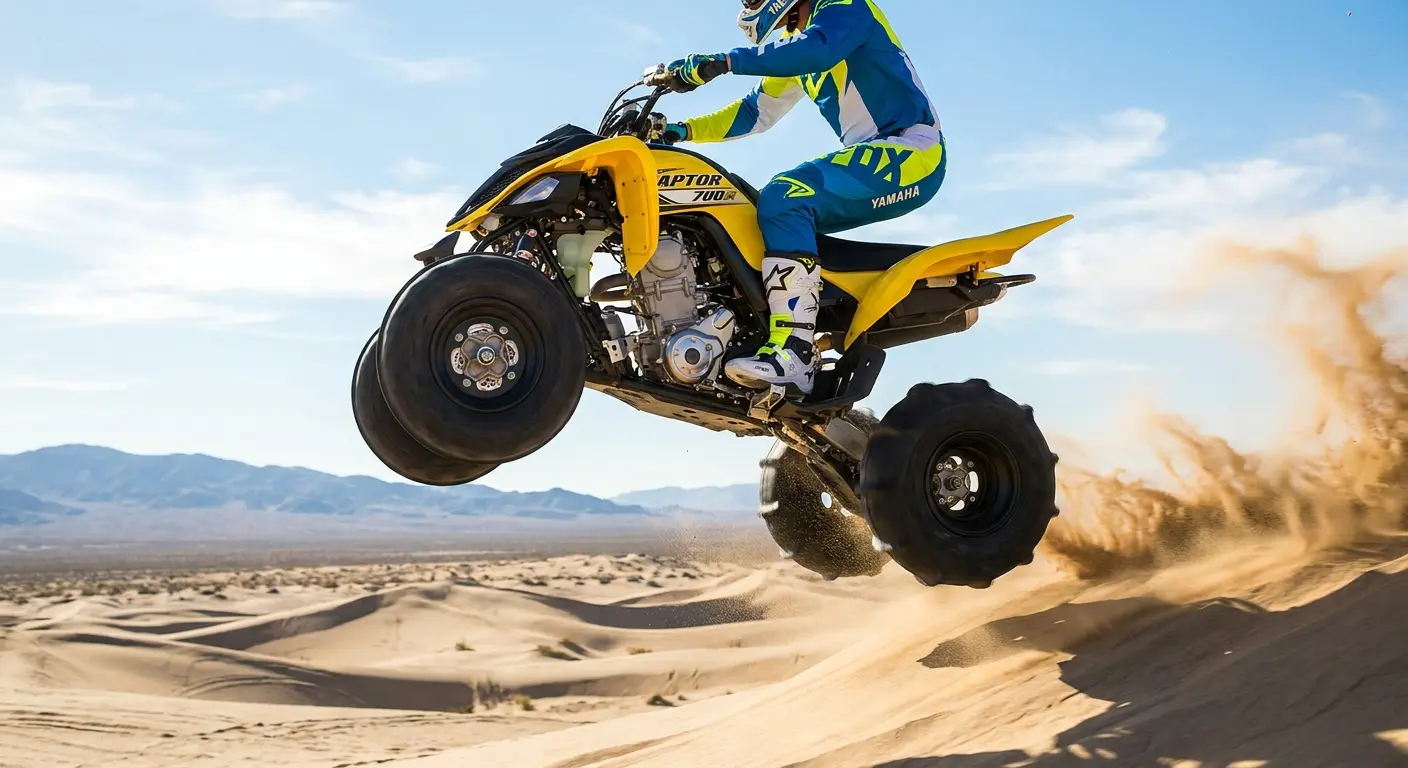
The suspension travel is extreme, 12+ inches, to absorb the impacts from landing jumps off dunes. The gearing is adjusted for maintaining momentum in sand, which bogs down standard quads instantly. The air intake is relocated and sealed to prevent sand ingestion, and the cooling system is oversized because sand riding generates more engine heat than trail riding.
The weight distribution is shifted rearward to keep the front end from diving in soft sand. These machines are common in desert areas and coastal dune systems, but they're nearly useless everywhere else. You can swap tires and adjust suspension for other terrain, but you're better off buying a different quad if sand isn't your primary riding environment.
If you're in Southern California or anywhere near Glamis, you'll see hundreds of these. In the Midwest? I've never seen one in person.
11. Rock Crawling Specialist
Technical rock crawling demands extreme low-speed control, maximum ground clearance, and suspension articulation that allows wheels to maintain contact on uneven surfaces. These builds have locked differentials or selectable 4WD systems with true low-range gearing.
The tires are reinforced with heavy sidewalls to prevent punctures on sharp rocks, and the tread pattern focuses on grip over speed. The wheelbase is shortened for tight maneuvering, and the approach/departure angles are optimized to prevent high-centering on obstacles.
The engine mapping includes a "crawl mode" that provides smooth, predictable power at extremely low speeds. I've watched these machines tackle terrain that looks impossible. Boulders the size of refrigerators, gaps that seem too wide, angles that defy physics. But they're miserable on open trails or any situation requiring speed. The suspension is so stiff that riding on flat ground feels like being on a buckboard wagon.
If you're not specifically into technical rock crawling, skip this. The modifications are expensive and make the quad worse at everything else.
12. Freestyle and Stunt Build
Riders who focus on tricks, jumps, and stunts modify quads in ways that make them impractical for anything else. The weight is reduced to the absolute minimum, sometimes under 300 pounds, and the power is increased through engine modifications.
The suspension is tuned for landing jumps rather than absorbing trail chop, and the frame includes reinforced mounting points for grab bars and nerf bars. The fuel tank is smaller to reduce weight, and all non-essential components are removed. The seating position is adjusted for standing rather than sitting, and the foot pegs are relocated for better control during tricks.
These aren't production models. They're custom builds based on sport quads, and the modifications void any factory warranty. The lifespan is measured in crashes rather than miles, and the maintenance costs are brutal.
Honestly, if you're reading this article, this type isn't for you. Freestyle riders already know what they need. They're not googling "types of ATVs." They're on YouTube watching backflip tutorials and wondering if their health insurance covers stupidity.
Designed for Specific Conditions
Some riding environments are so extreme that general-purpose models struggle regardless of how you modify them. This category covers machines built from the ground up for conditions that would damage or destroy standard quads.
The production volumes are low, the costs are high, and the applications are niche. But if you regularly ride in these environments, the specialized features are worth the premium.
13. Amphibious All-Terrain Vehicle
These machines can transition from land to water without modifications or preparations. The chassis is sealed and buoyant, the drivetrain includes a jet propulsion system or paddle wheels, and the electrical system is completely waterproof.
The tires provide traction on land and flotation in water, which means they're compromised for both applications. The engine is positioned high in the frame to prevent water ingestion, and the air intake includes a snorkel system. The steering works through the propulsion system in water rather than the front wheels.
I've seen exactly two of these in real life, both owned by duck hunting guides in Louisiana. They work, but they're not great on land OR water. Just adequate at both. The land performance is mediocre because they're heavy and slow. The water performance is limited to calm conditions.
Unless you're regularly crossing rivers, traversing swamps, or accessing areas that are sometimes dry and sometimes flooded, this is a solution looking for a problem. For that money, you could buy a standard utility quad AND a small boat.
14. High-Altitude Mountain Quad
Riding above 8,000 feet creates problems that standard models can't handle. The air is thinner, which means carbureted engines lose power and fuel injection systems need altitude compensation.
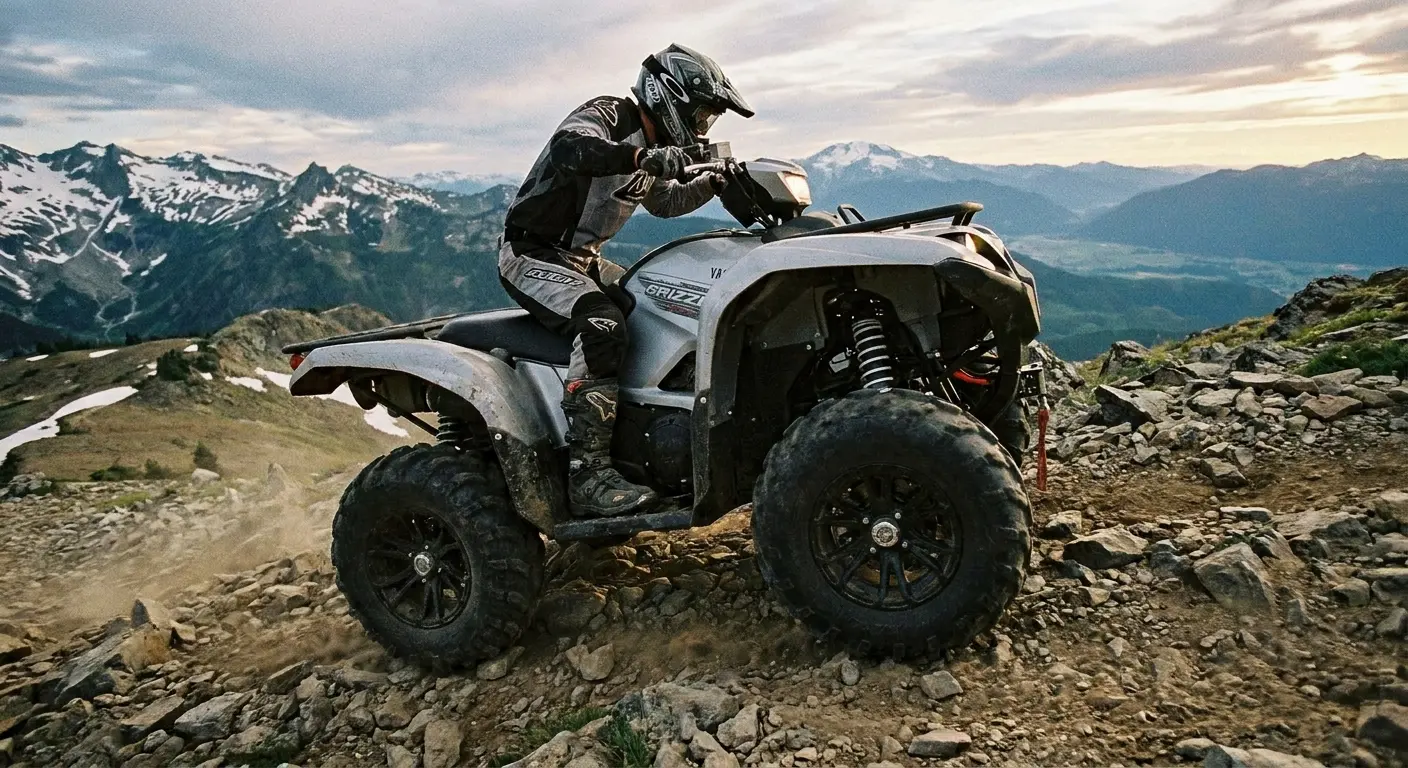
These quads have recalibrated ECUs, modified air intake systems, and sometimes turbocharged or supercharged engines to compensate for reduced oxygen. The cooling system is adjusted because the thinner air provides less cooling capacity. The suspension is tuned for rocky, technical conditions common in mountain environments.
The tires are biased toward traction on loose rock and scree rather than mud or sand. The fuel system includes larger reserves because gas stations are scarce in remote mountain areas. The braking systems are enhanced because descending steep grades generates more heat than standard brakes can dissipate.
Living in Colorado, I see these regularly. The cost premium is significant, and they're overkill for anyone riding below 6,000 feet. But when you're navigating terrain at elevation, the modifications become essential. A buddy took his stock Polaris to 10,000 feet last year and it ran like garbage. Barely had enough power to climb moderate grades.
15. Swamp and Wetland ATV
Riding in standing water, deep mud, and vegetation-choked wetlands requires features that seem extreme until you're stuck axle-deep in muck. These quads have snorkeled air intakes, sealed electronics, and exhaust systems that exit above the waterline.
The tires are oversized, often 28+ inches, with aggressive tread patterns designed to self-clean in mud. The suspension is lifted to increase ground clearance, and the CV boots are heavy-duty to prevent water and debris ingestion. The winch is mandatory equipment because you will get stuck. Not if. When.
The frame includes additional skid plates and guards to protect against submerged logs and debris. The cooling system is designed to handle the heat generated during low-speed slogging through mud, which is more demanding than trail riding. I did the same breakdown for the types of Jeeps.
Hunters, trappers, and wildlife researchers use these in environments where side-by-sides are too wide and standard quads can't maintain forward progress. If you're in Florida or Louisiana, you know what I'm talking about. In Colorado? Nobody even knows what a snorkel kit is.
16. Desert Endurance Runner
Multi-day desert racing and exploration requires quads built for sustained high-speed operation in extreme heat with minimal maintenance. These machines have oversized fuel tanks, sometimes 8+ gallons, heavy-duty cooling systems, and navigation equipment mounting points.
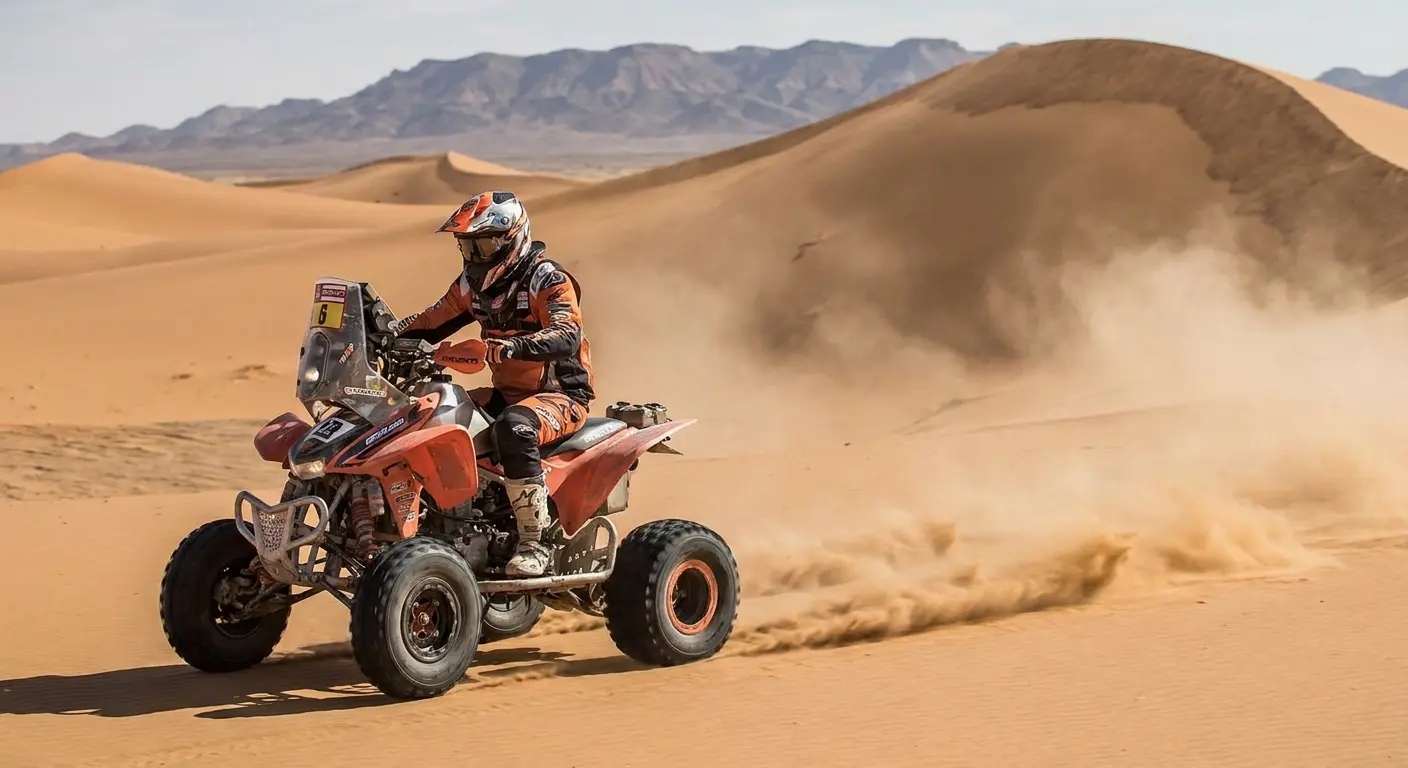
The suspension travel is extreme, similar to dune quads, but the tuning is different because desert conditions include high-speed washes, rock sections, and occasional dunes. The tires are a specific compound that resists punctures from desert thorns and sharp rocks. The seat is designed for comfort during extended riding periods, and the ergonomics are adjustable for different rider sizes.
The lighting system is comprehensive because desert racing often continues after dark. The air filtration is multi-stage to handle the fine dust that destroys standard engines within hours.
These aren't casual recreation machines. They're built for serious desert riders who cover hundreds of miles per outing in some of the harshest conditions on earth. If you're doing the Baja 1000 or similar events, you know about these already. If you're not, you don't need one.
Desert riders covering long distances need reliable GPS navigation apps and mounting systems that can handle extreme heat and constant vibration.
17. Winter and Ice Specialist
Riding on snow and ice requires more than just adding chains to standard tires. These quads have track conversion kits that replace the rear wheels with a continuous track system, similar to snowmobiles, while the front wheels are replaced with skis.
The drivetrain is modified to handle the different resistance characteristics of tracks versus tires. The engine includes cold-weather starting systems and heated components to prevent fuel line freezing. The handlebars often include heated grips as standard equipment because frostbite isn't optional in subzero conditions.
The suspension geometry is adjusted to accommodate the track system's different ride height and handling characteristics. Ice fishermen, winter trail maintenance crews, and backcountry riders in northern climates use these where snow cover lasts 5 or 6 months. The conversion back to wheels for summer riding is possible but time-consuming, so most owners dedicate these builds to winter use exclusively.
Up in Minnesota and Wisconsin, these are everywhere. Down south? They might as well be UFOs.
18. Hybrid Electric ATV
Electric powertrains have finally reached the point where they're viable for serious applications, not just greenwashing marketing campaigns. These quads combine traditional gas engines with electric motors and battery packs, allowing silent operation for hunting or wildlife observation while maintaining the range and power of combustion engines.
The electric mode usually offers 20 to 30 miles of range, which is sufficient for most property management tasks without the noise and emissions of gas operation. The regenerative braking system recharges batteries during descents, extending the electric range. The gas engine functions as a generator when batteries deplete, eliminating range anxiety.
The torque delivery from electric motors is instant and smooth, which improves traction in technical conditions. The weight penalty is significant. These machines are 150 to 200 pounds heavier than gas-only equivalents. Battery replacement costs are substantial, and nobody knows the long-term reliability yet because they're too new.
The tech's finally here, but the price isn't. These cost $15,000+ and the batteries need replacing eventually. Cool concept, not ready for primetime unless you've got money to burn on being an early adopter.
As electric and hybrid models become more common, riders are discovering that wireless charging accessories can integrate seamlessly with these modern powertrains.
Matching Your Phone Mount to Your Riding Style
Regardless of which quad you choose, you're going to need your phone accessible. Trail navigation apps, emergency communication, and documenting rides all require quick phone access without fumbling through pockets or bags.
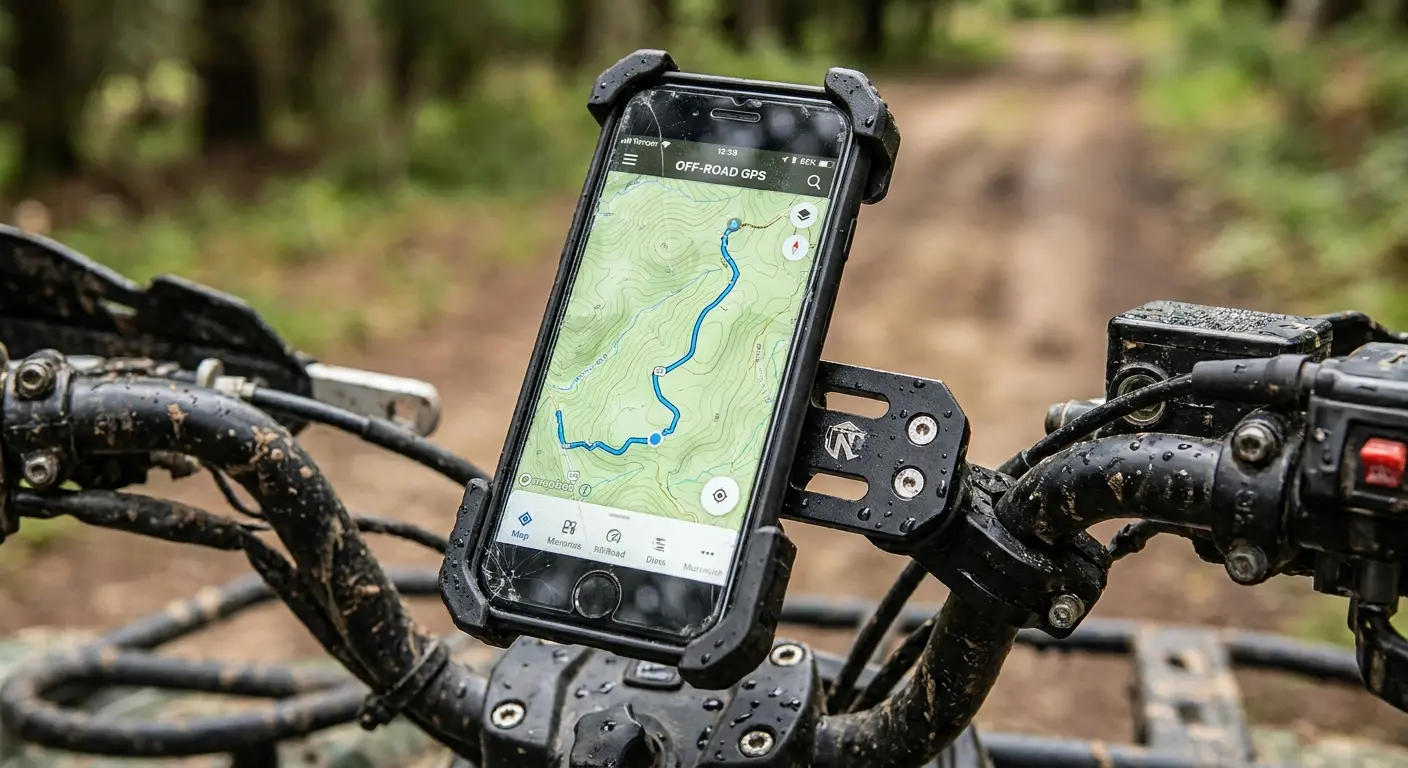
The problem? Most phone mounts fail within weeks of serious use. I've lost three phones to terrible mounts. One flew off at 40 mph and I watched it tumble into a ravine. That was a bad day. Vibration destroys adhesive mounts, cheap clamps break on the first hard landing, and waterproof cases fog up or trap heat until your phone shuts down.
Most mounts are designed by people who've never actually ridden an ATV, which explains why they last about 15 minutes in the real world.
Rokform mounts are built specifically for powersports applications. The RokLock twist-lock system keeps your device secure through conditions that destroy other mounting solutions, and the magnetic attachment means you can remove your phone in seconds when you stop for fuel or food.
Whether you're running a utility quad for farm work or a sport machine for trail riding, your phone shouldn't be a liability.
Our motorcycle handlebar mount works perfectly on quads and includes vibration dampening technology that protects your device during the roughest rides. The system handles everything from rock crawling impacts to high-speed desert runs without comprom ising phone functionality.
Final Thoughts
Buy for what you'll actually do, not what you imagine doing. Your fantasy trail-riding self is a liar.
Most people should buy a standard utility quad and call it a day. It's boring advice, but it's right. The dealers will hate me for saying it, but the margins on those are terrible, which is exactly why they'll try to upsell you to something "more capable." Don't fall for it.
Sport quads deliver adrenaline and performance, but they're expensive to maintain and impractical for daily tasks. The specialized machines solve specific problems brilliantly while being mediocre at everything else.
You can modify a general-purpose quad to handle specialized tasks, but purpose-built machines do it better with less frustration and lower long-term costs. I've seen people spend $3,000 trying to retrofit the wrong machine for their needs when they should've just bought the right one from the start.
Be honest about your primary use, your secondary applications, and the conditions you'll face most often. The right quad for you might not be the most popular model or the one with the biggest engine, but it'll be the one you're still happy with three years from now.
Or ignore everything I just said and buy whatever looks coolest. It's your money. Just don't come crying to me when your race quad can't pull a trailer.

