Table of Contents
The Real Purpose Behind Helmet Design
-
Helmets Built for Speed and Efficiency
Road Racing Helmets
Time Trial and Aero Helmets
Gravel Racing Helmets
Triathlon-Specific Helmets
Track Cycling Helmets
-
Helmets Designed for Impact and Adventure
Full-Face Mountain Bike Helmets
Enduro and Trail Helmets
Cross-Country (XC) Helmets
Dirt Jump and Slopestyle Helmets
BMX Racing Helmets
Downhill-Specific Helmets
-
Helmets Made for Everyday Riding and Utility
Urban Commuter Helmets
E-Bike Helmets
Cargo Bike Helmets
Folding Helmets
Kids' Helmets with Growth Systems
Winter Cycling Helmets
Okay, But Which Helmet Do I Actually Need?
Rokform and Your Ride
Making Your Helmet Last (And Knowing When to Replace It)
Helmet Myths That Need to Die
Final Thoughts
TL;DR
Most people pick helmets because they look cool or cost less, completely missing the functional stuff that actually matters for how they ride
Speed helmets are all about airflow and aero, which means they skimp on coverage and durability
Mountain bike helmets add protection in places commuter helmets don't even think about
Utility helmets solve real problems (weather, storage, kids' growing heads) that race helmets ignore completely
Fit beats type every time, but you need the right type to even get proper fit (catch-22, I know)
Different helmets use different retention systems, materials, and vent patterns for actual reasons, not just marketing BS
Match your helmet to what you actually do on your bike, or you'll either waste money or leave yourself exposed
The Real Purpose Behind Helmet Design
I watched a guy walk into a bike shop last week and point at the cheapest helmet on the wall. "They're all the same, right?"
Wrong. So incredibly wrong.
A $60 commuter helmet and a $400 downhill full-face might both be "helmets," but that's like saying a Honda Civic and a monster truck are both "cars." Technically true. Practically useless information.
Helmet design splits into three distinct philosophies. Speed-focused helmets minimize weight and drag while maximizing airflow. Impact-oriented designs add coverage zones and reinforcement for multi-directional forces. Utility helmets solve practical problems like weather protection, storage, and visibility that performance options completely ignore.
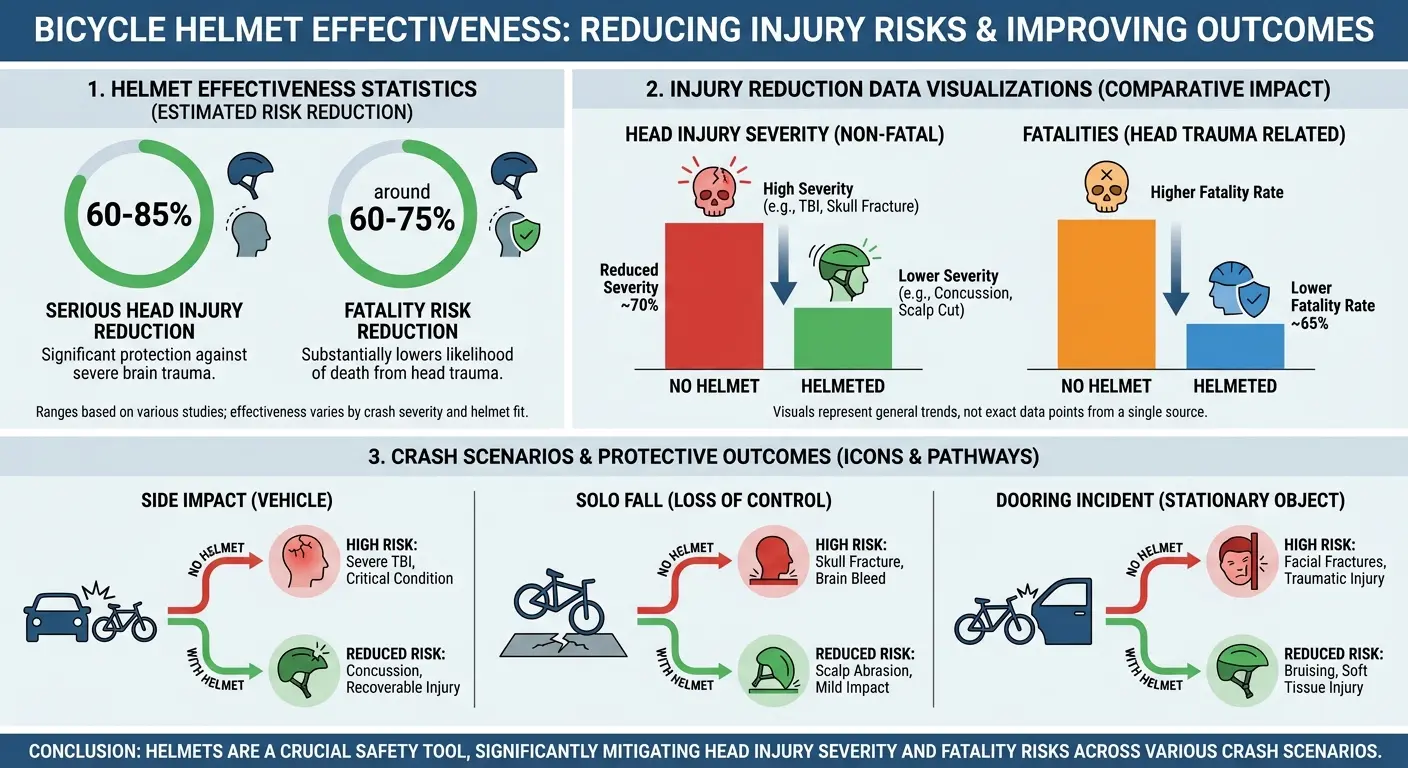
Let me hit you with some numbers that should scare you into wearing a helmet.
Four years. 1984 to 1988. In that time, bike crashes killed 2,985 people from head injuries. Not total cycling deaths, just head injuries. Nearly three thousand people who might have walked away if they'd been wearing a helmet.
Want it broken down? That's one preventable death every single day for four years straight. One head injury serious enough for the ER every four minutes.
905,752 ER visits. For head injuries. In four years.
Helmets could have prevented 2,500 of those deaths and 757,000 of those injuries. We're not talking about minor improvements here. We're talking about entire small towns' worth of people who could've avoided life-changing injuries or death (source: Bicycle Helmet Safety Institute).
Still think all helmets are basically the same?
Here's the thing: matching your helmet to how you ride means you get protection where you need it without paying for features you'll never use. A time trial helmet makes zero sense for mountain biking. A full-face downhill helmet will cook your brain on a road ride. Understanding which helmet category matches your riding style gets way easier when you see how essential bicycle accessories complement different cycling disciplines and their unique safety requirements.
The right category also makes sizing easier. Each design philosophy uses different internal structures and adjustment systems, so shopping within the correct category means you're working with retention systems built for your riding position.
Helmet Category |
Primary Design Goal |
Coverage Priority |
Typical Weight Range |
Best For |
|---|---|---|---|---|
Speed/Efficiency |
Aerodynamics & ventilation |
Minimal (top of head) |
200-280g |
Road, gravel racing, time trials |
Impact/Adventure |
Multi-directional protection |
Extended (back, temples, sides) |
280-400g |
Mountain biking, trail riding, bike parks |
Utility/Everyday |
Practical features & comfort |
Moderate (urban crash patterns) |
300-450g |
Commuting, cargo bikes, casual riding |
Helmets Built for Speed and Efficiency
Speed-focused helmets look skeletal compared to other options for good reason. Every gram counts when you're trying to hold 25 mph. Every vent placement gets tested in wind tunnels. These things are engineered within an inch of their lives to do exactly one thing: go fast without cooking your brain.
You'll notice less coverage at the back of the head and temples. Riders who prioritize speed move fast enough that crash dynamics differ from low-speed impacts. The protection zones shift forward because sustained high speeds change how your body contacts the ground during a fall.
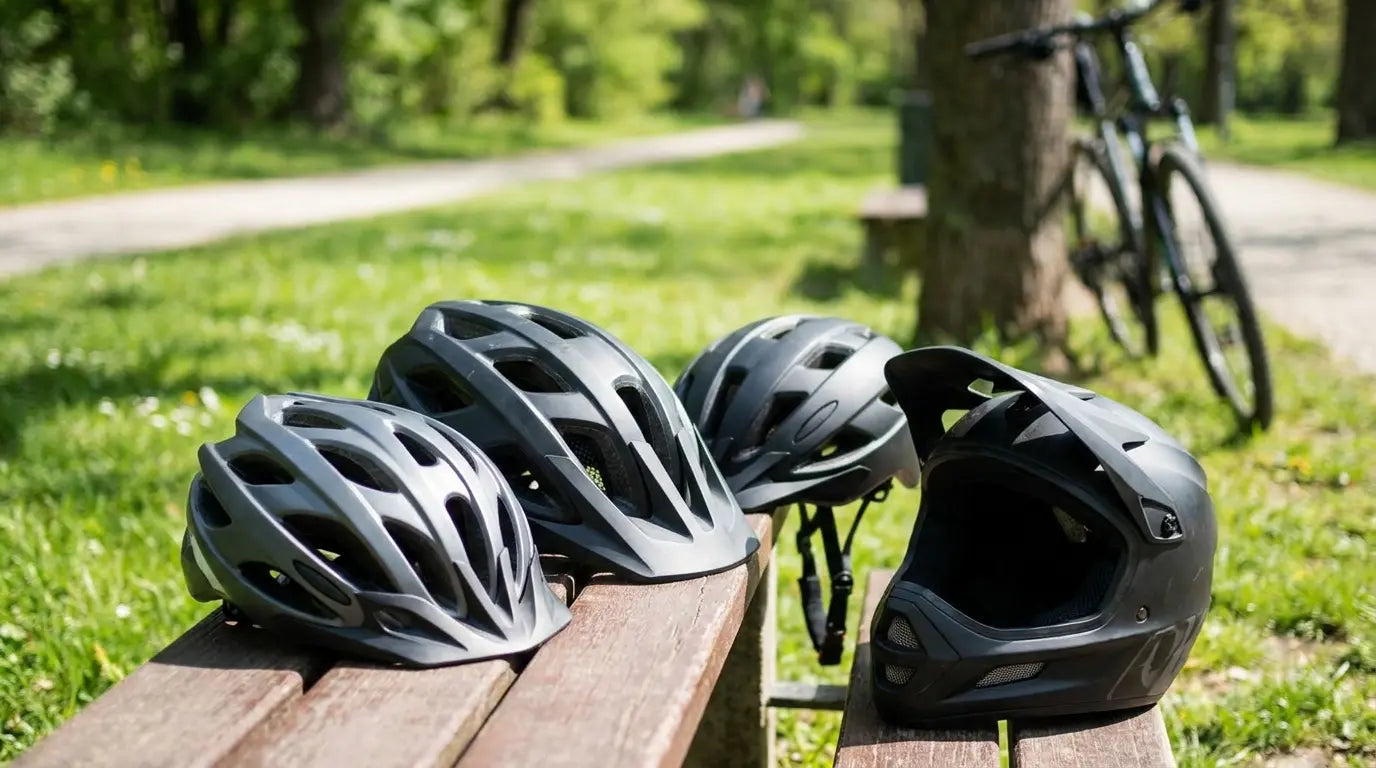
These five helmet types share a common goal: reducing drag and managing heat buildup during sustained efforts. The differences come down to how extreme each design pushes those priorities.
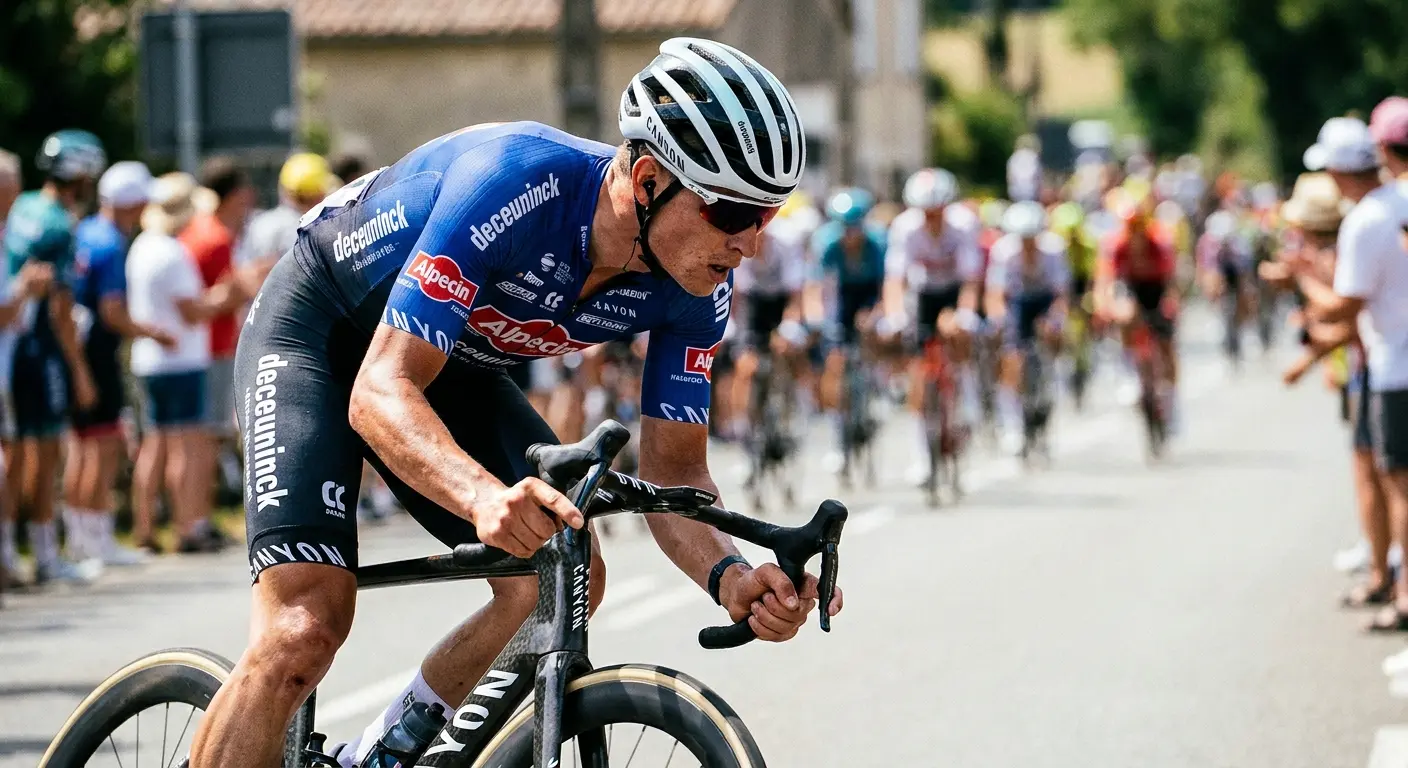
1. Road Racing Helmets (The Lightweight Speed Demons)
Road racing helmets balance everything better than any other category.
We're talking about helmets for riders holding 20+ mph for hours. That creates specific demands.
The features tell you everything. Large front vents channel air through internal pathways that pull heat away from your scalp. Minimal coverage at the base of the skull reduces weight where protection matters less during forward-leaning crashes. Retention systems sit higher on the head for better stability when you're tucked into an aggressive position.
At a stoplight? They feel weird and wobbly. That's intentional. Road racing helmets are built for 20+ mph, not standing still. The fit changes dramatically between sitting upright at a red light and hammering up a climb at race pace. Most road racing helmets use in-mold construction that fuses the outer shell directly to the foam core, creating a lighter overall weight than helmets with separate shell layers.
Serious road cyclists often pair their aerodynamic helmets with top road bike cycling accessories that enhance performance without adding unnecessary weight or drag.
2. Time Trial and Aero Helmets (The Ridiculous-Looking Speed Machines)
Time trial helmets are single-purpose weapons. They do one thing brilliantly and everything else terribly.
Ventilation? Basically nonexistent. Comfort? Who cares. Weight? Actually heavier than road helmets despite using less material, because aerodynamics trumps everything.
That tail sticking off the back of your head (sometimes 4-6 inches past your skull) looks absurd. You'll smack it on door frames. People will stare at stoplights. You'll feel self-conscious the first dozen times you wear it.
But here's the thing: it works.
In a tucked time trial position, that tail smooths airflow and can save 60-90 seconds over a 40k course. That's not marginal. That's the difference between podium and mid-pack at competitive levels.
Sit upright to look around? The tail becomes a parachute. The aerodynamic advantage inverts completely. These helmets are designed for one body position: head down, eyes forward, suffering at threshold for 20-60 minutes straight.
The few vent ports (usually 3-5 compared to 20+ on road helmets) mean you'll overheat fast. I wore one on a regular training ride once. Made it eighteen minutes before I couldn't take it anymore. Pulled over, ripped it off, and strapped it to my saddle bag while my scalp steamed in the open air.
Fit is absolutely critical. The extended shell amplifies every tiny fit issue. Helmet sitting 5mm too high? Creates turbulence that costs you the time you were trying to save. Rotates slightly during effort? Same problem. You need precise positioning, which means professional fitting or extensive experimentation.
Bottom line: These are tools for racing against the clock. Period.
If you're not doing time trials or triathlons at a competitive level, skip them entirely. They're expensive, uncomfortable, and impractical for literally everything else.
But if you are racing? They're mandatory. Everyone else has one. You can't give away 60 seconds because you thought the tail looked dumb.
3. Gravel Racing Helmets
Gravel racing helmets add coverage and retention strength that pure road helmets skip. The extended rear coverage protects against backward falls, which happen constantly on loose surfaces when your rear wheel slides out unexpectedly.
Last fall I hit a patch of wet leaves on a gravel descent. Rear wheel went sideways, I went backwards, and the back of my head bounced off a rock. Standard road helmet? I'd have been concussed. The extended rear coverage on my gravel helmet? Walked away with nothing but a bruised ego.
Reinforced retention systems handle vibration and impacts from rough terrain that would loosen standard road helmet straps. Some models include visors for sun management on exposed routes where you can't rely on tree cover. These features add weight compared to road versions, usually 30-50 grams.
The additional venting at the front counts when you're riding at variable speeds. Gravel racing means hard efforts followed by technical sections where you slow down, then accelerate again. That variability creates different cooling demands than steady-state road riding.
4. Triathlon-Specific Helmets
Triathlon helmets optimize for a very specific use case: maintaining aerodynamics while allowing quick transitions and accommodating eyewear and hydration systems that you'll adjust on the move.
Magnetic buckle systems enable one-handed fastening when you're running from the swim to your bike. Eyewear ports built into the front vents let you store sunglasses without creating drag or pressure points. Smoother shell designs reduce turbulence when your head position shifts during the swim-to-bike transition.
These helmets include more padding than time trial versions because comfort counts over 112 miles. The retention system differs from standard road designs, with adjustment dials positioned for access while wearing the helmet rather than requiring removal to adjust fit.
5. Track Cycling Helmets
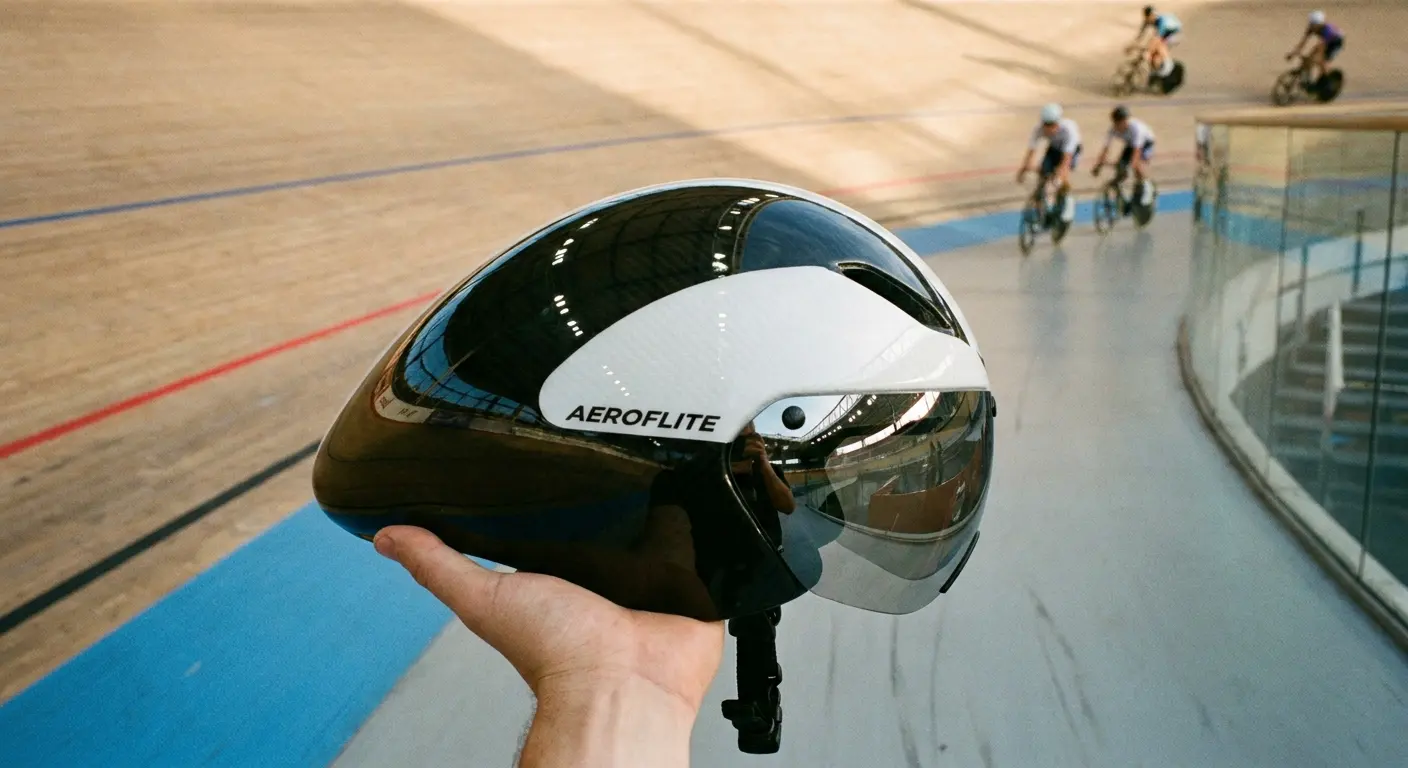
Track cycling helmets eliminate vents entirely and use smooth, teardrop-shaped shells for velodrome racing. You won't find the ventilation channels present in road versions because track events are short enough that heat buildup matters less than shaving seconds through aerodynamic optimization.
Many track helmets lack traditional retention systems. The smooth interior allows for a more precise fit that relies on proper sizing rather than adjustable straps. This creates a helmet that feels uncomfortably tight or impossibly loose with no middle ground.
These represent the extreme end of the aerodynamic spectrum. They're completely impractical for any other type of riding, which perfectly illustrates how different types of bike helmets prioritize completely different variables.
Helmets Designed for Impact and Adventure
Mountain bike and gravity-focused helmets add coverage, reinforcement, and retention strength that road helmets omit. The design philosophy shifts entirely: these helmets account for different crash dynamics including multiple impacts, contact with trees and rocks, and rotational forces from uneven terrain.
Protection takes priority over ventilation or weight savings. Trail riders who invest in proper head protection often equip their bikes with mountain bike must-have accessories that enhance both safety and performance on technical terrain.
You'll pay for this added protection with extra weight and reduced airflow, but that trade-off makes sense when you're navigating technical descents at speed or launching off features in a bike park.
6. Full-Face Mountain Bike Helmets (Maximum Protection, Maximum Sweat)
Full-face helmets cover everything. Your jaw, your chin, your whole face.
Heavy? Absolutely.
Worth it when you're preventing facial injuries that require reconstructive surgery? Also absolutely.
Some models offer removable chin bars that convert between full-face and open-face configurations. Sounds great until you realize the conversion process takes several minutes and requires tools you won't carry on most rides. The limited peripheral vision that comes with full coverage takes adjustment, and the ventilation challenges create real problems on climbs.
These helmets make sense for specific scenarios: bike parks, shuttle-accessed terrain, competitive downhill racing. Try climbing in a full-face and you'll last maybe ten minutes before you're dying from heat. The weight becomes fatiguing on longer rides that include any pedaling.
Full-face helmets smell. I'm not exaggerating. After three bike park sessions in summer heat, the interior smells like a gym bag that's been fermenting in a car trunk. The enclosed design traps sweat and moisture with nowhere to evaporate. You'll want to spray it with disinfectant after every ride.
7. Enduro and Trail Helmets
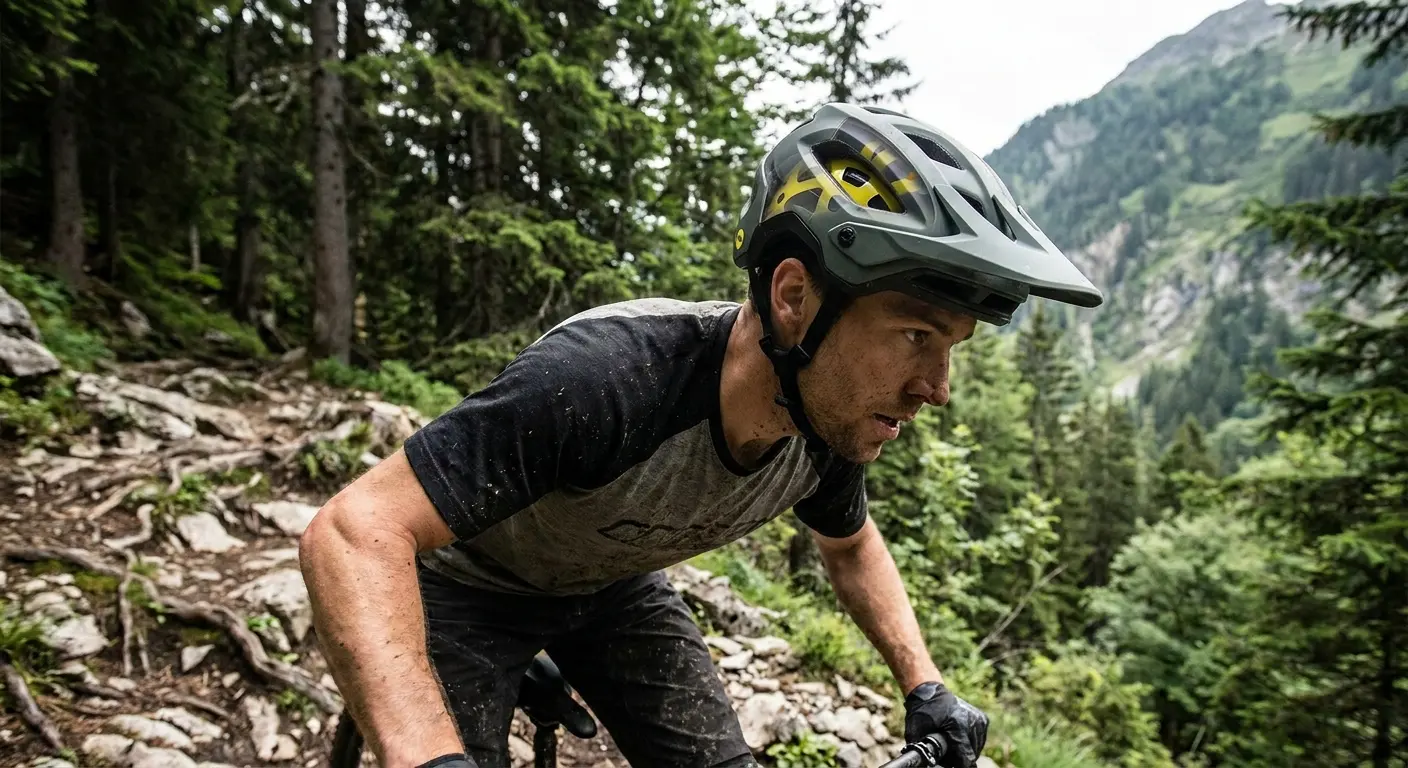
Enduro helmets add rear coverage and reinforced sides while maintaining enough ventilation for climbing. The extended protection at the base of the skull proves critical for backward impacts that happen when you loop out on steep climbs or catch your rear wheel on an obstacle.
Integrated breakaway visor mounts protect your eyes from sun and branches but release during impacts to prevent neck injuries. MIPS (Multi-directional Impact Protection System) or similar rotational impact systems now come standard in most enduro helmets. That's basically a thin layer between the foam and your head that lets the helmet rotate slightly during angled impacts instead of transferring all that force to your brain.
These helmets sit lower on the head than road versions, which changes how you dial in the fit. You need more adjustment points to accommodate the additional coverage without creating pressure points at the base of your skull. Goggle compatibility features and reinforced retention systems stay secure during rough descents that would shake loose lighter helmets.
Recent testing by BikeRadar's expert mountain bike team highlights the evolution of trail helmet technology. According to their June 2026 comprehensive trail helmet review, modern enduro helmets now balance competing needs of protection, ventilation, comfort, and weight more effectively than previous generations. Their testing shows that helmets featuring Virginia Tech's lab safety ratings combined with extended coverage designs deliver measurably better protection without the ventilation penalties that plagued earlier models.
8. Cross-Country (XC) Helmets
XC helmets reduce weight and improve ventilation compared to trail versions while adding coverage that road helmets skip. These represent a compromise that works well for riders who split time between climbing and technical descending.
When I switched from road racing to trail riding, an XC helmet was the perfect middle ground. Light enough that I didn't feel like I was wearing a brick after years of 250g road helmets, but with enough coverage that I felt protected when I inevitably ate dirt learning to corner on loose terrain.
You get less rear coverage than enduro helmets but more ventilation than needed for pure descending. Integrated visor designs protect from sun and trail debris without the bulk of removable visors. The weight savings count on long climbs where every gram adds up.
These helmets feel like a middle ground, which makes them versatile for riders who don't specialize in one type of terrain. They're ideal for riders transitioning from road cycling to trail riding who want more protection than road helmets offer without committing to the weight of full enduro coverage.
9. Dirt Jump and Slopestyle Helmets
Dirt jump helmets prioritize side and rear impact protection for riders who spend time inverted or sideways in the air. Rounded shell designs lack the ventilation channels found in trail helmets because airflow matters less during short, intense sessions.
The lower profile improves visibility during tricks when you need to spot your landing while rotating. Reinforced retention systems handle repeated impacts that would damage lighter helmets. Many dirt jump riders replace helmets annually not because they crash frequently but because the cumulative stress from landing hard repeatedly degrades the foam.
These helmets skip advanced features like MIPS or adjustable fit systems in favor of simple, durable construction. You need consistent protection that doesn't shift or loosen between runs.
10. BMX Racing Helmets
BMX racing helmets combine lightweight construction with extended rear coverage for high-speed racing on compact tracks. The distinctive shape looks rounder than mountain bike helmets with more coverage than road helmets.
Side impact protection counts for gate starts where riders elbow for position and tight corners where crashes involve multiple riders. These helmets use simpler retention systems than other racing helmets because BMX racing involves shorter efforts where comfort and adjustability matter less than security and weight.
BMX helmets look rounder than mountain bike helmets (honestly kind of adorable on adult riders, like you're wearing a mushroom). They work well for pump track riding and bike park flow trails but lack the ventilation needed for longer rides. The coverage patterns suit the specific crash dynamics of BMX racing, where impacts come from the side or rear rather than straight forward.
11. Downhill-Specific Helmets
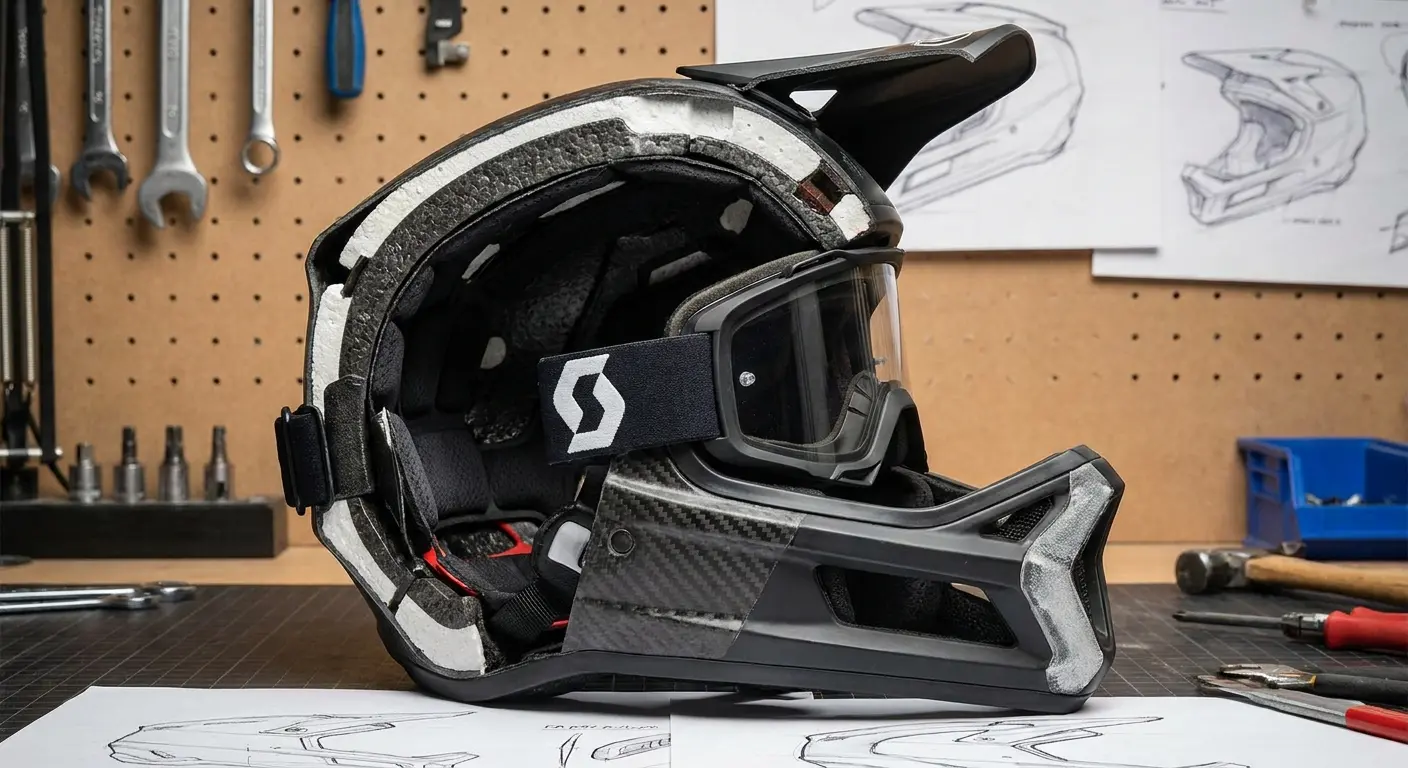
Downhill helmets add reinforcement zones and extended coverage beyond standard full-face designs. Thicker EPS foam layers (that's expanded polystyrene, the same stuff in cheap coolers, but engineered for impact absorption) absorb higher-energy impacts. Additional chin bar reinforcement prevents the jaw protection from collapsing during severe crashes.
Goggle integration systems create seamless interfaces between eyewear and helmet that prevent debris from entering through gaps. These helmets weigh more than trail or enduro options, sometimes exceeding 1000 grams for the most protective models.
Certification standards differ too. Downhill helmets meet motorcycle helmet standards rather than bicycle-specific ones, which requires more rigorous testing. Sizing becomes critical when you're adding this much material around your head because improper fit creates pressure points that become unbearable during long runs.
Gravity riders seeking maximum protection often explore best mountain biking destinations where proper helmet choice becomes essential for tackling challenging downhill terrain.
Helmets Made for Everyday Riding and Utility
Utility helmets solve specific real-world problems that racing and mountain bike helmets ignore entirely. Weather protection, storage, portability, growth accommodation. These practical concerns drive design decisions more than performance metrics.
These six helmet types cost less than performance options but include features that matter more for daily use. Understanding these distinctions helps you avoid buying helmets with capabilities you'll never use while missing features that would improve your actual riding experience.
12. Urban Commuter Helmets
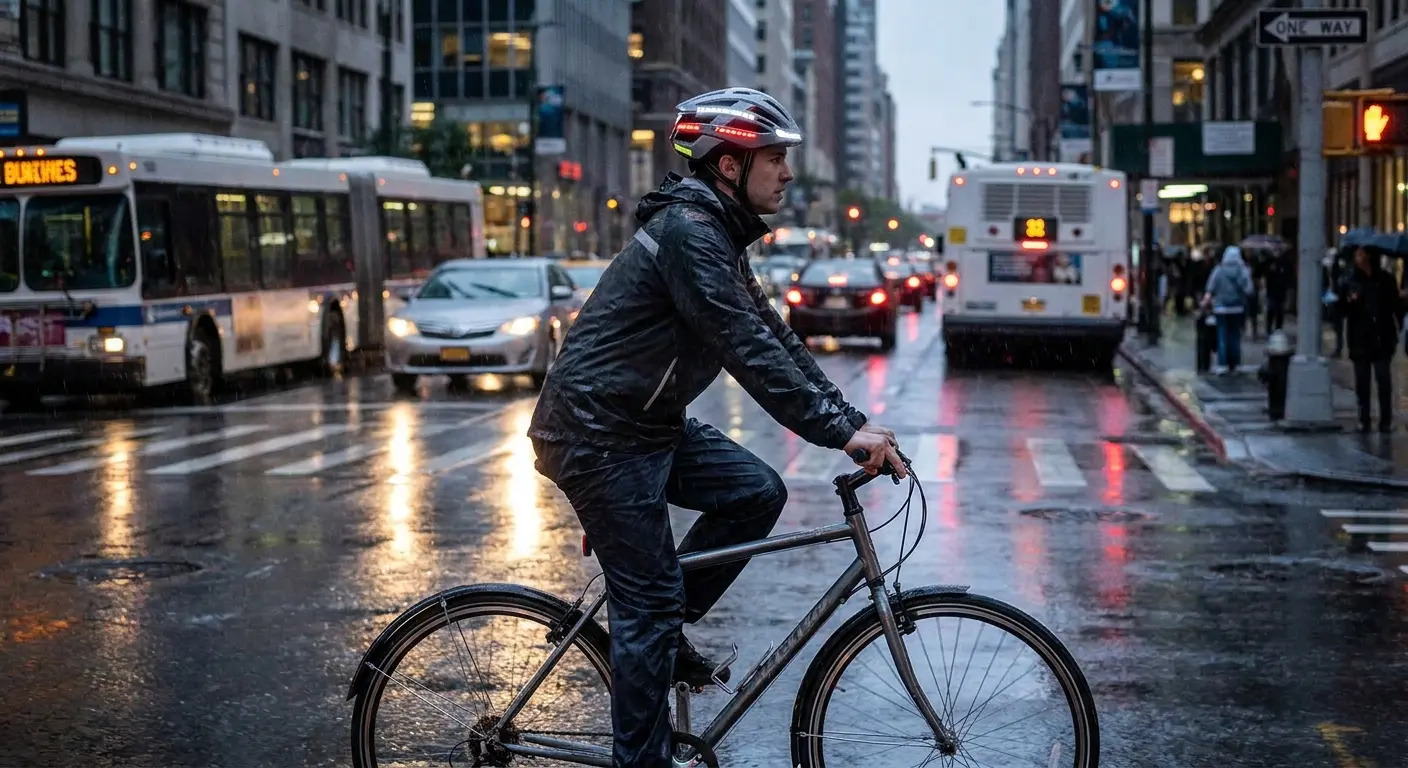
Urban commuter helmets add visibility features, mounting points, and weather resistance that performance helmets skip. Integrated light mounts provide attachment points for front and rear lights without aftermarket brackets. Reflective elements built into the shell design increase visibility from multiple angles.
My commute includes six miles of bike lane next to rush hour traffic. Rain channels on my commuter helmet seem like a small detail until you're sitting at a red light with water dripping into your eyes and a bus about to turn right through your position. Then they're everything.
Rain channels direct water away from your face during wet commutes, preventing the dripping that obscures vision at stoplights. Additional coverage at the temples and rear accounts for urban crash patterns, which involve side impacts from vehicles rather than forward falls.
Commuter helmets include fewer vents than road helmets because you're not generating the same heat during stop-and-go riding. The fit prioritizes comfort during shorter rides over long-duration stability. You might wear this helmet for 30 minutes twice daily rather than three hours continuously, which changes padding requirements and pressure point management.
Daily commuters who prioritize safety and convenience often pair their helmets with secure bike phone mounts for navigation and communication during urban rides.
Here's how these categories actually break down (without the marketing fluff):
Feature |
Road Racing Helmet |
Urban Commuter Helmet |
Why It Matters |
|---|---|---|---|
Ventilation |
15-25 large vents |
8-15 smaller vents |
Commuters generate less sustained heat than racers |
Rear Coverage |
Minimal (weight savings) |
Extended (crash protection) |
Urban crashes involve backward/side impacts |
Reflective Elements |
Rare/optional |
Integrated into design |
Visibility critical in traffic conditions |
Light Mounts |
Not standard |
Built-in attachment points |
Essential for dawn/dusk commuting safety |
Weather Channels |
None |
Rain-directing grooves |
Keeps water from dripping into eyes at stoplights |
Average Weight |
200-280g |
300-400g |
Extra features add weight but improve daily usability |
Notice how literally every spec differs? That's not coincidence. These are fundamentally different tools for fundamentally different jobs. Wearing a road helmet for urban commuting is like wearing running shoes to a construction site. Sure, they're both "shoes," but you're missing the point.
13. E-Bike Helmets
E-bike helmets meet higher impact standards to account for the increased speeds that electric assistance enables. The NTA-8776 certification (that's the Dutch safety standard for speed pedelecs, basically "regular bike helmet but tested at motorcycle speeds") requires more rigorous testing than standard bicycle helmet certifications in some regions.
E-bikes are weird. You're going 28 mph but cars still think you're going 15. That speed differential causes problems. I've had drivers pull out in front of me because they misjudged my speed by 10+ mph. The extra protection in e-bike helmets accounts for those higher-speed impacts that regular bike helmets weren't designed for.
Additional coverage zones extend farther down the back of your head and around your temples. Reinforced retention systems prevent the helmet from shifting during the higher-speed impacts that e-bikes make possible. Some models integrate rear lights directly into the shell rather than relying on clip-on accessories.
These helmets feel heavier and less ventilated than standard commuter options because the extra protection adds material. The differences count when you're regularly riding above 20 mph in urban environments where cars don't expect bicycles to move that quickly.
E-bike helmets meet motorcycle-level safety standards, which is hilarious because e-bike riders still get zero respect from either motorcyclists or traditional cyclists. You're too fast for the bike lane, too slow for the road, and everyone's annoyed at you. At least your head is protected.
Riders exploring electric-assisted cycling should review comprehensive guides on essential e-bike accessories to complement their helmet choice with proper mounting solutions.
14. Cargo Bike Helmets
Cargo bike helmets accommodate the upright riding position and increased load that cargo bikes create. Extended rear coverage protects when you're sitting more vertically than traditional cyclists, which changes impact angles during crashes.
Reinforced retention systems handle the neck strain that comes with carrying kids or cargo. Your center of gravity shifts dramatically when you load a cargo bike, which affects how crashes unfold and where impacts occur. Compatibility with rain gear and winter accessories matters more for cargo bike riders who commute year-round regardless of weather.
These helmets look similar to urban commuter options but include subtle differences in fit and coverage. The internal structure accounts for the different head positions cargo riders maintain, and the padding distributes pressure differently to prevent discomfort during longer rides with heavy loads.
15. Folding Helmets (The Packable Compromise)
Folding helmets solve the storage problem that stops many urban riders from wearing helmets consistently. Different brands use different collapse mechanisms. Some fold flat, others compress vertically, and a few use origami-inspired hinge systems.
Folding helmets are the cargo pants of bike helmets: incredibly practical, aesthetically questionable, and you'll spend way too much time explaining them to people who ask "wait, does that actually work?"
These designs make compromises in ventilation and weight. The mechanisms add material and create potential failure points that solid helmets avoid. Certification standards still apply despite the collapsible structure, so these helmets meet the same safety requirements as traditional designs.
Here's the practical reality: a helmet you'll wear beats a higher-performing helmet you leave at home. The type of helmet matters less than consistent use for commuters and casual riders who abandon helmets because carrying them becomes inconvenient.
16. Kids' Helmets with Growth Systems
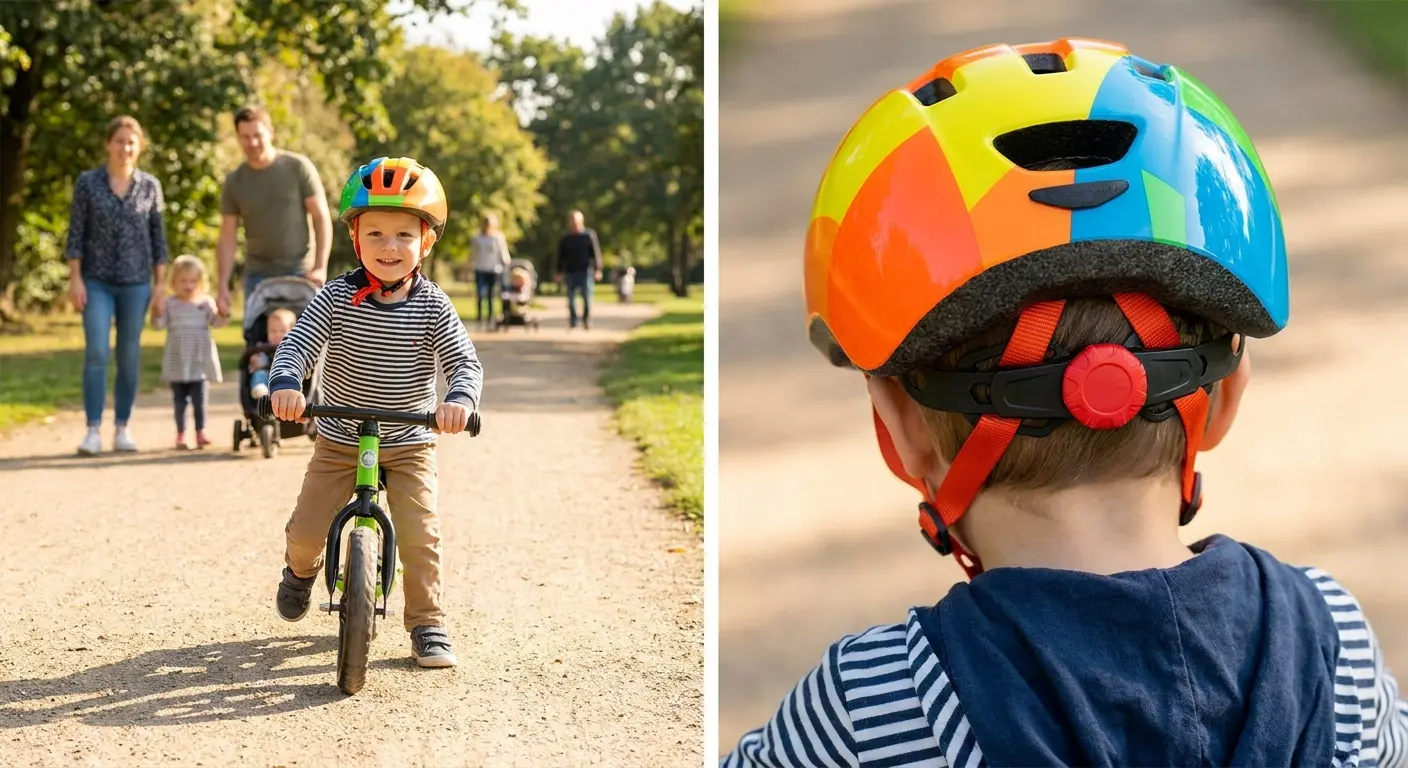
Kids' helmets with adjustable sizing systems extend usability across multiple years of growth. Dial-adjustment systems expand the internal fit as head circumference increases. Additional padding configurations let you fine-tune the fit as facial structure develops.
These helmets include more coverage at the rear and sides than adult versions. Kids have less developed neck muscles and worse crash instincts (they just go down hard), which means they need protection in areas where adult helmets reduce coverage for weight savings.
Kids' helmets come in colors that could be seen from space. Neon green. Electric pink. Patterns that look like someone gave a 6-year-old access to a graphics design program. This is intentional. Visibility saves lives. It also means your kid looks like a highlighter on wheels.
Brighter colors improve visibility, simpler buckle systems enable kids to fasten helmets independently, and integrated visors provide sun protection.
Sizing becomes more complex when you're accounting for growth. You want enough adjustment range to last multiple seasons without starting with a fit so loose it compromises protection. Most growth systems provide 2-3 years of usability before kids genuinely outgrow the helmet rather than just maxing out the adjustment range.
17. Winter Cycling Helmets (For People Who Hate Being Warm)
Winter cycling helmets reduce ventilation and add insulation for cold-weather riding. Covered vent designs block wind while maintaining minimal airflow to prevent overheating during hard efforts. Compatibility with winter caps and balaclavas means the internal fit accommodates additional layers.
Winter helmets feel claustrophobic. The reduced vents and added insulation create a sealed environment that's perfect at 20°F but suffocating at 40°F. You'll know you picked the wrong helmet when you're ten minutes into your ride with sweat running down your temples despite freezing temperatures.
Extended coverage protects ears and the back of the neck, areas where standard helmets leave you exposed to wind and cold. These helmets feel stifling in any temperature above freezing, which limits their usefulness to riders in harsh climates.
Dedicated winter helmets make sense for riders facing sustained sub-freezing temperatures. Most people can simply add a thin cap under their regular helmet and achieve adequate cold protection without buying a separate helmet that sits unused for nine months annually.
Cold-weather cyclists preparing for winter conditions should also consider essential gear for winter bike commuting beyond just helmet selection.
Okay, But Which Helmet Do I Actually Need?
If you're here because you need a helmet recommendation NOW and don't want to read another 2,000 words about helmet philosophy, here's the shortcut:
Road/fitness riding: Giro Register MIPS ($50-60) or Specialized Align II MIPS ($65-75)
Mountain biking/trails: Bell Sidetrack II MIPS ($70-80) or Giro Fixture MIPS ($75-85)
Urban commuting: Thousand Heritage ($89) or Nutcase Street MIPS ($120)
Kids: Giro Scamp MIPS ($50) or Bell Sidetrack Youth ($45-55)
Those will get you 80% of the way there for most riding. Want to understand WHY these categories exist and whether you actually need something different? Here's the cheat sheet:
You ride mostly on roads, paved paths, or bike lanes at moderate to fast speeds:
→ Road racing helmet ( if you go fast and far)
→ Urban commuter helmet (if you're doing short trips in traffic)
You ride mostly on trails, dirt, or technical terrain:
→ XC helmet (if you climb as much as you descend)
→ Trail/Enduro helmet (if you prioritize descending)
→ Full-face (if you're hitting bike parks or doing serious downhill)
You ride casually around town, to work, or for errands:
→ Urban commuter helmet (lights, coverage, practical features)
→ E-bike helmet (if you're on an electric bike going 20+ mph regularly)
You ride with kids or in winter conditions:
→ Kids' helmet with growth system (self-explanatory)
→ Winter helmet (if you're in sustained sub-freezing temps)
You do multiple types of riding:
→ Buy two helmets. Seriously. A road helmet and a trail helmet cover 90% of scenarios. Trying to find one helmet for everything means compromising on everything.
Still overwhelmed? Start with these questions:
What do you do 80% of your riding time?
What's the fastest speed you regularly hit?
What's your crash risk profile (traffic? technical terrain? both?)
Answer those, and the right category becomes obvious.
Rokform and Your Ride
Quick tangent about phone mounts, because this connects to helmet choice in a way you might not expect.
I've crashed because of a bad phone mount. Not directly, but my phone bounced loose mid-descent, I glanced down for half a second to see where it went, and that split-second distraction put me into a tree. Helmet saved my skull. But the whole crash was preventable.
Your helmet choice counts. So does everything else that could distract you mid-ride.
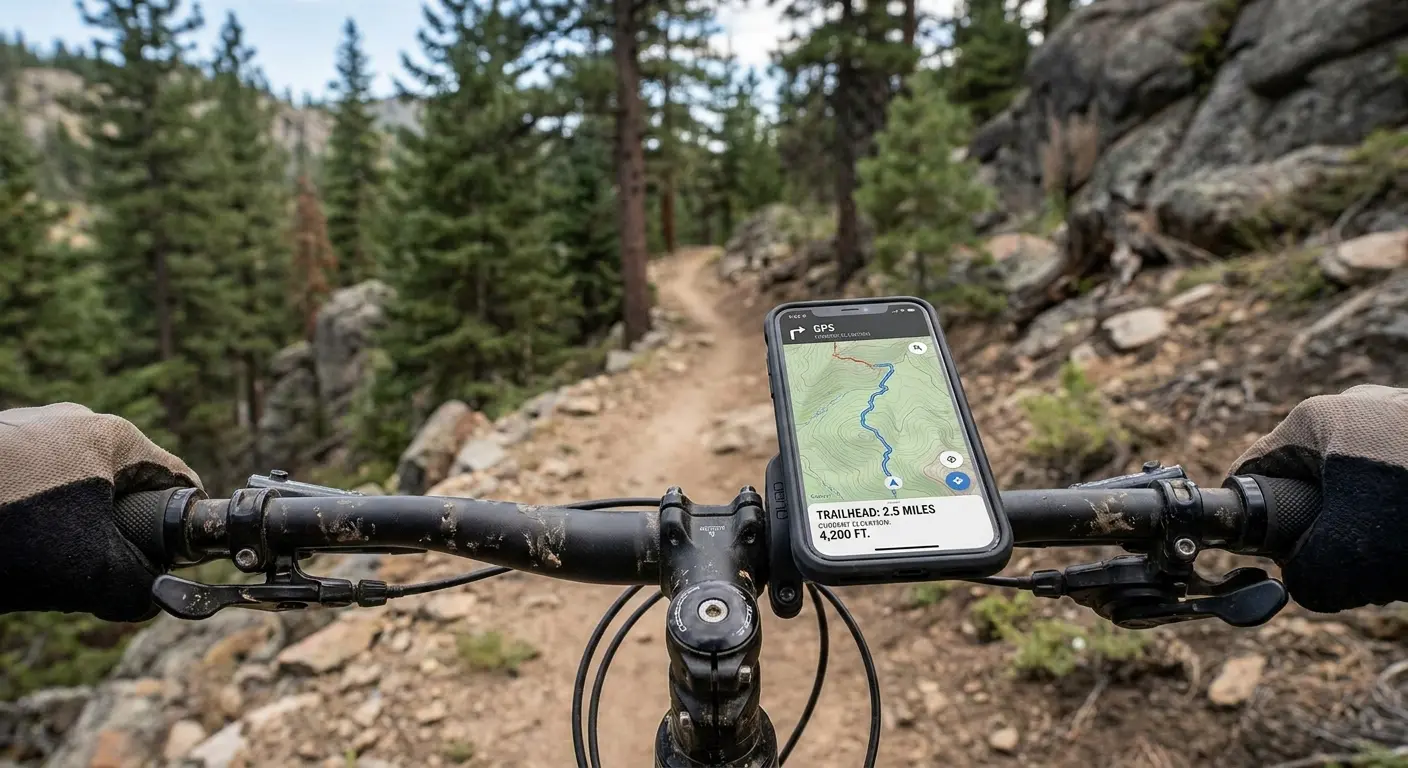
I've tested maybe a dozen phone mounts over the years. Most are garbage. Cheap plastic that works fine until you hit actual rough terrain, then your phone's flying into the woods. Rokform's magnetic system is the first one I've trusted on technical descents. The V4 Pro Series bike mount uses industrial-strength magnets with a twist-lock mechanism that I've never seen fail, even on chunky rock gardens where cheaper mounts would've ejected my phone.
This isn't a paid endorsement. I'm mentioning it because a secure phone mount is as much a safety feature as your helmet. Distraction kills. Fumbling with a loose phone while navigating traffic or technical singletrack is how you end up testing whether your helmet actually works.
Navigation, performance tracking, emergency communication. Your phone enables all of these, but only when it stays exactly where you mounted it. A bouncing or falling device pulls your attention from the road or trail at exactly the wrong moment. Riders seeking versatile mounting options across multiple bikes should explore the universal bike bar mount that works seamlessly with any helmet type and riding style.
Proper head protection combined with secure phone mounting means you can focus on your ride instead of worrying about your gear. That's the setup that makes sense whether you're racing crits, exploring backcountry trails, or commuting through rush hour traffic.
Making Your Helmet Last (And Knowing When to Replace It)
Clean it regularly:
Hand wash the pads with mild soap every 2-3 weeks if you ride frequently. That smell you're ignoring? It's bacteria. It's gross. Stop ignoring it.
Store it properly:
Not in your car. UV exposure and heat degrade the foam. Not in direct sunlight. Not in a garage that hits 120°F in summer. Inside your house, away from windows.
Replace it when:
After any crash (even if it looks fine)
Every 3-5 years (check manufacturer recommendations)
If it's been in extreme heat (like a car in summer)
If the straps are fraying or the retention system is loose
If it doesn't fit anymore (weight changes, different hairstyle, etc.)
Don't:
Drop it on hard surfaces (can damage foam internally)
Use harsh chemicals to clean it
Modify it (drilling holes for cameras, cutting straps, etc.)
Share helmets between riders (fit is individual)
Your helmet is cheap insurance. Treat it well, but don't hesitate to replace it when needed.
One hard crash and the EPS foam (that's the foam core, same stuff in cheap coolers but engineered for impact absorption) compresses permanently. You can't see the damage, but it won't protect you properly in a second crash. One crash = new helmet. No exceptions.
Helmet Myths That Need to Die
MYTH: "Expensive helmets are safer than cheap ones"
REALITY: All certified helmets meet the same minimum safety standards. Expensive helmets are lighter, more comfortable, better ventilated, but a $50 certified helmet protects as well as a $400 one in basic impacts. You're paying for comfort and features, not baseline safety.
MYTH: "A helmet is good for life if you don't crash"
REALITY: Foam degrades. UV exposure, sweat, temperature changes all break down the protective materials. Replace every 3-5 years even without crashes.
MYTH: "If the helmet looks fine after a crash, it's fine to use"
REALITY: The foam compresses internally during impacts. You can't see the damage, but it won't protect you properly in a second crash. One crash = new helmet. No exceptions.
MYTH: "I'm a good rider, I won't crash"
REALITY: The Norwegian study showed that helmeted riders had 62% fewer injuries. That includes "good riders." Skill doesn't prevent every crash. Cars run stop signs, wet leaves exist, mechanical failures happen. Wear the helmet.
MYTH: "Helmets cause neck injuries"
REALITY: This has been thoroughly debunked. The added weight of a helmet (200-400g) doesn't increase neck injury risk. The protection benefit massively outweighs any theoretical neck strain.
Final Thoughts
You made it through seventeen helmet types. That's more helmet knowledge than 95% of riders will ever have.
Here's what counts now: Stop overthinking it.
You know the categories. You know the trade-offs. You know that fit beats features, but features matter more than price.
So go to a bike shop. Try on helmets. Find one that fits your head shape and matches how you actually ride. Buy it. Wear it. Every single ride.
The best helmet is the one you'll actually use. A $400 race helmet sitting in your garage because it's "too nice" for casual rides protects exactly zero percent of your head. A $100 commuter helmet you wear every time you ride? That's the one doing its job.
A 2024 Norwegian study tracked actual crash victims (not lab tests, real people who actually crashed). The results aren't subtle.
Wearing a helmet cut your odds of any head injury by 62%.
Serious head injuries? 72% reduction for solo crashes. 63% reduction when you get hit by a car. And if you collide with another cyclist? 94% reduction.
Here's the kicker: helmeted riders had 64% lower odds of needing brain surgery.
Brain. Surgery.
That's not a marginal safety improvement. That's the difference between going home with a headache and going home with a surgeon's bill and permanent cognitive damage (source: Bicycle Helmet Safety Institute).
Your brain is irreplaceable. The foam is not.
One crash. That's all it takes. One patch of gravel. One car not paying attention. One wet root you didn't see.
I've had friends who crashed without helmets. Some got lucky. Some didn't. The ones who didn't? Their lives changed permanently. Speech problems. Memory issues. Personality changes. All preventable.
You can't control whether you crash. You can control whether you're protected when it happens.
Choose the right helmet type for your riding. Get the fit dialed in. Wear it consistently.
That's it. That's the whole game.
Ride safe.