


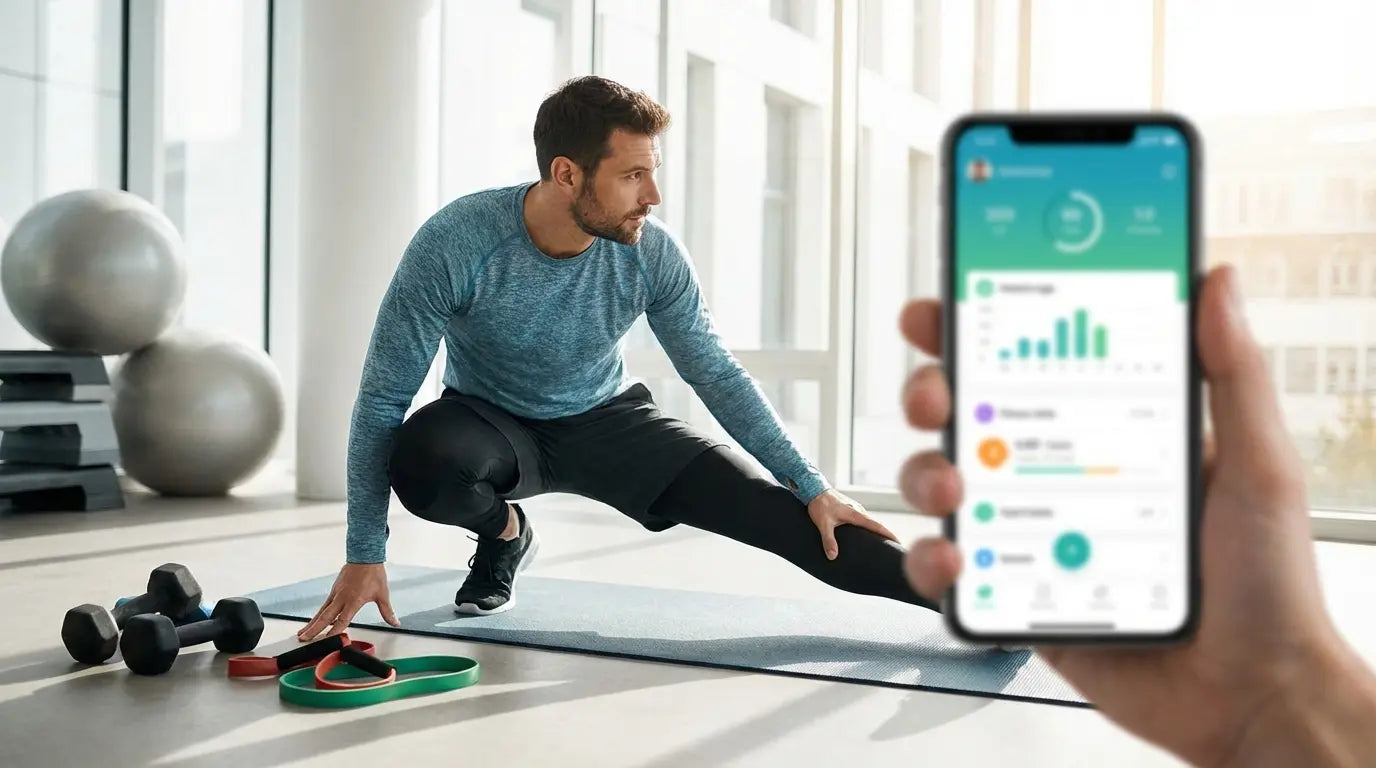
I’ve been there: walking into the gym without a plan, wandering aimlessly from the dumbbells to the cable machine, doing a few half-hearted sets, and leaving feeling like I wasted an hour. It’s a terrible feeling. It turns out, most of us need a little digital hand-holding to actually see progress. In fact, 91% of guys report feeling fitter just by using a workout app. That’s not just a stat; it’s proof that structure works. We aren't just looking for software here; we're looking for a tool that forces you to actually do the work.
Of course, relying on your phone means you need to keep it accessible without smashing it with a 45lb plate. This is where having the right gym phone case helps—keeping your plan right in front of your face. Below, I’ve broken down the apps that are actually worth your time and money heading into 2026, so you can stop guessing and start lifting.
Table of Contents
TL;DR
What Actually Matters (The Real Criteria)
-
Iron Addicts: Strength Training & Bodybuilding
1. Hevy
2. Strong
3. Fitbod
4. Jefit
5. StrongLifts 5x5
-
The Busy Professional: Home Workouts & HIIT
6. Centr
7. Freeletics
8. Nike Training Club (NTC)
9. Peloton
10. Keelo
-
High Performers: Personal Coaching & Accountability
11. Future
12. Caliber
13. CoPilot
14. Juggl
-
Road Warriors: Running & Endurance
15. Strava
16. Runna
17. Nike Run Club (NRC)
18. Zwift
-
Longevity Focus: Mobility & Recovery
19. Pliability
20. GOWOD
21. Yoga for BJJ
-
Kitchen Focus: Nutrition & Physique
22. MacroFactor
23. RP Diet Coach
24. MyFitnessPal
25. Cronometer
Integrating Tech and Toughness
Final Thoughts
TL;DR
Know Your Goal: Don't download a running app if you want bigger biceps. Decide if you want hypertrophy, cardio, or just general weight loss first.
Robots vs. Humans: You have two choices: algorithm-based apps (like Fitbod) that auto-set your weights, or premium apps (like Future) where a real human texts you to ask why you skipped leg day.
Data Matters: The best apps for 2026 need to play nice with Apple Health, Garmin, or Whoop. If it doesn't track recovery, it's outdated.
Protect Your Gear: If your phone is your trainer, it needs to survive the gym floor. Magnetic mounting and rugged protection aren't optional; they're essential.
Primary Fitness Goal |
The Category You Need |
Top Pick |
|---|---|---|
Hypertrophy & Strength |
Loggers & AI Coaching |
Hevy / Fitbod |
Weight Loss & Efficiency |
HIIT & Home Workouts |
Centr / Freeletics |
Endurance & Racing |
GPS Tracking & Pacing |
Strava / Runna |
Injury Prevention |
Mobility & Yoga |
Pliability |
Accountability |
1-on-1 Human Coaching |
Future |
What Actually Matters When Choosing an App
Ignore the flashy marketing videos for a second. Before you commit to a monthly subscription, you need to be honest about how you train. A bodybuilding app is useless if you only have a yoga mat, and a running app won't help you bench press. You also need to look at your environment. Whether you're in a commercial gym or a garage, check out 4 ways your phone case can amplify your workout—because fumbling with your phone between sets is a great way to ruin your flow.
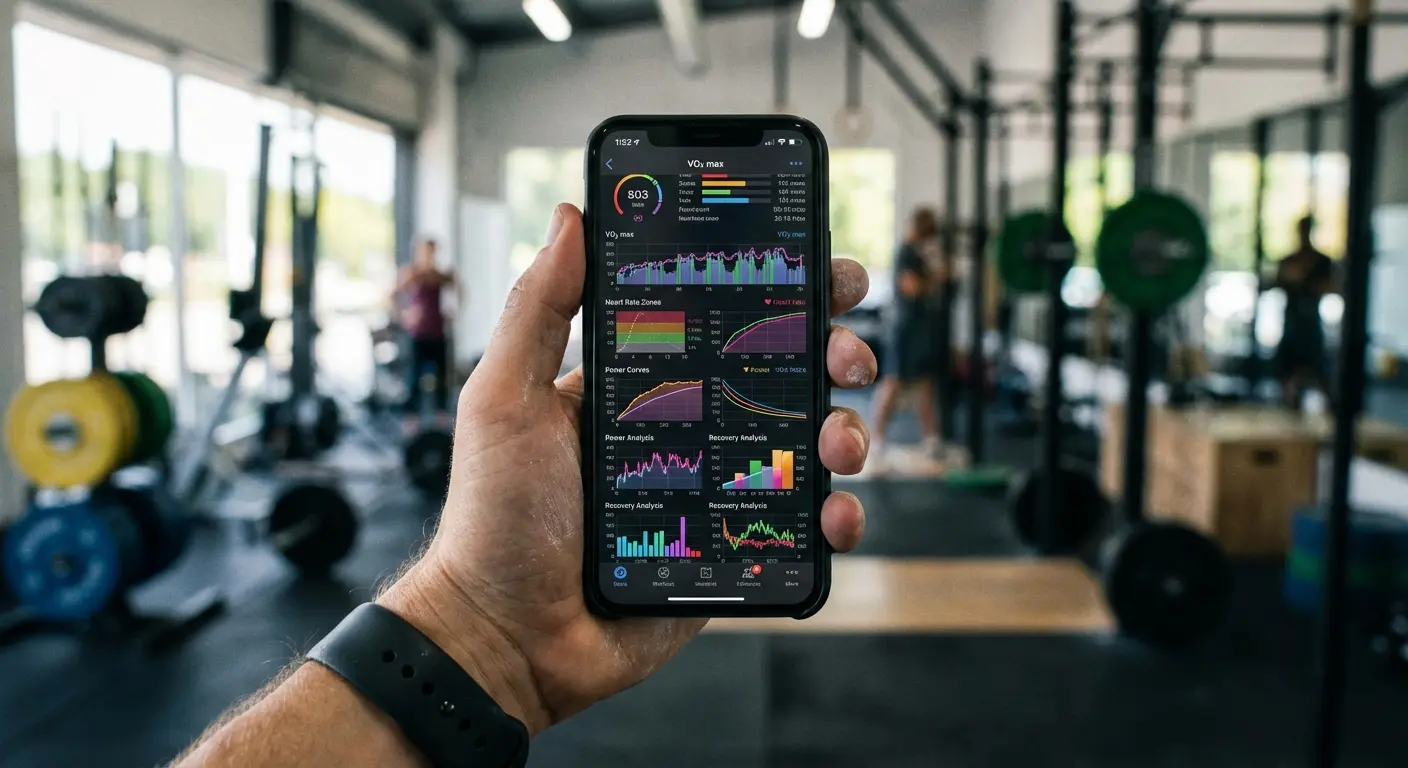
We also look at the "brain" of the app. Do you want an AI to tell you exactly how much weight to put on the bar, or do you need a real human to keep you accountable? Finally, the interface matters. If it takes ten clicks to log a squat, you aren't going to use it. It needs to be frictionless.
The Real-World Equipment Check:
Scenario: Mike travels for work constantly and only has access to random hotel dumbbells.
Bad Choice: StrongLifts 5x5. It requires a barbell and squat rack, which hotels rarely have.
Good Choice: Freeletics or Fitbod. Mike can just select "dumbbells only" or "bodyweight," and the app spits out a brutal workout instantly.
Iron Addicts: Strength Training & Bodybuilding
This section is for the guys who want to move heavy iron. If you care about progressive overload, tracking your 1-rep max, and hypertrophy, these are for you. These apps strip away the fluff—no videos of people smiling while they work out, just cold, hard data logging.
1. Hevy
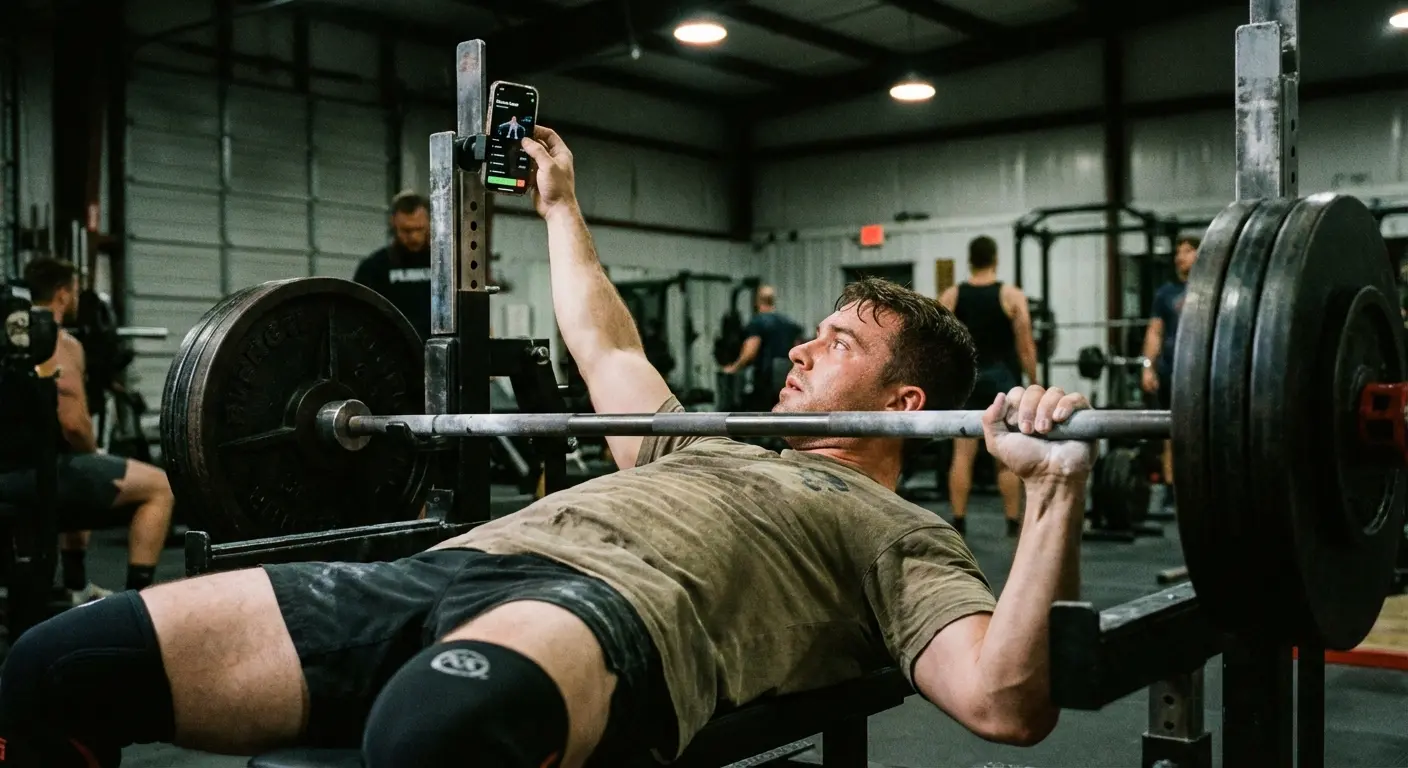
Hevy is currently the best pure lifting tracker on the market. It’s like social media, but only for lifting. You can build custom routines, log weights easily, and see what your friends are lifting in the feed. Seeing your buddy hit a PR is surprisingly good motivation to get to the gym yourself. It’s clean, modern, and intuitive.
2. Strong
Before Hevy, there was Strong. It offers a classic, minimalist experience. If you hate the social aspect of Hevy and just want a digital notebook, this is it. It has a built-in rest timer, history charts, and zero distractions. It’s for the "lone wolf" lifter who just wants to get in, log the work, and get out.
Feature |
Hevy |
Strong |
Fitbod |
|---|---|---|---|
Best For |
Social Motivation & Tracking |
Minimalist Logging |
AI-Generated Workouts |
Workout Planning |
You plan it |
You plan it |
AI plans it for you |
Social Features |
High (Feed, Likes) |
None |
Low |
Apple Watch App |
Excellent |
Excellent |
Good |
Price |
Free / Sub |
Free / Sub |
Subscription Only |
3. Fitbod
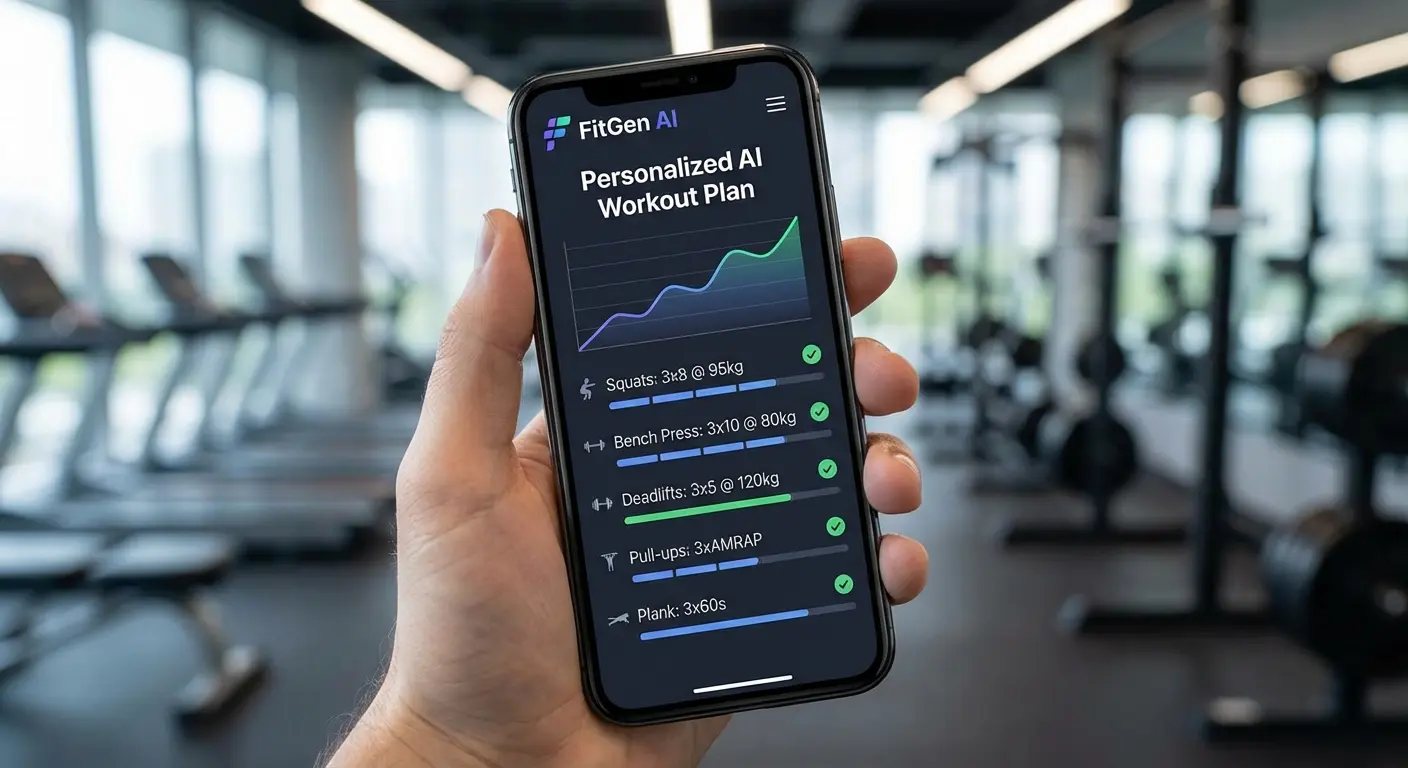
Fitbod solves the "what should I do today?" problem. It uses AI to analyze your past workouts and recovery, then builds a workout for you. It tells you the exercise, sets, reps, and weight. It’s perfect if you want to walk into the gym and put your brain on autopilot while your muscles do the work.
4. Jefit
Jefit has been around forever, and for good reason. It has a massive exercise library and great analytics. The interface is a little denser than Hevy, but the community aspect is huge—you can download routines created by other users. If you want to try a specific program but don't know how to build it, you can probably find it here.
5. StrongLifts 5x5
StrongLifts is famous for being rigid. You do three exercises per workout, three times a week. That's it. It tells you when to add weight and when to deload. It offers zero flexibility, but for a beginner trying to build a strength foundation, that rigidity is exactly what makes it work.
The Busy Professional: Home Workouts & HIIT
Not everyone has 90 minutes to spend at a commercial gym. These apps are for the guys squeezing in a session between Zoom calls or before the kids wake up. They focus on high intensity and efficiency.
The "Lunch Break" Warrior:
Scenario: David has 35 minutes between meetings. No time to drive to the gym.
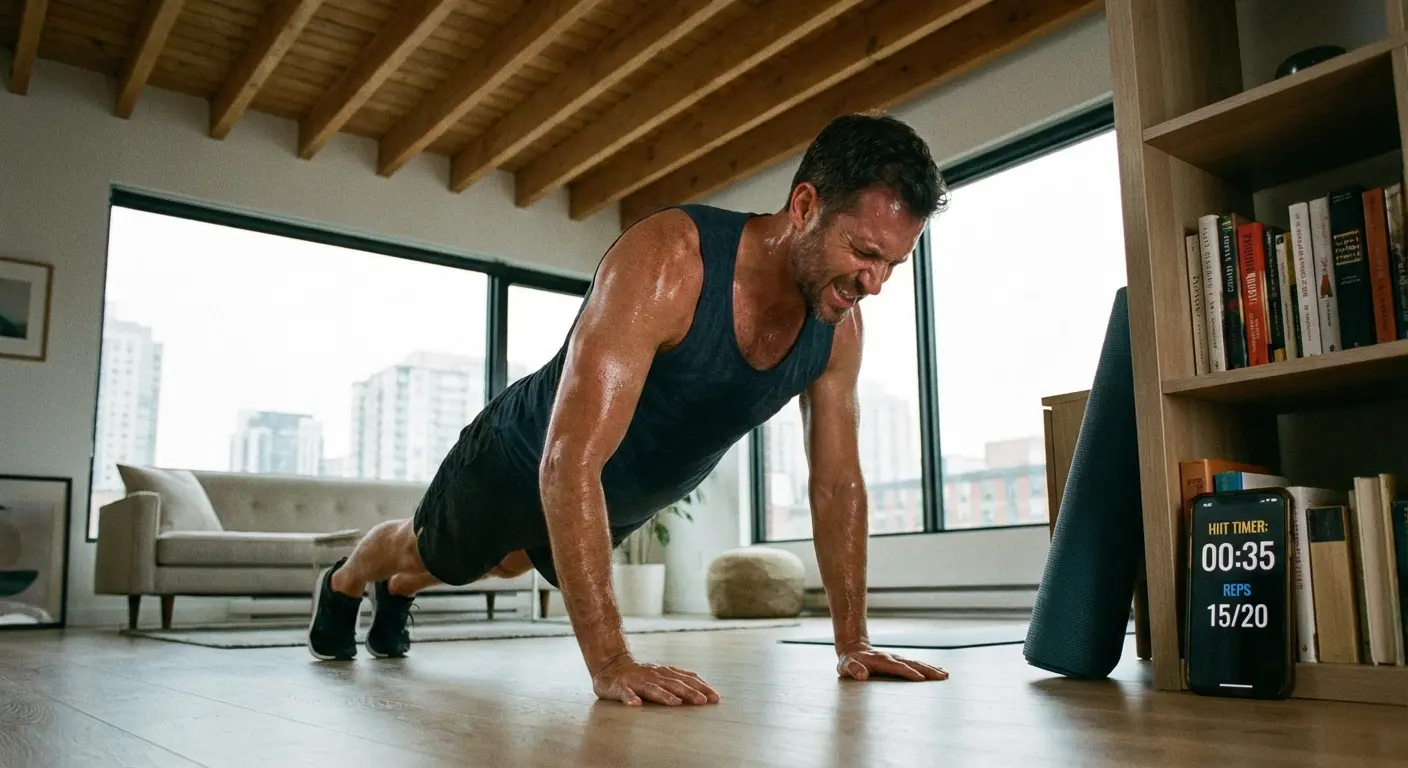
The Solution: He opens Keelo or Centr, hits the "20-minute intensity" filter, and gets wrecked in his living room. He burns 300 calories, showers, and is back at his desk before anyone notices.
6. Centr
Founded by Chris Hemsworth, Centr is more than just a workout app; it's a lifestyle platform. It combines daily HIIT and strength workouts with meal plans and mindfulness. The production value is incredibly high. If you want a "holistic" approach (training, eating, and mindset) in one place, this is the premium choice.
7. Freeletics
Freeletics is the king of bodyweight training. The AI "Coach" builds custom HIIT runs and calisthenics workouts based on your feedback. It’s the ultimate travel companion because you don't need any equipment. It adapts to you, meaning you have no excuse to skip a workout just because you're in a hotel room.
8. Nike Training Club (NTC)
Nike Training Club is shockingly good for the price (often free or very cheap). It has a massive library of video-led workouts, from yoga to heavy lifting, led by world-class trainers. If you are a visual learner and prefer following a trainer on video rather than reading a list of exercises, this is your best bet.
9. Peloton
You don't actually need the bike to use the app. Peloton offers high-energy strength, boxing, and cardio classes that are great if you need motivation. If you're deep in the Apple ecosystem, check out how Apple's Fitness Plus compares with Peloton to see which fits better. But for pure energy and music-driven workouts, Peloton is hard to beat.
10. Keelo
Keelo is basically CrossFit for your phone. The workouts are short (usually under 20 minutes) but extremely intense functional fitness. It’s ideal for guys who want high athletic output but have very little time. Expect to sweat a lot.
High Performers: Personal Coaching & Accountability
Sometimes an algorithm isn't enough. If you find yourself skipping workouts, you might need a real person to answer to. These apps connect you with coaches who will analyze your data and actually text you to keep you on track.
11. Future
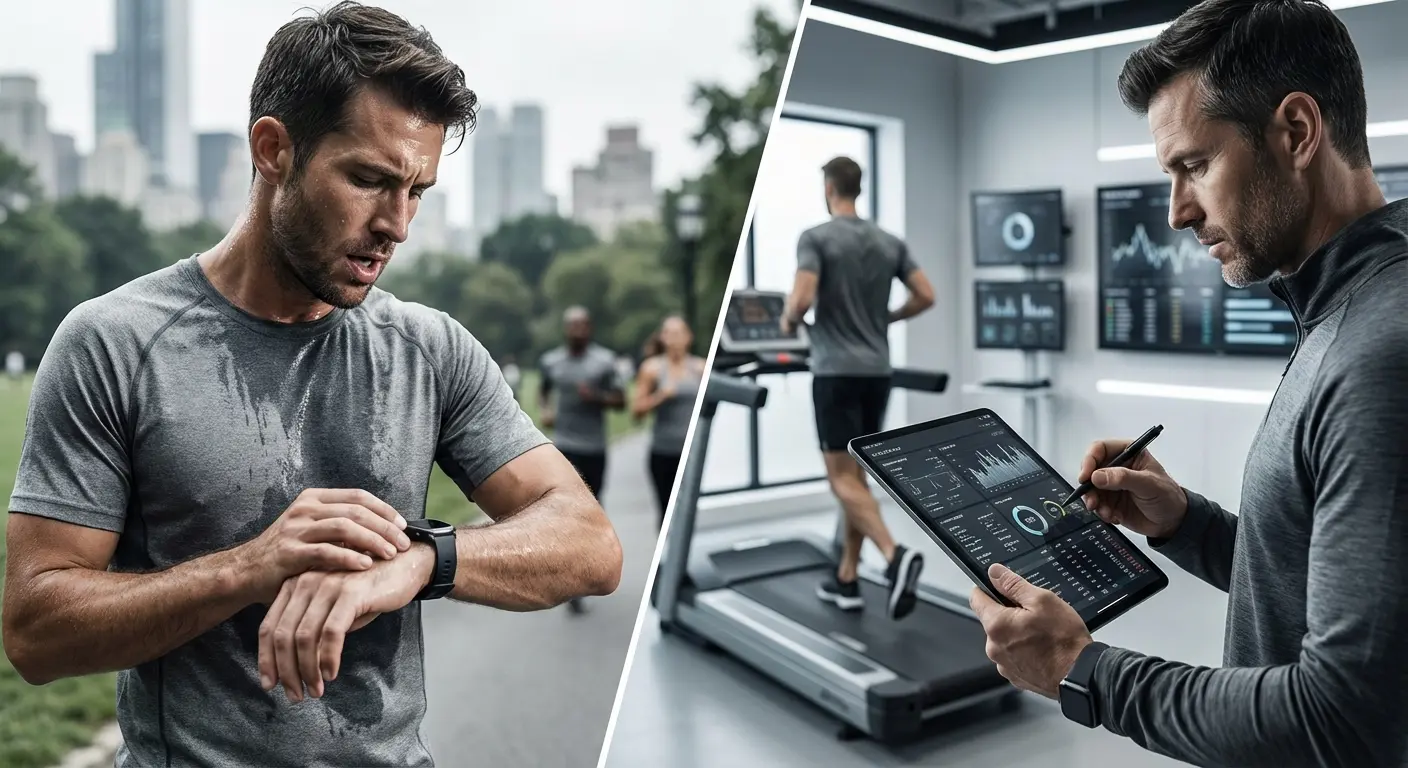
Future is the closest thing to having a personal trainer in your pocket. You get paired with a real human coach who builds your weekly workouts and messages you daily. They check your Apple Watch data to see if you actually did the work. It’s expensive, but if accountability is your main struggle, it works.
12. Caliber
Caliber is focused on science-based strength training. Their paid tier offers coaching where you can send videos of your lifts for form checks. It prioritizes education and correct form over flashy cardio. It’s great if you want to learn *how* to lift properly without hiring an in-person trainer.
13. CoPilot
CoPilot connects you with a remote trainer and uses motion tracking via wearables to verify you're doing the exercises. It’s a great middle ground—you get the human nudge and the digital tracking to ensure you aren't cheating your reps.
14. Juggl
Juggl is designed for the "hybrid athlete"—guys who want to lift heavy *and* run far. Balancing those two things is hard without burning out. Juggl manages your fatigue between cardio and strength training so you can progress in both without getting injured.
Road Warriors: Running & Endurance
If you're training for a 5K, a marathon, or a triathlon, you need GPS tracking and pacing guidance. These apps turn running from a boring slog into a data-driven game.

15. Strava
Strava is the social network for athletes. It tracks your runs and rides via GPS, but the real hook is the social aspect. You can compare your times on specific road segments against locals. The "kudos" (likes) you get from friends provide massive motivation to get out the door.
16. Runna
Runna is amazing if you have a specific goal, like "Sub-4 Hour Marathon." It replaces those generic PDF plans with dynamic coaching that adjusts based on your current ability. It tells you exactly what pace to run every day. If you are signing up for a race, get this.
17. Nike Run Club (NRC)
NRC features "Guided Runs" where a coach talks to you through your headphones. They give you instructions on intervals, form, and pacing while you run. It’s the best option for beginners or anyone who finds running boring—the audio coaching keeps you engaged.
18. Zwift
Zwift turns indoor cardio into a video game. You control an avatar in a virtual world by pedaling your bike or running on a treadmill. If you're looking to move your training outdoors, check out the 5 best cycling apps to keep you connected. But for winter training, Zwift is the best way to stop yourself from going insane on a stationary bike.
Longevity Focus: Mobility & Recovery
If you're over 30, you know the deal: you can't just lift heavy and ignore recovery anymore. These apps help you prevent injury and improve your range of motion so you can keep training hard without snapping something.
19. Pliability
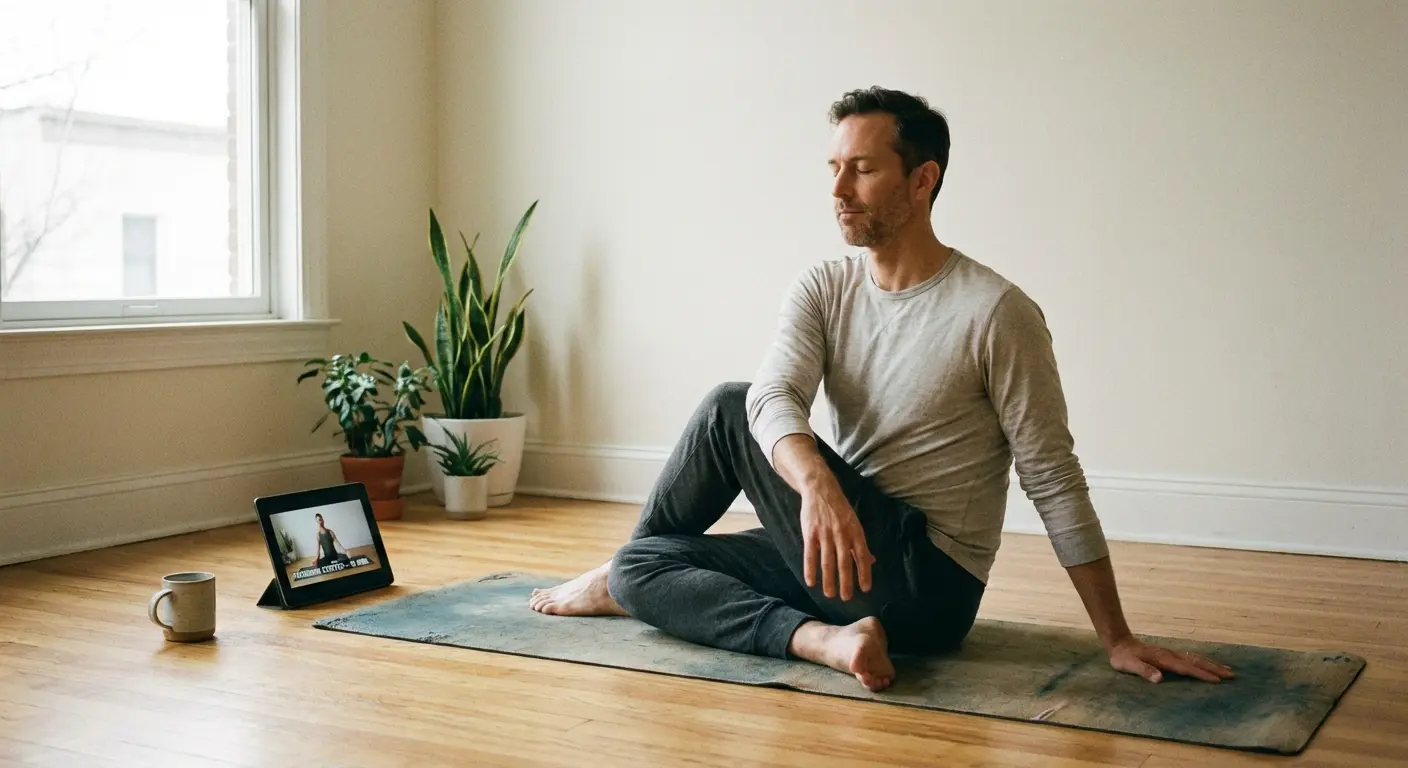
Formerly ROMWOD, Pliability offers long-hold stretches (Yin yoga) designed for athletes. It focuses on opening up hips, shoulders, and backs. It’s the perfect way to wind down at night and undo the tightness from sitting at a desk or squatting heavy.
20. GOWOD
GOWOD is huge in the CrossFit world. You do a self-assessment, and it tells you your mobility percentage (flexibility). Then, it gives you customized protocols to fix your specific tight spots. It’s highly data-driven and effective.
21. Yoga for BJJ
Designed for grapplers, but great for anyone who does combat sports. It focuses on "bulletproofing" your joints against injury. If you want practical mobility without the spiritual chanting usually associated with yoga, this is a great practical alternative.
Kitchen Focus: Nutrition & Physique
You can't out-train a bad diet. Whether you want to cut fat or bulk up, you need to track what you eat. These apps take the guesswork out of it.
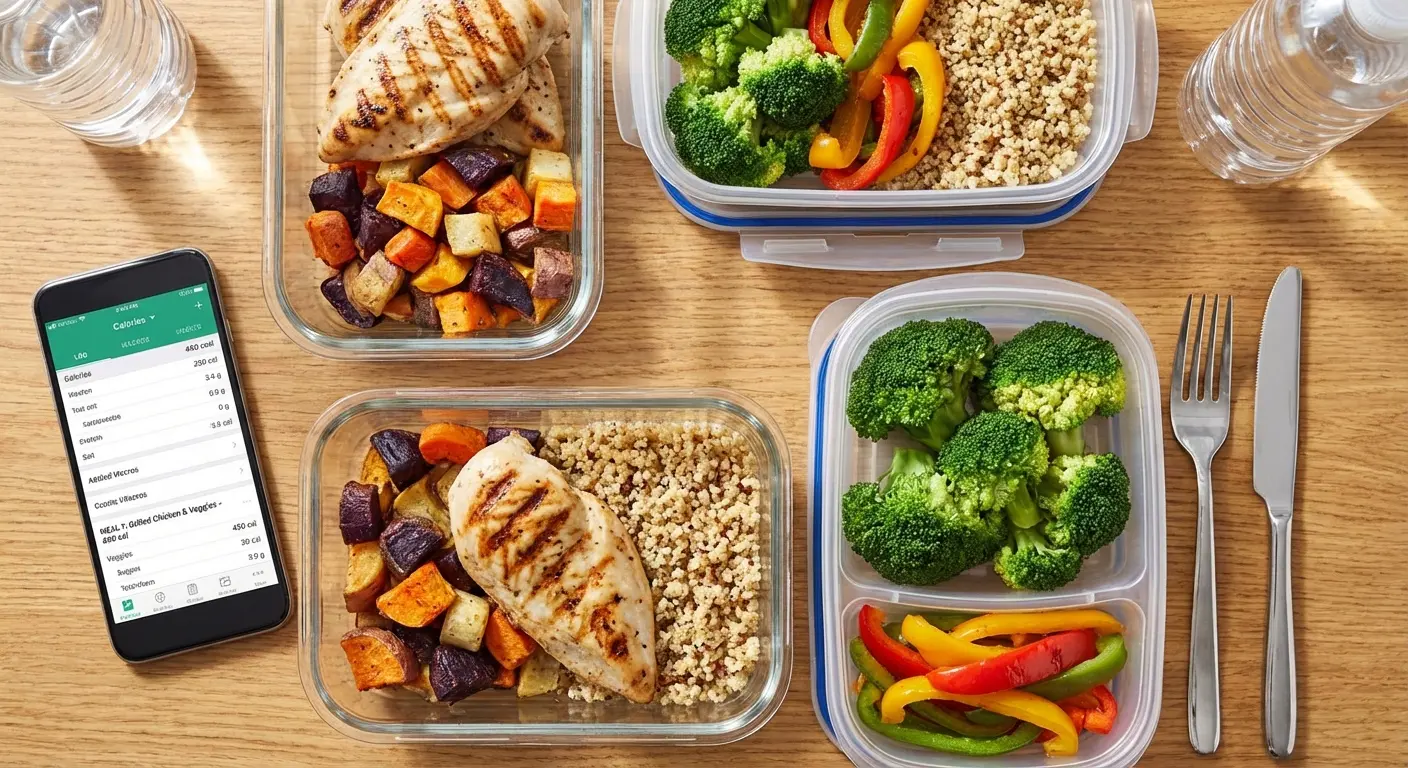
22. MacroFactor
MacroFactor is arguably the smartest nutrition app out there right now. It uses an algorithm to calculate your *true* daily energy expenditure and adjusts your calories weekly based on your weight trends. It’s adherence-neutral, meaning it doesn't shame you for eating pizza; it just adjusts the math.
The Data-Driven Bulk:
Scenario: Alex wants to gain muscle but is terrified of getting fat.
The Strategy: He uses MacroFactor to set a conservative gain goal (0.5% body weight/week). As his metabolism speeds up, the app automatically gives him more calories, ensuring he stays in the sweet spot without guessing.
23. RP Diet Coach
RP is for the hardcore. It tells you exactly what to eat and *when* to eat it (nutrient timing) to maximize performance. It’s rigid, but it works. If you want to be told exactly what to do to get shredded, this is it.
24. MyFitnessPal
The classic. It has the biggest food database in the world. It’s the "old reliable" for tracking calories. The interface is a bit cluttered these days, but the barcode scanner makes logging food incredibly fast.
App |
Best For |
Key Feature |
Complexity |
|---|---|---|---|
MacroFactor |
Optimizing Body Comp |
Smart Algorithm |
Medium |
RP Diet Coach |
Performance & Timing |
Meal Timing |
High |
MyFitnessPal |
General Tracking |
Huge Database |
Low |
Cronometer |
Health & Longevity |
Micronutrients |
High |
25. Cronometer
If you care about more than just protein—like getting enough magnesium, zinc, and vitamins—Cronometer is the best. It tracks micronutrients in detail. It’s great for the longevity crowd who wants to optimize overall health, not just biceps size.
Integrating Tech and Toughness
Here's the reality: using these apps makes your phone an essential piece of gym equipment. But gyms are dangerous places for expensive glass screens. Whether you're logging a PR on Hevy or checking your pace on Strava, you need your phone accessible, not sitting on a dirty floor waiting to be stepped on.
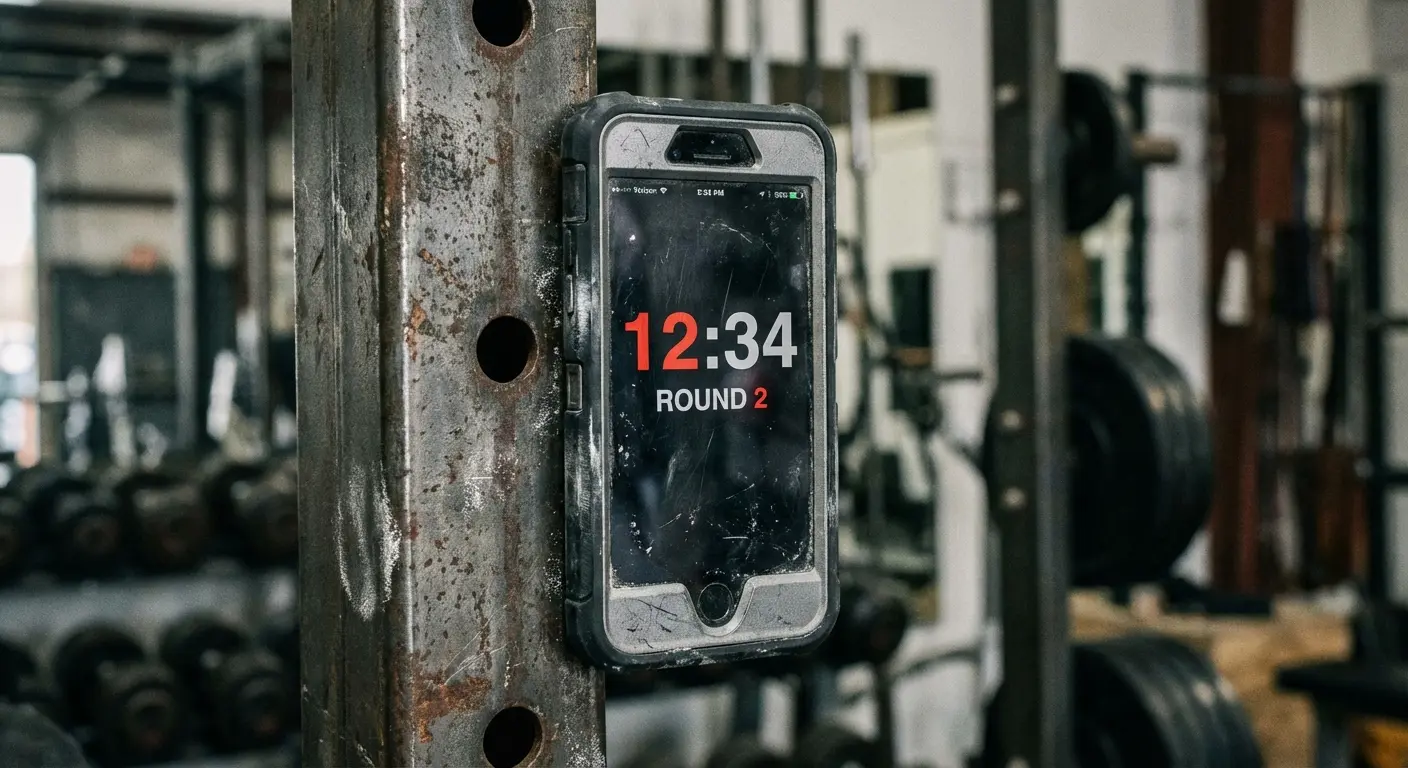
This is where Rokform actually changes the game. Our Rugged and Crystal cases use industrial-grade MAGMAX™ magnets. This means you can stick your phone directly to the squat rack, the treadmill console, or the side of a machine. It keeps your workout plan at eye level and your phone off the ground. If you want to see how this works, check out our guide on MagSafe and the best accessories. It’s about keeping your tech safe while you push your limits.
Final Thoughts
The "best" app is simply the one you actually use. We've laid out the top options for 2026, but downloading them won't give you six-pack abs—you still have to do the work. Pick the tool that fits your style, protect your tech so it survives the journey, and get moving.

