


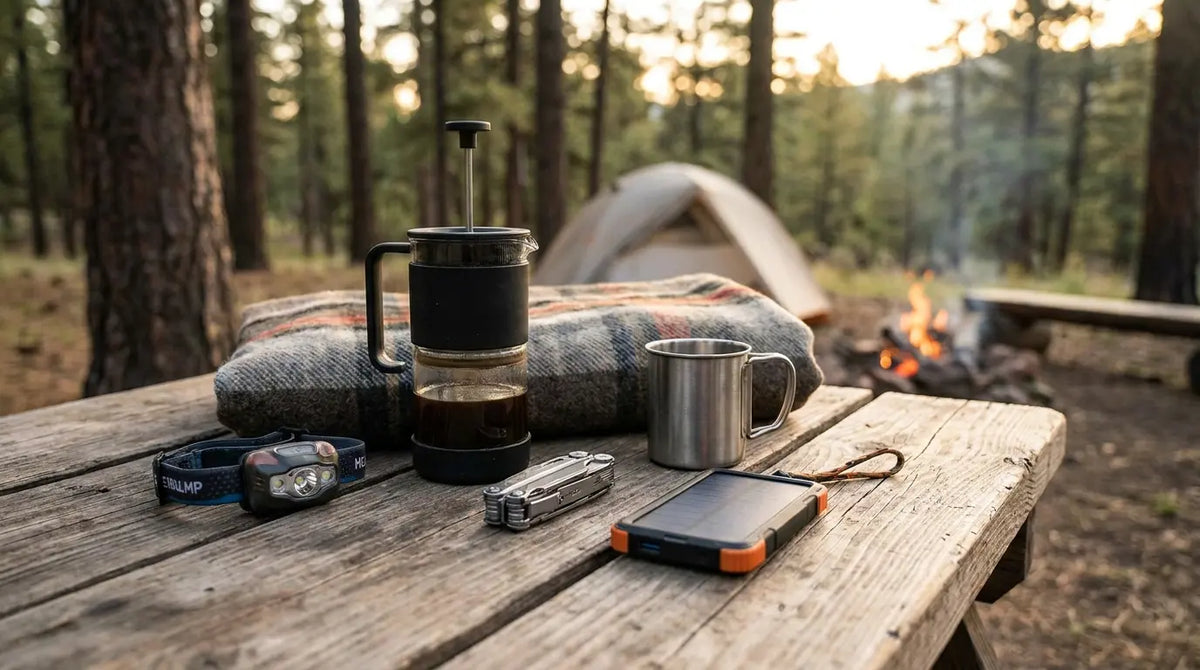
Most camping gift guides are useless. Just expensive stuff that looks cool but sits in a closet after one trip. I've been testing gear for years, actually using it, not just reviewing it in my backyard, and here's what I've learned: the best camping gifts are usually cheap. Like, under $30 cheap. They solve annoying little problems that ruin trips.
I've grouped these into four categories. Kinda. Daily gear, sleep stuff, comfort things, and random problem-solvers. Some overlap. Whatever.
Here's something people don't think about enough: your phone. When you're out there with no cell service, that thing is your GPS, your camera, your weather app, and your only way to call for help if things go sideways. Regular cases break. I've seen it happen. Not great when you're ten miles from your car.
Buy stuff that's lighter, helps you sleep better, or stops you from kicking yourself for forgetting it. Comfort items aren't about going soft. They're about being functional enough to enjoy the experience and do it again. Small upgrades to existing systems (sleeping pads, camp kitchens) usually deliver more value than entirely new gear categories.
Stuff That Gets Used Every Single Trip
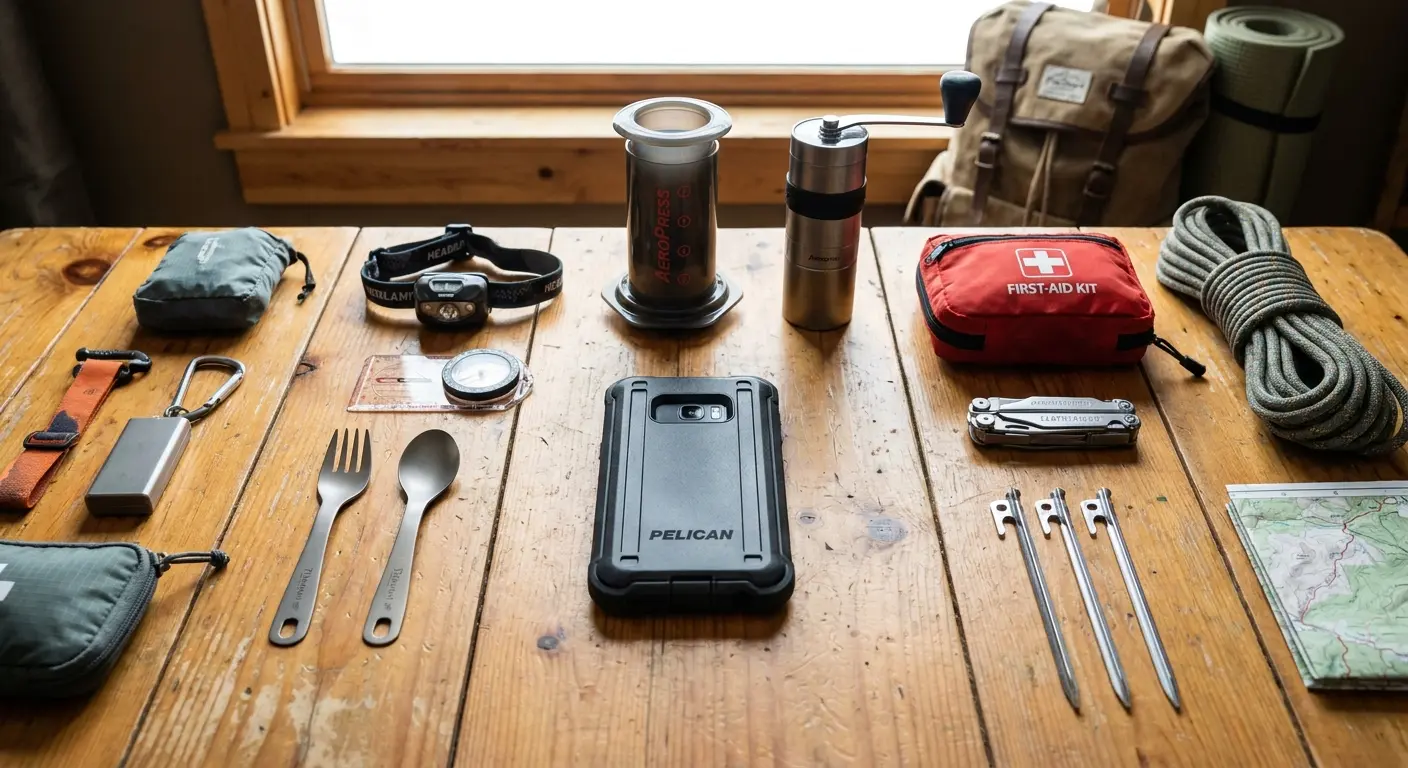
There's a gap between gear people receive as gifts and gear that earns a permanent spot in their camping rotation. I'm focusing on items that solve daily friction points: keeping your phone functional, making decent coffee without complicated setups, managing water and dishes efficiently, and having the right tool when you need it.
If you wouldn't miss it, don't pack it. Simple as that.
The Rokform case leads because phone functionality is non-negotiable. Maps, weather updates, photos, emergency contact: your phone handles all of it. Most standard cases fail under outdoor conditions, leaving you with a cracked screen or water damage at the worst possible moment.
The other three items tackle the unglamorous realities of camp life. Nobody talks about this stuff, but it gets used on every single trip.
Gift Item |
Weight |
Primary Problem Solved |
Best For |
|---|---|---|---|
Rokform Rugged Phone Case |
~3 oz |
Phone protection + mounting in rough conditions |
Anyone who uses their phone for navigation/photos |
Portable Espresso Maker |
11 oz |
Terrible camp coffee |
Coffee people, car campers, backpackers |
Collapsible Silicone Sink |
8 oz |
Messy dishwashing |
Group campers, families, longer trips |
Multi-Tool with Bit Driver |
7.5 oz |
Can't fix gear in the field |
Gear nerds, bike campers, anyone who travels far |
*Weight nerds: yes, I rounded. Sue me.
1. Rokform Rugged Phone Case
Your phone works harder camping than any other piece of gear you own. You're shooting photos, navigating when trail markers vanish, checking weather when those clouds start looking wrong, and (worst case) calling for help. Wildlife sightings end up on my screen too, and my fox phone wallpapers are the best of that batch.
My buddy's phone slid into a creek last summer. Cracked screen, water damage, completely dead. He had to navigate six miles out with a compass he barely remembered how to use. Not fun.
Regular cases won't cut it when you're scrambling over rocks, dealing with condensation inside your tent, or mounting your phone to handlebars for navigation. I built the Rugged Case for situations where failure isn't an option.
It's drop-tested to 10+ feet, which matters because you will drop your phone. Setting up camp in the dark? You're gonna fumble it. Scrambling over rocks? It's gonna slip. This case handles it. The Rugged Case meets rugged protection standards that outdoor enthusiasts depend on when standard cases simply won't cut it.
The integrated magnetic system means you can mount your phone to metal surfaces around camp or use it hands-free while cooking. It keeps working after exposure to dust, moisture, and temperature swings that would kill lesser cases.
You can't gift someone a better camping experience, but you can make sure their most critical tool survives the trip.
2. Portable Espresso Maker
Instant coffee tastes like regret. Percolators are bulky and annoying.
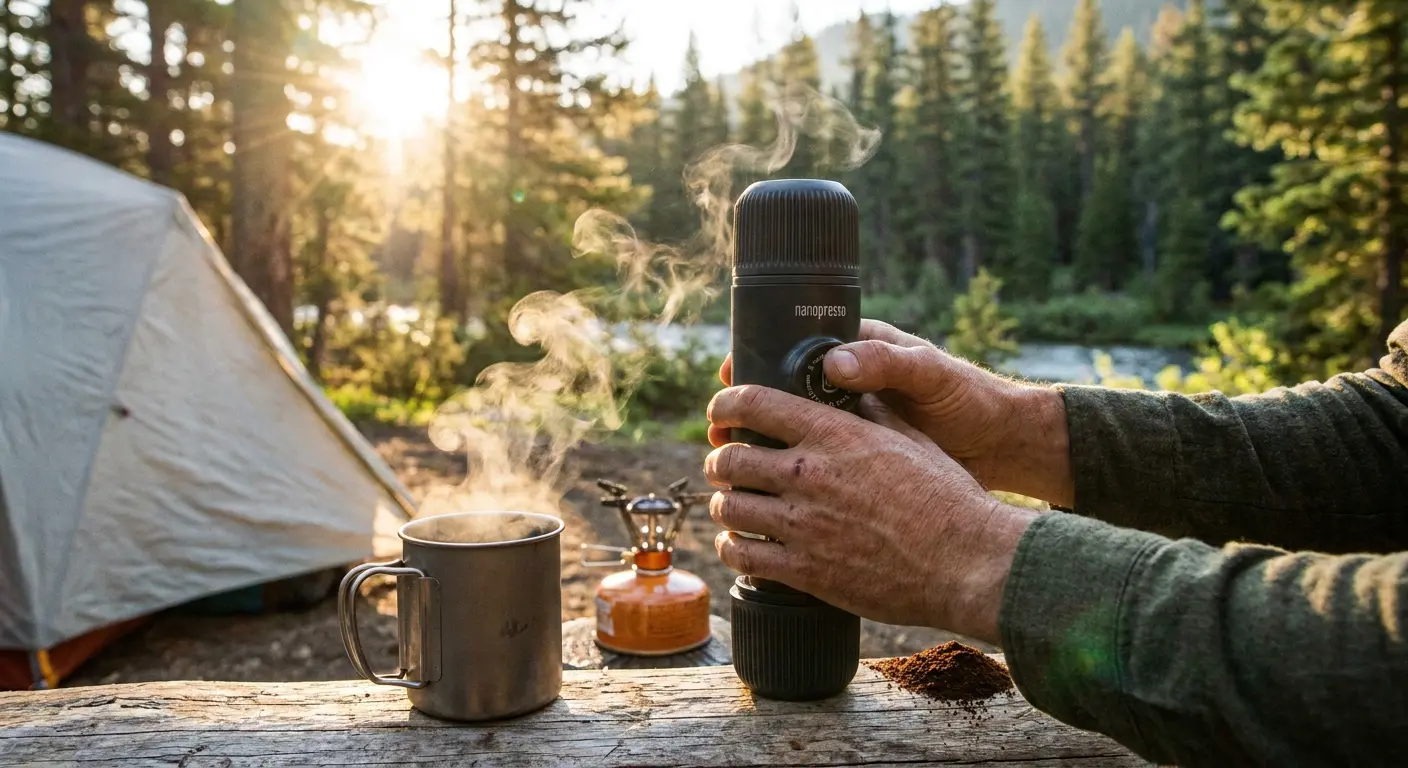
A hand-pump espresso maker (the Wacaco Nanopresso) weighs around 11 ounces and produces legitimately good coffee without electricity or complicated cleanup. For campers who've resigned themselves to mediocre morning coffee, this changes everything.
It works with ground coffee, pulls about 18 bars of pressure, and doesn't require filters. The difference between starting your day with real espresso versus lukewarm instant is huge. People use this on every single trip once they try it.
3. Collapsible Silicone Sink
Washing dishes at a campsite is awkward. You're crouched by a water source, balancing plates, trying not to contaminate the area.
A collapsible sink (like the Sea to Summit Kitchen Sink) solves this by giving you a contained washing station that packs flat. The 10-liter version is big enough for real dishwashing but collapses to about an inch thick. You can also use it for soaking clothes, rinsing gear, or giving kids a place to wash up before bed.
It's one of those items that seems unnecessary until you use it once. Then it becomes essential.
4. Multi-Tool with Bit Driver
Standard multi-tools cover basic tasks, but they fail when you need to tighten a loose screw on your camp stove or adjust gear with specific bit requirements.
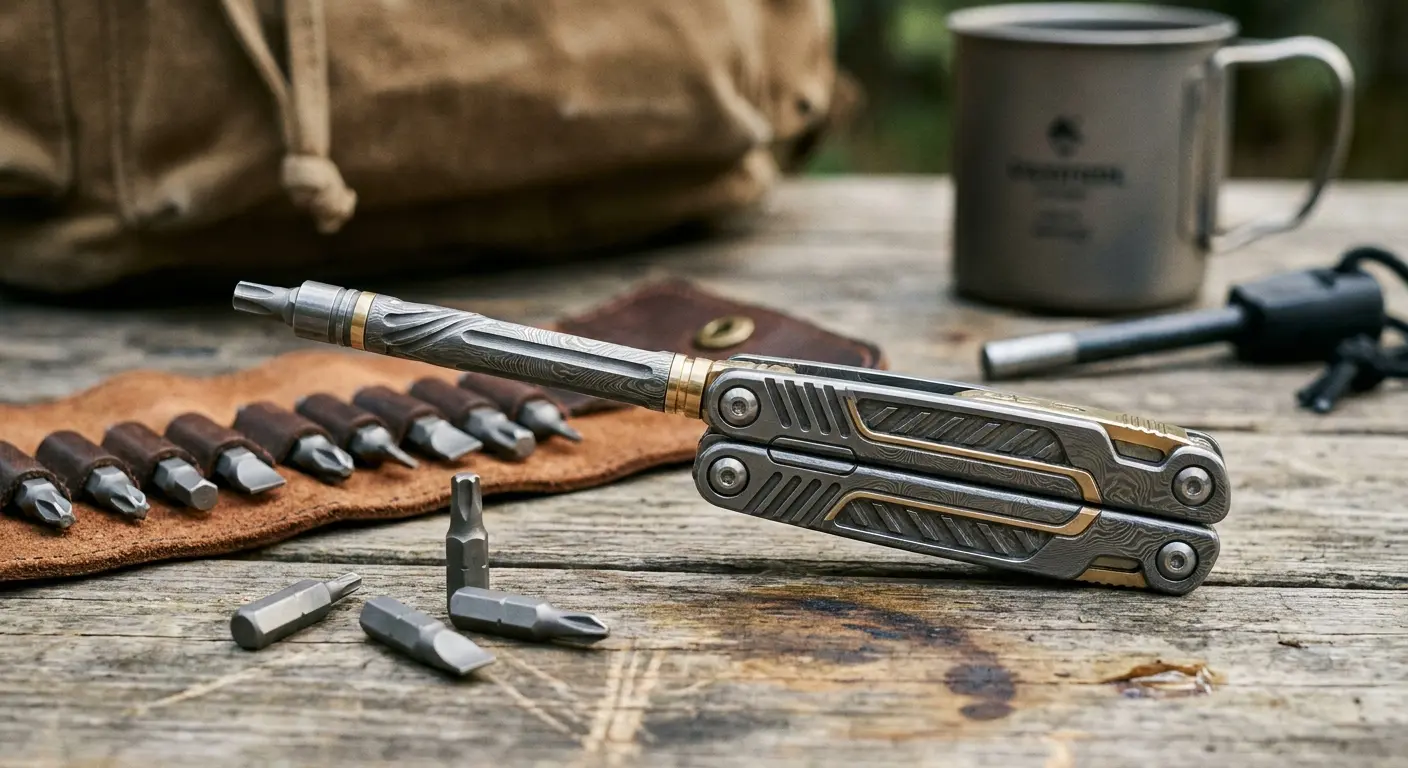
The Leatherman Signal (or similar models) includes a bit driver that accepts standard 1/4-inch bits. This means you can handle real repairs instead of jury-rigging solutions with whatever's in your pocket.
It also includes a ferro rod and whistle (genuinely useful for emergency situations, not marketing features). For campers who've been frustrated by tools that almost solve their problems, this delivers.
Sleep System Upgrades Nobody Talks About
People spend $400 on a sleeping bag then wonder why they're still cold.
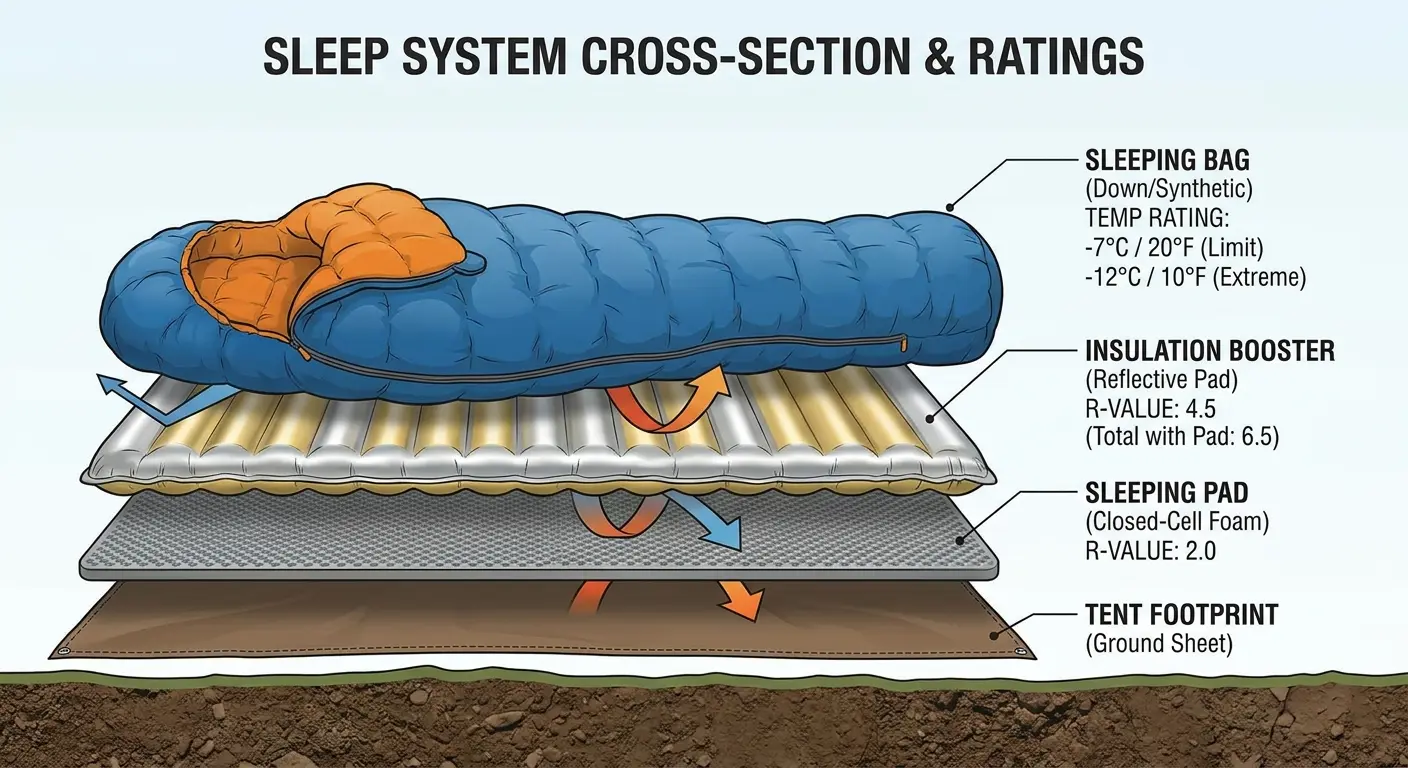
It's not the bag. It's everything else. Your pad sucks. Your pillow's garbage. Your feet are freezing because sleeping bag foot boxes don't insulate well. And you skipped the footprint so now your tent floor has holes.
These aren't sexy upgrades, but they're the difference between waking up refreshed and spending the next day exhausted and sore. I'm covering four specific fixes that address the most common sleep complaints from experienced campers.
Sleep quality determines whether someone looks forward to their next trip or dreads it.
5. Sleeping Pad Insulation Booster
A closed-cell foam pad like the Therm-a-Rest Z Lite Sol weighs 14 ounces and adds about R-2.0 to any sleeping pad. Most people don't realize their inflatable pad is losing significant warmth to ground conduction, especially on snow or cold soil.
Layering a foam pad underneath solves this and provides backup if the inflatable develops a leak. It also doubles as a sitting pad during the day.
For campers who've invested in a quality sleeping bag but still wake up cold, this is the missing piece. You've got a problem you don't even know exists until it's fixed.
6. Camp Pillow with Adjustable Fill
Inflatable pillows either provide too much support or not enough. And they sound like crinkling plastic every time you move.
The Nemo Fillo Elite uses a combination of foam and air with an adjustable valve, so you can dial in the exact firmness you need. The fabric is soft enough that you don't need a pillowcase, and it packs down to about the size of a water bottle.
Quality sleep starts with head and neck support. This solves the problem without adding significant weight.
7. Merino Wool Sleep Socks
Your sleeping bag's foot box doesn't insulate as well as the rest of the bag because there's less loft when compressed under your weight.
Dedicated sleep socks (like Darn Tough's midweight boot socks) add warmth exactly where bags fall short. Merino wool regulates temperature and manages moisture, which prevents the clammy feeling you get with synthetic socks. They're also useful for camp booties when you need to step outside at night.
For cold sleepers, this small addition makes a real difference.
8. Tent Footprint Custom-Cut Kit
Tent footprints are expensive and often don't fit properly. A sheet of Tyvek or Polycro film (available at hardware stores) can be cut to your exact tent dimensions for under $20. Pair this with some Tyvek tape and you have a custom footprint that weighs less and works better than the branded version.
This is thoughtful because it shows you're thinking about long-term gear protection. Footprints extend tent life by years and keep moisture from seeping through the floor.
Include the materials pre-cut if you know their tent model, or give them the kit with instructions. Either way, you're solving a problem they've probably been ignoring.
The Comfort Zone (Because Roughing It Has Limits)
There's a point where discomfort stops building character and starts ruining trips.
Look, I'm not saying you need a camping recliner. But sitting on rocks for four hours straight? Your back will be destroyed. These five things fix the comfort problems that make people quit camping.
Sitting on logs for hours causes back pain. Cold nights become miserable without adequate warmth. Wobbly surfaces make cooking frustrating. Harsh lighting kills the evening atmosphere. Lukewarm coffee is a daily disappointment.
These upgrades aren't about going soft. They're about removing obstacles to enjoyment. When you're shopping for someone who already has the basics, these make the difference between tolerating a trip and loving it.
Comfort Upgrade |
Weight Penalty |
Comfort Impact (1-10) |
Worth It For |
|---|---|---|---|
Portable Seat Cushion |
4 oz |
7 |
Backpackers, anyone with back issues |
Battery-Powered Heated Blanket |
1.5 lbs (with battery) |
9 |
Cold sleepers, shoulder-season camping |
Compact Camp Table |
1.2 lbs |
8 |
Meal prep, group camping, extended stays |
LED Lantern (warm settings) |
6 oz |
6 |
Evening ambiance, families |
Insulated Mug |
10 oz |
8 |
Coffee drinkers, cold-weather campers** |
**Honestly this depends on how cold you run.
9. Portable Seat Cushion with Memory Foam
Camp chairs are bulky, and sitting on logs or the ground gets uncomfortable fast.
The Therm-a-Rest Trekker Chair (or similar) is a lightweight cushion that straps to a foam sleeping pad to create a supported seat. If you skip the pad conversion, a simple memory foam seat cushion like the Big Agnes Third Degree works on any surface and weighs about 4 ounces.
Your back will thank you after three hours around the fire.
10. Battery-Powered Heated Blanket
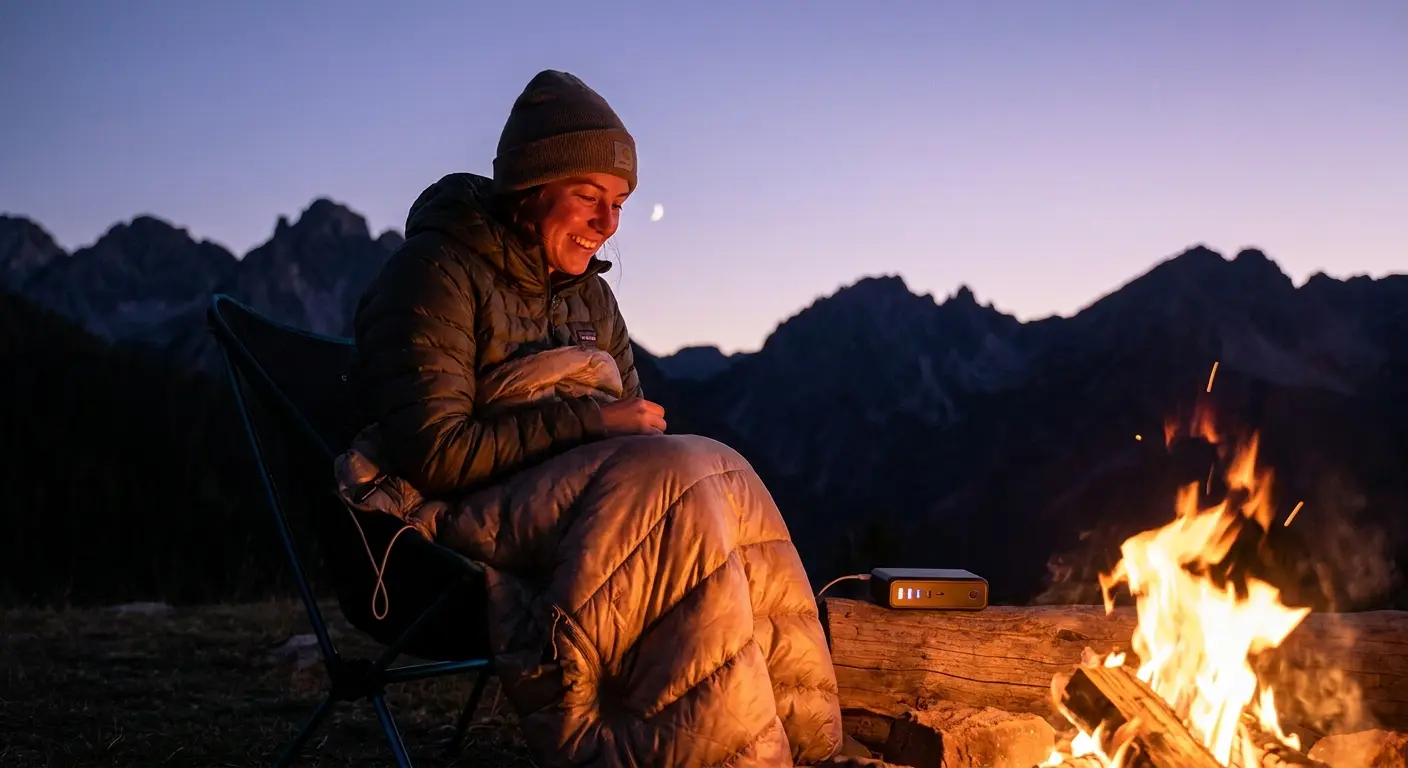
Battery-powered heated blankets (like those from Rumpl) run off USB power banks and provide targeted warmth for cold evenings without the weight of extra insulation layers. They're great for shoulder-season camping when temperatures drop faster than expected.
A 10,000mAh battery will run a heated blanket for several hours, and you can use the same battery for phone charging.
We're not talking about turning camp into a hotel room. We're talking about staying warm enough to enjoy the evening instead of retreating to your sleeping bag at 7 PM.
11. Compact Camp Table That Doesn't Wobble
Balancing your stove on a rock or eating with your plate on your lap is fine until you're doing it for the third meal in a row.
The Helinox Table One weighs 1.2 pounds, sets up in seconds, and provides a stable surface that stays level. The difference between having a dedicated cooking and eating surface versus improvising every meal is huge.
This is especially valuable for campers who cook real meals instead of relying on dehydrated food.
12. LED Lantern with Warm Light Settings
Most camping lanterns blast harsh white light that kills any evening ambiance and makes it harder to sleep afterward.
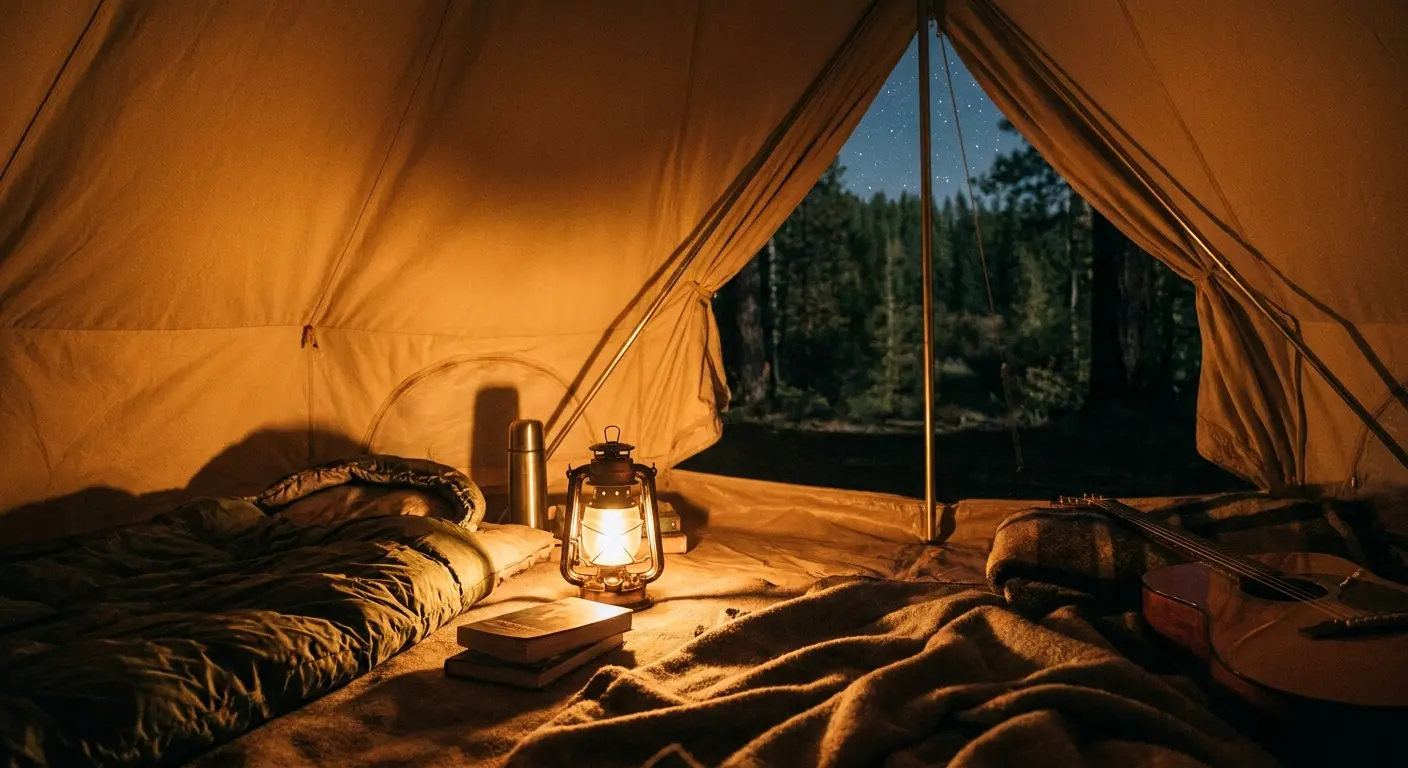
The BioLite AlpenGlow offers warm, adjustable lighting that mimics firelight without the brightness that disrupts your night vision. It's rechargeable via USB, which means you're not constantly buying batteries.
Quality lighting transforms the evening hours at camp from something you endure into time you enjoy.
13. Insulated Mug That Keeps Coffee Hot
Standard camp mugs lose heat within minutes.
A vacuum-insulated mug like the YETI Rambler or HydroFlask keeps coffee hot for hours, which matters when you're savoring your morning instead of chugging before it gets cold. The MagSlider lid prevents spills and reduces heat loss
For campers who've accepted lukewarm coffee as inevitable, this is a small luxury that delivers daily value.
Problem-Solvers You Didn't Know Existed
These are the gifts that make experienced campers stop and say "wait, that exists?"
They address hyper-specific frustrations that don't have obvious solutions: organizing spices in a tiny camp kitchen, keeping tent guylines visible and properly tensioned, drying towels in humid conditions, and powering devices without lugging heavy batteries.
Each item here solves a problem that people have learned to work around rather than fix. They're not essential for survival, but they eliminate friction points that accumulate over a trip.
You're not solving major problems. You're removing the small annoyances that add up to frustration.
14. Magnetic Spice Rack for Camp Kitchen
Carrying individual spice containers is bulky. Relying on pre-mixed seasonings is limiting.
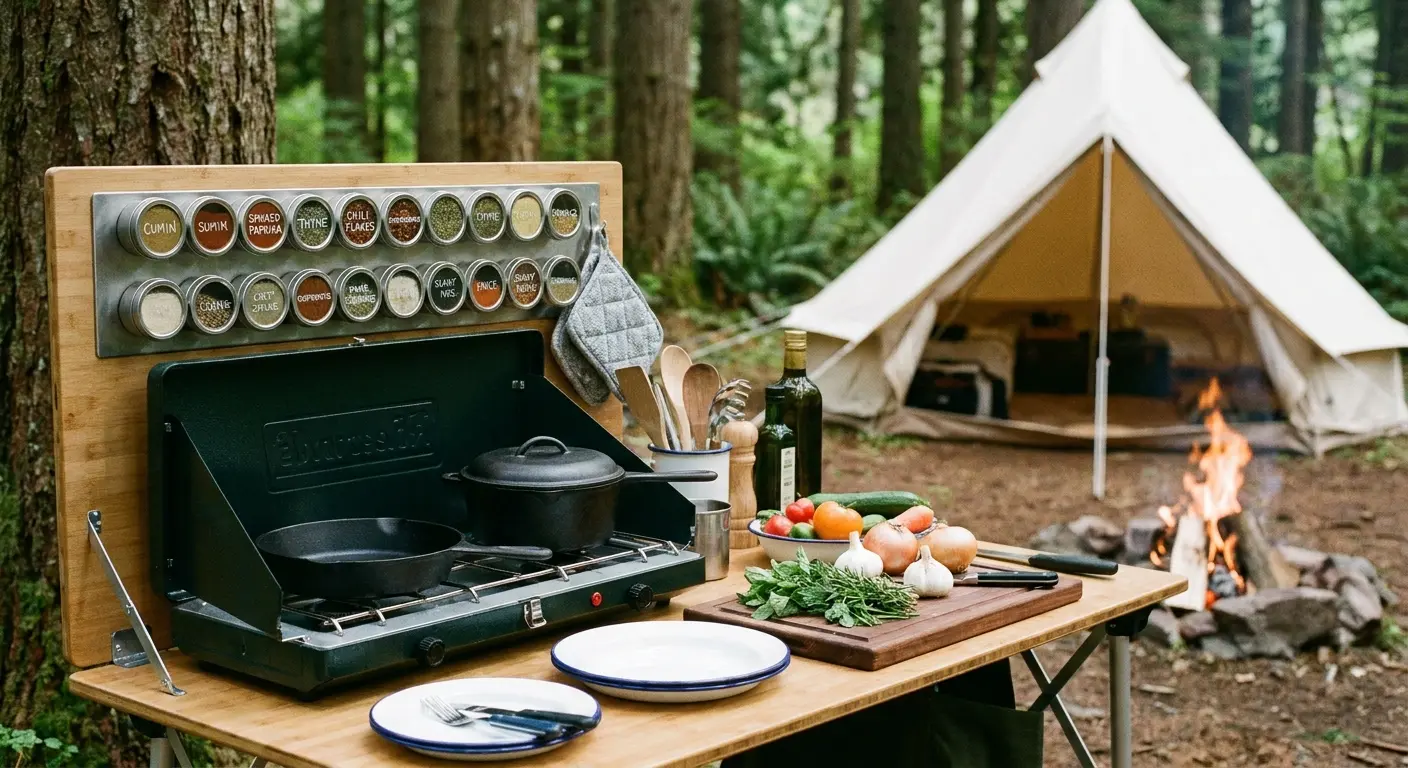
A magnetic spice tin set (like Gneiss Spice) includes 12 small tins that stick together for transport and can attach to any metal surface at camp. Each tin holds about a tablespoon of spice, which is plenty for a weekend trip.
Real seasoning makes camp food worth eating.
15. Reflective Guyline with Built-In Tensioners
Tripping over tent guylines at night is a rite of passage, and constantly adjusting line tension is tedious.
Reflective guyline (like Lawson Glowire) is visible in headlamp light, and pairing it with built-in tensioners means you can adjust tension without tying and retying knots. This seems minor until you're setting up in wind or darkness, and then it becomes invaluable.
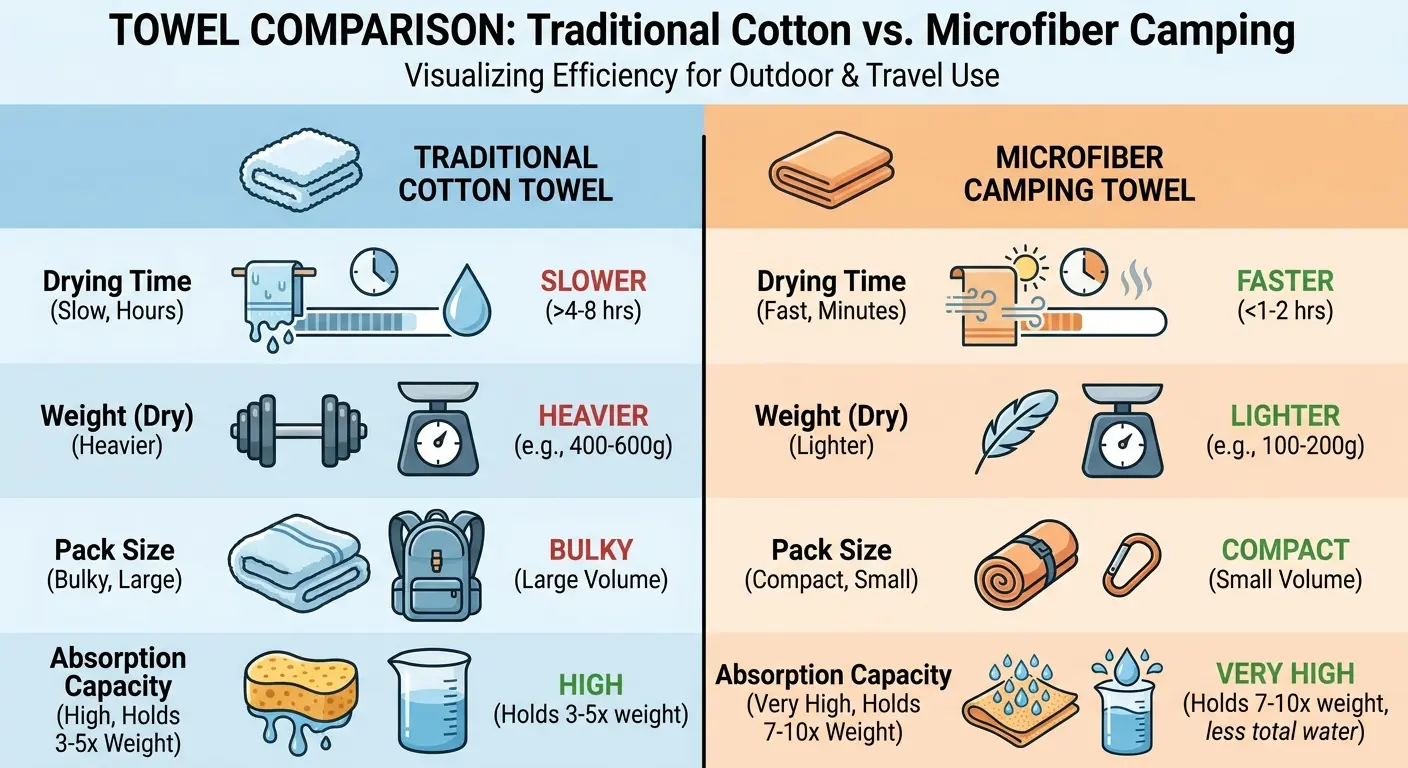
16. Microfiber Towel That Dries in Minutes
Standard towels stay damp for days in humid conditions, which creates a mildew problem.
The PackTowl Luxe dries in about 30 minutes and absorbs several times its weight in water. It's soft enough for real comfort (unlike scratchy microfiber) and packs down to nearly nothing.
You're not dealing with that musty smell or trying to pack a damp towel on day three.
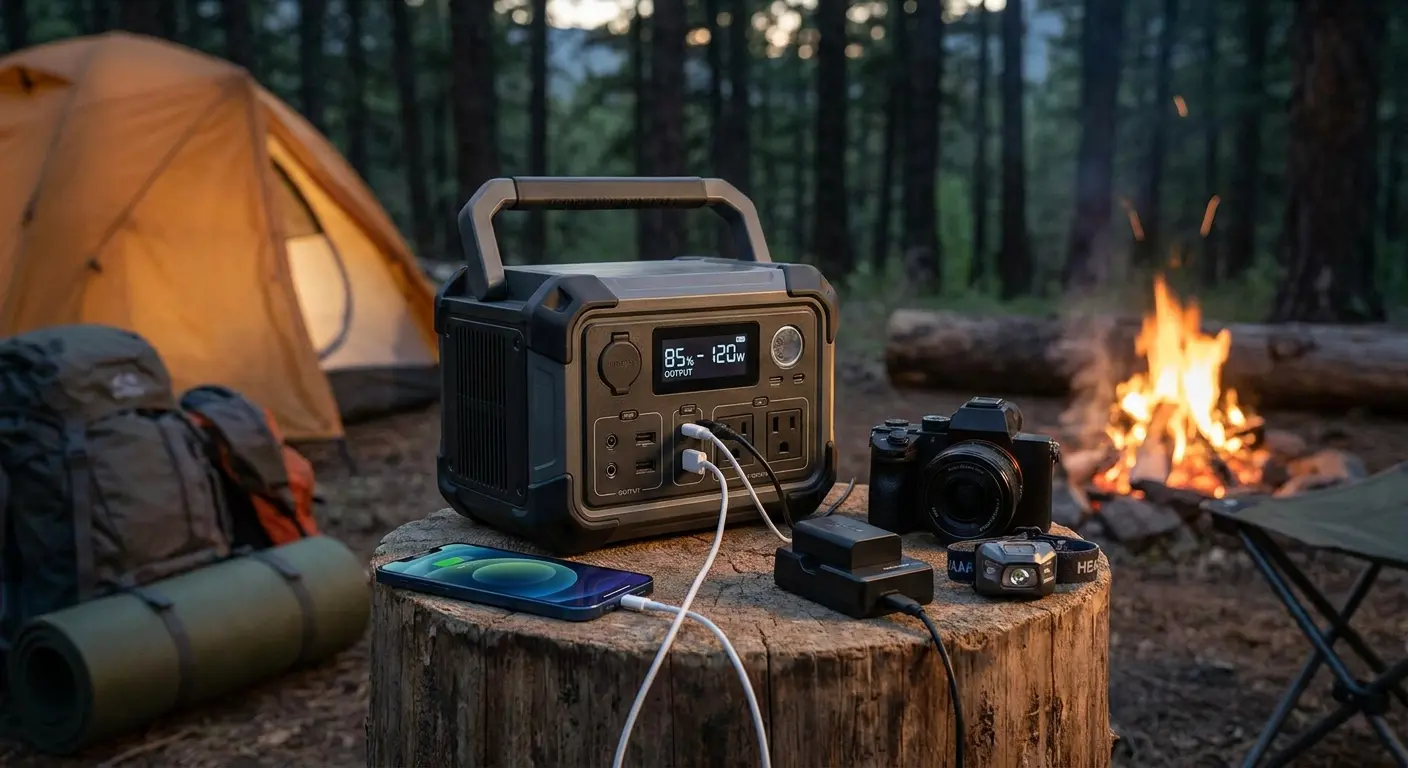
17. Portable Power Station Under 5 Pounds
Heavy power stations defeat the purpose of portable power.
The Anker 521 weighs 4.4 pounds, provides 256Wh of capacity, and includes AC outlets, USB-C, and USB-A ports. It'll charge phones dozens of times, run a laptop for hours, or power small devices like heated blankets or lights. Pairing a power station with reliable portable charging options ensures your devices stay functional throughout extended camping trips.
For campers who need reliable power without the bulk of traditional generators or battery banks, this hits the sweet spot between capacity and portability. You're not hauling around a brick to keep your gear running.
Let's Talk About Phone Protection Again
I mentioned the Rokform Rugged Case at the top of this list, but let me circle back because phone protection deserves serious consideration. I put together a broader list of gifts for outdoorsmen as well.
Full disclosure: I use Rokform stuff. That's why it's on this list.
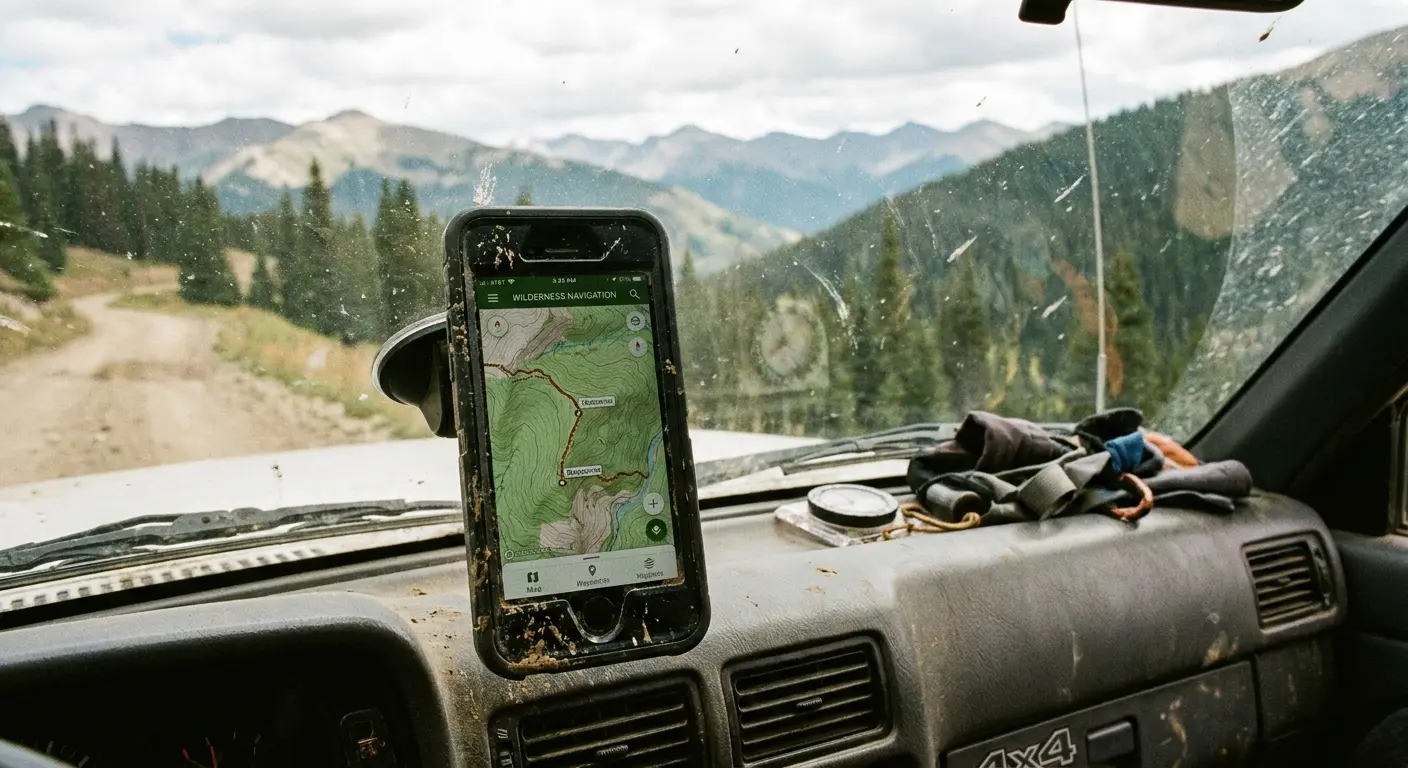
When you're camping, your phone isn't just a communication device. It's your navigation system when you're miles from cell service (downloaded maps still work). It's your camera for documenting experiences you can't recreate. It's your weather monitoring tool when conditions change. It's your emergency contact method if something goes wrong.
A cracked screen or water-damaged phone doesn't just mean inconvenience. It can mean genuine danger if you lose navigation or communication capability. I've seen too many trips compromised because someone's phone failed at a critical moment.
The Rokform system goes beyond basic protection. The magnetic mounting works with bike mounts, car mounts, and any metal surface around camp, which means your phone stays accessible and functional instead of buried in a bag. The case maintains full touchscreen sensitivity even with gloves (crucial for cold-weather camping), and the raised edges protect your camera lenses from scratches when you set it down on rough surfaces.
Understanding the fundamentals of protecting your phone outdoors helps you choose cases that perform when conditions get challenging. You can find our full range of protective cases and mounting solutions at Rokform.com, designed for people who use their phones in demanding conditions.
When you're considering camping gifts, phone protection might not seem exciting compared to flashy gadgets. But it's the difference between having your critical tools work when you need them and being stranded without navigation, communication, or documentation capability.
That matters.
Final Thoughts
The best camping gifts aren't the ones that look impressive in photos. They're the stuff that fixes real problems. The things that make your friend go "oh thank god" instead of "uh, thanks I guess."
Everything on this list gets used. Not once, not for show but every single trip. That's the standard.
I'd rather have a $25 thing I use constantly than a $200 gadget that sits in my garage. Price doesn't matter. Function does.
Small upgrades to existing systems often deliver more value than entirely new gear categories. A better sleeping pad topper beats a fancy new tent accessory you'll use twice. Better coffee beats a complicated cooking system. A protected phone beats pretty much anything because when it fails, everything else gets harder.
Don't buy stuff that creates new problems. Buy stuff that fixes problems your friend already has but just deals with. They're working around something: cold feet, bad coffee, dead phone battery, whatever. Fix that thing. That's a good gift.
Side note: why is all camping gear either beige or neon orange? There's no middle ground. Anyway.
Look, I've bought so much useless camping gear I could open a garage sale. I know what sits in the closet and what gets packed every time. These seventeen things? They get packed. They solve annoying problems. They make camping better without making it soft.
And honestly, that's what separates gear people love from gear people tolerate.

