


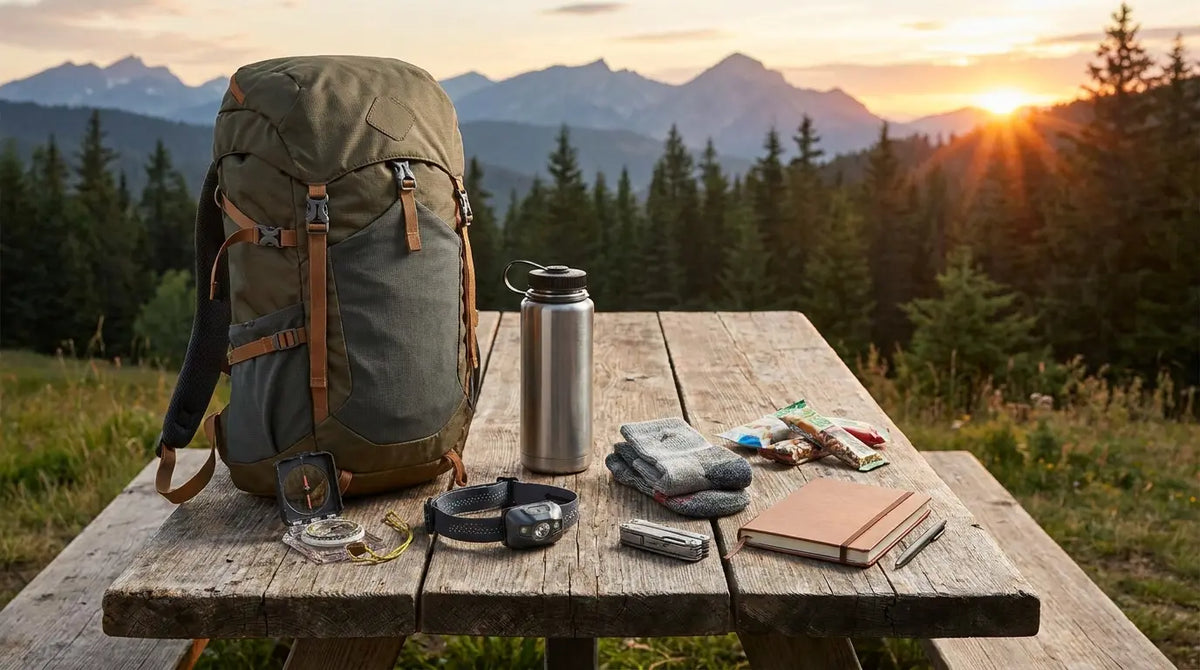
Look, if your hiking buddy needs another water bottle, you've already failed. They have seven. What they don't have? The weird little fixes that actually make mile 12 bearable when their feet are screaming and they're questioning every life choice that led them to voluntarily climb a mountain.
Most people who've been hiking for a few years own the obvious stuff. Decent pack, boots that don't destroy their feet, maybe a water filter. The problem is finding gifts for someone who's past the beginner phase but hasn't gone full ultralight-obsessive (you know the type, weighing their toothbrush and cutting tags off everything).
Here's my gift-giving philosophy: prevent disasters first, add comfort second, look cool never.
We're focusing on the stuff that fills gaps. The things you don't know you need until you've hiked enough to realize what actually sucks. Seasonal trekking pole baskets over another insulated bottle. Merino wool buffs and anti-chafe balm aren't sexy, but after a 15-mile day, sexy doesn't matter. Functional matters.
Phone protection is weirdly controversial in hiking circles, but here's reality: your phone is your map. It's how you call for help when that "easy" trail turns into a disaster. And yet most people treat their phone like it's indestructible until they're at 8,000 feet, staring at a spiderwebbed screen, realizing they can't read their topo map anymore.
Ask me how I know.
Gear That Solves Problems You Didn't Know You Had
1. Rokform Rugged Phone Case
Full disclosure: I work for Rokform, so obviously I'm going to tell you our cases are great. But I actually do use one, and not just because they're free. Here's why it's not just company propaganda.
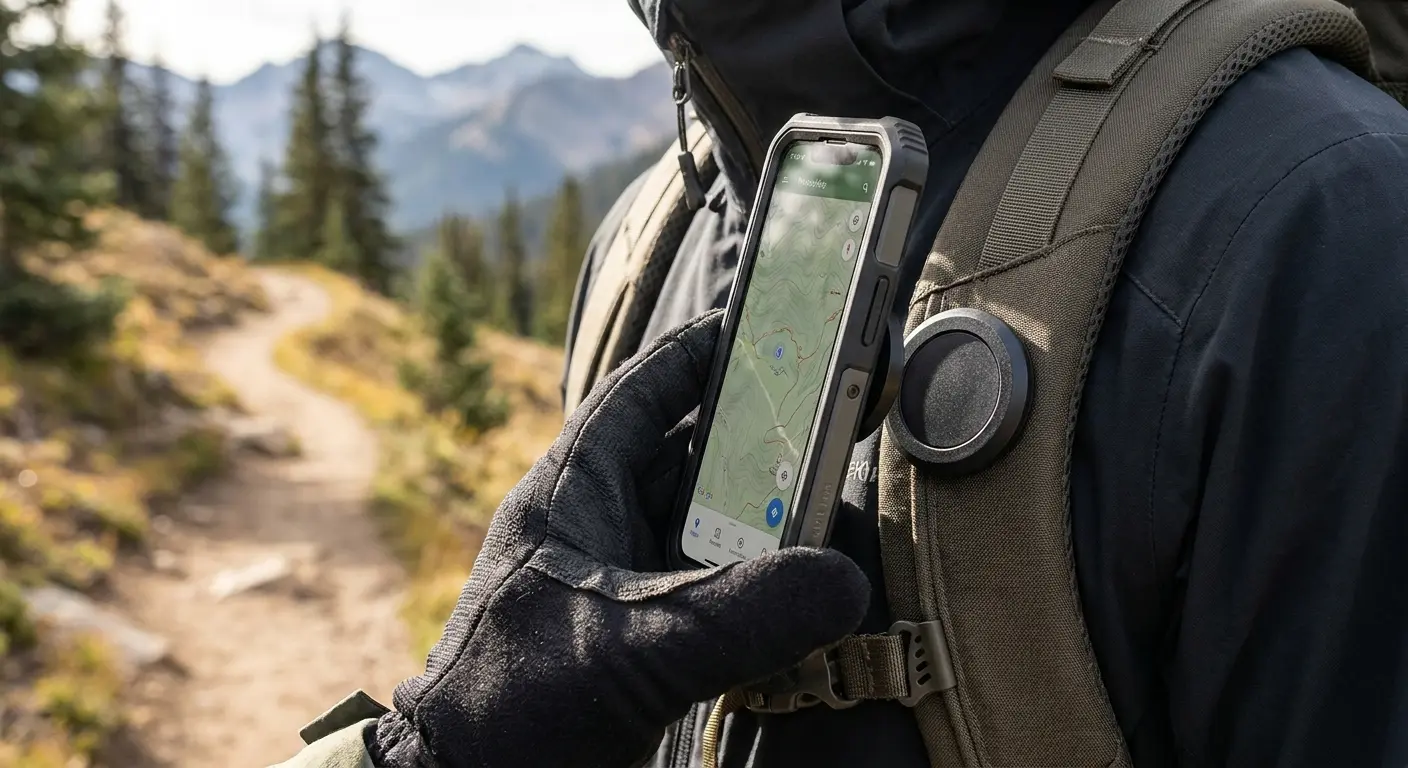
Your phone does multiple jobs on the trail, none of them optional. Navigation, emergency contact, sometimes your only way to get help when conditions go sideways. I destroyed two phones in one season before I got serious about cases. One slid off a rock into a creek. The other just... fell. Fell out of my pocket onto granite and the screen turned into abstract art. Trail scenery makes a good lock screen, and my hummingbird wallpaper for phone picks are the ones I keep.
Rokform's rugged cases have military-grade drop protection and a magnetic mounting system that actually works in real conditions. The RokLock twist-lock mechanism means you can mount your phone to your pack strap, bike handlebars, or car vent without worrying about it bouncing loose. Which matters more than you think when you're trying to check your map on a switchback and don't want to stop, take off your pack, dig through pockets, and hold up the three people behind you.
The magnetic system works with our mounts (sold separately, yeah yeah, I know). But the case itself offers enough protection to justify buying it even if you never get another accessory.
Broken phone at the trailhead? Annoying. Broken phone 15 miles into the backcountry? Now you're having a really bad day.
2. Trekking Pole Baskets (Seasonal Swap Set)
Most trekking poles come with one set of baskets. Mid-sized, general use, fine for nothing and adequate for everything. That's cool until you're postholing in snow because your baskets are too small to actually support you, or sinking into spring mud like you're trying to plant your poles for next year's harvest.
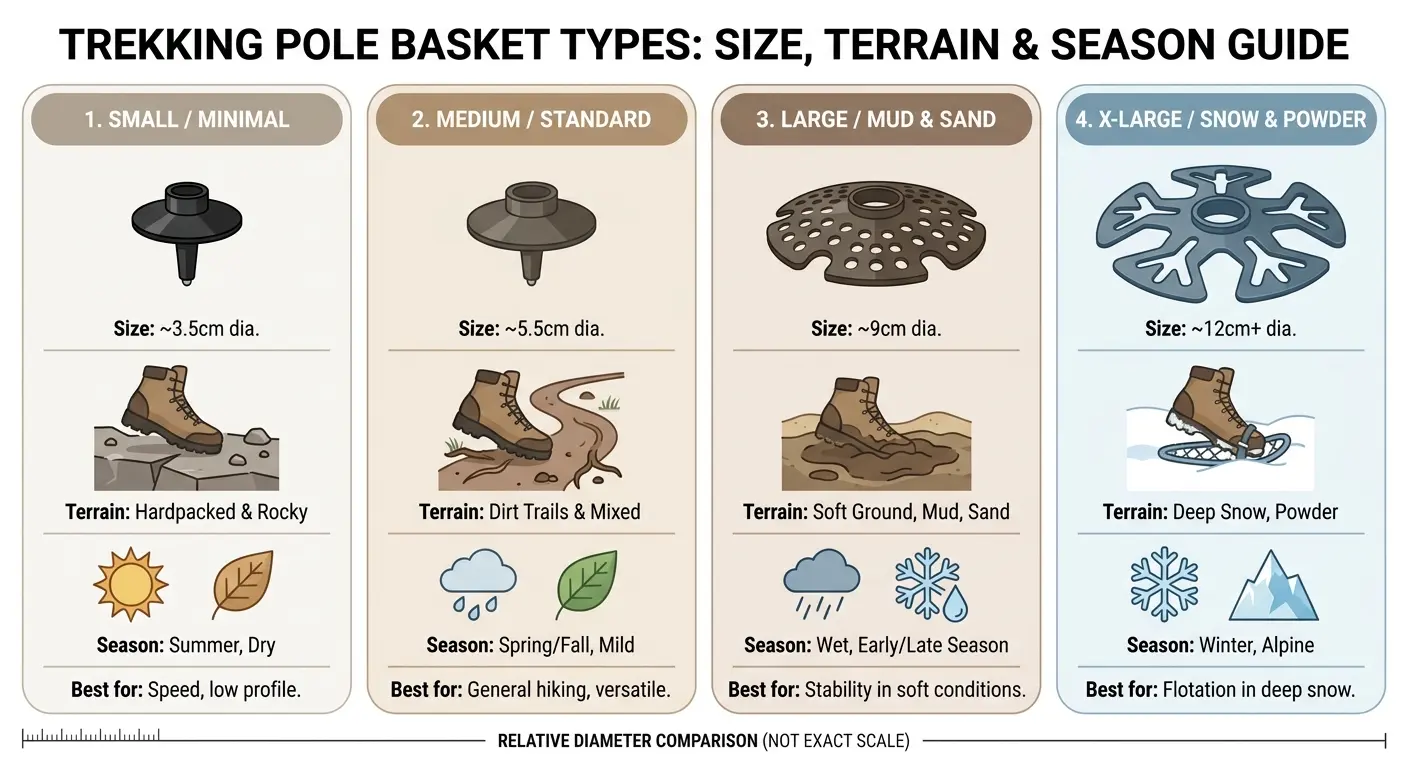
A seasonal swap set gives you powder baskets for winter, small baskets for hard-packed trails, and mud baskets for spring thaw. Swapping them takes about 30 seconds per pole. You'll notice the difference immediately when your poles stop punching through soft ground and actually provide support instead of just making expensive holes.
This is one of those upgrades that seems minor until you're on a trail where it matters. Then it becomes obvious why experienced hikers carry multiple sets. Why don't these come standard with trekking poles? Why do we have to buy them separately? It's a $12 piece of plastic. This is a scam but you still need them.
Basket Type |
Best Conditions |
Diameter |
Primary Benefit |
|---|---|---|---|
Small (Standard) |
Hard-packed trails, summer hiking, rocky terrain |
2-3 inches |
Minimal snag on roots and rocks, lightweight |
Mud Baskets |
Spring thaw, wet trails, soft ground |
3-4 inches |
Prevents sinking in soft terrain without winter bulk |
Powder Baskets |
Deep snow, winter hiking, snowshoeing |
4-5 inches |
Maximum surface area prevents postholing in snow |
Trekking Baskets |
Mixed terrain, three-season use |
3-3.5 inches |
Versatile compromise for variable conditions |
These show you understand the recipient's needs beyond surface-level gear. They show you've thought about the specific challenges they face instead of just buying whatever REI put on the front table.
3. Collapsible Camp Sink
Washing dishes at camp usually means crouching over a pot like some kind of feral woodland creature or walking to a water source multiple times because you can only carry two things at once and you have three dirty items. A collapsible sink changes this completely.
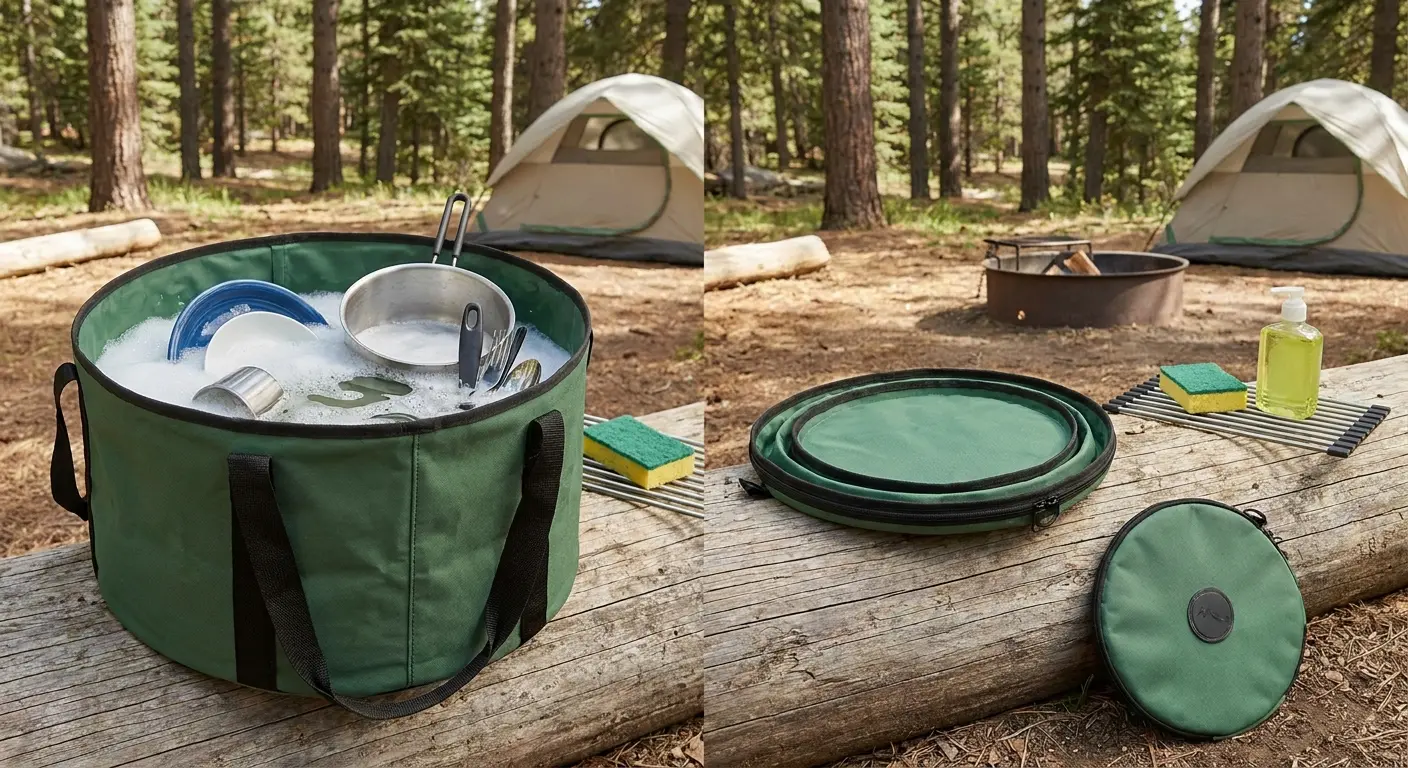
The kind that folds flat to about an inch thick means you can fill it, add biodegradable soap, and wash your cookware without balancing everything on a rock and praying nothing slides into the dirt. It's also useful for washing hands, rinsing vegetables, or soaking your feet after a long day when they feel like someone replaced your bones with broken glass.
Twenty bucks. That's it. And it eliminates one of the most annoying parts of backcountry cooking. The fabric models dry quickly and weigh almost nothing. You'll use it every single trip once you have it.
Side note: I once watched someone try to wash dishes by dunking them in a stream one at a time. It took 20 minutes. We had a collapsible sink in someone's pack. Nobody remembered until we were already packed up the next morning. Don't be us.
4. Headlamp with Red Light Mode
White light destroys your night vision and announces your presence to every bug within 50 feet. It's like sending out invitations to a mosquito party and your face is the venue.
Red light mode preserves your ability to see in the dark while you're setting up camp or checking your map. It's also less disruptive to other hikers if you're sharing a campsite or starting an alpine climb before dawn and don't want to be that person who blinds everyone at 4 AM.
Many people already own a headlamp, but most don't have one with red light capability. The difference becomes clear the first time you need to navigate camp without waking everyone up or ruining your adjusted vision before a night hike.
Look for models with at least 300 lumens on the white setting and a dedicated red light button. Not buried in a menu you have to cycle through while holding the button for three seconds and accidentally turning it off twice. Just a button. Is that too much to ask?
5. Microspikes for Light Ice
Crampons are overkill for most conditions. Regular boots don't cut it when you hit ice on a trail. Microspikes bridge that gap.
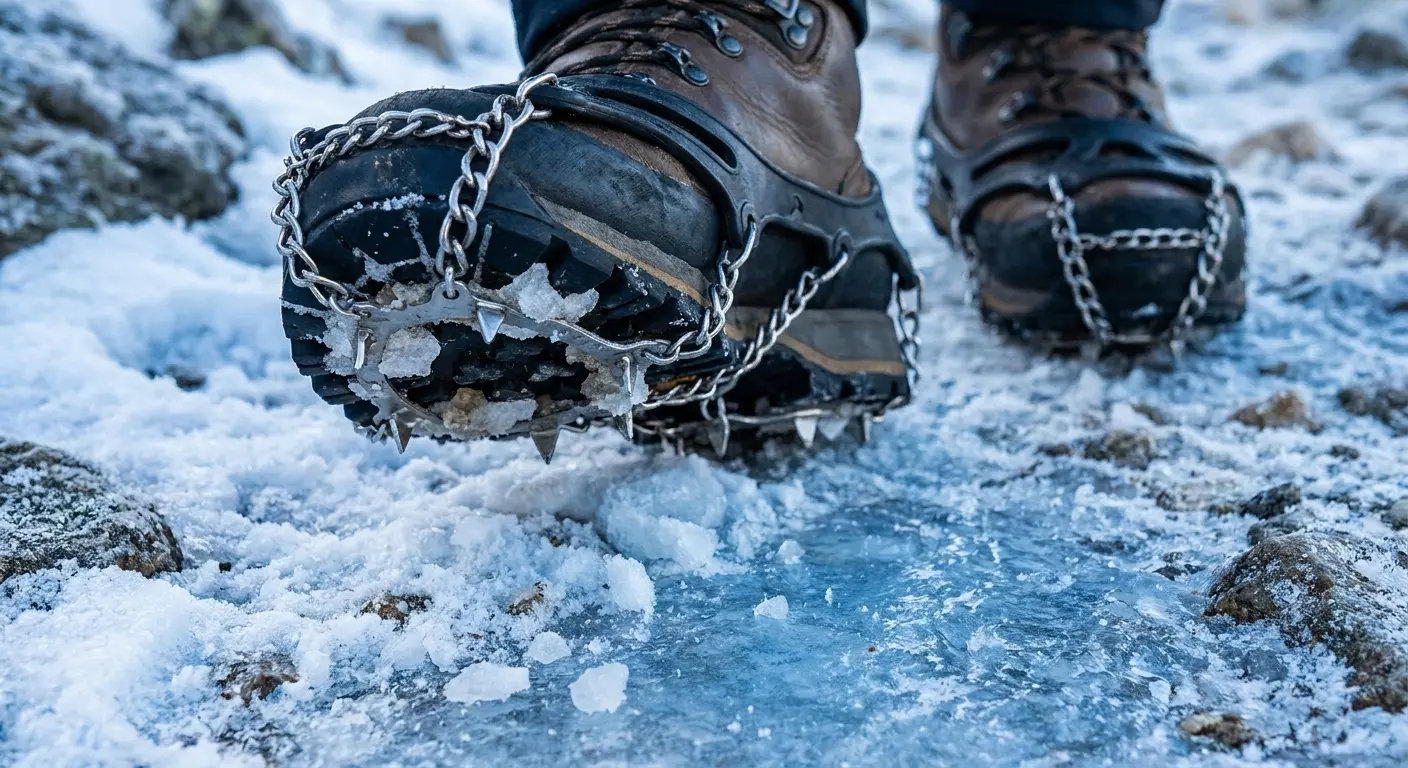
They're lightweight traction devices that slip over your boots and provide grip on icy patches, frozen stream crossings, or early morning frost that turns your "easy" hike into an impromptu ice skating lesson you didn't sign up for. You can keep them in your pack and put them on in under a minute when conditions change.
Kahtoola microspikes are the standard for a reason. The elastomer harness stretches to fit different boot sizes, and the spikes are aggressive enough to bite into hard ice without being so long that they're awkward on mixed terrain.
They're not designed for glacier travel or steep ice climbing, but for the vast majority of hikers dealing with occasional ice, they're exactly what you need. When you're shopping for people who push into shoulder seasons, traction devices prevent turned ankles and worse.
6. Emergency Bivy Sack
An emergency bivy weighs about as much as a granola bar and packs down smaller than a water bottle, but it can save your life if you get stuck overnight unexpectedly.
These aren't replacements for a sleeping bag. They're reflective sacks designed to retain body heat and block wind if you're caught out after dark, injured, or waiting out a storm. I tried those disposable emergency blankets first. They ripped the first time I opened one. The bivy sacks cost more but they're not made of what feels like aluminum foil and false hope.
The good ones are bright orange so search and rescue can spot you from a distance. You probably won't ever use it. That's exactly why it's a good gift. It's the kind of safety gear people know they should carry but never buy for themselves because spending money on something you hope to never use feels weird.
Toss it in the bottom of your pack and forget about it until you need it.
Tools That Extend Your Range
7. Portable Water Filter Bottle
Carrying enough water for a full day limits where you can go. Simple math. A filter bottle lets you refill from streams, lakes, or sketchy-looking puddles without worrying about giardia or cryptosporidium turning your intestines into a biological warfare zone.
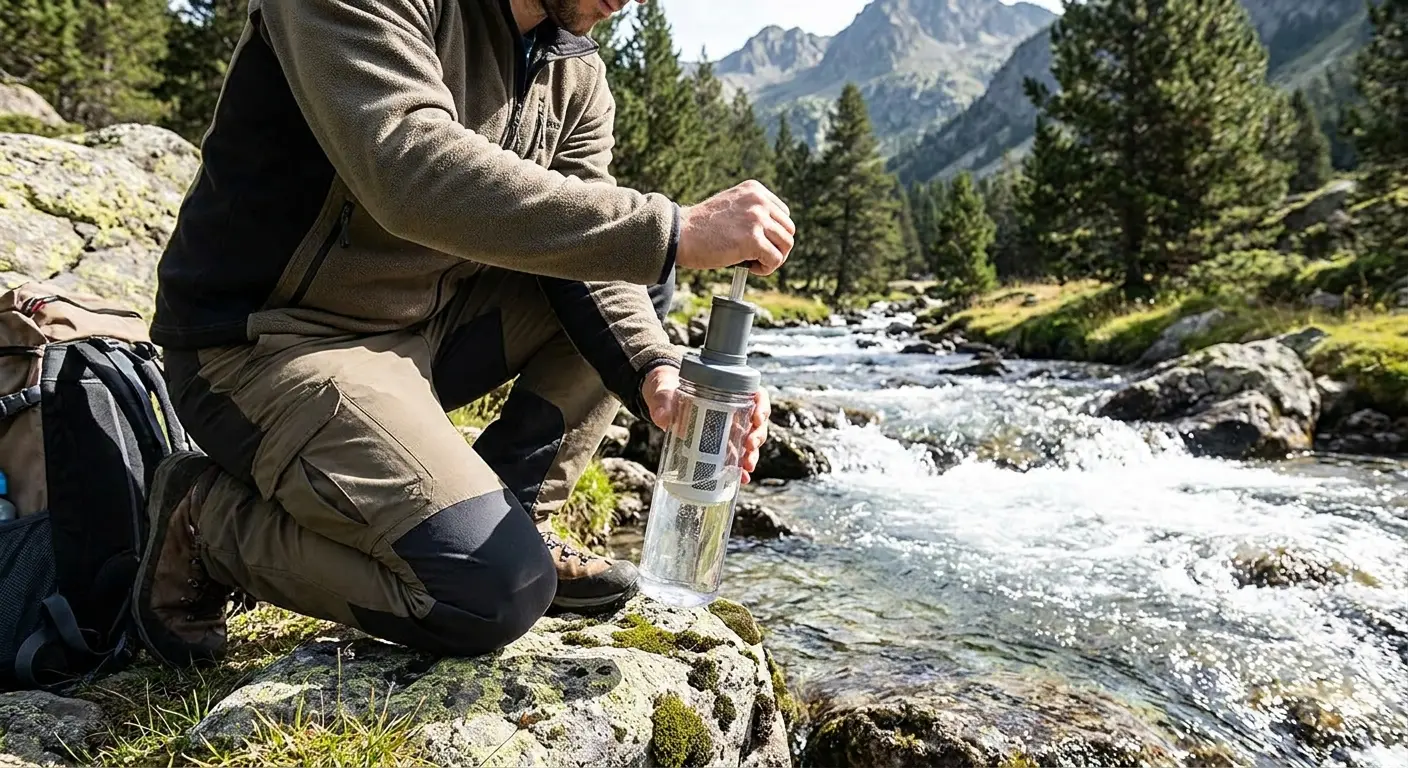
The built-in filter does the work as you drink, so there's no pumping or waiting for tablets to dissolve while you stand there getting more dehydrated and contemplating your life choices.
This is different from a standard water bottle with a filter insert. We're talking about bottles specifically designed for backcountry use, with filters rated to remove 99.9% of bacteria and protozoa. I've tried three different filter bottles and the Katadyn is the only one that doesn't make water taste like you're drinking from a garden hose that's been sitting in the sun.
Some models also reduce chemicals and heavy metals. Matters more in some places than others, but it's a nice bonus if you're hiking near agricultural runoff or old mining areas.
The filter cartridges are replaceable, and most last for several hundred liters before you need to swap them. Water filtration directly impacts how far you can travel in a day without planning your entire route around water sources like you're crossing the Sahara.
8. Ultralight Camping Chair
Sitting on rocks or logs gets old fast, especially if you're camping for multiple nights. Your butt can only take so much geological contact before it stages a protest.
Ultralight chairs (the kind that weigh under a pound) give you back support without adding significant pack weight. The best designs use a shock-cord frame that assembles in seconds and fabric that's reinforced at stress points.
You're not getting a recliner. But you are getting something that keeps you off the ground and supports your lower back while you're cooking, eating, or just enjoying the view instead of shifting positions every thirty seconds trying to find a rock that doesn't hate you.
Yes, the ultralight people will judge you for bringing a chair. Let them. You'll be comfortable and they'll be sitting on a rock pretending their butt doesn't hurt.
The camp chair is amazing but it's also kind of a pain to set up in the dark. You'll curse it the first time, then get used to it, then never go camping without it again.
9. GPS Communicator (Non-Subscription)
Satellite communicators usually require monthly subscriptions, which makes them expensive if you only hike occasionally. Like paying for a gym membership you use twice a year, except this one costs more and judges you less.
Non-subscription models use existing satellite networks to send emergency SOS signals and sometimes basic messages without ongoing fees. You pay for the device upfront and that's it. No monthly bill arriving to remind you that you haven't hiked in three months because work got busy and life happened.
The range is global, and they work anywhere you can see the sky. Battery life varies, but most last several days on a single charge if you're only using them for check-ins or emergencies.
This is particularly useful for solo hikers or anyone going into areas without cell coverage. You're not getting full texting capability, but you are getting a reliable way to call for help or let someone know you're okay. Peace of mind for both the hiker and the people waiting at home who are refreshing the weather forecast every hour.
10. Packable Rain Pants
Most people pack a rain jacket but skip the pants, then regret it when they're hiking through wet brush or sitting in a downpour wondering why they made such a fundamental error in judgment.
Packable rain pants weigh less than half a pound and compress into a stuff sack the size of your fist. They're not breathable enough for active hiking in warm weather, but they're perfect for throwing on during breaks, at camp, or when you're moving slowly through wet conditions.
Look for models with full-length side zippers so you can put them on over boots without taking your pack off. Because nothing says "fun outdoor adventure" like hopping on one foot trying to thread wet boots through pant legs while mosquitoes treat you like an all-you-can-eat buffet.
The ones with reinforced knees and seat last longer if you're scrambling or sitting on wet ground frequently. If you're hiking in the Pacific Northwest, you NEED rain pants. Desert Southwest? Skip them and get sun sleeves instead.
11. Topo Map Bandana
A bandana printed with a topographic map of a specific area serves double duty. Functional bandana for wiping sweat, filtering water, or covering your neck, plus a backup navigation tool that doesn't require batteries or cell service or any of the technology that inevitably fails at the worst possible moment.
These are usually printed with popular hiking areas. Sections of the Appalachian Trail, Pacific Crest Trail, specific national parks, the places you actually hike instead of just dream about while sitting at your desk.
The scale is large enough to be useful for general orientation, and the fabric is durable enough to handle repeated washing. It's a conversation starter at trailheads and practical if your phone dies or you need to explain a route to someone.
Pick one that matches an area the recipient hikes frequently. Shows you paid attention instead of just buying whatever looked cool.
12. Rechargeable Hand Warmers
Disposable hand warmers create waste and don't last long enough for full-day hikes in cold weather. Also they take like 20 minutes to actually get warm, which is 19 minutes too long when your fingers have gone numb. Snowboarders get their own shortlist in my gifts for snowboarders guide.
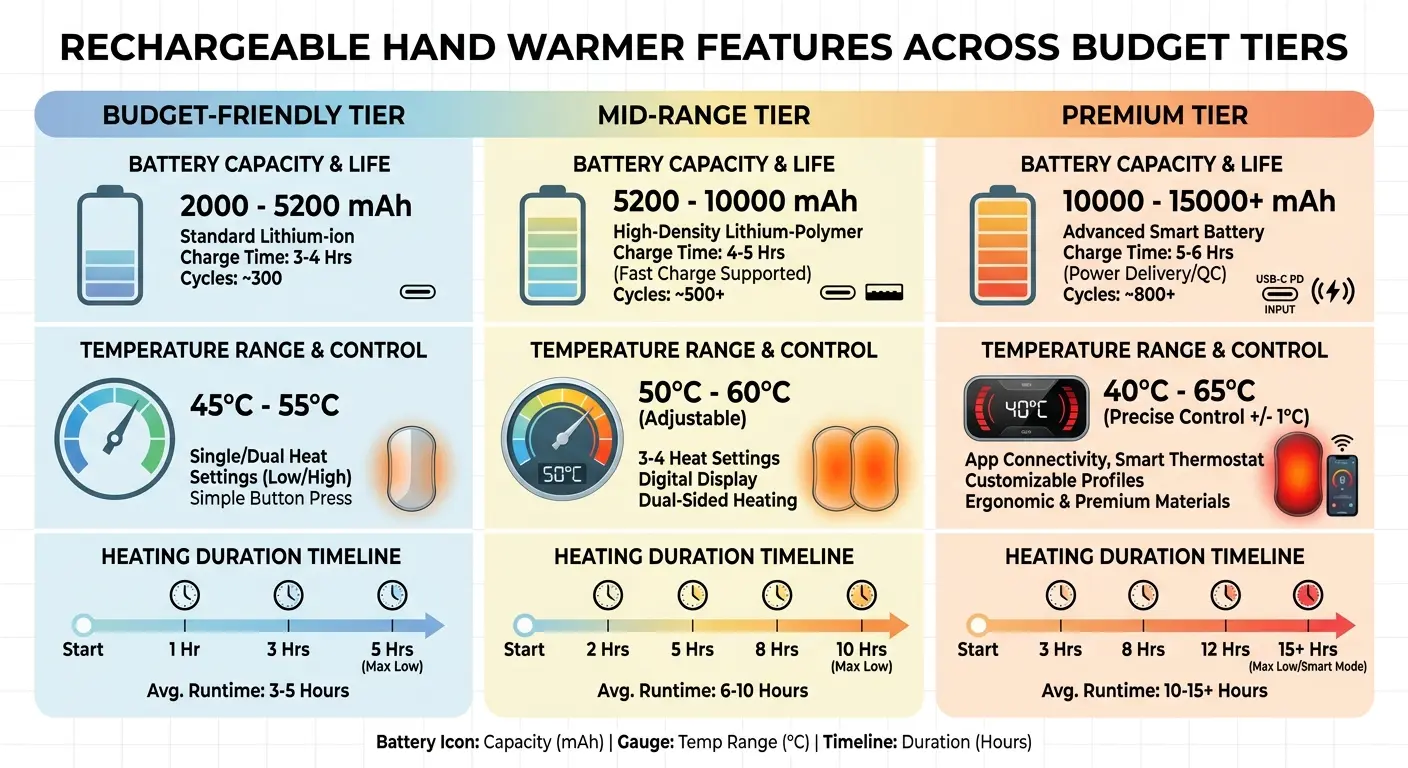
Rechargeable models heat up in seconds, last for hours, and double as backup phone chargers via USB. The heat settings are adjustable, so you can run them on low to extend battery life or crank them up when you're stopped for lunch and your hands are numb and you're questioning why you thought winter hiking was a good idea.
Some designs are flat and fit easily in gloves or pockets. Others are rounded and work better for wrapping your hands around. Either way, you're looking at something that pays for itself after a few uses compared to buying disposable warmers.
Budget warmers ($20-35) will get you through a cold morning. Spend $60+ and you're looking at all-day heat plus enough juice to charge your phone twice.
Feature |
Budget Models ($20-35) |
Mid-Range Models ($35-60) |
Premium Models ($60+) |
|---|---|---|---|
Heat Duration (Single Charge) |
2-4 hours |
4-6 hours |
6-10 hours |
Temperature Settings |
1-2 levels |
3 levels |
3-4 levels with digital display |
Battery Capacity |
3000-5000 mAh |
5000-7500 mAh |
7500-10000 mAh |
Phone Charging Capability |
Limited or none |
Yes, 1-2 charges |
Yes, 2-3 full charges |
Heat-Up Time |
3-5 minutes |
1-3 minutes |
30 seconds to 1 minute |
Weight (per unit) |
4-6 oz |
5-7 oz |
6-8 oz |
After last winter's storms in the Sierra, I'm not hiking without hand

