


Table of Contents
-
Cameras Built to Survive What You Ride Through
Innovv K5
Sena 10C Evo
VSYSTO P6FL
Blueskysea DV688
-
Compact Setups That Don't Announce Themselves
Drift Ghost XL Pro
TELESIN Motorcycle Camera
Vantrue N4 Pro
Garmin Dash Cam Mini 2
Thieye Safeel Zero+
-
Front and Rear Systems Worth the Install Time
Fodsports M1S Max
INNOVV K7
VIOFO MT1
Blueskysea B4K
Lexin MC2
-
High-Resolution Options When Details Matter Most
GoPro Hero 12 Black
DJI Osmo Action 4
Insta360 GO 3
AKASO Brave 8
Making Your Dash Cam Setup Actually Work
Final Thoughts
TL;DR
Buy the VSYSTO P6FL unless you have a specific reason not to. Weatherproofing beats 4K every time. Hardwiring to your battery is worth the install hassle. 1080p is fine for most situations. Mount it solid or your footage will be blurry garbage. Cheap memory cards will fail when you need them most.
Still here? Good. Here's everything else you need to know.
I Wasted $500 Learning What Actually Matters
My first dash cam purchase was based entirely on Amazon reviews and whatever had "4K" in the title. Seemed logical. Three weeks later, it died in a rainstorm. The replacement lasted two months before the mounting bracket vibrated itself to death on my Bonneville. Five hundred bucks down the drain, and I had exactly zero usable footage from either one.
Here's what nobody tells you upfront: the spec sheet is lying to you. Not intentionally, it's just answering questions nobody actually asked. Yeah, 4K sounds impressive until you realize the camera overheats and shuts down after 40 minutes in summer. Sure, that 256GB card support looks great, but what good is it when moisture kills the camera in the first rainstorm?
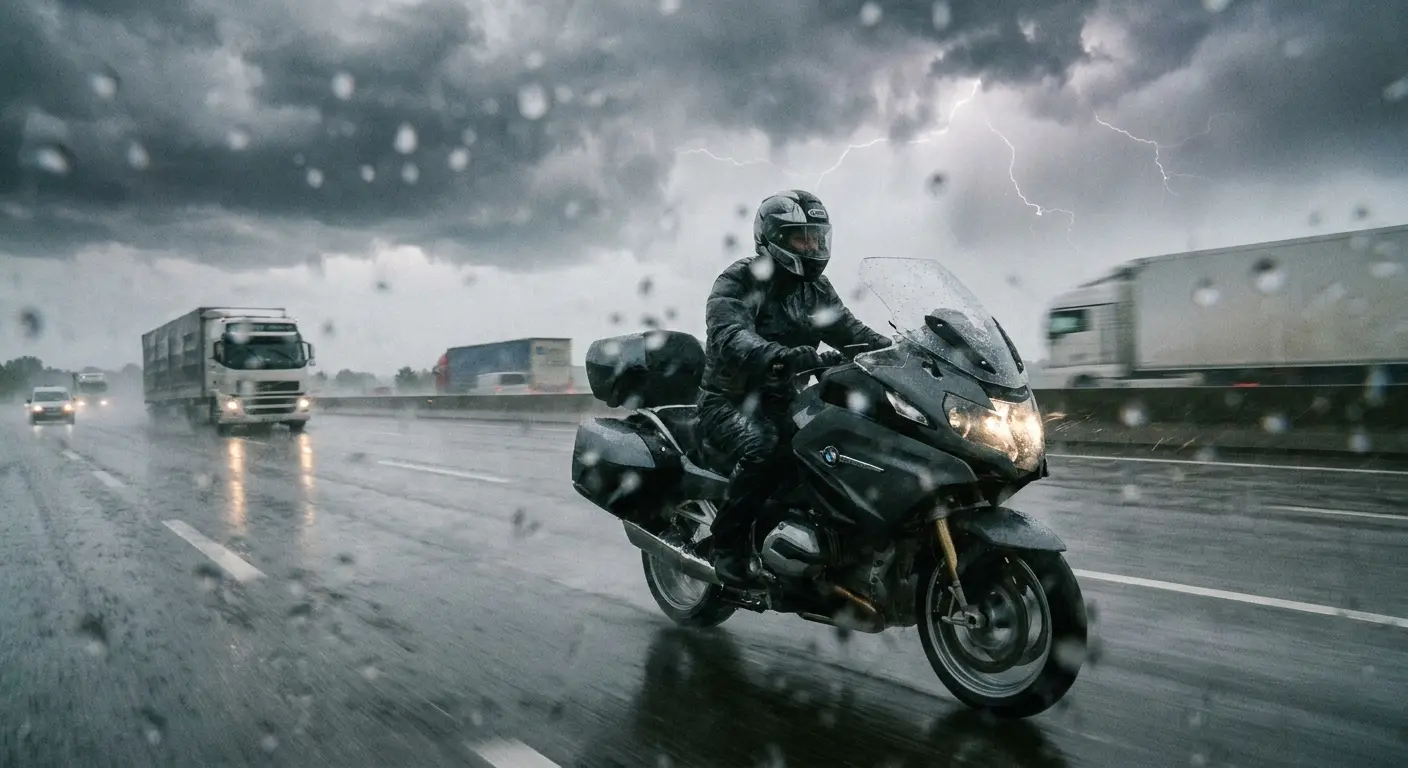
I've mounted 23 different cameras over four years. I have a box of dead ones in my garage that probably cost me $1,800 total. Some cameras that looked bulletproof on paper failed within weeks. Others I expected to struggle kept working month after month through conditions that should've killed them.
The patterns don't match what most review sites tell you to buy. Most guides obsess over features that sound impressive but rarely matter during the moments when you desperately need clear footage. Temperature extremes, sustained vibration, and sudden weather changes expose weaknesses that controlled testing environments never reveal.
This breakdown covers 18 cameras across four categories that reflect how riders actually use these devices. No generic "budget" or "premium" groupings here. We're organizing by real-world priorities that determine whether your camera becomes essential gear or another piece of equipment gathering dust in your garage.
Cameras Built to Survive What You Ride Through
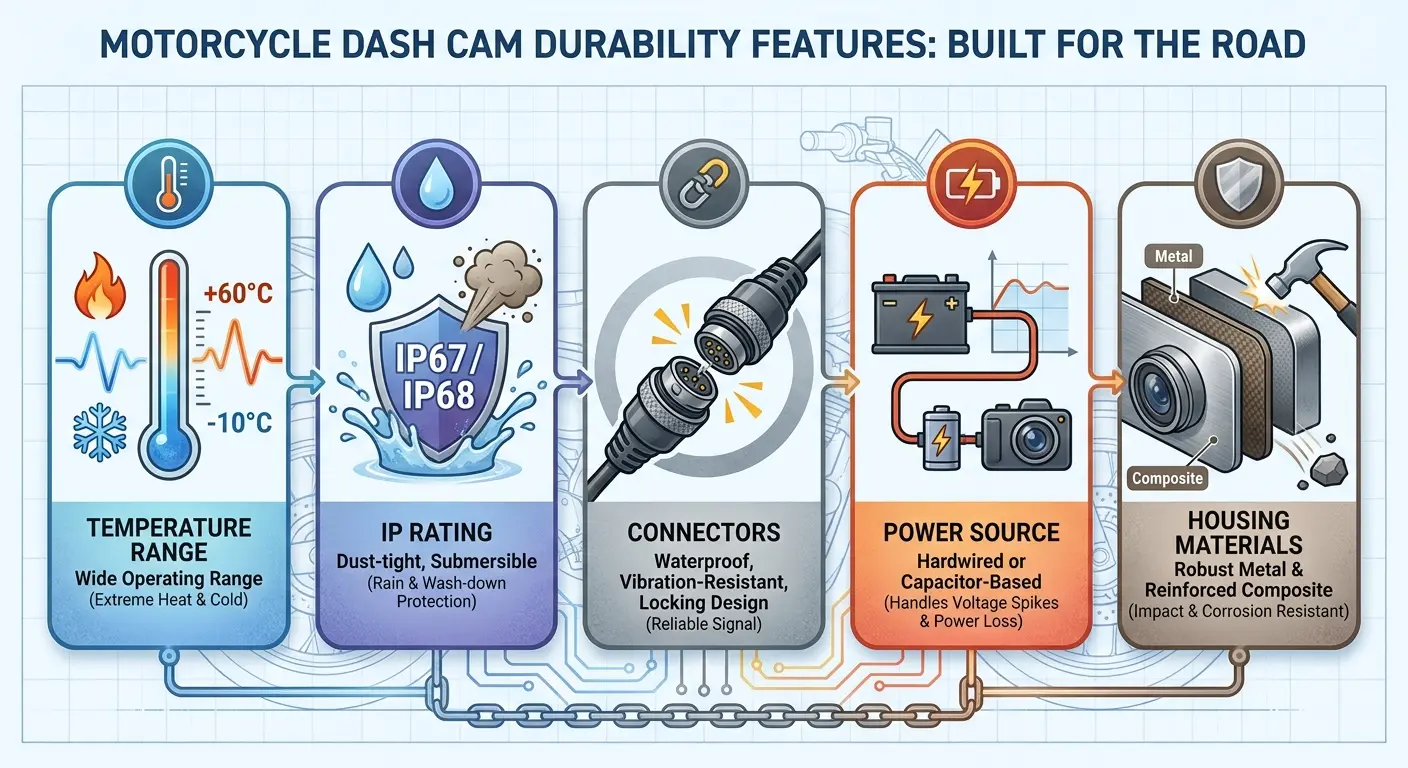
Durability isn't about waterproof ratings and shock resistance specs printed on boxes. It's about how a camera handles the sustained punishment of daily commuting, long-distance touring, and weather that changes faster than you can pull over.
I've watched cameras with impressive IP ratings fail from moisture getting in through cable connections. Others with modest specifications kept recording through conditions that should've killed them. The difference comes down to engineering decisions most spec sheets never mention.
Your bike's engine generates heat. Summer asphalt radiates it back up. Direct sunlight hits the camera from above. When a camera can't dissipate heat effectively, it throttles performance or shuts down completely. That's not a problem until you're documenting an incident and discover your camera stopped recording twenty minutes ago. Ask me how I know.
Feature |
Why It Matters for Durability |
What to Look For |
|---|---|---|
Operating Temperature Range |
Prevents shutdown in extreme heat or cold |
Negative 4°F to 140°F minimum (though your black plastic fairing in summer sun hits like 160°F, so mount these things somewhere with airflow) |
IP Rating |
Determines water and dust resistance |
IP67 or higher for actual weatherproofing, not marketing weatherproofing |
Connection Type |
Affects failure points from vibration |
Threaded or locking connectors over friction fit. This matters more than people think. |
Power Source |
Eliminates interruption-related failures |
Direct battery hardwiring vs USB dependency. Huge deal, changes everything. |
Housing Material |
Impacts impact resistance and heat dissipation |
Metal or reinforced polycarbonate. Cheap plastic cracks. |
1. Innovv K5
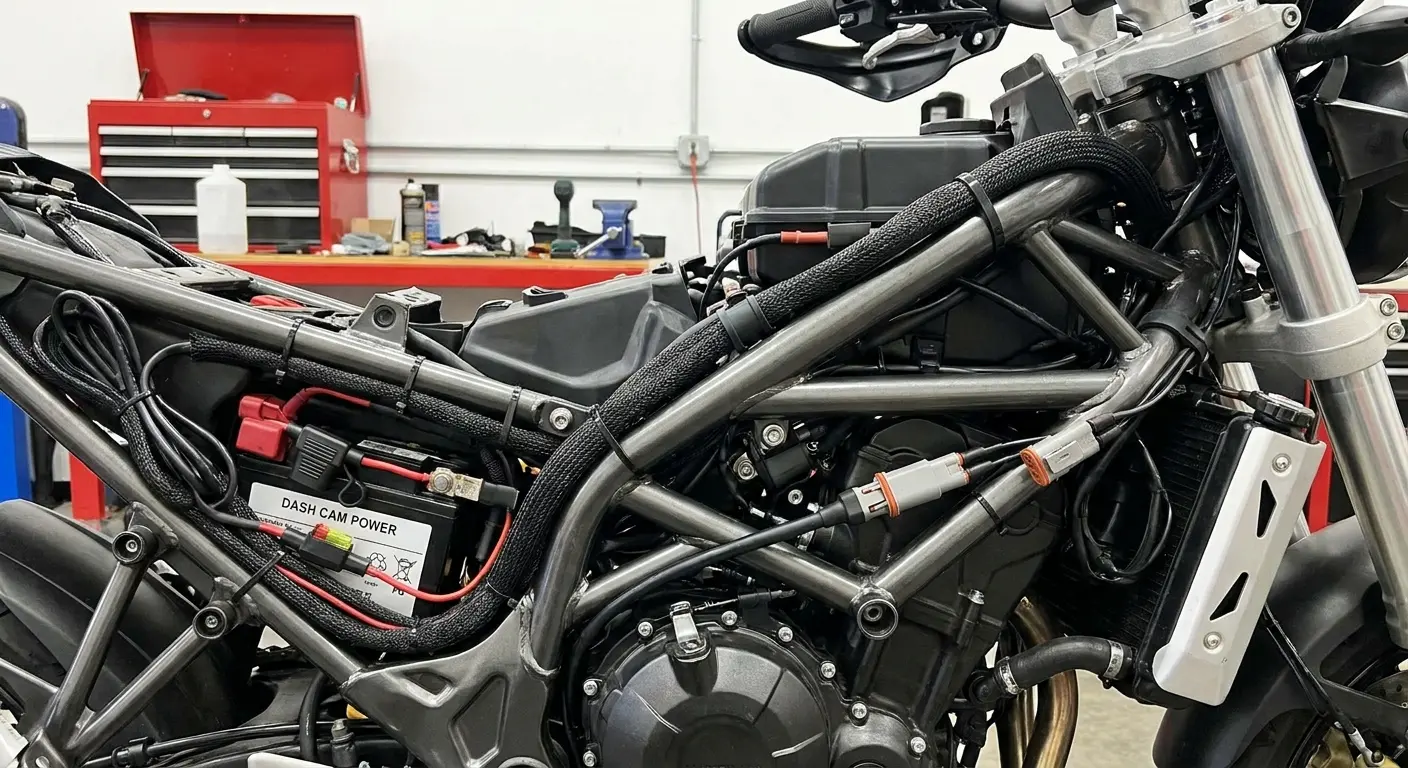
The Innovv K5 is the camera I should've bought first. It's a two-camera setup with a separate recording box that you mount somewhere protected. I put mine under the seat. The whole thing hardwires to your battery, which sounds intimidating if you've never done electrical work, but it's honestly just connecting three wires with the included fuse.
Why does this matter? Because USB-powered cameras die at the worst times. Your bike's USB port cuts power when you turn off the ignition (most of them, anyway), which kills parking mode functionality. And the voltage fluctuates based on what else you're running, heated grips, phone charging, whatever. The K5 doesn't care. It pulls clean power straight from the battery and keeps recording.
Installation takes longer than stick-and-go alternatives. You're routing cables, mounting the recording unit, and connecting to your battery with proper fusing. But I've been running mine for eighteen months of daily commuting. The housing has taken direct water spray and road debris impact better than any other camera I've mounted. You'll spend more time on installation, but the system keeps working when others quit.
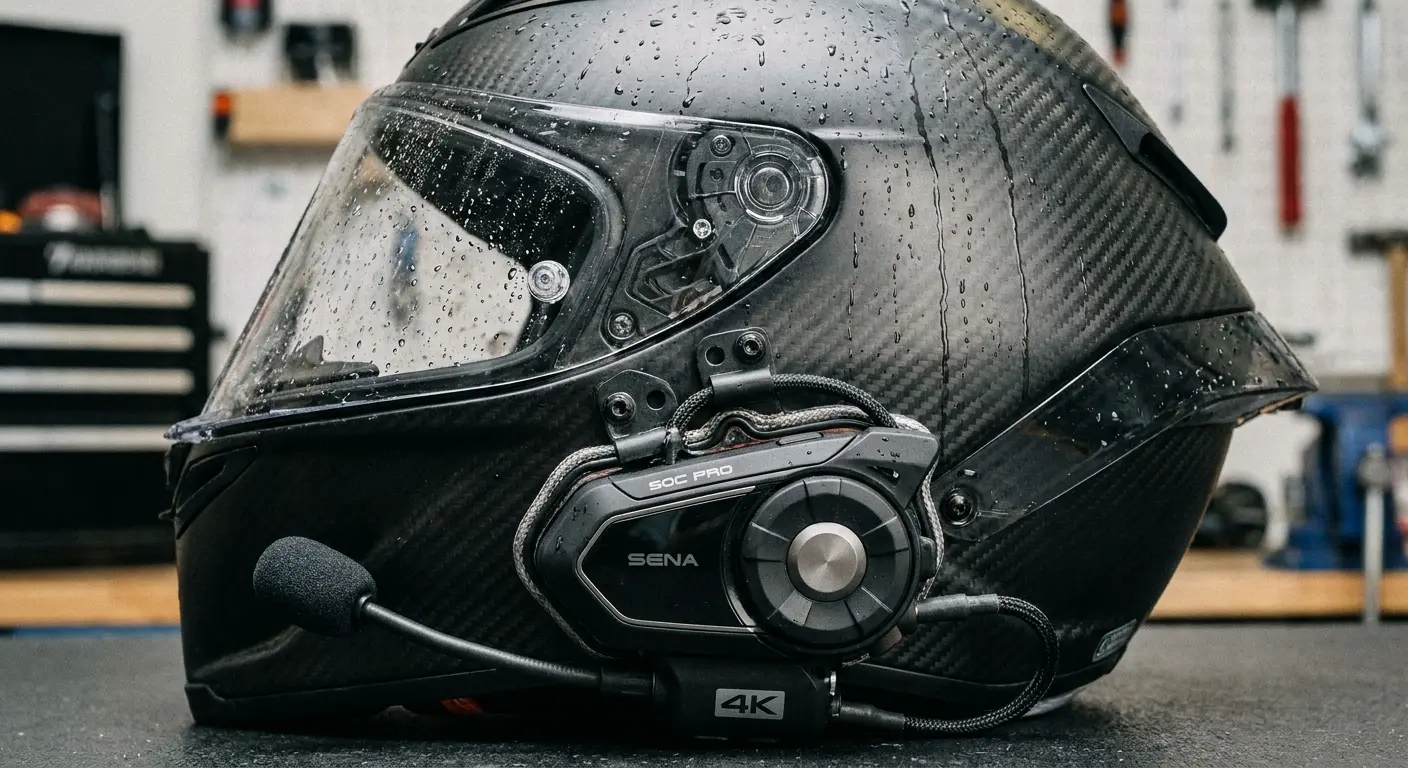
2. Sena 10C Evo
Sena makes intercoms. Good ones. Then they bolted a camera to one. I was skeptical because combo devices usually mean compromises everywhere. But this thing actually works. The intercom delivers the same quality Sena's known for, while the camera captures clean 1080p footage in varied lighting conditions.
Battery life holds up through simultaneous use of both systems, though you'll want to charge nightly if you're running both features on long rides. Not a dealbreaker, just reality.
Water resistance holds up through sustained rain riding. My camera survived a full season of daily commuting with zero protective measures beyond what Sena built into the unit. Firmware updates arrive regularly through the companion app, addressing bugs and adding features without requiring new hardware. Not cheap at $450, but if you were buying a Sena intercom anyway, the camera adds like $150 to the cost. Worth it.
3. VSYSTO P6FL
This front and rear setup uses military-grade connectors that actually deserve the description. The cables lock into place with threaded connections that won't vibrate loose on rough roads. I've seen too many cameras fail because friction-fit connectors worked themselves loose over time.
Front and rear coverage sounds great until you deal with the reality of running cables the length of your bike. The P6FL includes enough cable length for most configurations without requiring extensions that create additional failure points. The rear camera mounting bracket adjusts for different bike setups without requiring custom fabrication.
Recording quality holds up in various lighting conditions. The rear camera provides genuinely useful footage, not just a checkbox feature. You can read license plates and identify vehicles behind you. My buddy Jake used his P6FL footage when someone merged into him on I-94. The insurance company paid out in three days because the rear camera showed the whole thing. Loop recording manages file sizes effectively, overwriting old footage while protecting clips the G-sensor flags as important.
4. Blueskysea DV688
Blueskysea built this for riders who park in questionable areas. The parking mode activates motion detection when your bike's off, recording anyone who gets too close.
Parking surveillance for motorcycles creates different challenges than car applications. Your bike's battery is smaller, and draining it overnight means you're not riding the next morning. The DV688 manages power consumption carefully, monitoring voltage and shutting down before it prevents starting. Motion detection sensitivity adjusts to reduce false triggers from passing pedestrians while capturing actual threats.
The camera switches between riding and parking modes automatically based on vibration sensors. No manual activation needed when you're trying to secure your bike and get moving. The system creates short clips when motion triggers, preventing storage bloat from hours of empty parking lot footage. Does it catch every threat? No. But it's caught enough sketchy behavior around my bike that I keep using it.
Compact Setups That Don't Announce Themselves
Size matters when you're trying to reduce wind resistance, minimize theft risk, and avoid the "tourist with too much gear" look.
Aerodynamics affects more than just your top speed. A bulky camera creates wind noise that makes helmet communication systems harder to use. It catches crosswinds that push your bike around. Compact designs reduce these issues while making your bike less of a target for thieves who assume visible cameras mean other expensive gear is nearby.
Battery capacity takes the biggest hit when manufacturers prioritize compact form factors. Physics doesn't compress well. Smaller housings mean smaller batteries, which means shorter recording times or external power solutions. Heat dissipation suffers too, since there's less surface area to radiate warmth away from sensitive electronics. These are the tradeoffs. Pick your compromise.
5. Drift Ghost XL Pro
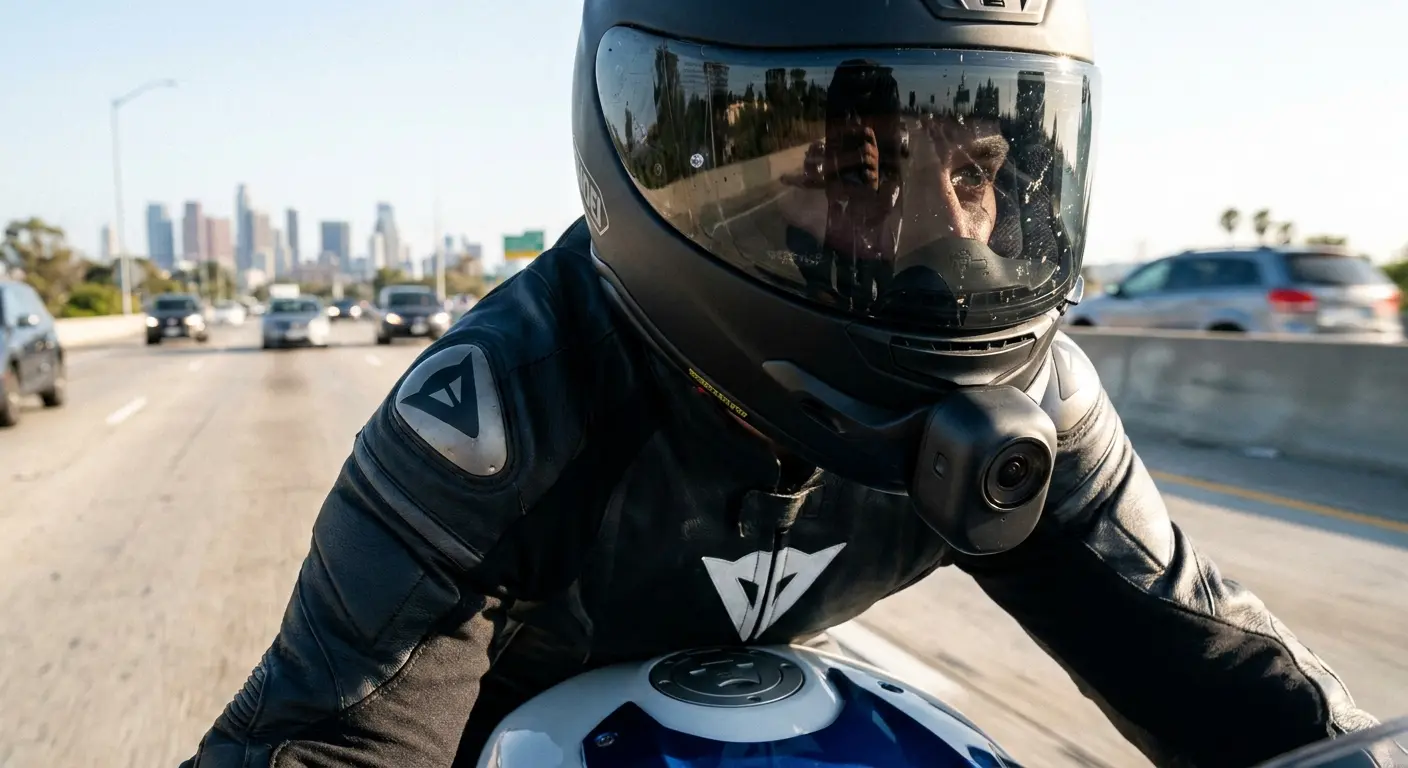
The Ghost XL Pro mounts flush against your helmet or bike with a low profile that cuts wind noise significantly compared to bulkier cameras. The rotating lens lets you adjust the angle without repositioning the entire mount.
Flush mounting creates stability that strap-based systems can't match. The camera stays put through highway speeds and aggressive riding without the wobble that ruins footage. The rotating lens mechanism maintains alignment over time, unlike ball-joint mounts that gradually shift position from vibration.
You'll get about three hours of continuous recording before needing a charge. That's enough for most day rides but requires planning for longer trips. External battery packs work, though they add bulk that defeats the compact design's purpose. Waterproofing holds up through sustained rain exposure without requiring additional housing that would muffle audio. The form factor makes it easy to forget you're wearing a camera until you need the footage. That's the point.
6. TELESIN Motorcycle Camera
TELESIN designed this specifically for helmet mounting with a curved base that matches helmet contours. The adhesive mount stays put through highway speeds and aggressive riding without the bulk of strap systems.
Helmet-specific design means the curved mount works across different helmet shapes better than flat alternatives. The adhesive durability surprised me. I expected it to fail during summer heat or peel off in cold weather. Six months later, it's still holding strong. Removal doesn't damage helmet surfaces when you follow the included instructions.
Weight distribution doesn't create neck strain during long rides, though you'll notice it more on lighter helmets. Battery swaps and memory card access while riding present challenges, but that's true of any helmet-mounted system. You're pulling over to swap batteries regardless of which camera you choose.
7. Vantrue N4 Pro
Vantrue adapted their popular car dash cam for motorcycle use with a compact three-channel system that records front, rear, and interior views simultaneously. The interior camera seems pointless for bikes until you realize it captures your instrument cluster.
Instrument cluster recording documents your speed, gear selection, and warning lights during incidents. I've seen riders use this footage successfully in insurance claims where speed and bike condition were disputed. The data provides context that single-angle footage can't capture. It's weirdly useful.
Mounting three cameras creates cable routing challenges. You're running power and video connections to multiple locations on your bike. The system drains batteries faster during short trips since three cameras pull more power than one. Storage needs jump significantly with triple-camera recording. You'll want high-capacity memory cards and regular file management to prevent storage-full errors. Worth it? Depends on whether you think the instrument cluster footage matters. I do, but I could see arguments against it. Riders who want full coverage should read my picks for 360 cameras on a motorcycle.
8. Garmin Dash Cam Mini 2
Garmin's Mini 2 measures smaller than a car key fob but packs 1080p recording and automatic incident detection. The compact size means you can mount it almost anywhere without blocking your view or catching wind.
Incident detection accuracy matters more than the feature's existence. The Mini 2 triggers appropriately for impacts without false alarms from every bump and pothole. WiFi connectivity makes footage review straightforward through the companion app, though you'll need your phone nearby for transfers.
Battery capacity limitations from the tiny form factor mean you're essentially running on external power for anything beyond short test rides. Power bank compatibility works, but you're adding cables and bulk. The voice control feature lets you save clips without taking your hands off the bars. You can mark important moments while they're happening instead of searching through hours of footage later. Sounds gimmicky, but I actually use it all the time to mark cool roads or sketchy intersections.
9. Thieye Safeel Zero+
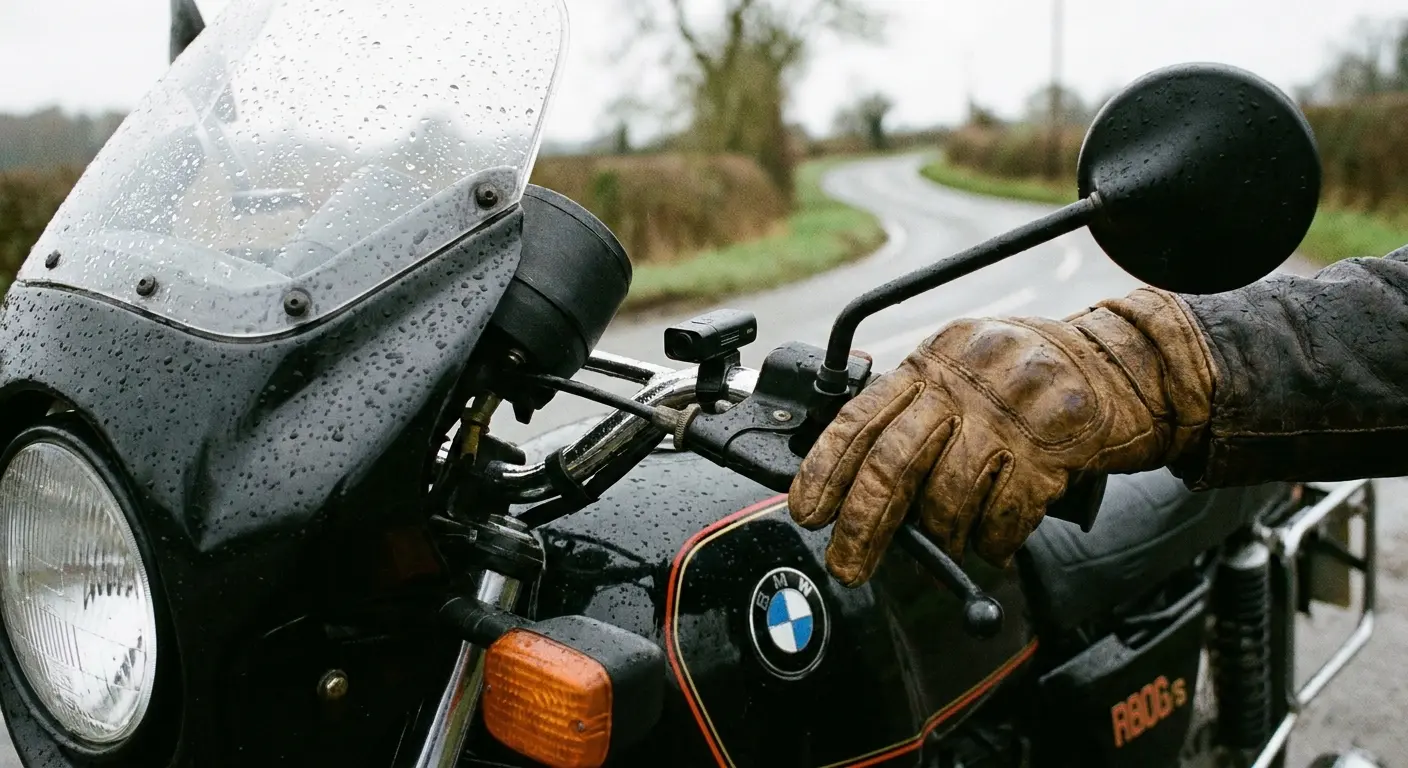
The Zero+ looks like a small flashlight. That's the whole design concept. Cylinder, mounts to your bars or helmet, rotates for angle adjustment.
Does the shape actually reduce wind resistance? Yeah. You feel it at highway speeds. Not a huge difference, but it's there. On naked bikes especially.
Cylindrical design creates measurably less drag than box-shaped alternatives. The internal rotation mechanism stays locked during riding without gradual drift that requires constant readjustment. Mounting options work across different handlebar sizes without adapter purchases. Stability holds up on both standard and oversized bars. Recording quality matches rectangular cameras in the same price range. The unique form factor doesn't compromise lens performance or introduce distortion. Battery life reaches four hours with moderate settings. The USB-C charging means you can top it off from the same cable you use for your phone.
Front and Rear Systems Worth the Install Time
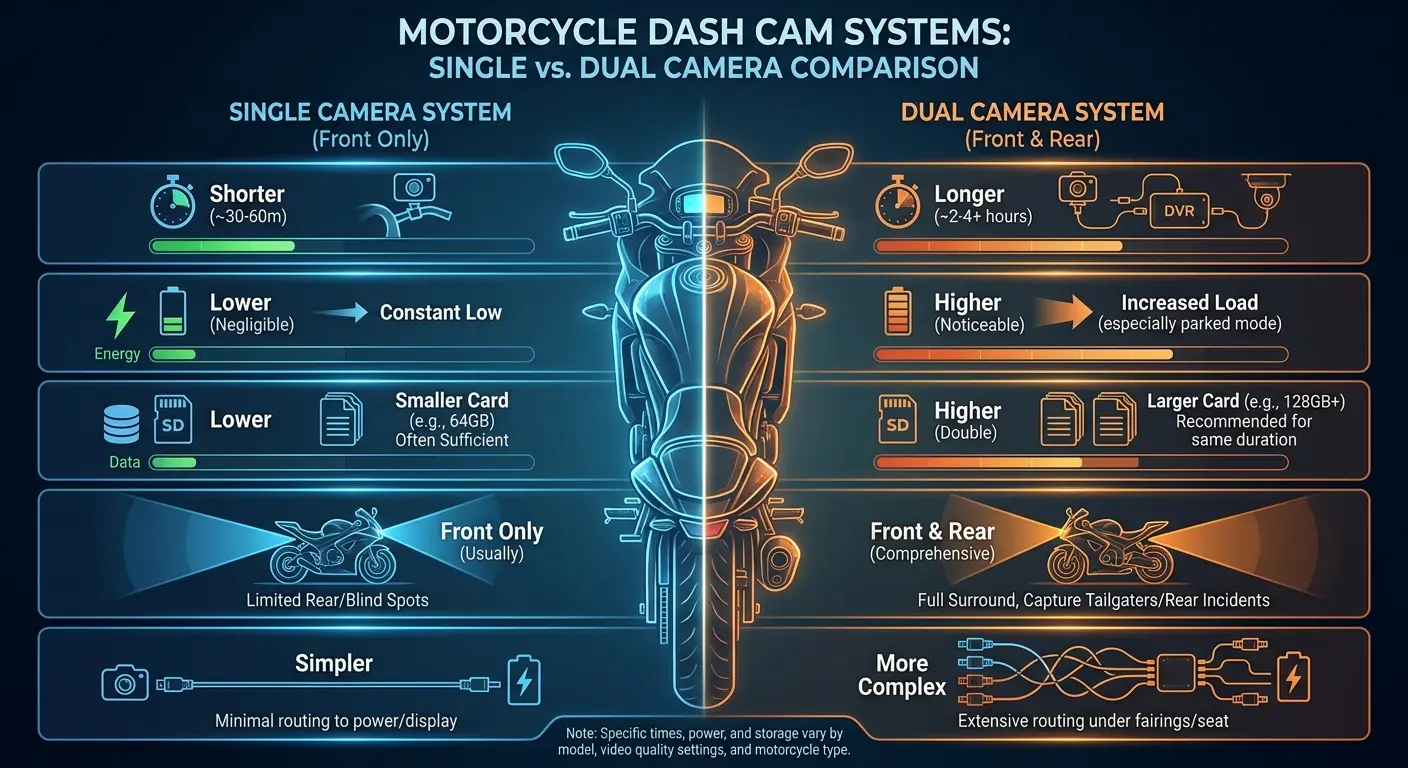
Dual-camera setups provide complete coverage, but they're only worth the installation effort if both cameras contribute useful footage.
Complete coverage sounds appealing until you're three hours into an installation, trying to route cables through tight spaces while maintaining weatherproof integrity. Some riders give up and run exposed cables that fail within months. Others pay for professional installation that costs as much as the camera system itself. I've done both. Neither is fun.
The practical value of rear footage depends heavily on your riding environment. Urban riders benefit more from rear coverage than rural touring riders. Dense traffic creates more rear-end collision risk and hit-and-run scenarios where rear camera footage becomes essential. Highway riding generates less rear-camera value since most incidents happen in front of you. Think about where you actually ride before committing to the dual-camera complexity.
System Component |
Single Camera |
Dual Camera System |
Why It Matters |
|---|---|---|---|
Installation Time |
30 to 60 minutes |
2 to 4 hours |
Cable routing and power distribution complexity. Block out a Saturday. |
Power Draw |
2 to 3W average |
4 to 6W average |
Battery impact on shorter rides. You'll notice this on bikes with smaller batteries. |
Storage per Hour |
3 to 6GB |
6 to 12GB |
Memory card capacity requirements. High-endurance cards aren't optional. |
Coverage Blind Spots |
Rear and side angles |
Minimal with proper positioning |
Incident documentation completeness. Sometimes matters, sometimes doesn't. |
Cable Management |
Single run |
Front and rear routing |
Weather exposure and failure points. This is where most installations fail. |
10. Fodsports M1S Max
The M1S Max runs both cameras from a single control unit mounted under your seat. The centralized processing reduces the number of components exposed to weather and vibration.
Centralized architecture creates reliability advantages over distributed systems. You're protecting the brains of the operation in a relatively sheltered location while only exposing the camera lenses to harsh conditions. Cable routing from the control unit to both cameras works for different bike configurations with the included cables. Most standard setups don't require extensions or custom solutions.
The rear camera mounts on a flexible arm that adjusts for different tail configurations. You won't need custom brackets or fabrication for most standard bike setups. The mounting system includes everything needed for clean installation without drilling additional holes. Recording quality from both cameras matches well, with the rear providing clear footage that's genuinely useful for incident documentation.
11. INNOVV K7
INNOVV upgraded from the K5 with higher resolution and improved night vision on both cameras. The system records continuously when your bike's running and switches to parking mode when you kill the engine.
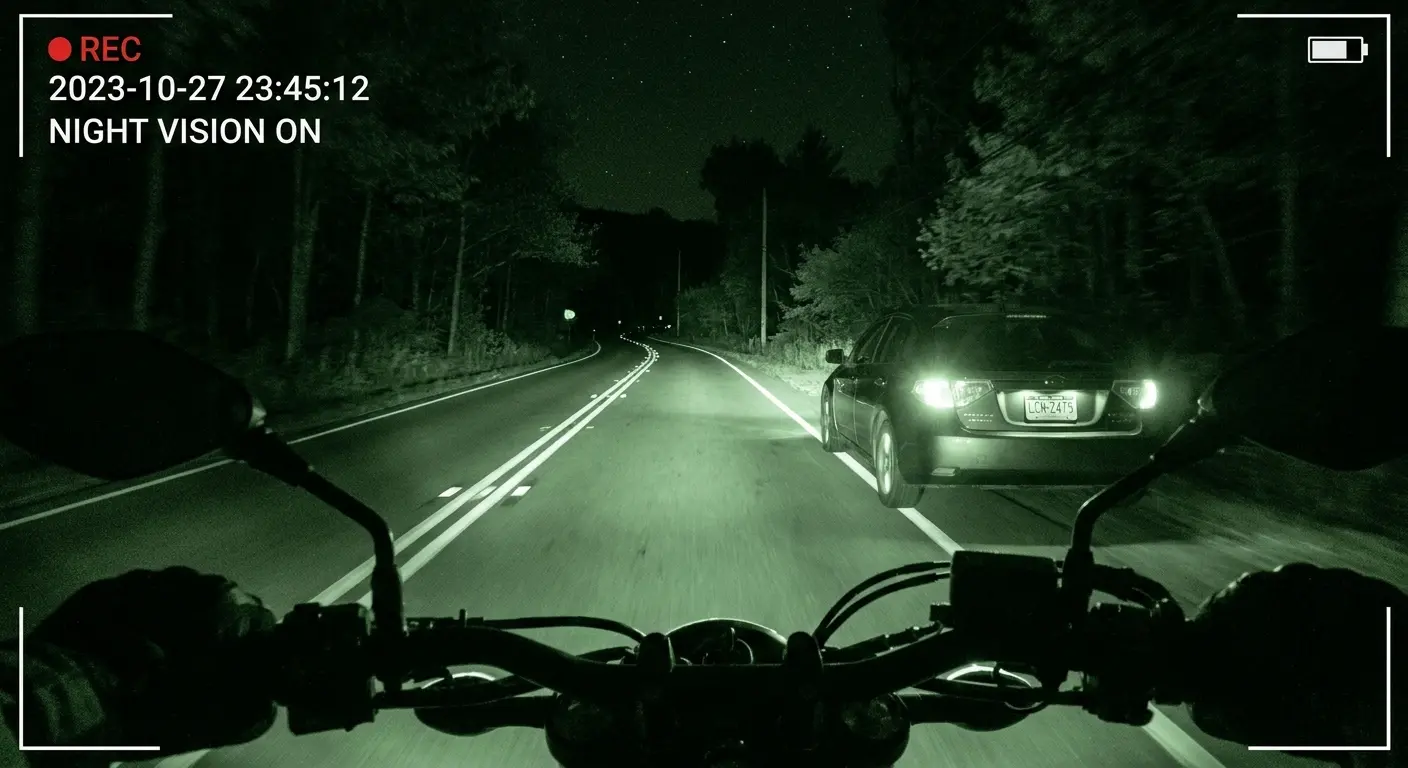
Night vision performance captures usable footage in low-light conditions where earlier models struggled. You can identify vehicles and read plates in parking lot lighting and dawn riding conditions. The automatic parking mode transition happens seamlessly without manual intervention.
The wiring harness includes a voltage monitor that prevents battery drain. The system shuts down automatically before your battery drops too low to start your bike. This represents the premium end of dual-camera systems with features that justify the investment for riders who need maximum capability and reliability. Is it worth $200 more than the K5? If you ride at night frequently or need parking mode, yeah. Otherwise, the K5 is probably fine.
12. VIOFO MT1
VIOFO designed the MT1 specifically for motorcycles instead of adapting a car dash cam. The cameras use Sony sensors that handle the vibration and temperature ranges bikes create.
Motorcycle-specific engineering shows in details car camera adaptations miss. The mounting hardware accounts for handlebar diameters, fairing curves, and exposed positions that car dashboards never deal with. Sony sensor performance provides noticeable quality improvements in challenging lighting. Quick transitions from shade to sunlight don't blow out or darken the way cheaper sensors do.
Both cameras shoot at 1080p with wide-angle lenses that capture adjacent lanes. The field of view matters when someone merges into you and claims they never saw you. GPS integration adds location data to recordings, timestamping exactly where incidents occurred. The companion app functionality makes footage review straightforward without requiring laptop transfers.
The VIOFO MT1 costs $100 more than the VSYSTO P6FL. Is it worth it? Depends on how much you care about the Sony sensor. In good light, they're basically identical. In shitty light, dawn, dusk, parking lots, the VIOFO is noticeably better.
13. Blueskysea B4K
The B4K records front and rear simultaneously in 1080p with a split-screen option that shows both views in one file. The single-file approach simplifies footage review when you're trying to document an incident.
Split-screen recording proves genuinely useful rather than gimmicky. You see front and rear perspectives synchronized perfectly, making it easier to understand how incidents developed. File size implications are manageable since you're storing one video instead of two separate files that need syncing during review.
The control unit mounts where you can reach it without looking. You can start and stop recording with gloved hands while riding. This eliminates the fumbling that makes some systems frustrating to operate on the road. Screen quality on the control unit lets you review footage adequately without pulling out your phone. Not amazing, but good enough to verify you got the shot.
14. Lexin MC2
Lexin built the MC2 with a rear camera that includes a brake light sensor. The system automatically tags footage when you brake hard, making it easier to find relevant clips later.
Brake light sensor integration identifies significant braking events accurately. Hard stops get flagged automatically, creating bookmarks in your footage timeline. False positive rates stay low enough that you're not wading through dozens of tagged clips from routine stops.
The front camera records in 1440p while the rear stays at 1080p. The resolution difference makes sense since you need more detail from forward-facing footage. When combined with vibration dampeners, this delivers stable footage even on rough roads. Installation requires brake light integration and compatibility across different bike electrical systems, but the included instructions cover most common configurations. Took me about three hours start to finish on my Street Triple.
High-Resolution Options When Details Matter Most
Sometimes you need to read a license plate from 50 feet back or capture fine details that 1080p can't resolve. But high resolution creates challenges beyond impressive specs.
File sizes balloon to levels that fill memory cards during single rides. Processing power requirements generate heat that causes thermal throttling. Battery drain accelerates since encoding 4K video demands significantly more power than 1080p. These aren't theoretical problems. They're real limitations you'll deal with every ride.
When does maximum detail provide value versus overkill? Legal proceedings and insurance claims sometimes hinge on details standard resolution can't capture. Reading a plate number from distance, identifying a driver's face through a windshield, or documenting vehicle damage clearly can make the difference between winning and losing a claim. For everything else, 1080p is fine.
15. GoPro Hero 12 Black
The Hero 12 shoots 5.3K video with stabilization that makes footage look impossibly smooth. The high resolution means you can crop and zoom in post-processing without losing clarity.
Stabilization technology handles motorcycle-specific vibration patterns better than any camera I've tested. Footage looks steady even on bikes that rattle your fillings loose. Battery life at maximum resolution settings runs about 90 minutes, requiring multiple batteries for day rides. Plan accordingly.
The waterproofing works without an external case. You can ride through heavy rain without worrying about housing leaks or audio muffling. Heat management during extended recording holds up better than previous GoPro generations, though summer riding in direct sunlight will eventually trigger thermal protection.
Everyone recommends GoPros. I think they're overpriced for dash cam duty. But if you also want to make riding videos, suddenly it makes sense. I hate that I'm saying this, but it's true.
16. DJI Osmo Action 4
DJI's Action 4 records 4K at 120fps with a front-facing screen that makes camera positioning easier during setup. The dual screens let you verify your angle without checking your phone.
Dual-screen functionality provides practical benefits beyond convenience. You position the camera correctly the first time instead of mounting, testing, adjusting, and repeating. High frame rates matter for motorcycle footage when you need to slow down action for detailed analysis.
The magnetic quick-release mount lets you remove the camera at stops without tools. That matters when you're parking in areas where leaving expensive gear visible invites problems. As the best action camera option for dash cam duty, it delivers professional-grade footage without professional-grade complexity. Battery performance at 4K resolution runs roughly two hours before requiring a swap.
17. Insta360 GO 3
The GO 3 weighs less than an ounce and shoots 2.7K with built-in stabilization. The tiny form factor means you can mount it places other cameras won't fit.
Ultra-compact design enables creative mounting possibilities. You can place it on your helmet chin bar, tank, or even inside your jacket for unique perspectives. The charging case extends battery life significantly, though using it while riding adds bulk.
Stabilization effectiveness on a camera this small and light exceeds expectations. Footage stays smooth despite the minimal mass that should make it susceptible to every vibration. Durability concerns exist given the minimal housing, but the camera survives typical motorcycle conditions better than its appearance suggests. AI editing features automatically create highlight reels from your rides, useful for shareable content but less relevant for incident documentation. This excels at capturing unique perspectives that traditional cameras can't achieve. For dash cam purposes specifically? Probably overkill. But it's cool as hell.
18. AKASO Brave 8
AKASO's Brave 8 delivers 4K recording at a fraction of what GoPro charges. The image quality doesn't quite match the Hero 12, but it's close enough that most riders won't notice the difference.
Image quality comparisons reveal the differences matter mainly in challenging lighting conditions. Bright sunlight and deep shadows show where premium sensors separate from budget alternatives. Build quality feels less refined than premium options, though durability holds up through normal use.
Battery life and power management match more expensive cameras surprisingly well. The touchscreen interface and menu system work intuitively without the learning curve some budget cameras require. The camera includes a wireless remote that mounts on your handlebars. You can start recording, take photos, or switch modes without reaching for the camera body. For $180, it's hard to complain about much.
Making Your Dash Cam Setup Actually Work
Mounting a camera properly matters more than which camera you choose. I've watched premium cameras produce unusable footage because riders didn't think through vibration dampening, cable routing, or power management.
Vibration management separates clear footage from blurry garbage. Your bike's engine creates constant vibration that travels through the frame to wherever you mount your camera. Some bikes vibrate minimally, others shake like paint mixers. Even expensive cameras with electronic stabilization struggle when the mounting point itself moves excessively.
Your mount needs to absorb vibration without introducing movement that blurs footage. Rubber dampening helps but adds complexity to installations. This is where Rokform's mounting systems make a real difference. Full disclosure: this is a Rokform blog, so yeah, we're gonna mention our mounts. But honestly, this isn't a sales pitch. Our mounting systems solve the exact vibration problems that ruin dash cam footage. I used zip ties and RAM mounts for years before we developed these. The difference is night and day.
The same engineering that keeps your phone secure at 100 mph works for dash cams too. Our magnetic and twist-lock systems eliminate the vibration issues that ruin footage quality. You get the stability premium cameras need without custom fabrication or hoping adhesive mounts hold up.
The RokLock system lets you remove your camera quickly when you park somewhere sketchy, then reinstall it in seconds when you're ready to ride. That flexibility matters when your gear costs hundreds of dollars and you're parking in public spaces. Whether you choose a motorcycle perch mount or stem mount, the integration stays rock solid.
Cable routing determines whether your installation lasts months or years. Exposed cables fail from UV damage, abrasion, and water intrusion. The best 1080p camera becomes worthless when its power cable shorts out from rubbing against your frame. Route cables through protected areas, use proper grommets where they pass through bodywork, and leave enough slack to prevent tension from steering movement. I learned this the hard way after my first installation failed because I routed cables too tight and they pulled loose every time I turned the bars full lock.
Power management separates functional setups from dead batteries. Hardwiring to your battery provides reliable power but requires fusing and voltage monitoring. USB ports seem convenient until you realize they often cut power when you turn off your bike, interrupting parking mode recording. Direct battery connections need proper fusing to prevent electrical fires if cables short circuit. This sounds scary, but it's just basic electrical work. If you can change your oil, you can hardwire a camera.
Storage management affects whether you actually have footage when you need it. Loop recording overwrites old files automatically, but you need to understand how your camera tags and protects important clips. Some cameras save everything when the G-sensor triggers, filling your card with files from every pothole and railroad crossing. Adjust sensitivity settings to capture genuine incidents without creating storage management nightmares.
Memory card quality matters more for dash cams than almost any other use. Cheap cards fail under constant write cycles. You want high-endurance cards rated for dash cam and security camera use, not standard cards designed for occasional photo shooting. The price difference is minimal compared to losing critical footage because your card corrupted. Spend the extra $20. Trust me.
Final Thoughts
If you're still reading and haven't decided, here's what I'd do.
Buy this: VSYSTO P6FL
Unless: You need parking mode (Blueskysea DV688) or you want the absolute best quality (Innovv K7)
Don't buy: Anything without weatherproof ratings, anything that only does USB power, anything from a brand you've never heard of with zero reviews
The VSYSTO P6FL isn't the best at anything, but it's good enough at everything that actually matters. Front and rear coverage, decent quality, doesn't die in the rain, costs less than $300. For most riders, that's the answer.
If you're commuting in a city and parking on the street, add parking mode to your requirements . The Blueskysea DV688 or Innovv K5 handle this well. If you're mostly doing weekend rides and want the smallest setup possible, get the Drift Ghost XL Pro.
The camera costs whatever it costs. But you'll also need a high-endurance SD card ($40), probably some extra cable management stuff ($20), and maybe a hardwiring kit if it doesn't come with one ($30). Real cost is closer to $400 for a complete setup. Budget accordingly.
And for the love of god, mount it properly. I've seen $500 cameras produce unusable footage because someone stuck them on with double-sided tape and called it good. Use the Rokform mounts we linked earlier, or at least use something with vibration dampening.
Look, if you're still paralyzed by choices, flip a coin between the VSYSTO and the Innovv K5. Both work. I've run both for months. You'll be fine either way.
Now stop overthinking this and go ride.

