


Table of Contents
Why Most Motorcycle Tent Reviews Miss the Real Test
-
Tents Built for Storm Season
MSR Hubba Hubba NX 2
Big Agnes Copper Spur HV UL2
REI Co-op Quarter Dome SL 2
Nemo Dragonfly 2P
Marmot Tungsten 2P
Sierra Designs Meteor Lite 2
Kelty Late Start 2
-
Tents That Pack Down Without Compromise
Zpacks Duplex Tent
Six Moon Designs Lunar Solo
TarpTent Double Rainbow
Gossamer Gear The Two
Hyperlite Mountain Gear UltaMid 2
Sea to Summit Alto TR2
-
Tents for Multi-Week Expeditions
Hilleberg Nallo 2 GT
Fjällräven Abisko Dome 2
Vaude Power Lizard SUL 2P
Robens Voyager 2EX
Nordisk Telemark 2 LW
Wechsel Tents Pathfinder
Final Thoughts
TL;DR
Weather resistance beats weight when you're soaked at 2 AM with nowhere to go
Ultralight tents are great until they're not (usually when it matters most)
Multi-week tents need vestibule space, actual durability, and designs you can repair with basic tools
Storm-ready options balance waterproofing with ventilation because condensation will destroy you from the inside
Cheap tents can be good. Expensive tents can suck. Price isn't linear with quality.
Your phone mount needs the same weather protection as your tent (navigation matters when you're lost)
Why Most Motorcycle Tent Reviews Miss the Real Test
Every motorcycle tent roundup obsesses over weight and pack size. Yeah, space matters when you're strapping gear to a bike. But here's what pisses me off about these lists: they rank tents like you're always camping in perfect weather.
I watched a $400 ultralight tent turn into a wet nylon bag at 2 AM outside Cody, Wyoming. My buddy spent the rest of that night in his rain gear, sitting on his bike seat under a gas station awning. The tent weighed 19 ounces. Didn't matter much then.
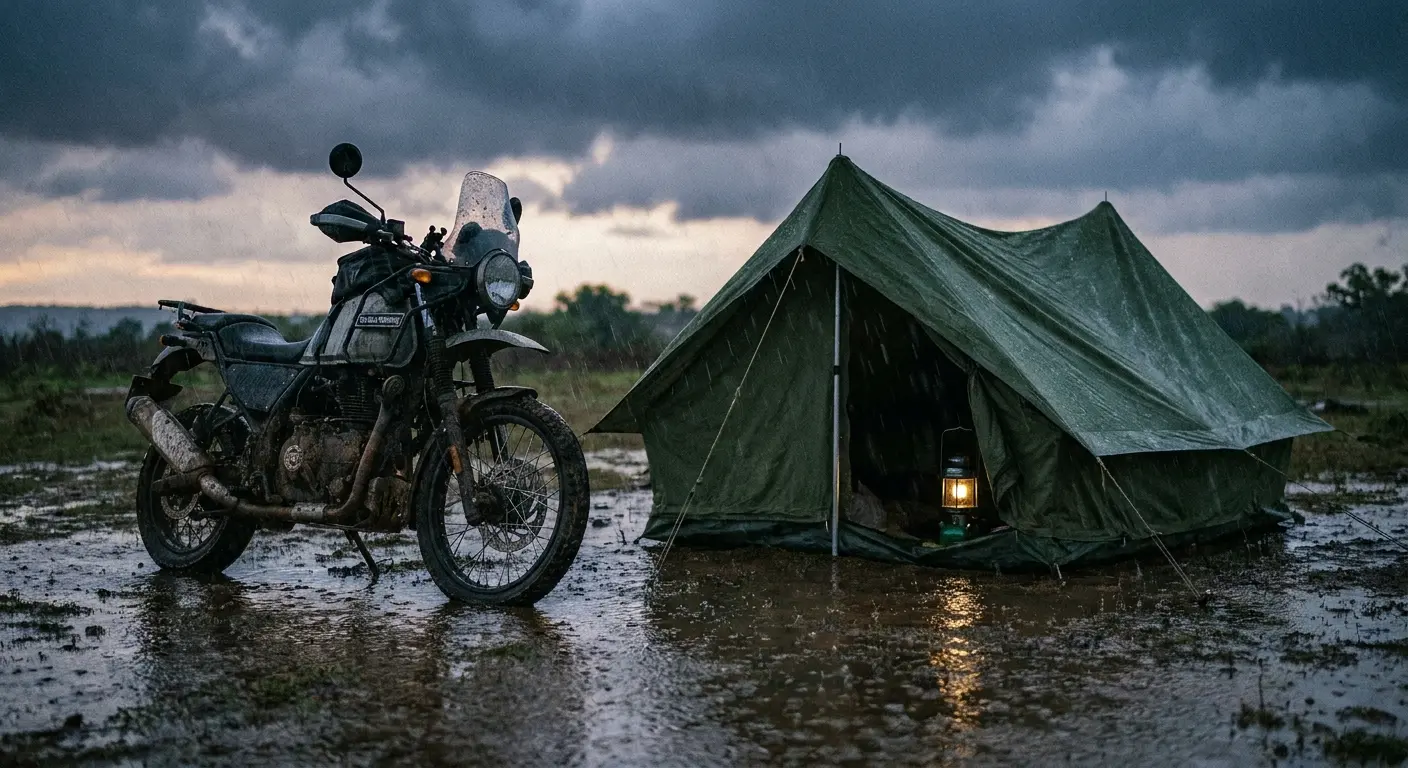
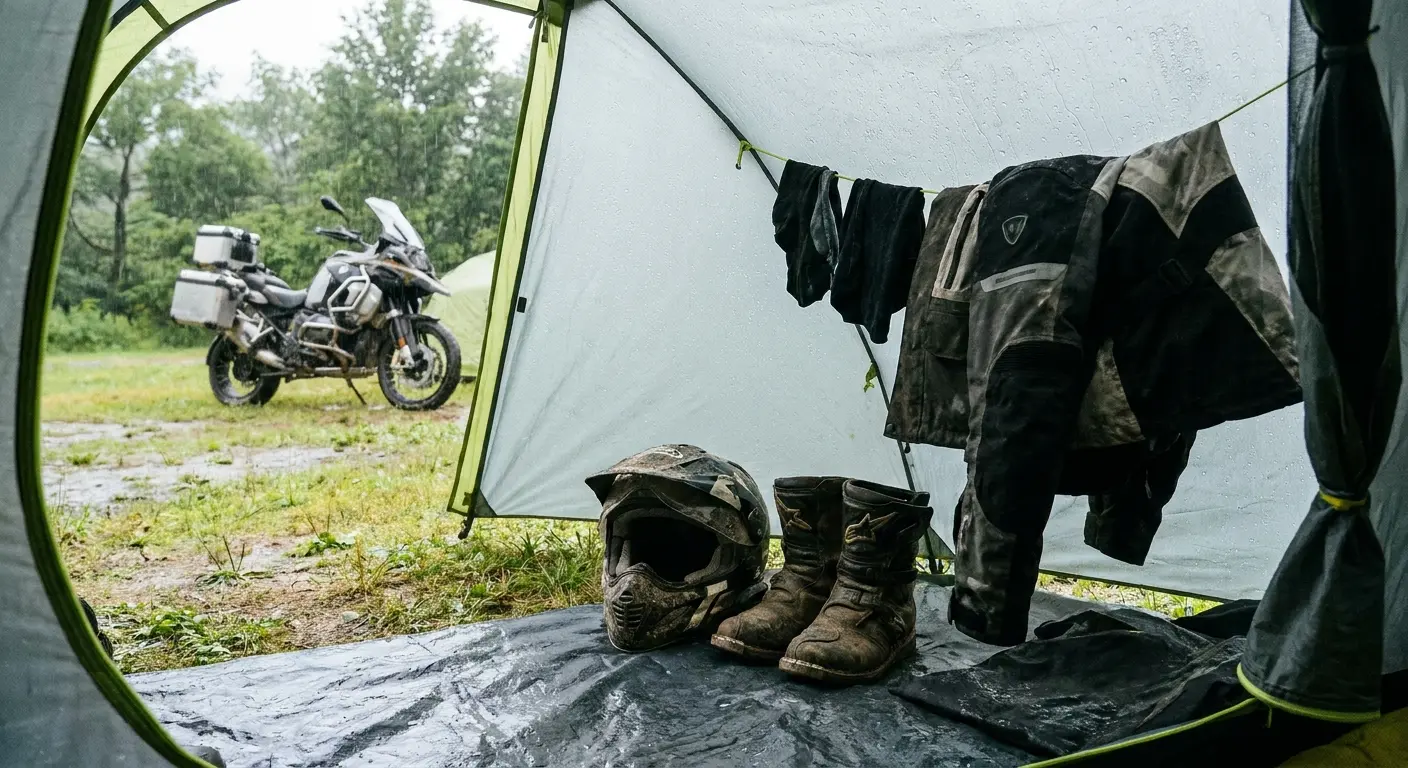
I'm focusing on weather resistance first because that's what ends trips early. A tent that's two pounds heavier but keeps you dry through 36 hours of rain? Better than an ultralight option that has you bailing to a motel.
I've split these 19 tents into three groups based on how I actually use them: storm camping, ultralight trips where pack space matters, and long-haul expeditions where failure isn't an option.
Sudden elevation changes. Exposed campsites. Setting up in the dark because you rode too long. Limited time before weather hits. Yeah, I've done all of it. These aren't spec sheet concerns.
Tents Built for Storm Season
Most tents fail the same way: they can't handle weather. These seven won't leave you bailing to a motel because the rainfly gave up.
I'm looking at freestanding designs that don't rely entirely on stakes (because rocky ground is common), rainfly coverage that actually extends beyond minimal specs, and pole structures that handle sustained wind without folding.
Tent Model |
Waterproof Rating |
Peak Height |
Vestibule Space |
Packed Weight |
Best For |
|---|---|---|---|---|---|
MSR Hubba Hubba NX 2 |
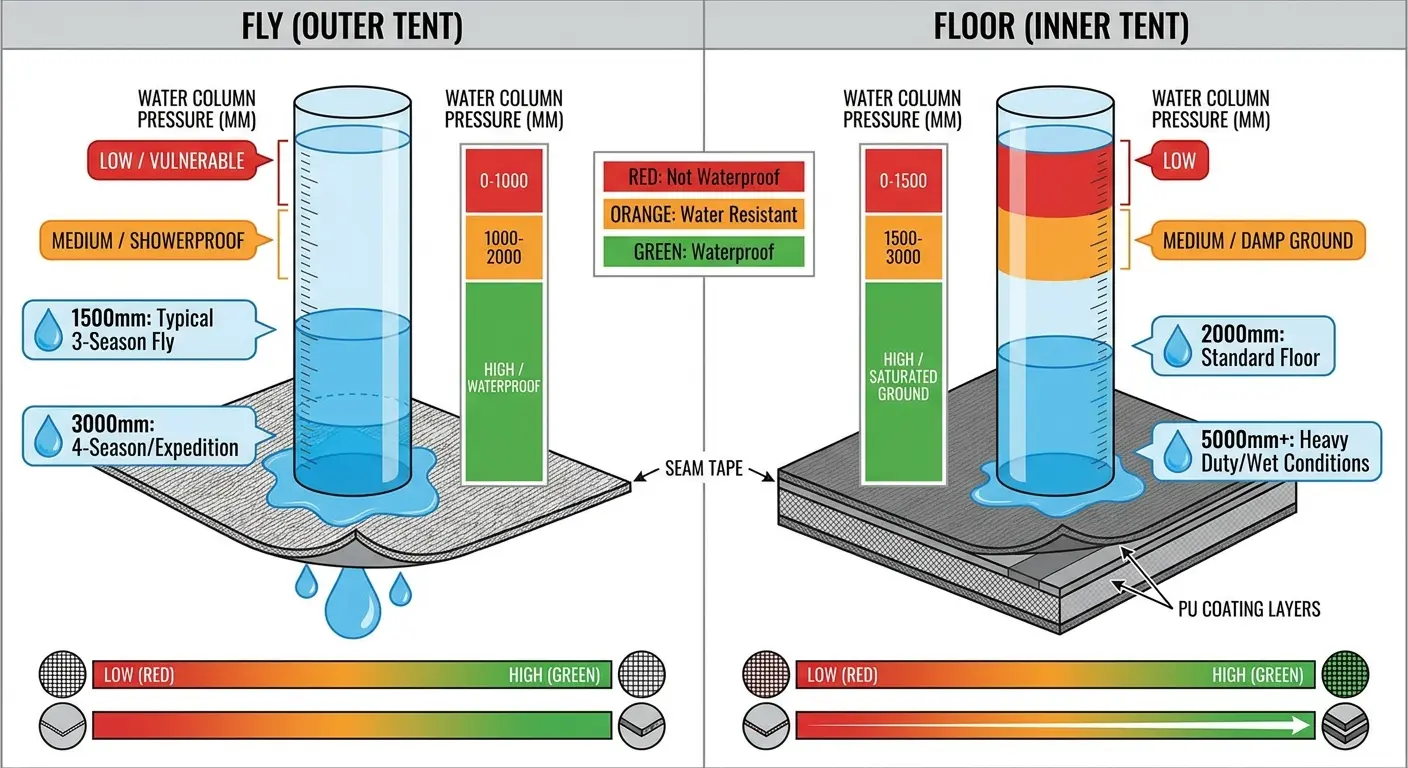
1200mm floor / 1200mm fly |
39 inches |
8.75 sq ft per vestibule |
3 lbs 7 oz |
Multi-day storms with limited staking options |
Big Agnes Copper Spur HV UL2 |
1200mm floor / 1200mm fly |
40 inches |
8 sq ft per vestibule |
3 lbs 2 oz |
High condensation environments |
REI Co-op Quarter Dome SL 2 |
1200mm floor / 1200mm fly |
38 inches |
8.3 sq ft per vestibule |
3 lbs 2 oz |
Glove-friendly setup in cold weather |
Nemo Dragonfly 2P |
1200mm floor / 1200mm fly |
42 inches |
7.5 sq ft per vestibule |
3 lbs 2 oz |
Temperature fluctuation zones |
Marmot Tungsten 2P |
1500mm floor / 1500mm fly |
42 inches |
8 sq ft per vestibule |
4 lbs 12 oz |
Sustained high winds |
Sierra Designs Meteor Lite 2 |
1200mm floor / 1200mm fly |
40 inches |
7 sq ft per vestibule |
3 lbs 5 oz |
Poor ground conditions |
Kelty Late Start 2 |
1800mm floor / 1800mm fly |
42 inches |
9 sq ft per vestibule |
4 lbs 14 oz |
Budget-conscious durability priority |
1. MSR Hubba Hubba NX 2
The unified hub system actually works when stakes won't seat properly. Try setting up on granite slabs in the Sierras and you'll get it.
Rainfly goes almost to the ground. You don't need perfect stake tension, which saves your ass when you're setting up in 30mph wind.
Five inch bathtub floor. Most tents quit at three or four. Matters when water pools around your tent at 3 AM during a downpour.
Packs bigger than ultralight stuff, sure. But at 2 AM in wind, you're not wondering if the poles will snap.
Vestibule fits boots, helmet, and a tank bag without playing Tetris. I've used this through three days of rain in Olympic National Park, and the hub design keeps tent shape even when ground conditions suck. The compression straps on the stuff sack actually work. Maybe 20% smaller when you really crank them down.
2. Big Agnes Copper Spur HV UL2
Vertical walls mean you're not sleeping in a coffin. Better condensation management because you're not pressing against fabric when you shift at night.
The rainfly vents stay functional during heavy rain. Most tents screw this up by putting vents where water just pours in. Big Agnes got it right.
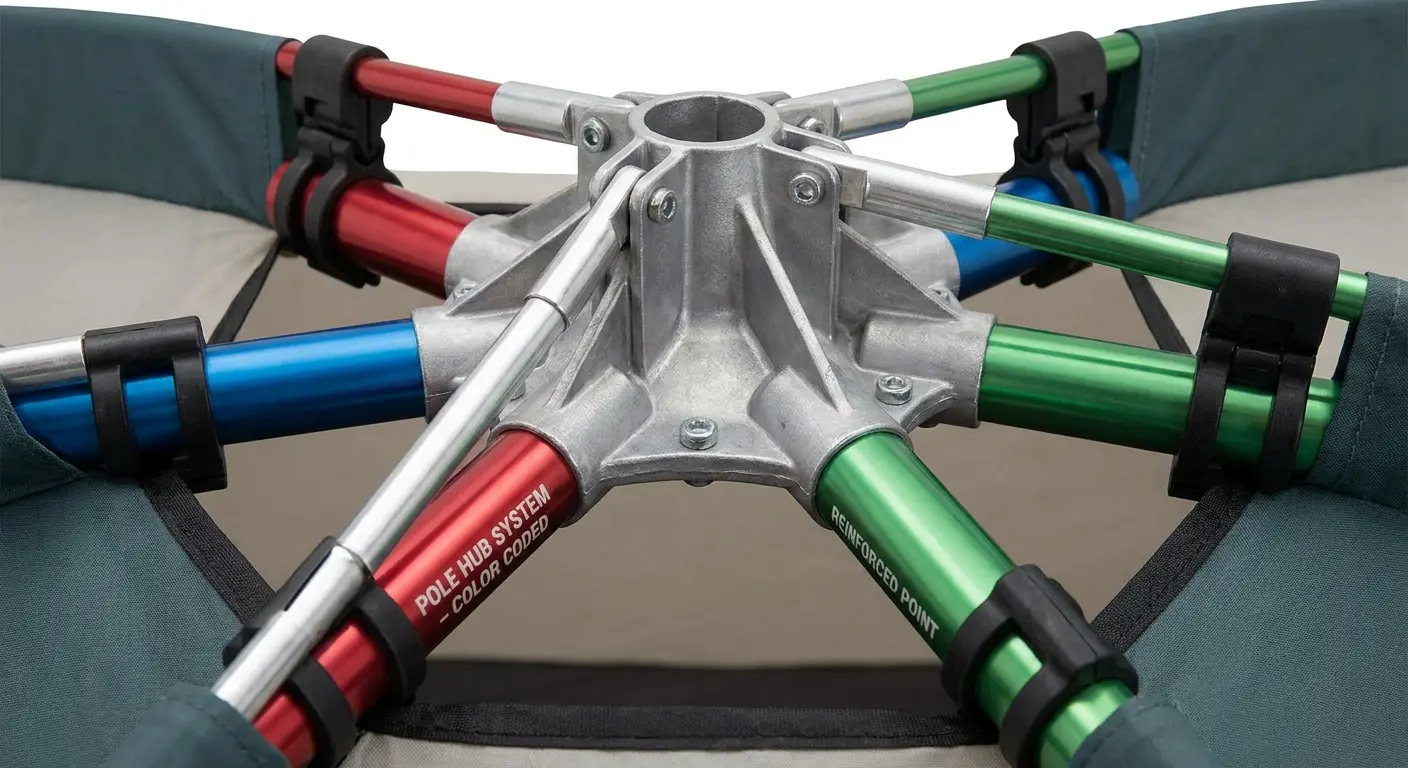
Color-coded pole sleeves. Sounds dumb until you're setting up in the dark after riding 400 miles.
Best tent for riders who care about interior space? This one. You're carrying about 8 ounces more than true ultralight options, but you get livable space that matters during weather delays when you're stuck inside.
The integrated stake bag in the stuff sack is genius. Packing wet gear in rain without losing small parts? Yeah, it matters.
3. REI Co-op Quarter Dome SL 2
Single-pole design means less complexity without sacrificing headroom. The rainfly clips work with gloves on. Try that with most ultralight tents and you'll understand why it's not standard.
Seam-sealed construction comes included. Not an upcharge. REI gets points for that.
Fits horizontally across most motorcycle luggage, giving you flexibility in weight distribution. I've strapped this to three different bikes without issues.
Ventilation actually moves air instead of just existing as a marketing claim. I've set this up in temps from 35°F to 85°F. Works across that range without turning into a sweat lodge or an icebox.
Single pole means one less thing to track during setup. Small detail, big difference when you're tired.
4. Nemo Dragonfly 2P
Nemo went weird with the pole design. Overhead instead of floor-level. It pays off. You get actual vertical walls at head and foot instead of that tapered dead zone most tents have.
The rainfly switches between full coverage for storms and rolled-back for clear nights. You can change modes without pulling stakes. I've done this drunk. Still works.
Fabric tension stays consistent when temps drop overnight. Cheaper tents go slack and create sag points where water pools. This doesn't.
Compresses down to 6x18 inches. Fits into saddlebag configurations that reject bulkier options.
Dual doors mean you're not climbing over your riding partner at 3 AM. Small blessing, huge quality of life improvement.
5. Marmot Tungsten 2P
DAC poles flex under wind load instead of snapping. You won't appreciate this until you're in sustained 30mph gusts outside Moab.
The rainfly's curve sheds water away from seams instead of channeling it along stitch lines. Engineering that actually matters.
Two vestibules, 8 square feet each. Enough room to cook under cover if weather prevents outdoor meal prep. I've done this. It works.
The footprint is sold separately but worth it. Adds a sacrificial layer that extends floor life when you're camping on abrasive surfaces like gravel or decomposed granite.
Setup takes under five minutes once you've done it twice. Simple hook system, no threading or complex sequences. I've watched riders set this up in full rain gear without problems.
6. Sierra Designs Meteor Lite 2
Proprietary pole clip system keeps tension across the canopy even when ground conditions prevent ideal staking. Rocky terrain, hard-packed dirt, whatever. It adapts.
The rainfly sits 6 inches above the canopy, creating an air gap that cuts condensation transfer during temperature swings. Smart design that solves a real problem.
Mesh panels cover 60% of the canopy. Actual ventilation that moves air, not just marketing copy.
3 pounds 5 ounces. Manageable for solo riders who need storm protection without adding a second bag.
Floor fabric uses reinforced weave in high-wear zones where you're entering and exiting. This attention to durability hotspots extends tent life beyond what the base weight suggests.
7. Kelty Late Start 2
Budget pick that doesn't suck: Kelty Late Start.
68D floor fabric versus 30D on ultralight options. Stands up to gravel, roots, and dropped tools without puncturing. I've abused this tent. It keeps going.
Pole sleeves use continuous design that prevents separation during setup. No fighting with sections in wind.
Rainfly covers vestibules completely. Dry storage that doesn't require precision gear placement.
$100-150 cheaper than comparable options. Makes sense if you're building out a camping setup from scratch.
Yeah, you're carrying about a pound more than premium options. But the construction will outlast cheaper alternatives by years. I know riders with 100+ nights on these tents.
Tents That Pack Down Without Compromise
These six pack small and weigh less while maintaining enough durability for actual use. I'm not including single-wall designs that turn into condensation factories or trekking-pole setups that assume you're carrying poles you don't have.
Each tent here packs small enough for limited motorcycle luggage while using materials that won't leave you stranded after normal wear. Works for riders doing frequent shorter trips where pack efficiency enables spontaneous detours.
Tent Model |
Packed Weight |
Packed Size |
Floor Area |
Wall Type |
Setup Complexity |
|---|---|---|---|---|---|
Zpacks Duplex |
19 oz |
4" x 12" |
28.4 sq ft |
Single-wall |
High (non-freestanding) |
Six Moon Designs Lunar Solo |
26 oz |
5L stuff sack |
33 sq ft |
Single-wall |
Medium (one pole) |
TarpTent Double Rainbow |
2 lbs 7 oz |
5" x 14" |
28.7 sq ft |
Double-wall |
Medium (semi-freestanding) |
Gossamer Gear The Two |
2 lbs 3 oz |
5" x 13" |
29 sq ft |
Single-wall |
Medium (single pole) |
Hyperlite Mountain Gear UltaMid 2 |
20 oz (shelter only) |
6L dry bag |
35 sq ft |
Single-wall |
Medium (pyramid pitch) |
Sea to Summit Alto TR2 |
2 lbs 14 oz |
6" x 16" |
28.5 sq ft |
Double-wall |
Low (tension ridge) |
8. Zpacks Duplex Tent
Dyneema Composite Fabric. 19 ounces total. Waterproof.
Non-freestanding design requires trekking poles or aftermarket supports. Adds complexity, eliminates pole weight entirely. Tradeoff.
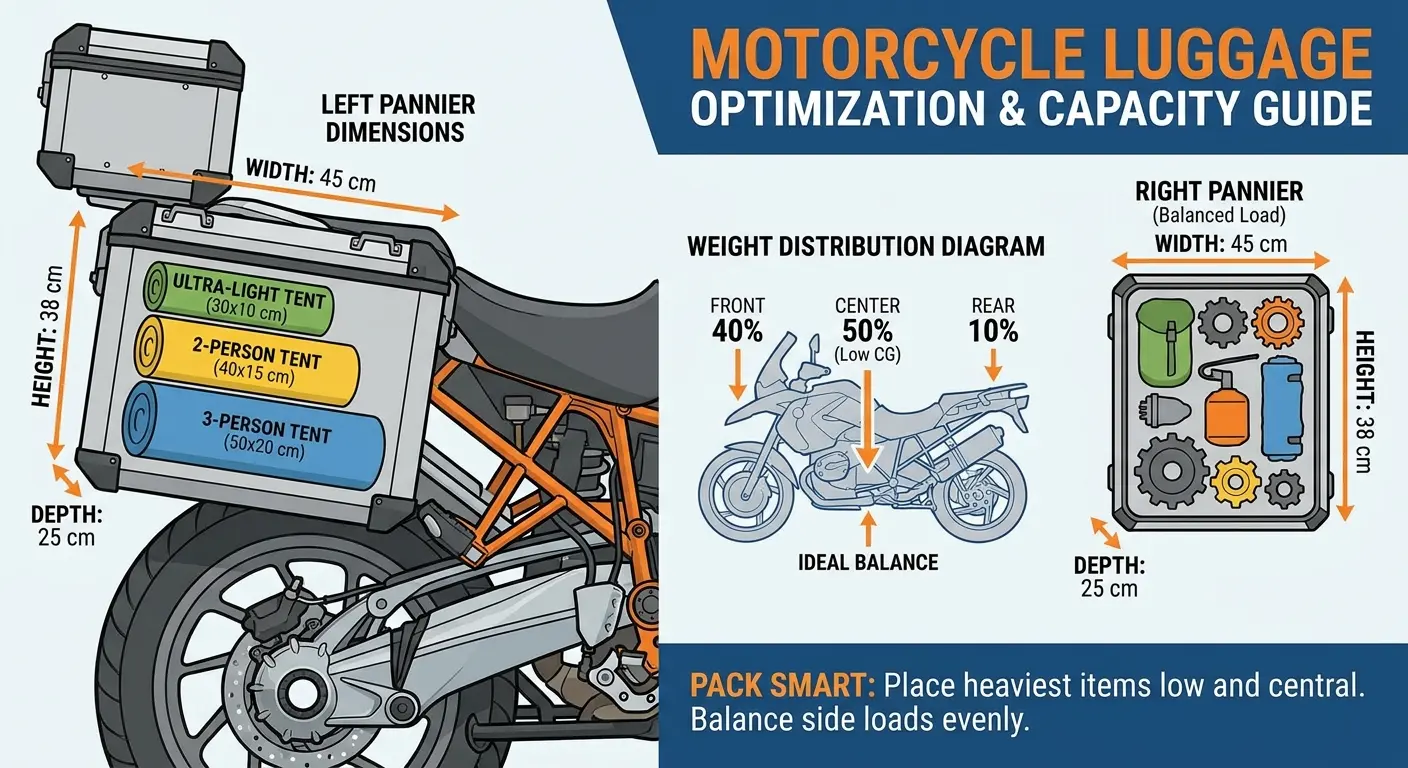
Compresses to water bottle dimensions. Fits into spaces other tents can't touch.
Here's the thing: durability sits lower than heavier options. The fabric shows wear faster. But for 3-5 day trips in predictable weather? The space savings work.
Setup requires practice. Don't learn during your first rainstorm. Run through the pitch sequence in your backyard at least three times. I'm serious. The learning curve is steep.
Full disclosure: I've destroyed two Zpacks tents. User error both times, but still. Know what you're getting into.
9. Six Moon Designs Lunar Solo
Single-person shelter. Trekking pole for support. 26 ounces.
Silnylon fabric handles moisture better than early ultralight materials that turned clammy during condensation. Progress.
33 square feet of floor space. Enough room to store gear inside instead of under a separate vestibule.
Low profile sheds wind effectively. Works in exposed campsites where taller tents struggle. I've used this across Nevada desert where wind is constant, and the pyramid shape handles gusts from any direction.
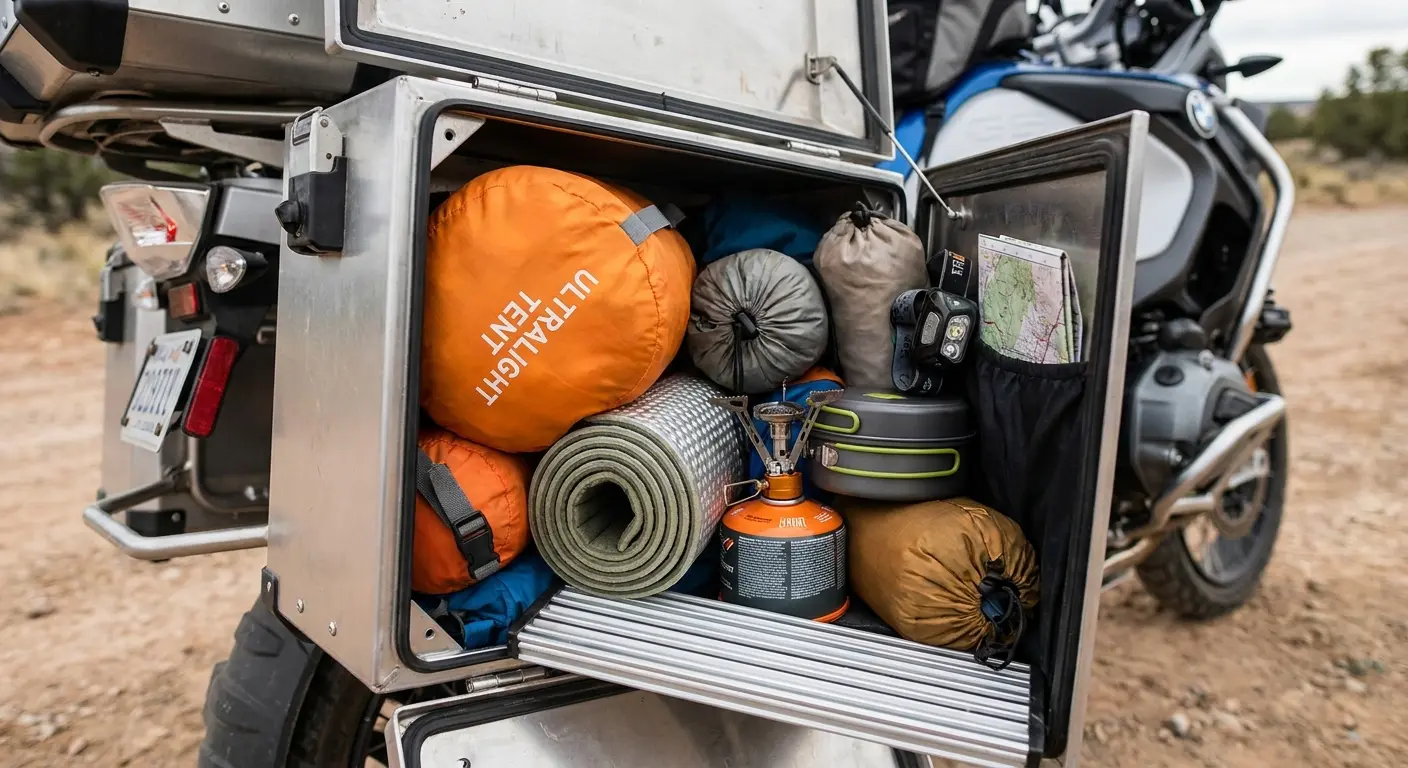
Fits in a 5-liter stuff sack. Leaves room in your luggage for gear that needs protection from compression.
10. TarpTent Double Rainbow
Semi-freestanding design uses two trekking poles at head and foot. Creates structure that doesn't collapse if a single stake pulls out. Smart.
Double-wall construction separates condensation from weather protection. Prevents the interior dampness that destroys single-wall ultralight options.
2 pounds 7 ounces with stakes and guylines included. Four inch bathtub floor provides splash protection during heavy rain.
Mesh panels cover upper canopy. Ventilation without requiring rainfly adjustments at midnight.
Dual vestibules mean you're not choosing between gear storage and easy access. Both work.
11. Gossamer Gear The Two
Single-pole pitch creates 29 square feet while packing down to 2 pounds 3 ounces.
Silnylon/polyester hybrid fabric balances water resistance with reduced stretch during wet conditions. Pure silnylon can sag significantly when saturated. This doesn't.
Vestibule fits gear without requiring a separate footprint. Compression straps actually reduce volume instead of just cinching fabric into a different shape.
Setup takes maybe four minutes once you understand the staking pattern. Learning curve is gentler than fully non-freestanding designs. Accessible for riders new to ultralight camping.
12. Hyperlite Mountain Gear UltaMid 2
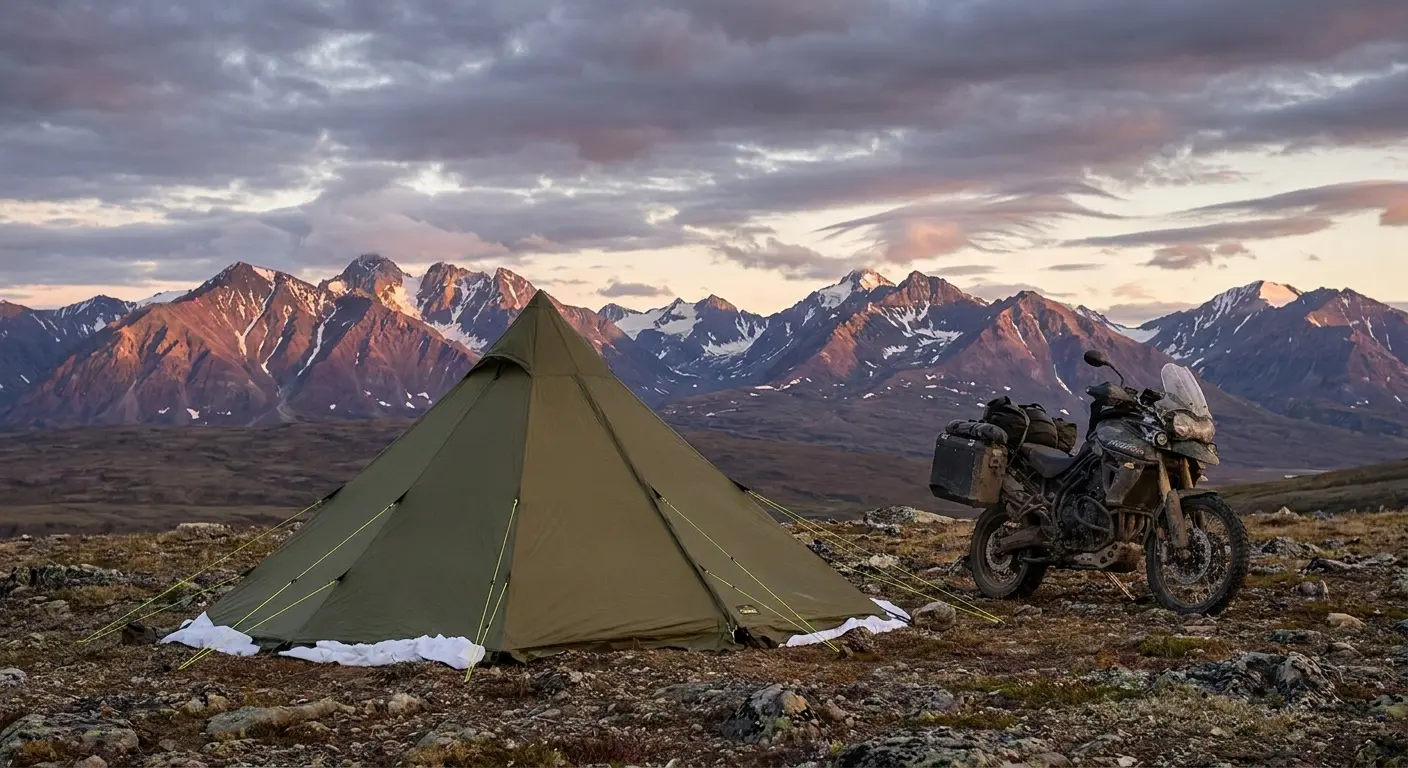
Mid-style shelter. Single trekking pole for central support. Pyramid structure handles wind from any direction equally.
Dyneema fabric weighs 20 ounces for the shelter. Requires separate inner nest for bug protection. Add 12 ounces.
Fits in a 6-liter dry bag. Compatible with minimal luggage setups.
Works well above treeline or in desert environments where traditional tent shapes catch wind. I've used this in the Alvord Desert when wind was hitting 40mph sustained. The pyramid shape doesn't care which direction wind comes from.
Condensation management requires leaving vents open. Means accepting some moisture intrusion during heavy weather. Works best in arid climates where overnight humidity stays low.
Floor space is generous enough to store panniers inside if you're camping where leaving gear outside isn't advisable. Theft happens.
13. Sea to Summit Alto TR2
Tension ridge architecture keeps fabric taut without requiring perfect stake placement. Built-in tension adjuster lets you fine-tune pitch after initial setup, compensating for ground conditions that prevent ideal staking angles.
2 pounds 14 ounces with all components. Rainfly extends over both vestibules completely. Dry storage that doesn't require leaving gear exposed to morning dew.
Color-coded pole ends and stake points cut setup errors during low-light conditions. Sounds minor. Isn't.
The tension ridge system is particularly useful when you're dealing with sandy or loose soil where traditional stakes don't hold. I've pitched this on beach sand and forest duff with equal success.
Tents for Multi-Week Expeditions
These six handle extended motorcycle trips where you're living out of the tent for weeks. I care about vestibule space (wet gear needs somewhere to dry without contaminating your sleeping area), repair-friendly construction (field fixes need to work with basic tools), and durability that accounts for repeated setup/breakdown cycles.
Each tent here costs more upfront but cuts the likelihood of mid-trip failures that force route changes or early returns. For trans-continental routes, multi-week backcountry access, or any trip where the nearest gear shop is days away.
14. Hilleberg Nallo 2 GT
Kerlon 1200 fabric withstands abrasion that would shred lighter tents within days. The extended vestibule (GT designation) gives you 13 square feet of covered space. Cook, work on gear, store wet items without crowding the sleeping area.
Pole sleeves use continuous design with reinforced stress points. Handles thousands of setup cycles. The stuff sack includes integrated compression straps and reinforced bottom that won't blow out when you're stuffing a wet tent during rushed morning breakdown.
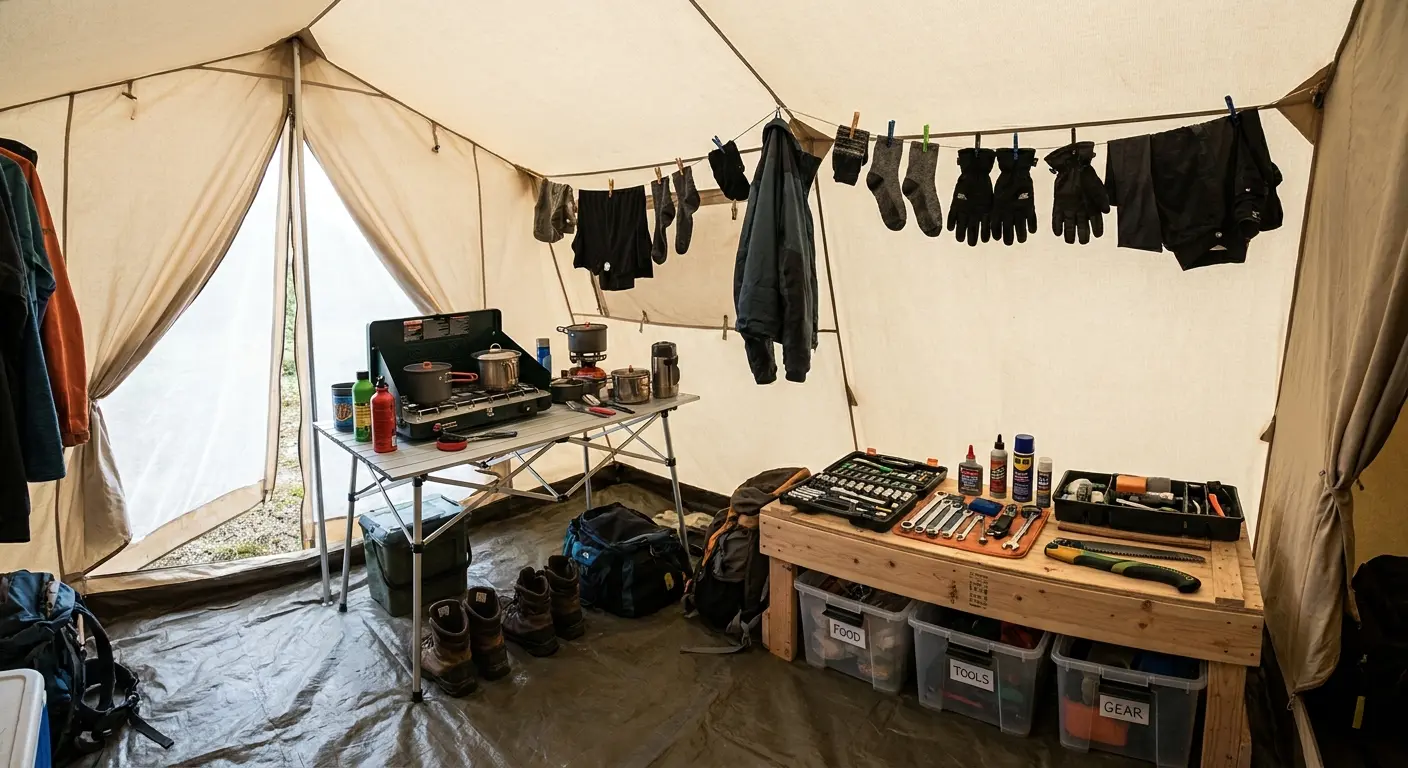
$700. Yeah, I know. But it'll outlast three cheaper alternatives.
I know riders who've put 200+ nights on these without significant wear beyond normal UV degradation. Repair kit comes standard: pole splints, fabric patches, spare cord sections.
My buddy swears by Hilleberg. I think they're overpriced. We're both right.
15. Fjällräven Abisko Dome 2
Designed for Scandinavian conditions where weather changes hourly and gear needs to function in sustained moisture.
Dual-entry design lets you access from either side. Useful when you're parked next to the tent and don't want to walk around to a single door.
Ventilation runs through adjustable panels you can modify without leaving the tent. Critical during night storms when you need to balance airflow against rain intrusion.
Packs larger than ultralight options (7x20 inches), but the construction handles being strapped to a bike through rough roads without developing stress tears.
Modified geodesic pole design distributes stress across multiple connection points instead of concentrating load at hubs. I've watched this handle 40mph sustained winds outside Reykjavik without requiring mid-storm adjustments.
16. Vaude Power Lizard SUL 2P
Hybrid pole structure combines aluminum with a single carbon section. Cuts weight without creating fragility at connection points.
Rainfly includes reflective guyline attachment points that show up in headlamp beams. Prevents the 2 AM trip-and-fall scenario when you're leaving the tent for a bathroom break. Voice of experience here.
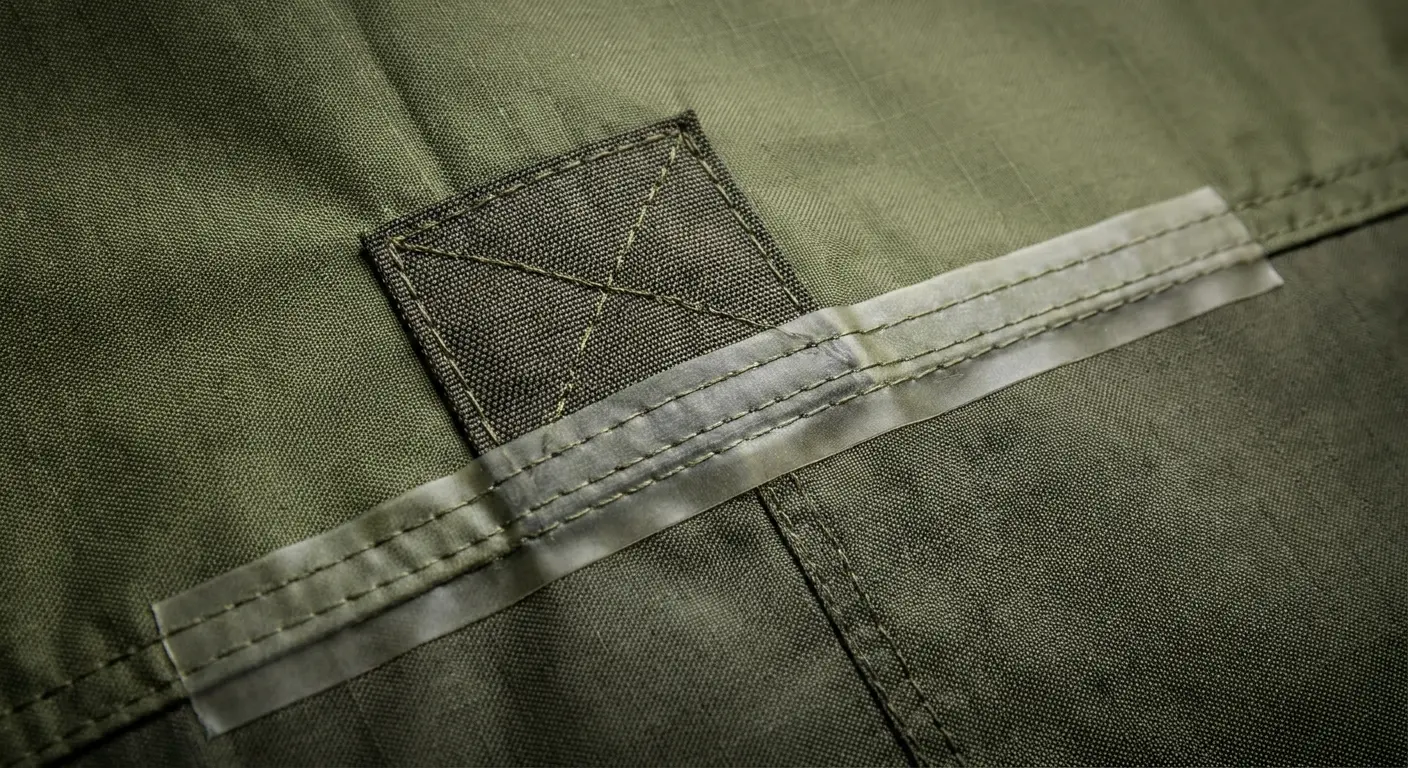
75D floor fabric in high-wear zones, 40D elsewhere. Balances durability with overall weight.
Stuff sack opens flat to function as a changing mat. Keeps clean clothes off wet ground during morning routines. Small detail, big difference.
Seam tape uses heat-bonded application that won't peel after UV exposure. Matters in high-altitude environments where UV intensity accelerates material degradation. The vestibule design includes reinforced panel where you're most likely to brush against fabric with dirty boots.
17. Robens Voyager 2EX
Tunnel design maximizes interior volume while maintaining low profile for wind resistance. Extended vestibule provides workspace for maintenance tasks. Chain cleaning, luggage reorganization, meal prep under cover.
Pole construction uses spring-loaded mechanism that prevents sections from separating during setup. Eliminates the frustration of trying to connect pole segments in wind or rain.
Fits vertically in most panniers. Flexibility in load distribution across the bike.
Mesh storage pockets run along both walls. Keeps small items organized without requiring separate stuff sacks.
The tunnel shape requires staking at both ends to maintain structure. Less suitable for rocky terrain where stake placement is limited. Know the tradeoff.
18. Nordisk Telemark 2 LW
Technical cotton blend (Polycotton) handles condensation better than synthetic fabrics. Allows moisture vapor to pass through while blocking liquid water.
Matters during multi-week trips where you're dealing with temperature swings that create condensation in synthetic tents regardless of ventilation settings.
Adds weight. Packed weight hits 7 pounds. But the breathability means you're not waking up to damp gear every morning.
Traditional A-frame pole design refined over decades. Reliability over innovation.
Will last 10+ years of regular use if maintained properly. I've used this across Scandinavia during shoulder seasons where overnight temps drop into the 30s and daytime temps climb into the 60s. The fabric handles those swings without the condensation issues that destroy single-wall synthetic shelters.
19. Wechsel Tents Pathfinder
Designed specifically for motorcycle touring. Attachment points let you guy out to the bike itself when ground conditions prevent staking.
Rainfly includes reinforced panel where exhaust heat might contact fabric if you're parking close. Bike-specific thinking.
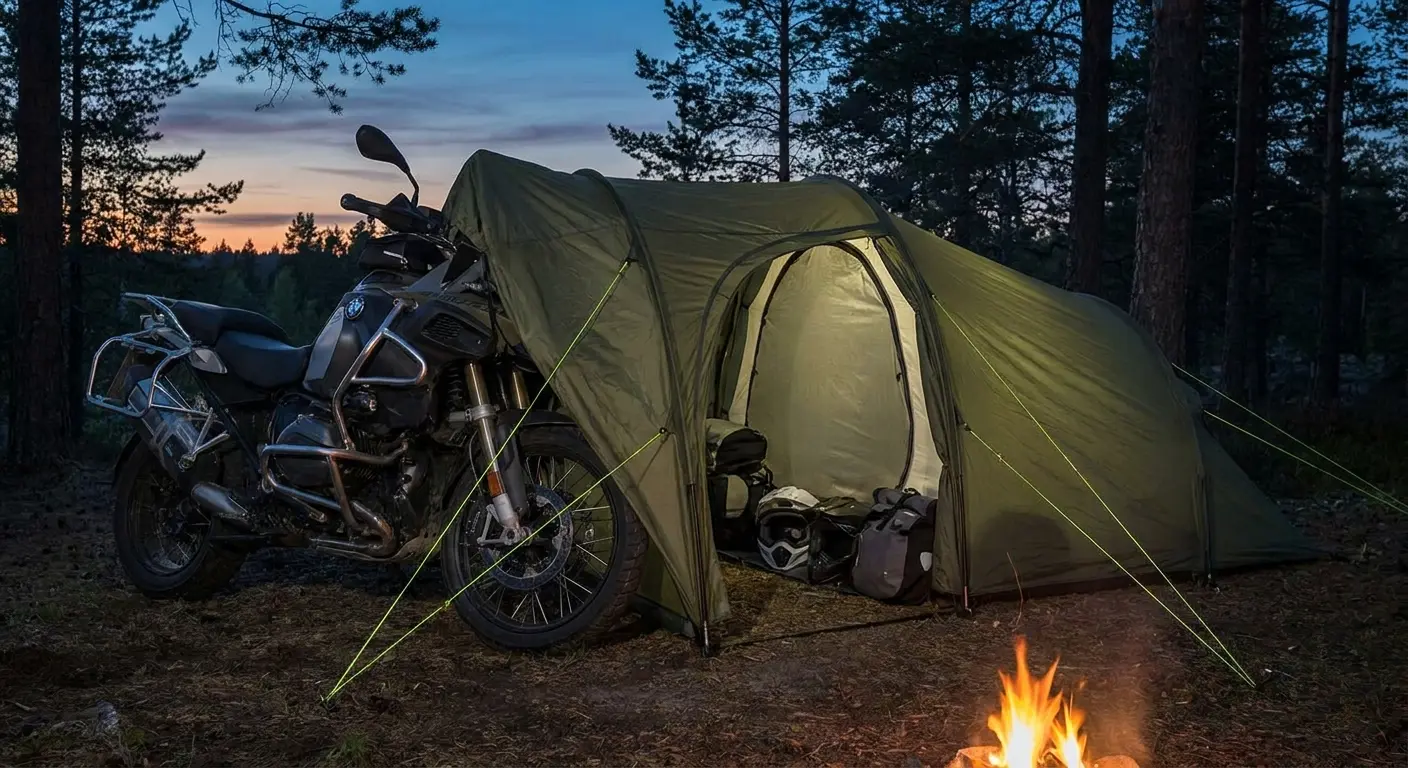
Vestibule fits helmet, boots, jacket, and tank bag without requiring Tetris-level organization skills.
Compression system cuts volume by 30% compared to standard stuffing. Viable for riders with limited luggage capacity.
High-visibility orange option is easier to spot when you're returning to camp after a day ride. Sounds dumb until you're searching for your campsite in a crowded campground at dusk.
If I'm being honest, this is the best purpose-built tent for touring riders. The attachment system that connects to your motorcycle creates additional stability in exposed sites where traditional staking struggles.
Real talk: your phone is probably your GPS, your camera, and your "where the hell am I" backup plan. I use Rokform's motorcycle phone mounts because they don't vibrate loose and work with gloves. Their rugged phone cases are overbuilt in a good way. Yeah, this is basically an ad, but I actually use their stuff. When you're picking tents for motorcycle camping, think about how your navigation setup integrates with your overall gear strategy.
Final Thoughts
I've been camping off motorcycles for 15 years. Here's what I actually think:
Most of you should buy the MSR Hubba Hubba or Big Agnes Copper Spur and stop overthinking it. They work, they last, they're not stupid expensive.
If you're doing serious expedition stuff, spend the money on a Hilleberg. If you're counting grams obsessively, get the Zpacks but know what you're giving up. It's fragile, fussy, and not worth it unless weight is your only concern.
Weekend trips on established routes with bailout options nearby? Pack size and weight matter. Heading into remote areas where the nearest services are days away? Invest in durability and vestibule space. Weather patterns in your riding zones unpredictable? Storm resistance beats weight savings every time.
The tents that fail do so predictably: inadequate waterproofing, pole structures that can't handle wind, fabrics that puncture under normal use, designs that create condensation during temperature swings. Every tent on this list addresses those failure points while making different tradeoffs around weight, pack size, and price.
Match the tent's strengths to your riding conditions. Not to idealized scenarios that exist mostly in marketing copy.
I've seen too many riders buy based on best-case weather assumptions, then spend miserable nights in failed shelters when reality doesn't cooperate.
Side note: set your tent up at home before your trip. The number of people I've watched struggle with new tents in the dark is embarrassing. Don't be that person.
Quick rant while I'm here: why do tent stuff sacks never fit the tent after the first use? Drives me insane. And the stakes that come with tents are universally garbage. Buy aftermarket.
One more thing. Bring extra stakes. Just do it.
Your tent is your backup plan when the sun goes down and weather moves in. Choose accordingly.
Ride safe. Stay dry.

