


Table of Contents
Why Seat Height Numbers Lie to Tall Riders
-
Built for Distance: Adventure-Sport Hybrids That Handle Real Miles
BMW S 1000 XR
Ducati Multistrada V4 S
Kawasaki Versys 1000 SE LT+
Yamaha Tracer 9 GT
Triumph Tiger Sport 660
-
Naked Power: Upright Aggression Without the Crouch
KTM 1290 Super Duke R
Ducati Streetfighter V4
Triumph Speed Triple 1200 RS
Kawasaki Z900
Yamaha MT-10
-
Pure Sport: Full Fairings That Don't Fold You in Half
BMW S 1000 RR
Kawasaki ZX-14R
Suzuki GSX-R1000
Honda CBR1000RR-R Fireblade SP
Yamaha YZF-R1
-
Retro Sport: Classic Lines With Modern Ergonomics
Kawasaki Z900RS
Yamaha XSR900
Triumph Thruxton RS
BMW R nineT Racer
How Rokform Solves the Phone Mount Problem Tall Riders Face
Final Thoughts
TL;DR
Quick version: Seat height is BS. The real measurements that matter are handlebar reach, tank width at the knees, and peg placement. Adventure-sport hybrids are secretly amazing (and way more comfortable than they look). Naked bikes give you all the power without destroying your spine. Supersports will still hurt you, but some hurt less than others. Retro bikes hide surprisingly good ergonomics under classic styling. And yeah, phone mounts matter more than you'd think when you can't look down without taking your eyes completely off the road.
Why Seat Height Numbers Lie to Tall Riders
I'm 6'4" and I've been riding sportbikes for 15 years. Know what every review focuses on? Seat height. Know what's completely useless when you're tall? Seat height. I ranked the best motorcycles for tall riders across every category.
A 32-inch seat sounds perfect until the handlebars are mounted somewhere near the front wheel and your knees are jammed into your chest like you're trying to hide in a locker. Or the tank flares out at exactly knee level, forcing your legs into this weird bow-legged stance that makes you look like you just got off a horse. Or the pegs sit so high and rear-set that your femurs compress into your hip joints after 45 minutes and you start calculating how far it is to the next gas station where you can stretch.
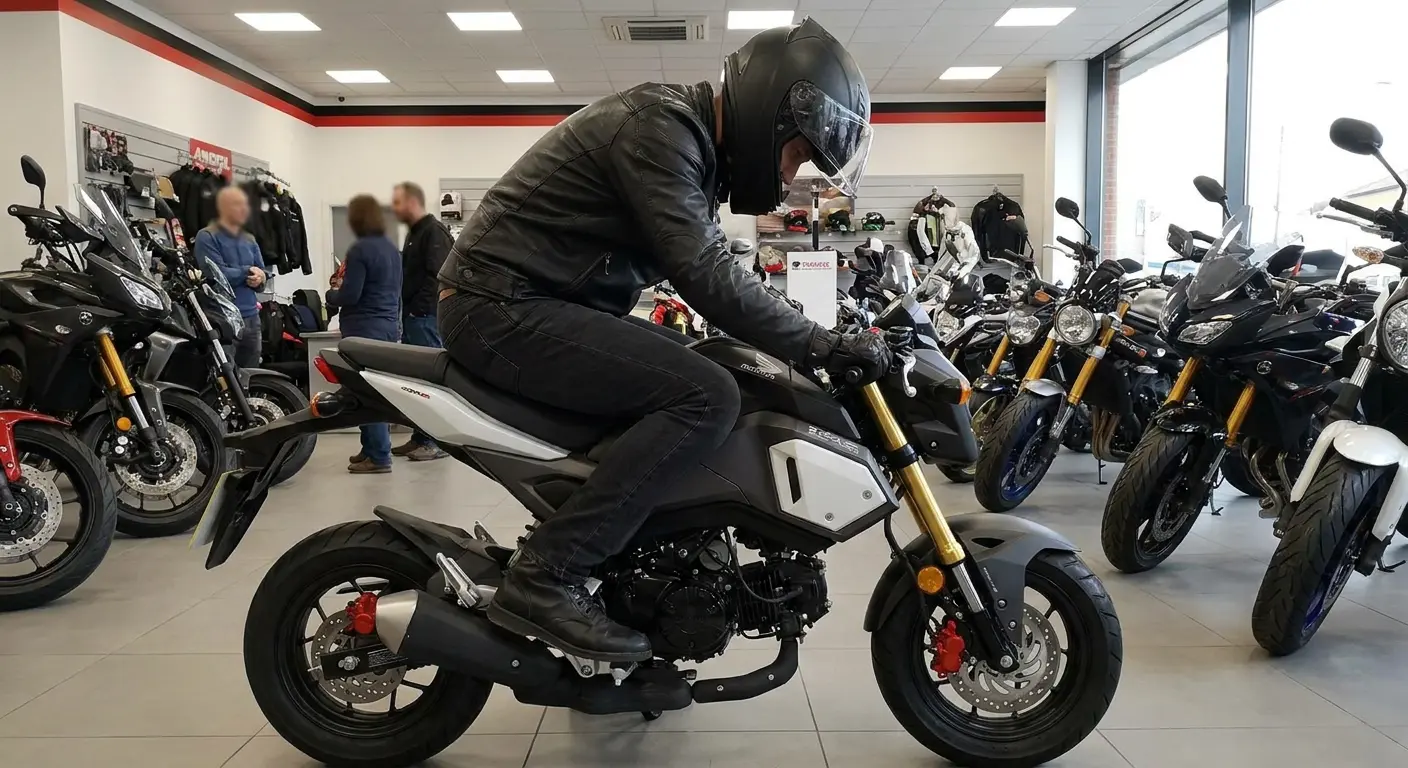
I once rode a GSX-R1000 from LA to San Francisco. My chiropractor sent his kids to college on that mistake.
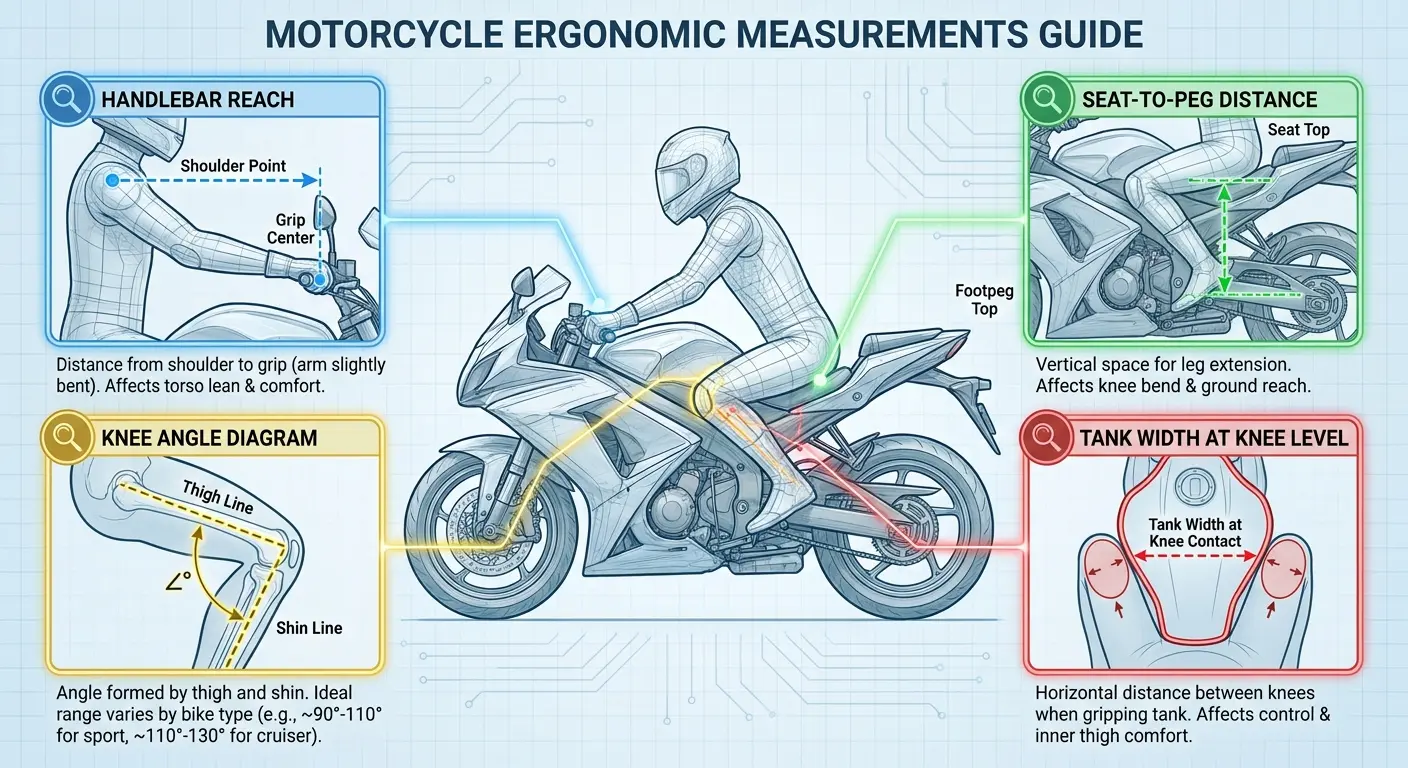
The measurements that actually matter when you're tall: handlebar-to-seat distance (way more important than raw seat height), tank width at the knee junction (affects your ability to grip without feeling bow-legged), and peg position (dictates whether your knees bend at 90 degrees or 70 degrees, which is the difference between sustainable and torture).
The bikes I've picked here account for the full ergonomic picture. Some come with adjustability built in through riser kits and peg relocations. Others got the geometry right from the factory. A few need minor modifications but reward you with world-class performance once you dial them in.
When ergonomics work with your body instead of against it, you stop counting down the minutes until your next rest stop. You actually enjoy the ride. That's what separates a great experience from a miserable one, and that's what we're after here.
Built for Distance: Adventure-Sport Hybrids That Handle Real Miles
Adventure bikes got a bad rap for looking like robot insects, but these sport-tourers? Different story. They blend aggressive performance with ergonomics designed for actual long rides, not just theoretical ones. You get adjustable windscreens, multiple riding modes, and spacious cockpits without sacrificing the power and handling that make sportbikes worth riding in the first place.
Model |
Horsepower |
Seat Height |
Weight (wet) |
Starting Price |
Best For |
|---|---|---|---|---|---|
BMW S 1000 XR |
165 hp |
32.3-33.1" |
504 lbs |
$17,295 |
Electronic sophistication and adjustability |
Ducati Multistrada V4 S |
170 hp |
33.3-35.2" |
487 lbs |
$28,395 |
Premium features and radar technology |
Kawasaki Versys 1000 SE LT+ |
120 hp |
33.1" |
570 lbs |
$15,399 |
Value and all-day comfort |
Yamaha Tracer 9 GT |
117 hp |
33.3" |
463 lbs |
$14,299 |
Triple character and cruise control |
Triumph Tiger Sport 660 |
81 hp |
32.8" |
463 lbs |
$10,195 |
Entry-level sport-touring |
1. BMW S 1000 XR
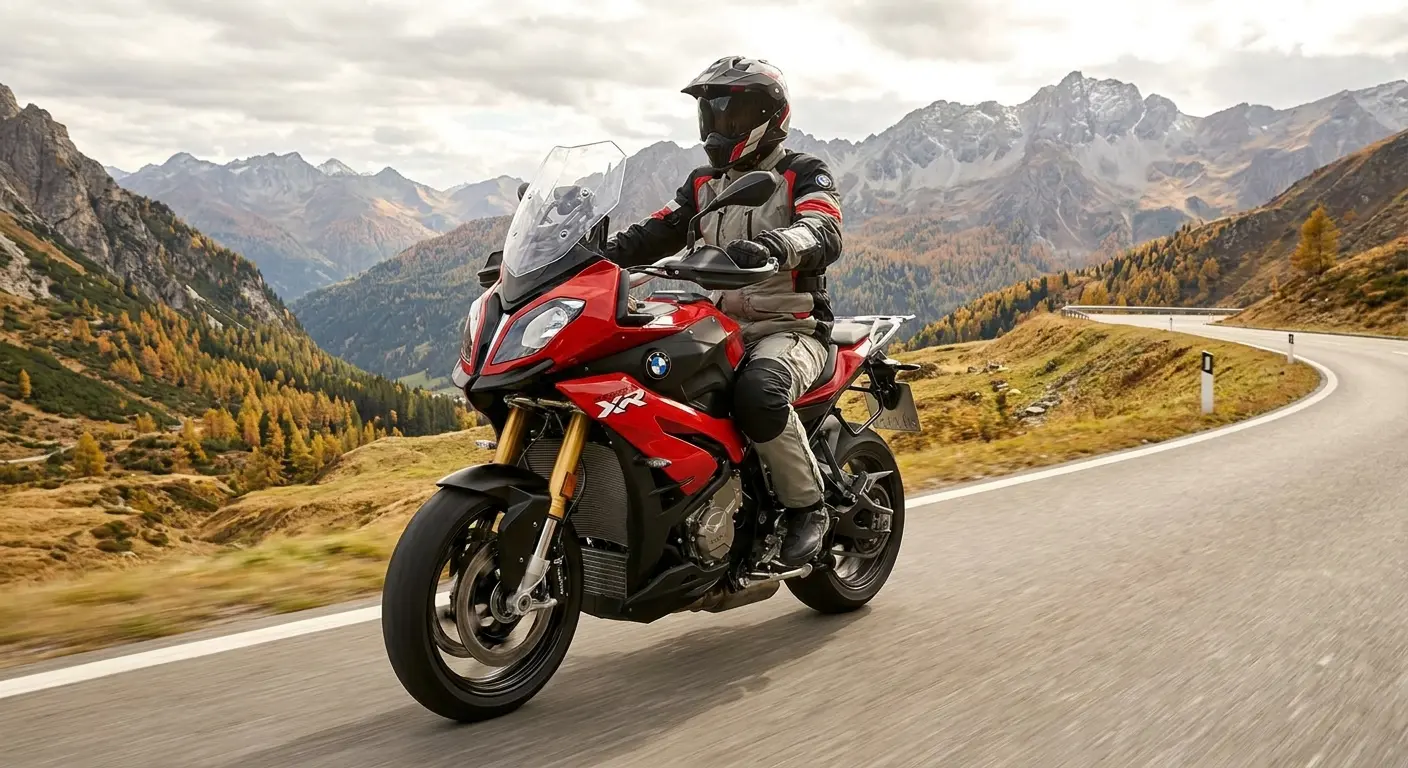
BMW took their superbike engine and wrapped it in a package that doesn't require yoga flexibility. The S 1000 XR is one of those rare bikes that gives you 165 hp without forcing your spine into a question mark.
Seat height adjusts between 32.3 and 33.1 inches, but the real win is the handlebar reach. You're not leaning forward to grab them. They're just there, right where your hands naturally fall. The tank narrows at the knee, so you can actually grip with your legs without feeling like you're straddling a barrel. Footpegs mount slightly forward compared to pure sportbikes, opening up that crucial knee angle that determines whether you finish a ride grinning or grimacing.
Dynamic ESA (electronic suspension) lets you fine-tune compression and rebound on the fly. I've spent hours messing with these settings on mountain roads, and yeah, it makes a real difference. Wind protection from the adjustable screen works well up to 80 mph before buffeting starts, which is better than most bikes in this category. The 165 hp inline-four pulls hard from 4,000 rpm through redline, giving you legitimate sportbike performance without the cramped cockpit.
This is the bike I recommend most often to tall riders who want one machine that does everything well.
2. Ducati Multistrada V4 S
The Multistrada V4 is the best motorcycle ever made for tall riders. Period. I don't care what you ride.
Ducati's V4 makes 170 hp and sounds like it belongs on a MotoGP grid. Four ride height settings (from 33.3 to 35.2 inches) mean you can adjust for inseam length and riding style, which matters more than you'd think. The handlebars sweep back with generous width, putting your wrists in a neutral position even during aggressive cornering. Tank width stays reasonable throughout, and the seat shape actually supports your sit bones instead of creating pressure points. Footpegs position slightly lower and further forward than the S 1000 XR, which works better if you're north of 6'4".
Radar-guided adaptive cruise control and blind spot monitoring add genuine value on long rides. The electronic suspension adjusts automatically based on riding mode, load, and road conditions. You get superbike handling with ergonomics that won't wreck your back after a full day.
Yeah, it's expensive. Really expensive. But if you can swing it, this is the one.
3. Kawasaki Versys 1000 SE LT+
The Versys 1000 SE LT+ won't win any beauty contests. It's ugly as sin, actually. But who cares when your back doesn't hurt?
The 33.1-inch seat height pairs with wide, tall handlebars that put zero strain on your lower back. I've done 400-mile days on this bike and gotten off feeling better than I started, which is something I can't say about most sportbikes. The inline-four makes 120 hp (detuned from the Ninja 1000's output) with a focus on midrange torque. You're not getting superbike acceleration, but you're getting smooth, predictable power that works perfectly for covering distance.
The seat is genuinely comfortable for hours, not just "sportbike comfortable" (which usually means tolerable for 45 minutes). Footpegs mount in a neutral position that splits the difference between sport and touring. Electronic suspension comes standard on the SE LT+ trim. The windscreen adjusts without tools, and panniers are included, which matters when you're using this bike for its intended purpose.
Price undercuts the BMW and Ducati by $5,000 to $7,000 while delivering 90% of the ergonomic benefit. If you're looking for value and don't care about impressing anyone at bike night, this is your bike.
4. Yamaha Tracer 9 GT
Yamaha built the Tracer 9 GT around their crossplane triple, which makes power with a character that sits somewhere between an inline-four and a V-twin. The 33.3-inch seat height combines with wide bars and a relaxed reach to create a cockpit that works well for riders between 6'1" and 6'5".
The GT trim adds cruise control (rare in this category and genuinely useful), heated grips, and a 6.3-inch TFT display that's actually readable in direct sunlight. Electronic suspension adjusts for preload, compression, and rebound. The quick-shifter works smoothly both up and down through the gears, though it's not quite as seamless as the Ducati's.
Tank width stays narrow enough that you can squeeze with your knees during hard braking. The seat tapers toward the front, giving you room to move forward when you want a more aggressive position. Wind protection is adequate but not exceptional. You'll feel buffeting above 75 mph. The 117 hp triple pulls strong from 3,000 rpm through 10,000 rpm, making it more exciting than the Versys but less intense than the Ducati.
The crossplane triple's sound is addictive. It's like a V-twin having an identity crisis, in the best way.
5. Triumph Tiger Sport 660
Triumph's Tiger Sport 660 targets riders who want sport-touring ergonomics without the intimidation factor of 150+ hp. The 32.8-inch seat height is the lowest in this category, but the upright seating position and generous handlebar reach still accommodate tall riders well.
The 81 hp inline-triple won't pin your ears back, but it makes smooth, linear power that builds confidence. Footpegs mount in a neutral position that opens up knee angle without feeling awkward during spirited riding.
The seat is wide and supportive, though it could use more padding for all-day comfort. Electronics are basic (two riding modes, traction control, ABS) but functional. The windscreen adjusts through a decent range. Weight sits at 463 pounds wet, making it the lightest bike in this category and noticeably easier to maneuver at parking lot speeds.
Price starts around $10,000, making it accessible for riders who don't need superbike performance. It's the entry point into this category, and it's a good one.
Naked Power: Upright Aggression Without the Crouch
Naked bikes are having a moment. No fairings, upright bars, and enough power to scare yourself. These machines balance aggressive riding dynamics with comfort by removing fairings and raising handlebars. They maintain the power and handling that make sportbikes thrilling on back roads and track days, but you can actually ride them for more than an hour without your wrists staging a protest.
Model |
Horsepower |
Seat Height |
Weight (wet) |
Knee Angle |
Handlebar Position |
|---|---|---|---|---|---|
KTM 1290 Super Duke R |
180 hp |
32.7" |
430 lbs (dry) |
Moderate rear-set |
Wide, swept back |
Ducati Streetfighter V4 |
208 hp |
32.5" |
392 lbs (dry) |
Aggressive rear-set |
Wide, high |
Triumph Speed Triple 1200 RS |
180 hp |
32.9" |
440 lbs |
Moderate rear-set |
Relaxed reach |
Kawasaki Z900 |
125 hp |
31.5" |
463 lbs |
Neutral |
Upright, generous |
Yamaha MT-10 |
160 hp |
32.5" |
463 lbs |
Slightly rear-set |
Wide, swept back |
6. KTM 1290 Super Duke R
180 horsepower. V-twin. And somehow KTM made it work for tall guys.
KTM calls the 1290 Super Duke R "The Beast," and that's not marketing hyperbole. The V-twin hits hard from 3,000 rpm through redline. The 32.7-inch seat height seems low on paper, but the wide bars and narrow tank create a cockpit that accommodates tall riders surprisingly well.
Handlebars sweep back with significant width, putting your shoulders in a natural position even when you're hard on the brakes into a corner. The tank narrows dramatically at the knee junction, giving you room to move around without feeling cramped. Footpegs mount in a slightly rear-set position (this is still a performance bike), but the knee angle stays reasonable for riders up to 6'4".
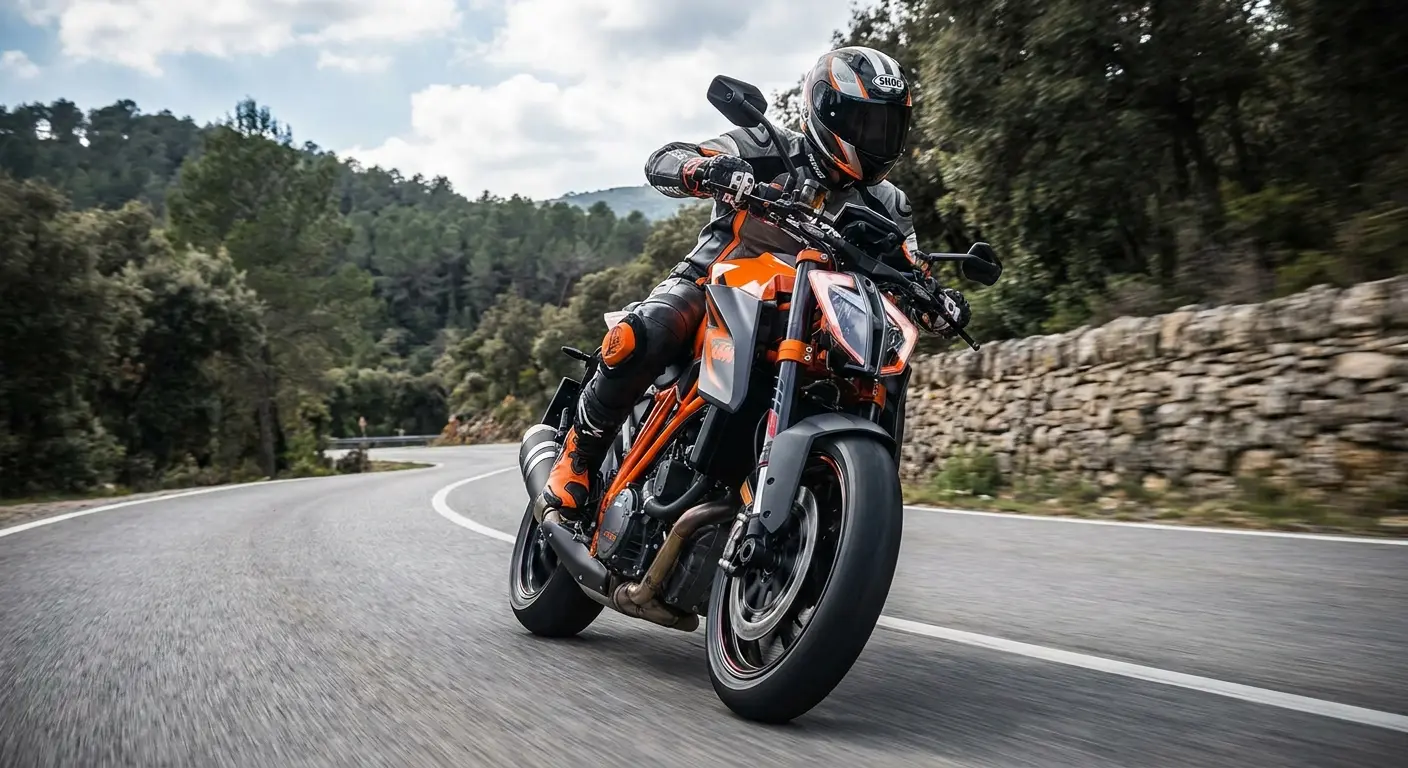
The seat is firm and narrow, which works for aggressive riding but gets uncomfortable after 90 minutes. Electronics are comprehensive (nine riding modes, cornering ABS, traction control with lean angle sensitivity). Weight sits at 430 pounds dry, making it feel nimble despite the massive power output.
Wind blast becomes significant above 70 mph since there's zero wind protection. Your chest becomes a sail. Plan accordingly.
7. Ducati Streetfighter V4
208 horses. Absolutely mental.
Ducati pulled the fairings off their Panigale V4 superbike and created something more usable for tall riders without sacrificing the V4 or world-class electronics package. The 32.5-inch seat height pairs with wide, high bars that transform the riding position.
You're still leaning forward (this makes 208 hp, after all), but the reach to the bars is manageable for riders with long arms and torsos. Tank width is substantial, which can feel awkward if you have particularly long femurs. I'm 6'4" and it works for me, but if you're 6'6" with long legs, test ride this one carefully.
Footpegs mount in an aggressive rear-set position that creates a sharper knee angle than the KTM. The V4 makes power differently than inline-fours, with more low-end torque and a broader powerband. Electronics include six riding modes, cornering ABS, traction control, wheelie control, and engine brake control (all adjustable independently). The quick-shifter is flawless. Weight sits at 392 pounds dry, making it the lightest bike in this power category.
Wind protection is nonexistent, and the heat from the V4 in traffic will cook your legs. Thought you should know.
8. Triumph Speed Triple 1200 RS
Triumph's Speed Triple 1200 RS makes 180 hp from an inline-triple that revs smoothly to 11,000 rpm. The 32.9-inch seat height combines with wide bars and a relatively relaxed reach to create ergonomics that work well for extended rides.
The tank is narrower than the Ducati's, giving you more room to grip with your knees. Footpegs mount in a moderate rear-set position that maintains sportbike control without crushing your knees into your chest. The seat is reasonably comfortable and offers enough room to shift your weight during aggressive cornering.
Electronics include five riding modes, cornering ABS and traction control, and a quick-shifter that works both directions. Öhlins suspension (NIX30 fork, TTX36 shock) is fully adjustable and provides excellent feedback. Weight comes in at 440 pounds wet. Wind protection is minimal but slightly better than the KTM or Ducati thanks to a small flyscreen. The triple's character sits between the V-twin's punch and the inline-four's smoothness.
Every Speed Triple owner I've met has the same shit-eating grin when they talk about their bike. That tells you something.
9. Kawasaki Z900
The Z900 is the bike I recommend to everyone who asks. Not because it's the fastest or the coolest, but because it just works.
Kawasaki's Z900 puts out 125 hp from a refined inline-four that pulls smoothly from 4,000 rpm through redline. The 31.5-inch seat height is the lowest in this category, but the upright riding position and generous handlebar reach still accommodate tall riders effectively.
Handlebars sweep back with good width, putting minimal strain on your wrists and shoulders. The tank is narrow throughout, giving you plenty of room to move forward or back depending on riding style.
Footpegs mount in a neutral position that opens up knee angle more than the KTM, Ducati, or Triumph. The seat is comfortable enough for 90-minute rides but lacks the padding for all-day touring. Electronics are basic (two riding modes, traction control, ABS) but reliable. Weight sits at 463 pounds wet, making it easy to maneuver in parking lots and city traffic.
The inline-four's power delivery is predictable and confidence-inspiring, making it ideal for riders who want performance without intimidation. Price starts around $9,000, undercutting the premium nakeds by $7,000 to $12,000 while delivering solid performance and ergonomics that genuinely work for tall riders.
10. Yamaha MT-10
Yamaha's MT-10 wraps the R1's crossplane inline-four in a naked package with aggressive styling and 160 hp. The 32.5-inch seat height pairs with wide bars that sweep back generously, creating a riding position that's upright without feeling lazy.
The crossplane crank gives the inline-four a character that mimics a V-twin's torque delivery while maintaining high-rpm smoothness. It's weird and wonderful. Tank width is moderate, allowing decent knee grip without forcing your legs into an awkward position. Footpegs mount slightly rear-set but not as aggressively as the Ducati.
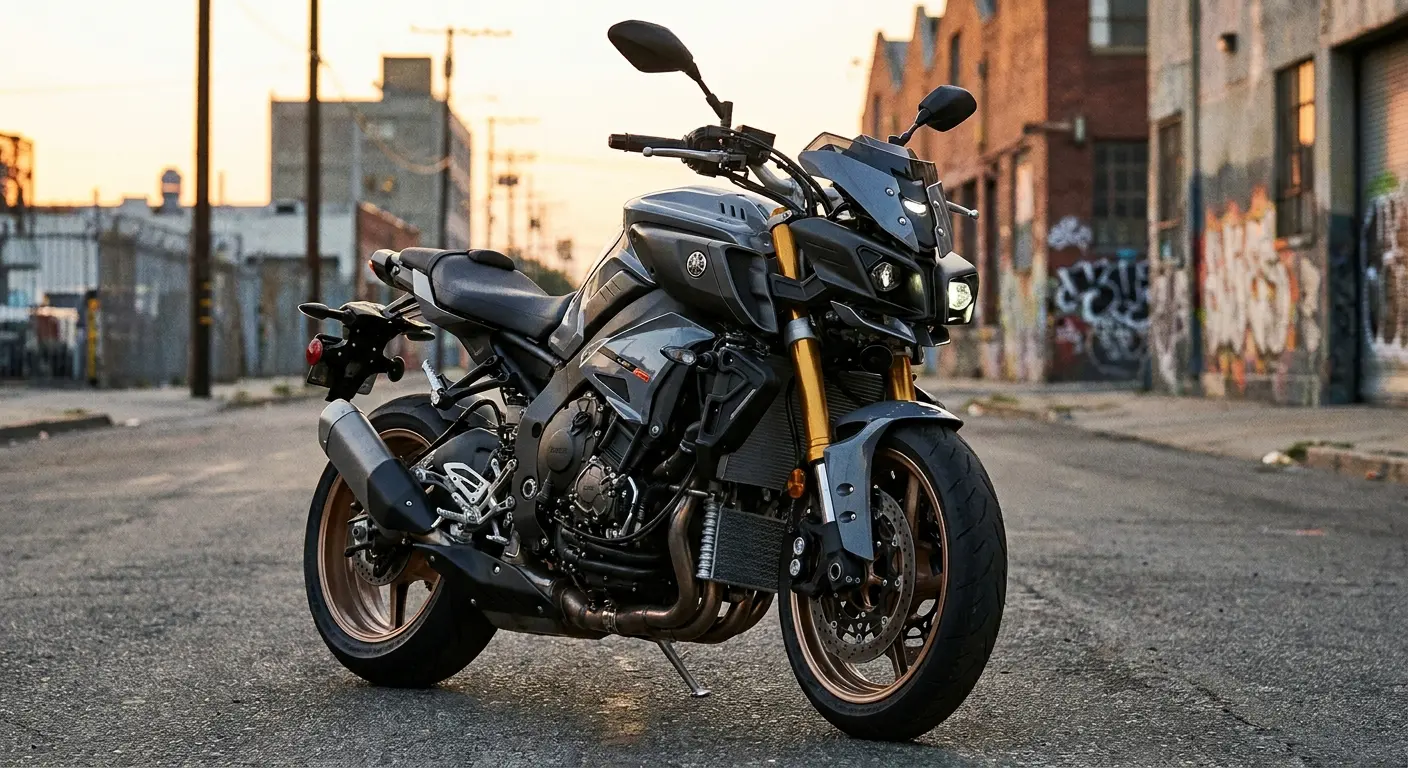
Electronics include four riding modes, traction control, slide control, wheelie control, and a quick-shifter. The TFT display is clear and well-organized. Suspension is fully adjustable but not as sophisticated as the Öhlins units on the Triumph. Weight sits at 463 pounds wet.
The seat is firm and gets uncomfortable after an hour, which is common in this performance-focused category. Wind blast is significant above 65 mph. Your chest becomes the primary wind deflector.
Pure Sport: Full Fairings That Don't Fold You in Half
I'll level with you: supersports still suck for tall riders. But if you're determined to fold yourself into origami for that full fairing aesthetic and track-focused performance, these are your best options. Traditional supersport bikes have evolved to offer slightly roomier ergonomics than previous generations, though "roomier" is relative when we're talking about race replicas with lights.
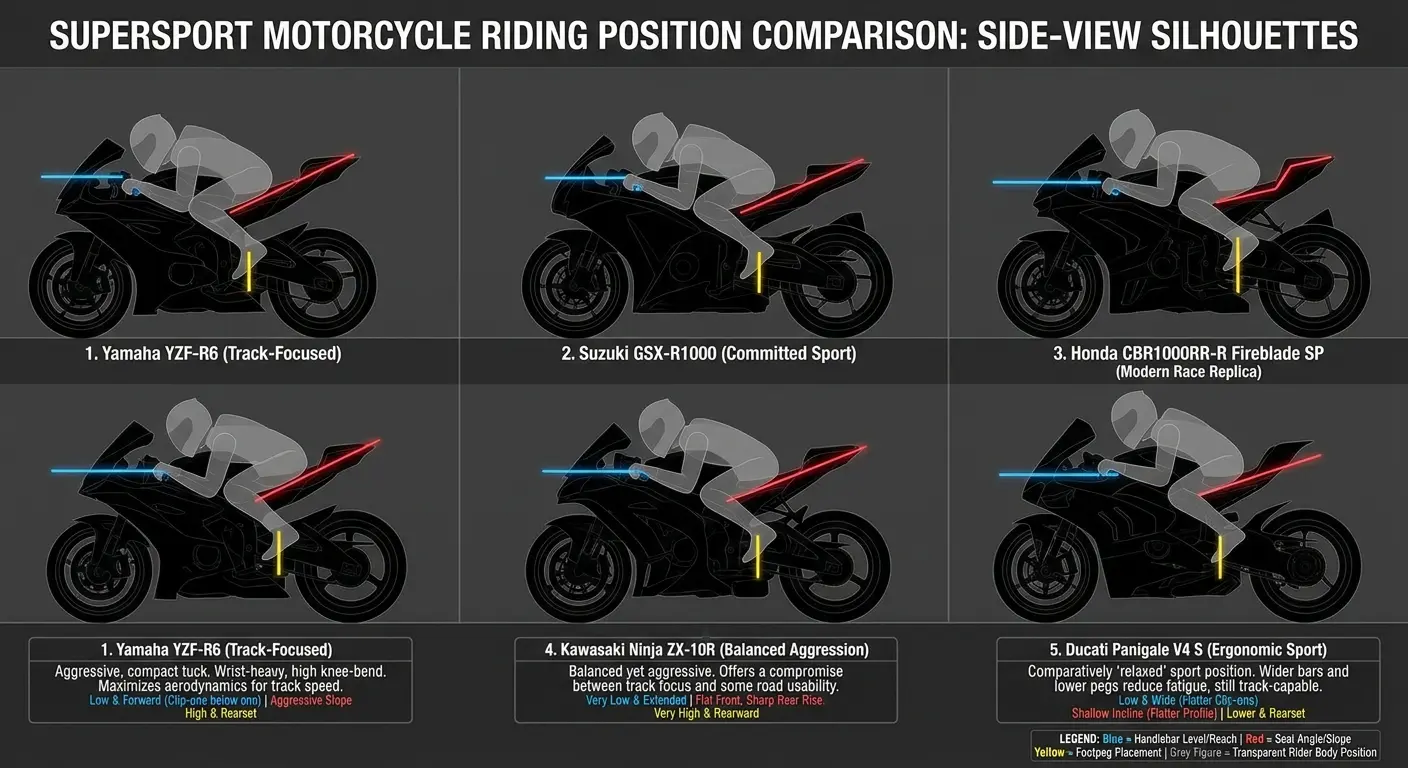
Expect more aggressive riding positions than previous categories. These represent the best options in the supersport segment for tall riders, which is kind of like being the tallest building in a low-rise neighborhood.
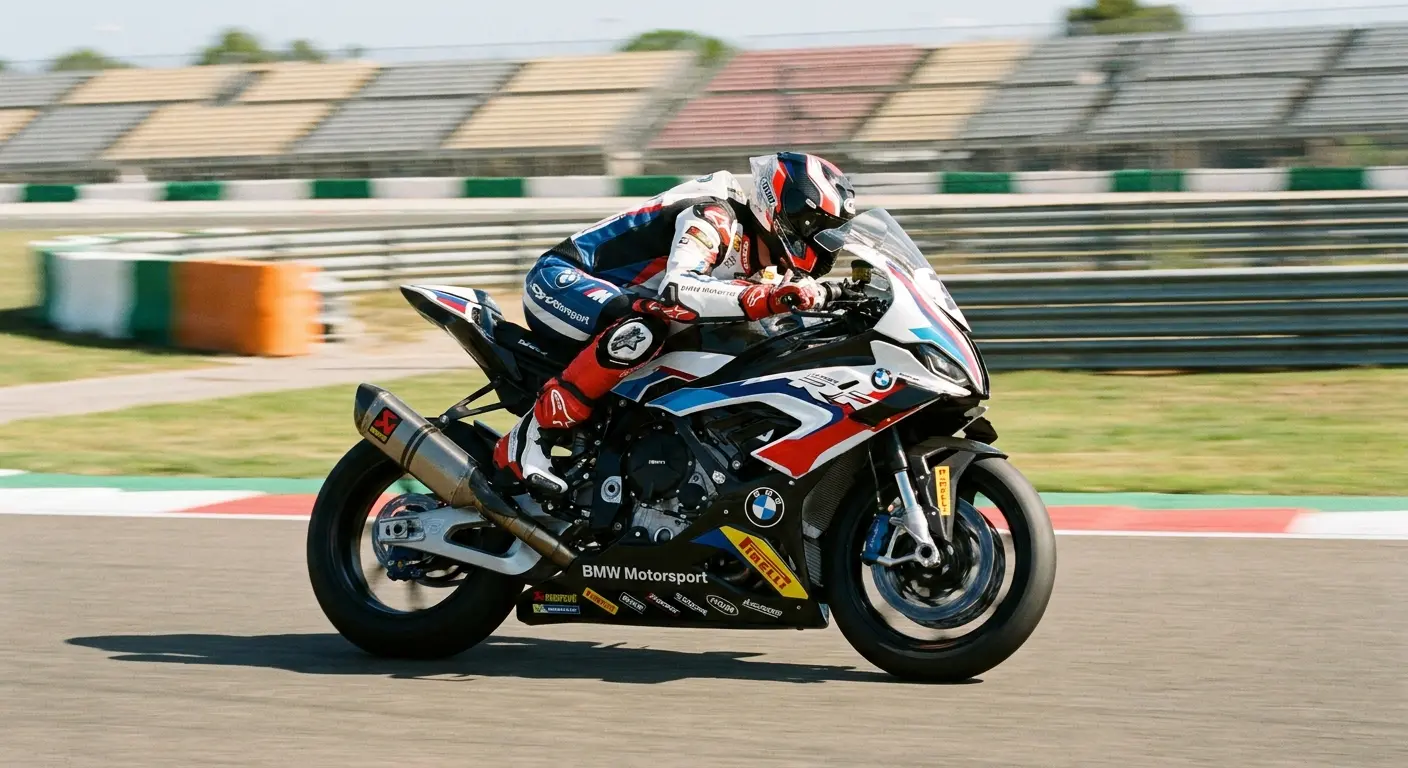
11. BMW S 1000 RR
BMW's S 1000 RR puts out 205 hp and weighs 434 pounds wet, putting it squarely in superbike territory. The 32.9-inch seat height is the tallest in this category, and the handlebars mount slightly higher and closer than Japanese competitors.
You're still in a full racing crouch, but the reach to the bars is manageable if you have long arms. The tank narrows at the knee, and footpegs are adjustable through multiple positions (a rare feature in supersports). Moving the pegs down and forward opens up knee angle significantly. I've spent hours tweaking peg position on this bike, and it actually makes a difference.
Electronics are comprehensive (four riding modes, cornering ABS, traction control with lean sensitivity, wheelie control, engine brake control). The quick-shifter is seamless. Öhlins suspension provides exceptional feedback.
The seat is narrow and firm (this is a track bike), and you'll be uncomfortable after 45 minutes on the street. Wind protection is excellent thanks to the full fairing and well-designed windscreen. If you're buying a supersport and you're tall, start here.
12. Kawasaki ZX-14R
Kawasaki's ZX-14R puts out 200 hp from a 1,441cc inline-four that pulls hard from 3,000 rpm. The 32.3-inch seat height combines with a more relaxed riding position than traditional supersports, making it the most comfortable option in this category.
Handlebars mount higher and closer than the BMW, reducing strain on your wrists and lower back. The tank is wide (this is a big bike), but the extra width doesn't create ergonomic issues for tall riders. Footpegs mount in a moderate rear-set position that maintains control without crushing your knees.
The seat is genuinely comfortable for supersport standards, and you can ride for 90 minutes before discomfort sets in. Electronics are dated (two riding modes, basic traction control, ABS) compared to modern supersports. Weight sits at 584 pounds wet, making it the heaviest bike in this category by a significant margin. It feels heavier, too.
Wind protection is exceptional, and the bike excels at high-speed cruising more than canyon carving. This is more sport-tourer than supersport, honestly.
13. Suzuki GSX-R1000
The GSX-R1000 is a terrible choice for tall riders. I included it because people ask, but seriously, don't.
Suzuki's GSX-R1000 makes 199 hp from an inline-four that revs to 14,500 rpm. The 32.5-inch seat height pairs with low, forward handlebars that create an aggressive racing position. This bike requires significant flexibility and core strength.
Handlebar reach is substantial, and you'll feel it in your lower back after 30 minutes of street riding. The tank is narrow, which helps with knee grip during aggressive cornering. Footpegs mount in a high, rear-set position that creates a sharp knee angle. Expect discomfort if you're over 6'3".
Electronics include three riding modes, traction control, and a quick-shifter. Showa suspension is fully adjustable and track-capable. Weight sits at 443 pounds wet. The seat is narrow and firm with minimal padding.
Wind protection is good thanks to the full fairing, but you're tucked so low that you're mostly hiding behind the windscreen anyway. This bike excels on track days but punishes you on the street.
14. Honda CBR1000RR-R Fireblade SP
Honda's CBR1000RR-R Fireblade SP makes 214 hp and weighs 443 pounds wet. The 32.4-inch seat height combines with the most aggressive handlebar position in this category, creating a riding position that's essentially race-replica.
Handlebars mount low and far forward, putting extreme pressure on your wrists and lower back. The tank is narrow, but that's the only ergonomic advantage here. Footpegs mount in a high, aggressive rear-set position that creates the sharpest knee angle in this comparison.
You need exceptional flexibility to ride this bike comfortably for any duration. I wanted to love the Fireblade. I really did. But after 30 minutes, my wrists staged a protest.
Electronics are world-class (five riding modes, cornering ABS, traction control with nine levels, wheelie control, engine brake control). Öhlins electronic suspension adjusts automatically. The quick-shifter is flawless. The seat is rock-hard and narrow.
Wind protection is good, but you're tucked into a full racing crouch to benefit from it. This bike is built for the track first, with street riding as an afterthought.
15. Yamaha YZF-R1
Yamaha's YZF-R1 makes 200 hp from a crossplane inline-four that delivers power with unique character. The 33.3-inch seat height is the tallest in the traditional supersport category, and the handlebars mount slightly higher than the Honda's.
You're still in an aggressive racing crouch, but the reach to the bars is marginally less extreme than the Fireblade. The tank narrows at the knee, allowing good grip during hard cornering. Footpegs mount in a high rear-set position that creates a sharp knee angle, though slightly less acute than the Honda.
Electronics include six riding modes, cornering ABS, traction control with lean sensitivity, wheelie control, and slide control. The TFT display is excellent. Suspension is fully adjustable and track-capable. Weight sits at 448 pounds wet.
The seat is firm and narrow, getting uncomfortable after 40 minutes. Wind protection is good. The crossplane engine's character makes this bike more engaging than traditional inline-fours, but the ergonomics still demand significant physical commitment.
Retro Sport: Classic Lines With Modern Ergonomics
Retro-styled sport bikes blend modern performance with riding positions that often accommodate tall riders better than their contemporary sportbike counterparts. These bikes hide surprisingly spacious ergonomics under classic aesthetics, making them ideal for riders who want performance without racing ergonomics.
16. Kawasaki Z900RS
Kawasaki's Z900RS puts out 111 hp from a detuned version of the Z900's inline-four, prioritizing midrange torque over top-end power. The 32.3-inch seat height pairs with wide, upright handlebars that create a relaxed riding position reminiscent of 1970s UJMs.
Handlebars sweep back generously, putting zero strain on your wrists or lower back. The tank is narrow and tapered, giving you plenty of room to move around. Footpegs mount in a neutral position that opens up knee angle significantly compared to modern sportbikes. The seat is wide and reasonably comfortable for 90-minute rides.
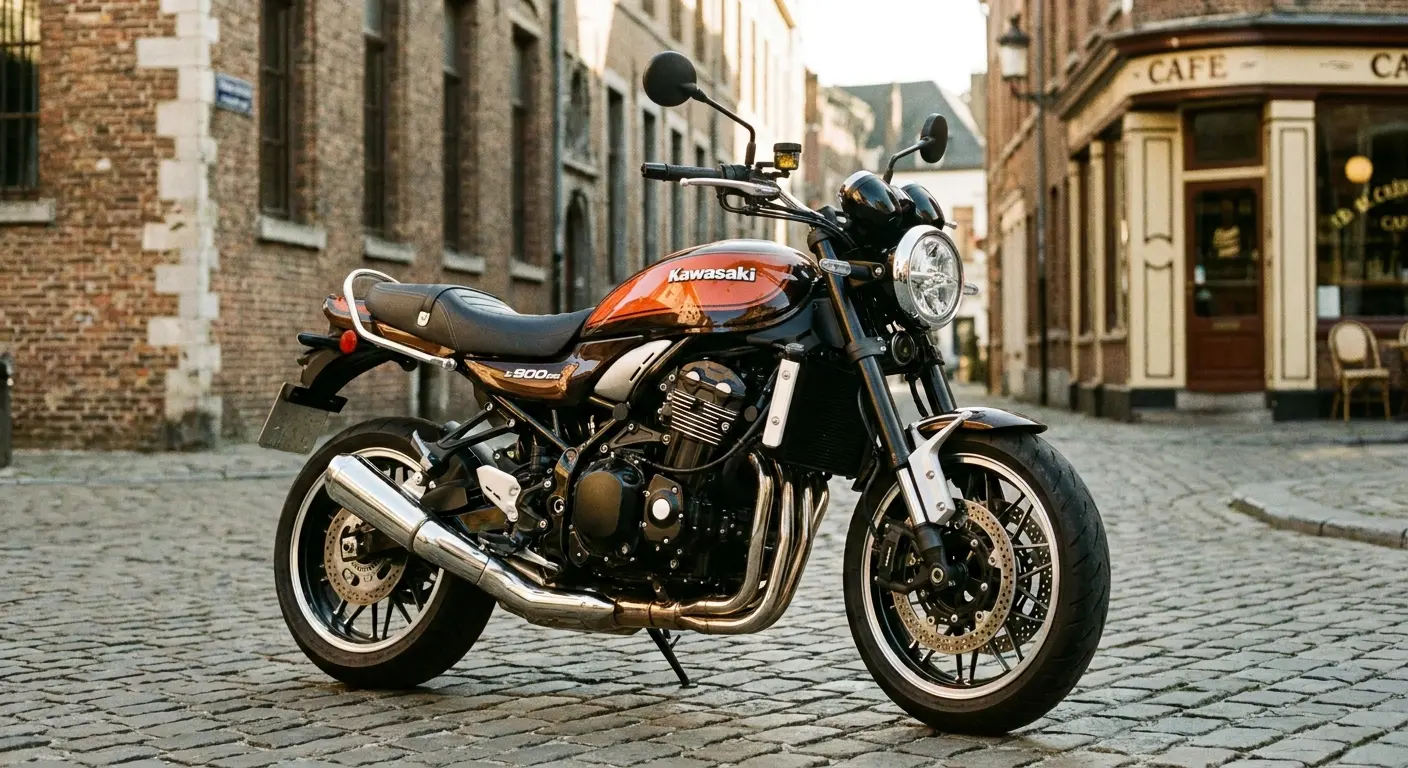
Electronics are basic (two riding modes, traction control, ABS) but adequate for the bike's intended purpose. Suspension is non-adjustable but well-tuned for street riding. Weight sits at 476 pounds wet.
The inline-four pulls smoothly from 3,000 rpm through 9,000 rpm without the frantic top-end rush of modern sportbikes. Wind protection is nonexistent, but the upright position means you're not fighting wind blast as much as on naked sportbikes.
I said earlier the Z900RS isn't pretty. Actually, it's grown on me. It's got character, and you'll get more waves from other riders on this than any supersport.
17. Yamaha XSR900
Yamaha's XSR900 makes something like 117 hp from the same crossplane triple found in the MT-09, delivering power with unique character. The 32.3-inch seat height combines with wide, slightly forward handlebars that create a neutral riding position.
Handlebars position your wrists naturally without forcing you to lean forward. The tank is narrow and classic-styled, giving you room to grip with your knees without feeling cramped. Footpegs mount in a neutral position that accommodates tall riders well.
The seat is flat and moderately comfortable, though it could use more padding for all-day rides. Electronics include three riding modes, traction control, and ABS. The TFT display looks modern despite the retro styling. Suspension is non-adjustable but competent for spirited street riding. Weight sits at 430 pounds wet.
The crossplane triple delivers strong midrange torque and pulls eagerly to redline. Wind protection is minimal, but the upright position makes it manageable. Price starts around $10,000, making it accessible for riders seeking retro style without vintage compromises.
18. Triumph Thruxton RS
Triumph's Thruxton RS makes 104 hp from a 1,200cc parallel-twin that delivers smooth, torquey power. The 31.9-inch seat height pairs with clip-on handlebars mounted below the triple clamp, creating a forward-leaning cafe racer position.
The clip-ons force you to lean forward, but the reach is less aggressive than modern supersports. The tank is classic-styled and narrow, allowing good knee grip. Footpegs mount in a moderate rear-set position that creates a sportier riding position than the Z900RS or XSR900 but doesn't crush your knees.
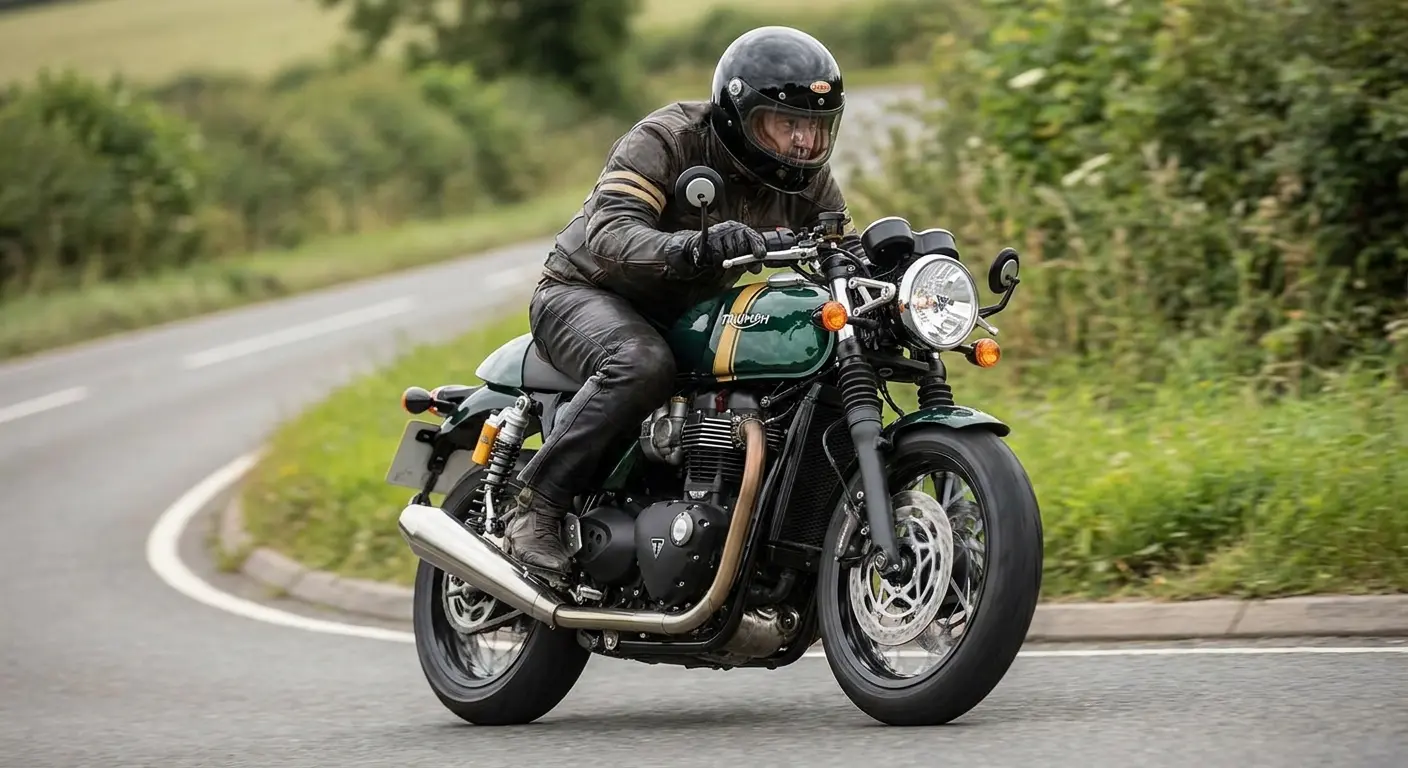
Electronics are minimal (two riding modes, traction control, ABS). Öhlins suspension front and rear is fully adjustable and provides excellent feedback. Brembo brakes offer strong stopping power. Weight sits at 443 pounds wet.
The parallel-twin delivers strong torque from 3,000 rpm through 7,000 rpm without the high-rpm excitement of inline-fours or triples. The seat is firm and narrow, getting uncomfortable after 60 minutes. Wind protection is nonexistent, and the forward lean increases wind blast above 70 mph.
19. BMW R nineT Racer
BMW's R nineT Racer makes 109 hp from an air-cooled boxer-twin that sticks out prominently from each side of the bike. The 31.7-inch seat height is the lowest in this category, but the wide handlebars and unique boxer engine layout create ergonomics that work well for tall riders.
The boxer cylinders prevent you from gripping the tank with your knees in the traditional sense, but they also create a wider stance that accommodates long legs naturally. The boxer cylinders stick out so far you'll clip them on your shins getting off. Ask me how I know.
Handlebars are wide and sweep back despite being mounted in a cafe racer position. Footpegs mount moderately rear-set, creating a sportier position without excessive knee bend.
Electronics are minimal (ABS, no traction control, no riding modes). Suspension is non-adjustable but well-tuned for spirited riding. Weight sits at 485 pounds wet. The boxer-twin delivers torque from 2,000 rpm through 7,000 rpm with a unique power delivery that emphasizes character over outright performance. The air-cooled engine smells like hot oil and nostalgia.
The seat is narrow and firm, typical of cafe racers. Wind protection is minimal thanks to the small fairing, but the upright-ish position makes it tolerable. The bike's width (due to the boxer engine) makes it feel larger than it is in tight spaces.
How Rokform Solves the Phone Mount Problem Tall Riders Face
Nobody talks about this, but when you're 6'3" with an upright riding position, glancing down at your phone (whether it's mounted on the tank, dash, or low on the bars) means taking your eyes completely off the road. The angle is wrong, and the distance makes it nearly impossible to see navigation or track your route without craning your neck.
Full disclosure: Rokform sent me their mount to test about eight months ago. I've since bought two more for other bikes, so yeah, I'm a convert.
Rokform's motorcycle mounts solve this by positioning your phone in your natural sight line. Their magnetic mounting system uses rare-earth magnets that hold your phone secure even during aggressive cornering or rough road conditions. You're not dealing with clamps that loosen over time or suction cups that fail in heat.
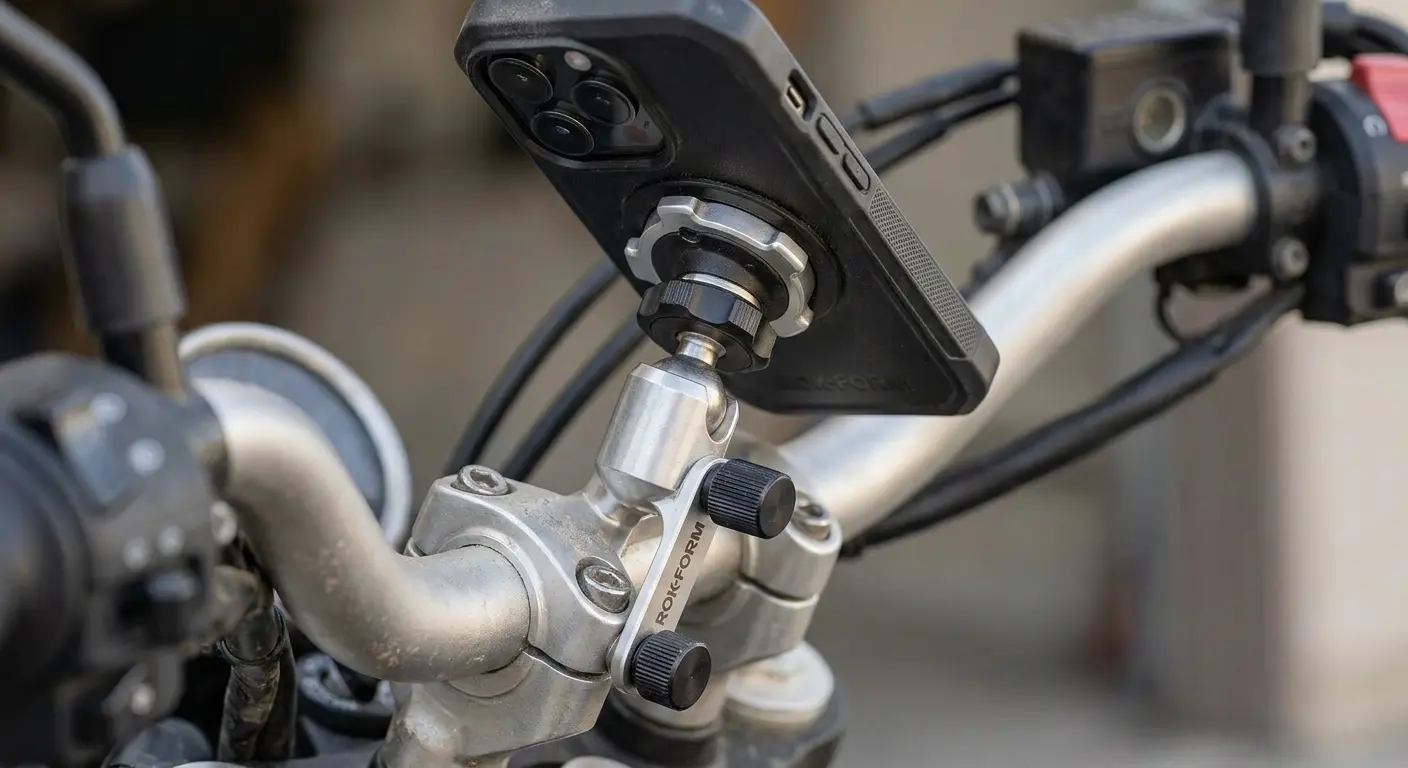
For bikes with more aggressive ergonomics (the supersports in our third category), the Motorcycle Handlebar Mount positions your phone closer to your grip without interfering with controls. The mounting system works with Rokform's rugged cases, which add minimal bulk while providing genuine protection .
You can rotate your phone between portrait and landscape orientation without removing it from the mount. The magnetic connection is strong enough that you won't worry about losing your phone on rough roads, but it releases instantly when you need to grab it.
I broke three phone mounts before trying Rokform. My iPhone took a 70mph tumble off a cheap Amazon mount. Not fun. The magnetic system is great, but the cases add bulk. If you're a minimalist, you might hate it. But for me, having my phone at eye level beats any tank bag or low-mounted solution I've tried.
When you're covering serious miles on any of these bikes, having your phone at eye level transforms the experience. Navigation becomes glanceable instead of a neck-craning exercise. You can check your route without taking your eyes off the road for more than a split second.
Final Thoughts
Look, being tall and loving sportbikes means you're going to compromise somewhere. But you don't have to compromise everywhere.
Seat height specs will continue to dominate motorcycle reviews, but that number's basically worthless if you're over 6'2". The distance between your hips and your hands matters way more than the distance between your feet and the ground. Tank width at the knee junction determines whether you can grip effectively or end up bow-legged. Peg placement dictates whether you finish a ride energized or cramped.
The adventure-sport hybrids offer the most adjustability and comfort without sacrificing performance. If I could only recommend three bikes from this list, it'd be the S 1000 XR, the Z900, and the Tracer 9 GT. Everything else is great, but those three just work. Naked bikes give you sportbike power with ergonomics that won't wreck your back. Supersports demand physical commitment but reward you with unmatched performance (though honestly, most tall riders should skip this category). Retro-styled sport bikes often hide surprisingly spacious ergonomics under classic aesthetics.
Test ride before you buy. Spend at least 30 minutes in the saddle, not just a quick loop around the dealer's parking lot. Your body will tell you within 20 minutes whether the ergonomics work. Pay attention to pressure points at your wrists, lower back, and knees. If something feels slightly uncomfortable during a test ride, it'll be unbearable after an hour on the road.
The right bike for you depends on how you ride. Track days every weekend? The supersports make sense despite the ergonomic compromises (though I'd still push you toward the S 1000 RR). Long canyon runs with friends? The adventure-sport hybrids or naked bikes will serve you better. Commuting plus weekend rides? The retro sport bikes or middleweights offer the best balance.
You've got 19 solid options here that accommodate tall riders instead of forcing you to adapt to cramped ergonomics. Pick the one that matches your riding style, test it thoroughly, and for the love of god, don't let some 5'8" salesman tell you "you'll get used to it."
You won't.

