


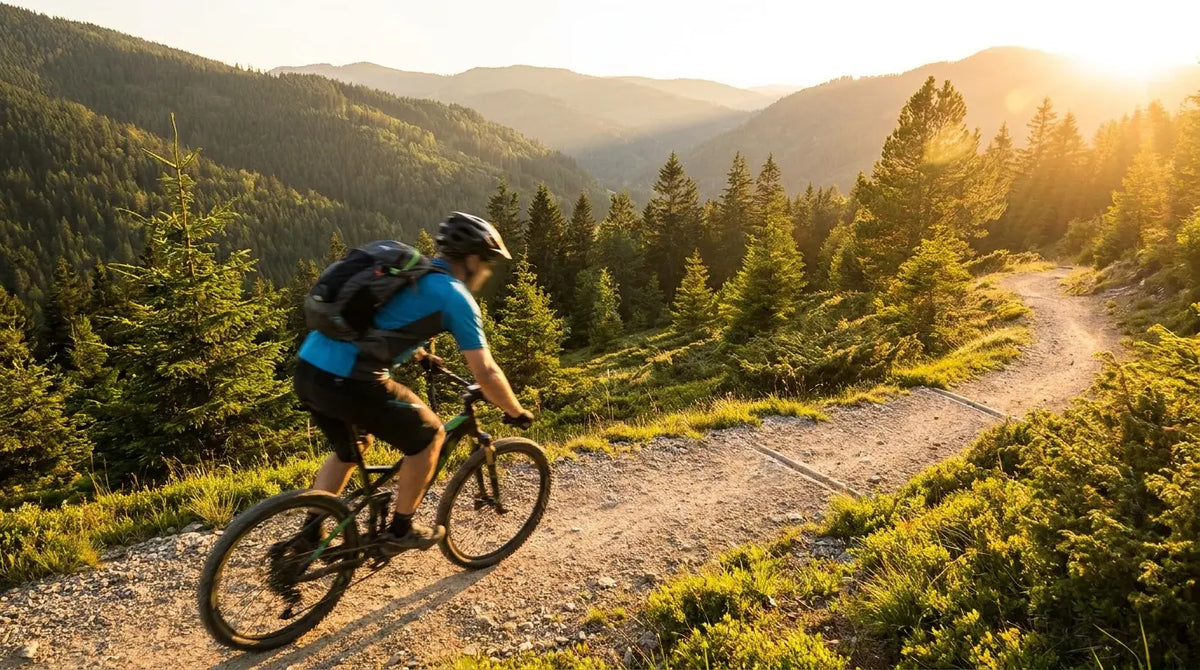
Last Saturday I spent 20 minutes looking for my bike shoes at 5:15 AM. Found them in the garage, still caked in mud from two weeks ago. By the time I got to the trailhead, I'd missed sunrise and started the ride already pissed off. And you know what? I've done this exact same thing at least a dozen times.
Here's what pisses me off about the outdoor gear industry. Everyone's obsessing over the latest carbon fiber whatever or some miracle fabric that wicks moisture at the molecular level, but nobody's addressing the real barrier keeping people from actually getting outside: the brutal logistics of getting out the door before dawn. You know the routine. Alarm screams at you while it's still dark. You fumble for your phone, kill the alarm, then lie there trying to remember where the hell you put your headlamp, whether your hydration pack is clean, and if you charged your GPS watch. By the time you're ready, you've burned through whatever motivation got you to set that alarm in the first place.
The gear industry keeps selling us solutions to problems we don't have while ignoring the friction points that actually stop us from participating in outdoor sports. I'm not here to tell you about another revolutionary jacket or trail running shoe. Let's talk about what actually keeps you home.
Table of Contents
The Pre-Dawn Friction Problem
Your Phone Problem (Yeah, It's a Problem)
Why "Winging It" Usually Fails
Weather Apps Suck
Group Dynamics Are Complicated
The Documentation Trap
TL;DR
Pre-dawn logistics kill more outdoor plans than lack of fitness. Your phone is both your lifeline and your weakest link. Spontaneous adventures sound great but usually end badly. Weather apps lie to you about conditions that actually matter.
The Pre-Dawn Friction Problem
The outdoor sports industry fixates on performance metrics and technical specifications while completely ignoring the logistical chaos that prevents people from actually participating. Most outdoor enthusiasts quit not because they lack passion or ability, but because the operational overhead of getting out the door becomes such a pain in the ass you eventually stop trying.
Let's talk about the compounding micro-failures that occur in the critical window between waking up and starting your activity, and why solving these problems matters more than any piece of technical gear you'll ever buy.
Small Delays Compound Into Big Problems
You lose 15 minutes looking for your car keys. Another 10 realizing your water bottles are still in the dishwasher. Five more discovering your phone's at 32% battery because you forgot to plug it in. These aren't just annoying delays. Each one chips away at your weather window, your energy reserves, and here's what really sucks: your willingness to do this again tomorrow.
Sarah plans a sunrise mountain bike ride every Saturday. She sets her alarm for 5 AM, giving herself an hour to get ready and drive to the trailhead for a 6:15 AM start. But she spends 12 minutes searching for her bike shoes (they were in the garage, not the mudroom), another 8 minutes discovering her hydration pack bladder has mold and needs cleaning, and 6 minutes realizing her bike computer battery's dead. By the time she's actually ready to leave, it's 6:10 AM.
She's in her car hitting the steering wheel, saying "fuck fuck fuck" because she knows she's missed it. The whole point was sunrise. She arrives at the trailhead at 6:45, missing the best light and starting her ride frustrated and behind schedule. The next Saturday, she hits snooze twice. Eventually, she stops setting the alarm at all.
We've normalized this chaos. Scroll through any outdoor sports forum and you'll find endless debates about pack weight optimization and trail shoe drop measurements, but almost nothing about the systems that get you to the trailhead consistently. The industry wants you focused on performance because that's where the profit margins live. But performance is meaningless if you can't maintain a regular practice.
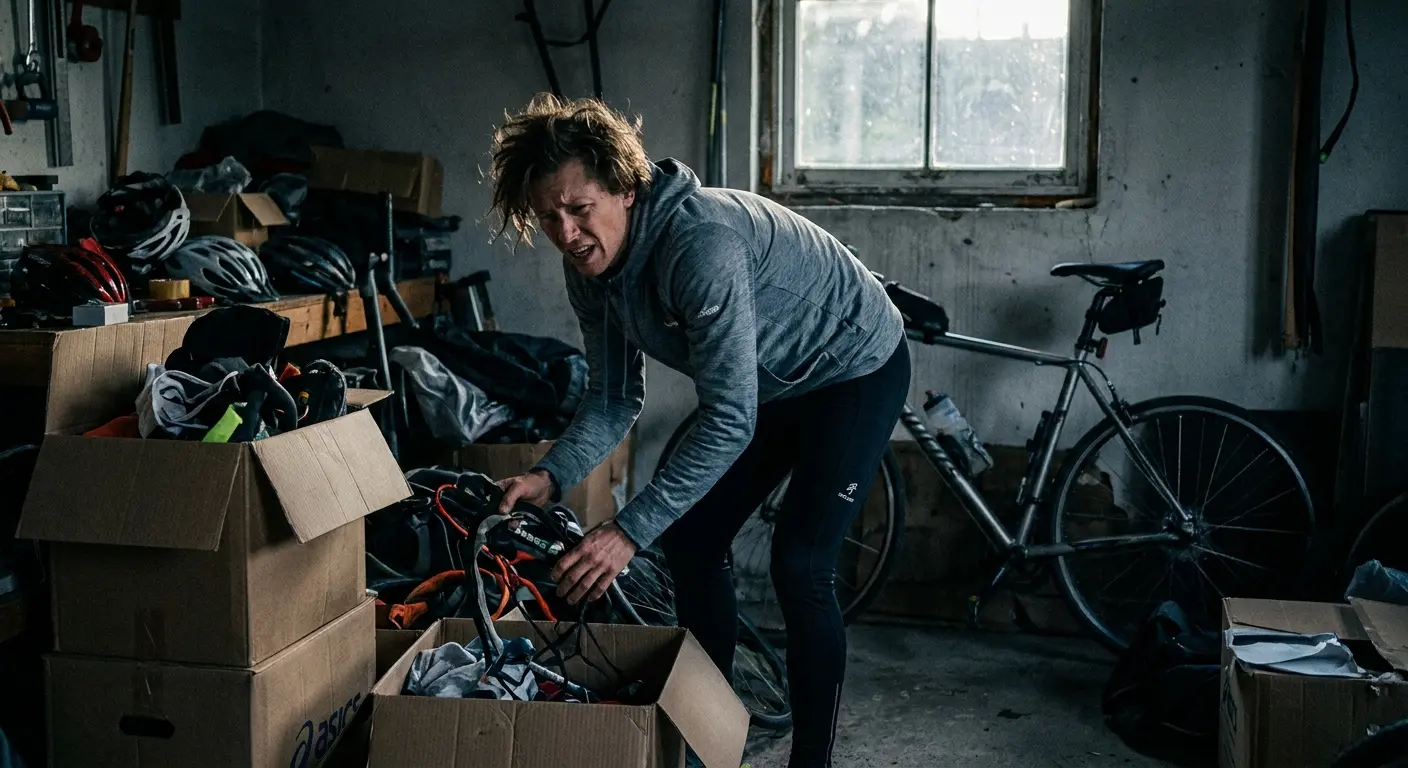
The people who excel at outdoor sports aren't necessarily the most talented or fit. They're the ones who've eliminated friction from their preparation routine. They know exactly where their gear lives. Their packs stay loaded with non-perishables. Their charging stations are deliberate, not accidental.
Side note: why do outdoor sports people either have immaculate gear organization or complete disaster zones? I've never met anyone in the middle ground.
Decision Fatigue Starts Before You're Awake
Your brain makes thousands of decisions daily, and each one depletes your willpower reserves. When you wake up at 3 AM for a dawn patrol ski tour or sunrise paddle, you're starting with a limited cognitive budget. Every decision about what to bring, what to wear, or which route to take withdraws from that account.
The outdoor sports community celebrates spontaneity and adventure, but spontaneity's a luxury of people with either unlimited time or highly systematized preparation. For the rest of us, reducing decisions is how we maintain consistency. This doesn't mean eliminating choice or creativity. It means automating the boring stuff so you have mental energy for the decisions that actually matter.
Your clothing should be laid out the night before. I know it feels neurotic. Do it anyway. Because at 4 AM, you will convince yourself that summer-weight base layer is fine even though it's 35 degrees out, and you will regret this decision at mile 3. Your nutrition should be pre-portioned and packed. Your route should be downloaded offline. These aren't signs of being uptight or overly planned. They're recognition that your 3 AM brain is an unreliable partner, and you need systems that work even when you're half-asleep.
Night before, do this stuff or hate yourself in the morning:
Gear verification - Lay out everything you need in one location. Touch each item. Yes, physically touch it. This sounds excessive until you drive 45 minutes to discover you forgot your helmet.
Clothing selection - Check weather forecast again (it changed, it always changes). Choose layers. Set them out in the order you'll put them on.
Nutrition prep - Pre-portion snacks into bags now, not at 4 AM when you're half-asleep. Fill water bottles. Prepare breakfast that requires zero decisions.
Electronics charging - Phone, GPS watch, headlamp, bike lights on chargers with visible confirmation. I put a sticky note on my bathroom mirror that says "CHARGED?" because apparently I need that.
Route download - Save offline maps, screenshot key waypoints, note bailout options. Cell service is a lie in the mountains.
Vehicle prep - Gear loaded, gas tank checked, parking pass or permits in vehicle. Nothing worse than arriving at a trailhead to discover you need a $5 day pass you don't have.
Alarm configuration - Set primary and backup alarms. Place phone across room so you must get up. If it's within arm's reach, you'll hit snooze. We both know this.
Contingency identification - Write down your backup plan if weather changes or you oversleep. Having a plan B reduces the guilt when plan A falls apart.
Where's Your Headlamp Right Now?
Most people store outdoor sports gear wherever it fits, which means it's scattered across garages, closets, and car trunks. This distribution makes sense from a space management perspective but creates a scavenger hunt every time you want to go outside. You're not just gathering gear. You're trying to remember what you own, where you put it, and whether it's in working condition.
Professional guides and athletes use staging areas. Everything for a specific activity lives in one place, ideally pre-packed and ready to grab. Your climbing gear doesn't mix with your mountain biking equipment. Your winter kit stays separate from summer essentials. This seems obvious, but almost nobody actually implements it because it requires upfront effort and dedicated space.
The staging area doesn't need to be elaborate. A plastic bin, a corner of your garage, or even a dedicated section of your car trunk works. What matters is that everything you need for a specific outdoor sport lives together and stays together. When you return from an activity, you immediately restock and repair. The staging area's always ready for the next mission.
I've noticed people who organize their gear by color are either incredibly disciplined or total disasters. No middle ground exists here.
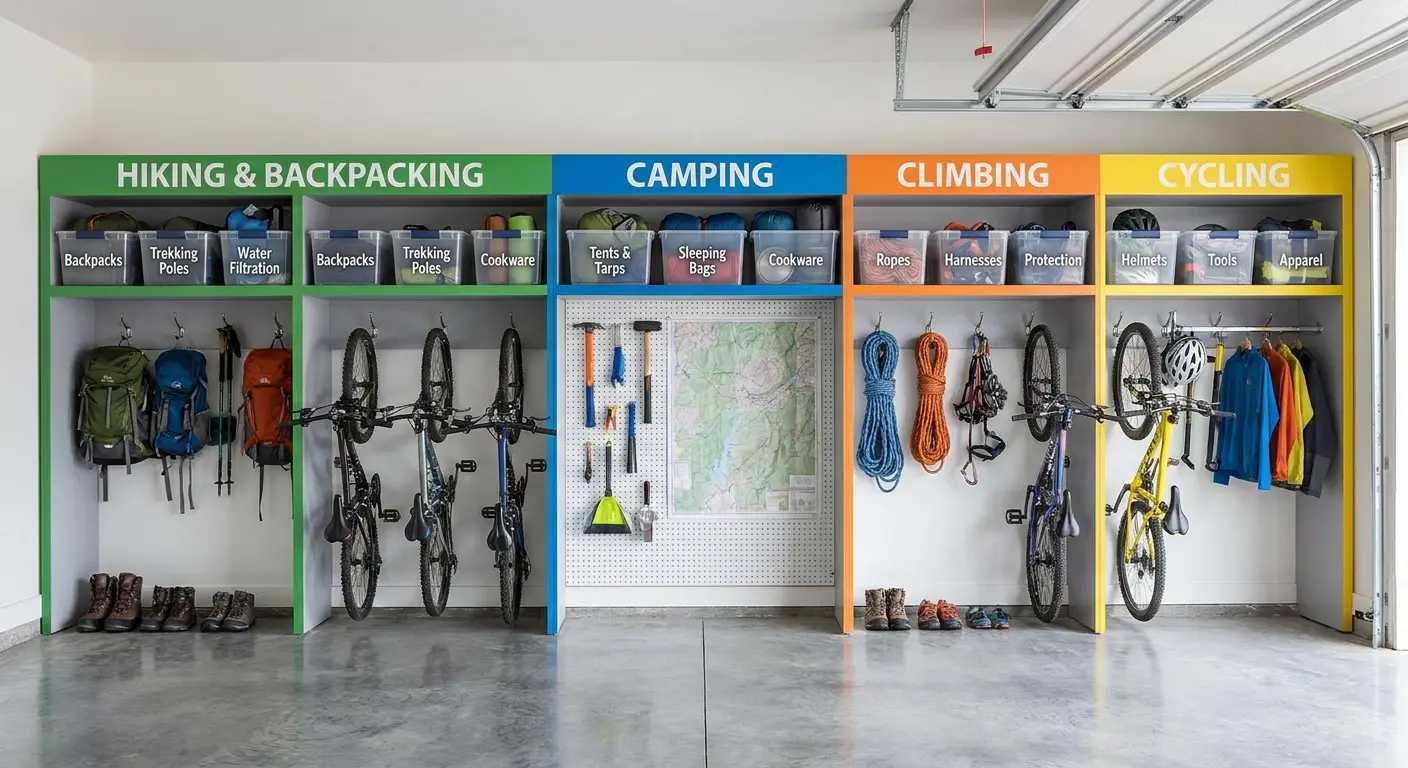
Here's what works: Trail running stuff goes in one bin near the door. Shoes, hydration vest, headlamp, nutrition, first aid. Restock immediately after each run, not "later this week." Mountain biking gear lives in a garage corner with the bike. Helmet, gloves, tools, spare tube, pump, protective gear. Check it Sunday evening, not Saturday morning. Climbing equipment gets a dedicated closet section. Harness, shoes, chalk bag, belay device, rope if you own one. Put it back after each session, every time.
Your Phone Problem (Yeah, It's a Problem)
Modern outdoor sports depend on smartphones for navigation, communication, weather updates, emergency services, and documentation. This creates a critical vulnerability that most people don't address until they're stuck on a trail with a dead battery or shattered screen. The relationship between phone reliability and outdoor sports participation is direct. When your phone fails, your entire activity often fails with it.
Let's Be Honest About Phone Navigation
Paper maps are romantic, but you're not using them. Even people who carry maps as backup rely on their phones for real-time navigation, especially in unfamiliar terrain. GPS apps show your exact position, track your route, and provide data about elevation gain, distance, and pace. When your phone dies or breaks, you don't just lose navigation. You lose confidence.
The outdoor community has this weird guilt about phone dependency. We're supposed to be self-reliant wilderness experts who navigate by moss and star positions. But that's fantasy for most participants in outdoor sports. You probably have a job, family obligations, and limited time to develop orienteering skills. Your phone's a tool that makes outdoor sports more accessible, not a crutch that makes you weak. Fans repping their team can grab my football phone wallpaper picks.
I've been using Gaia GPS for three years. Works offline, which matters when you're actually in the mountains. Check out GPS apps for iPhone that work without cell service and provide reliable tracking.
The problem isn't using your phone for navigation. The problem's treating it like an indestructible device when you're subjecting it to moisture, temperature extremes, impacts, and extended use. Your phone needs protection and power management that matches the environment you're using it in.
Communication Is Risk Management
Solo outdoor sports carry inherent risks that multiply when nobody knows where you are or when to expect you back. Your phone's your primary communication tool for checking in, updating your location, and calling for help if something goes wrong. When it fails, your safety margin collapses.
Marcus heads out for a solo trail run in a state park he's visited dozens of times. Two miles in, he rolls his ankle and goes down hard. Like, seeing-stars hard. He can't put weight on it. His phone's at 8% battery because he forgot to charge it overnight, and he's used most of that streaming a podcast. He has enough charge for one call. He reaches his girlfriend, shares his approximate location, and his phone dies.
Search and rescue takes 90 minutes to find him because "two miles in on the blue trail" covers a lot of ground. The trail system has six different loops, and "two miles in" could mean anywhere. A fully charged phone with GPS location sharing would've cut that time to 20 minutes. Marcus now carries a backup battery pack everywhere. Sometimes you learn the expensive way.
Even if you're not solo, group communication depends on phones. You coordinate meeting times, share route changes, and stay connected when people spread out on the trail. Outdoor sports increasingly involve splitting up and regrouping rather than staying in tight formation. Your phone makes this possible without losing track of your group.
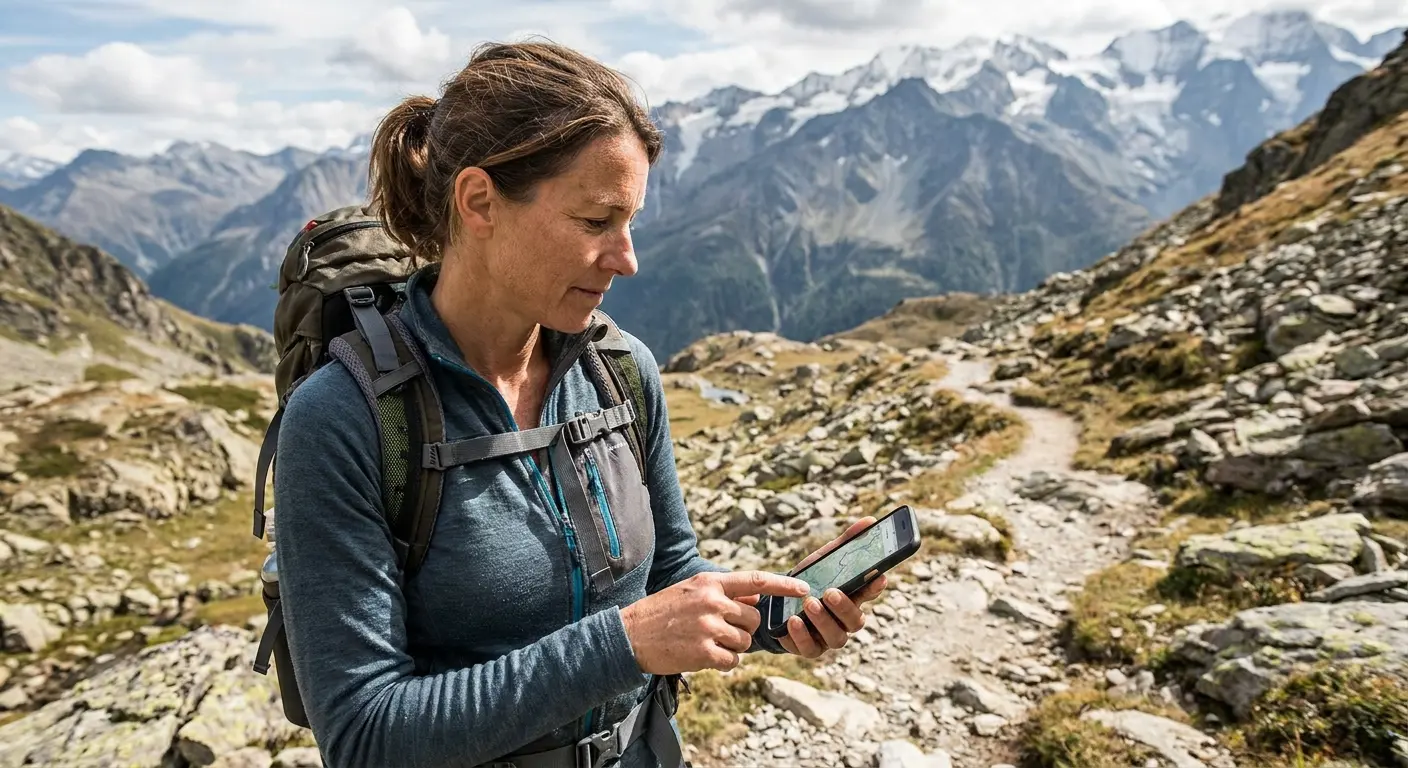
Emergency services need your location data. If you call for help, your phone provides GPS coordinates that can mean the difference between a quick rescue and an overnight search. Satellite communicators exist, but most people participating in outdoor sports don't carry them for routine activities. Your phone's your emergency device, which means it can't be optional or unreliable.
The Documentation Dilemma
You want photos and videos of your outdoor sports experiences. Sure, maybe some of it's for Instagram, but documentation helps you remember details, share experiences with people who couldn't join you, and build a personal archive of your progression. But pulling out your phone repeatedly creates multiple failure points.
Each time you remove your phone from a pocket or pack, you risk dropping it. Outdoor environments don't forgive drops. Rocks, water, mud, and snow are all eager to destroy exposed electronics. You need a mounting system that keeps your phone accessible but protected, allowing you to capture moments without constantly handling a fragile device.
The alternative's leaving your phone buried in your pack, which means you miss shots and lose the ability to quickly check navigation or weather updates. This creates a false choice between documentation and protection. You shouldn't have to pick one.
Why "Winging It" Usually Fails
The outdoor sports culture romanticizes spontaneous adventures and last-minute decisions, but unplanned activities have significantly lower completion rates and higher frustration levels. Spontaneity sounds appealing, but it's usually code for poor planning that leads to forgotten gear, missed weather windows, and abbreviated experiences.
"Just Winging It" Sounds Better Than It Works
Spontaneous outdoor sports sound exciting until you're an hour into your drive and realize you forgot your climbing shoes, or you arrive at the trailhead to discover the parking lot's full and the next option's 30 minutes away. Unplanned activities stack small failures that individually seem manageable but collectively ruin the experience.
You can't spontaneously access outdoor sports the way you can grab dinner at a restaurant. These activities require specific gear, suitable weather, available daylight, and physical readiness. When you skip planning, you're gambling that all these factors will align perfectly. They rarely do.
The people who seem to spontaneously enjoy outdoor sports have actually built systems that enable quick deployment. Their gear's ready. They know multiple backup locations. They've checked conditions before suggesting the activity. What looks spontaneous is actually the result of significant preparation infrastructure.
Weather Windows Are Real
Weather determines whether your outdoor sports activity happens at all, but here's what took me years to figure out: the forecast doesn't matter as much as your personal threshold. I know people who won't bike if there's a 20% chance of rain. I know people who've ridden through thunderstorms. Neither's wrong, but you need to know which one you are.
Planning lets you position yourself to capitalize on good weather. You've already identified your target activity, prepared your gear, and cleared your schedule. When the forecast shows a perfect window, you execute immediately instead of scrambling to get ready. This isn't about being rigid or losing flexibility. It's about being ready when opportunities appear.
Backup plans matter more than primary plans. Weather changes, conditions deteriorate, and access gets restricted. If you've only identified one option for your outdoor sports activity, you're setting yourself up for cancellation. Multiple alternatives with different weather requirements mean you can still get outside even when your first choice becomes impossible.
Alpine climbing needs clear skies, low wind, temps above 40°F. Backup: sport climbing at lower elevation, which just needs dry rock and temps above 35°F. Backup to the backup: gym climbing, any weather. Open water paddling needs winds under 10mph, no storms. Backup: river paddling in protected
Alpine climbing needs clear skies, low wind, temps above 40°F. Backup: sport climbing at lower elevation, which just needs dry rock and temps above 35°F. Backup to the backup: gym climbing, any weather. Open water paddling needs winds under 10mph, no storms. Backup: river paddling in protected areas, where moderate rain's fine. Backup to the backup: pool swimming. You get the idea.
The Coordination Tax on Group Activities
Solo outdoor sports are easier to execute spontaneously because you only need to coordinate one person. Groups multiply complexity exponentially. Everyone needs compatible schedules, appropriate gear, similar fitness levels, and aligned expectations. Spontaneous group activities almost always involve someone showing up unprepared or discovering incompatibilities mid-activity.
Planned group outdoor sports activities require explicit communication about distance, difficulty, pace, and objectives. When you skip this conversation, you get mismatched expectations that create frustration. The fast people feel held back. The slower people feel pressured. Nobody has the experience they wanted.
Group dynamics also require designated roles. Who's navigating? Who's tracking time? Who's monitoring the group's energy levels and making decisions about turnaround times? Spontaneous groups rarely assign these responsibilities, which leads to either nobody taking charge or multiple people trying to lead simultaneously.
Before you commit to a group outdoor sports activity, talk about this stuff:
What's the specific route or location, with actual distance and elevation gain? Not "a moderate ride," but "22 miles with 2,400 feet of climbing." Estimated total time including breaks. Technical difficulty rating that everyone understands the same way. Required skills or certifications if applicable.
What's the fitness expectation? Average pace in actual numbers. Vertical gain per hour expectation. Previous similar activities completed by each participant. This conversation feels awkward, but it's less awkward than discovering incompatibility at mile 8.
Who's doing what? Who's navigating and making route decisions. Communication protocol if the group separates. Turnaround time as a specific clock time, not "when we feel like it." What happens if someone needs to bail early.
What's the emergency protocol? Who carries first aid and actually knows how to use it ? Emergency contact person not on the trip. Bailout routes identified in advance.
Weather Apps Suck
General weather apps provide regional forecasts that are nearly useless for activity-specific decisions in outdoor sports. The difference between conditions at the trailhead and conditions at elevation can be dramatic, and standard forecasts don't account for microclimates, aspect-specific weather, or the specific thresholds that matter for your activity.
The Regional Forecast Trap
Your phone's default weather app shows you conditions for the nearest city, which might be 20 miles away and 3,000 feet lower in elevation. This data's worse than useless because it creates false confidence. You see sunny skies and moderate temperatures, then arrive at the trailhead to find clouds, wind, and conditions that make your planned activity dangerous or miserable.
Mountain weather operates on different rules than valley weather. Temperature drops roughly 3.5 degrees per 1,000 feet of elevation gain. Wind speeds increase with altitude. Cloud cover at elevation can exist while the valley stays clear. Your weather app doesn't account for any of this unless you're specifically checking mountain forecasts from specialized sources.
Coastal outdoor sports face similar problems. Onshore wind patterns, fog formation, and tidal influences create conditions that regional forecasts miss entirely. You need hyperlocal data that accounts for the specific environment where your activity takes place, not generalized predictions for a broad area.
Activity-Specific Thresholds Matter
A 15 mph wind might be perfect for kiteboarding but dangerous for rock climbing. Light rain could be refreshing for trail running but create hazardous conditions for mountain biking. Generic weather data doesn't tell you whether conditions are suitable for your specific outdoor sport.
You need to develop personal thresholds based on your skill level and risk tolerance. What temperature range keeps you comfortable? What wind speed makes your activity unpleasant or unsafe? How much precipitation turns your chosen terrain from fun to miserable? These thresholds are individual and activity-specific, and they should guide your weather interpretation.
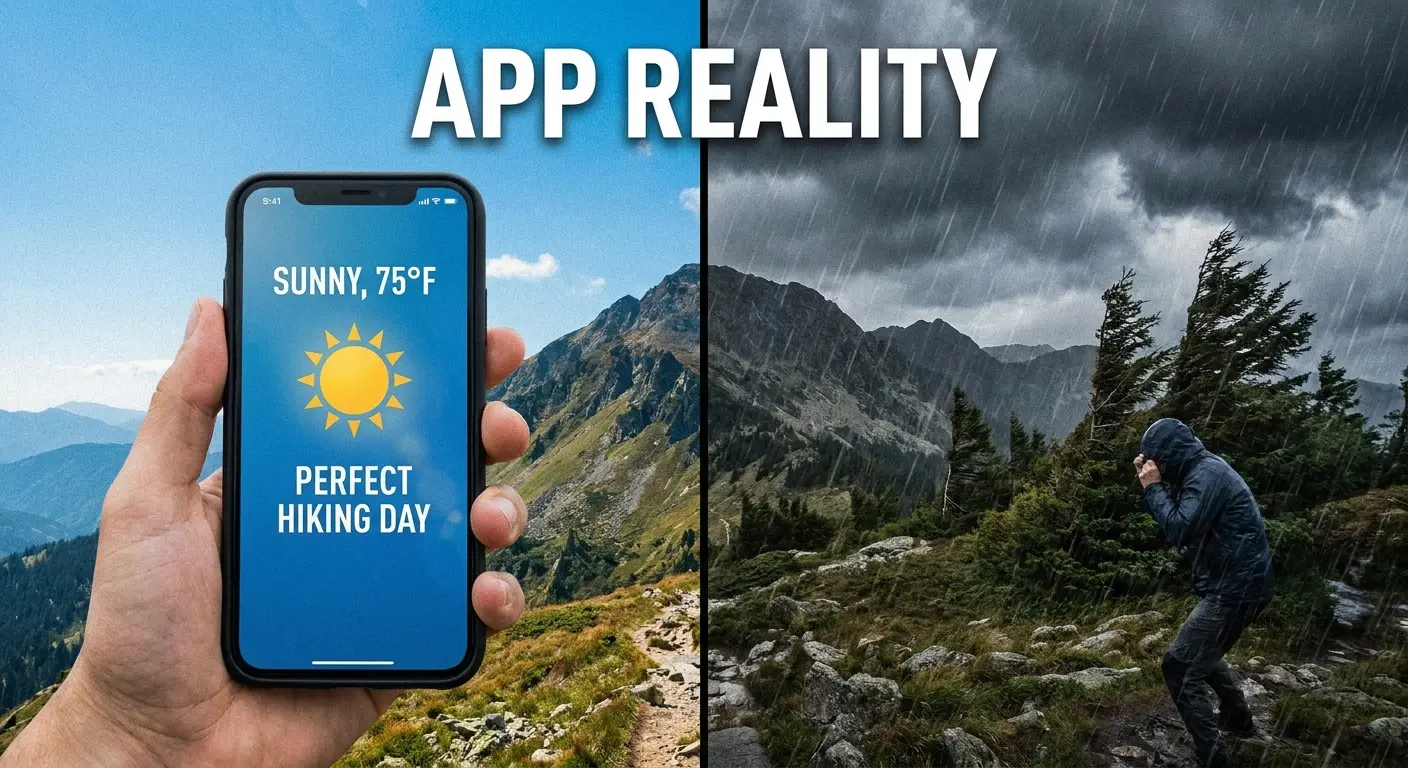
Trend data matters more than snapshot forecasts. Is the weather improving or deteriorating? Are you starting your activity at the best part of the weather window or the worst? Understanding the trajectory of conditions helps you time your outdoor sports participation for maximum enjoyment and safety.
I've learned to check weather at 6-hour intervals for the previous 24 hours before my planned activity. Patterns tell you more than predictions.
The Microclimate Factor
Aspect matters enormously. South-facing slopes get more sun and warmth. North-facing terrain stays cooler and holds snow longer. East-facing routes get morning sun while west-facing areas are shaded until afternoon. Your weather app has no idea which aspect you're planning to use, which means it can't tell you what conditions you'll actually experience.
Canyon winds, valley fog, and ridge-top exposure create microclimates that exist within larger weather systems. You can experience completely different conditions within a few hundred yards of travel. Local knowledge and experience become critical for interpreting how general forecasts will manifest in specific locations.
Timing your activity around microclimates can extend your season and improve conditions. You can ski corn snow on south-facing slopes in spring while north-facing terrain's still frozen. You can climb in the shade during summer heat. You can avoid wind by dropping below ridge lines. But none of this works if you're relying on regional weather data that doesn't account for terrain-specific effects.
Group Dynamics Are Complicated
Group outdoor sports activities introduce coordination problems, communication failures, and social dynamics that solo participants never face. While groups can provide safety benefits and social enjoyment, they also create friction that frequently results in cancelled plans, compromised experiences, and interpersonal tension.
Groups Move at the Slowest Person's Pace
Groups move at the pace of their slowest member. This isn't a criticism of less experienced or fit participants. It's a mathematical reality that affects planning and execution. If you're the faster person, you spend significant time waiting. If you're the slower person, you feel pressure to keep up. Neither experience is optimal.
Mismatched fitness levels create resentment that people rarely voice directly. The fast people feel held back and frustrated. The slow people feel embarrassed and stressed. Everyone pretends it's fine while internally wishing they'd gone solo or chosen different partners. This dynamic poisons group outdoor sports experiences more than any other single factor.
I've been that person holding up the group, and I've been the asshole annoyed about it. Both suck in different ways.
Honest fitness assessment before committing to group activities would solve most of these problems, but people avoid these conversations. Nobody wants to admit they're not fit enough or tell someone else they're too slow. The result is groups that discover incompatibility after they're already committed to the activity.
Communication Breakdown in Real Time
Groups spread out on trails, lose sight of each other, and make assumptions about where people are and what they're doing. Without explicit communication systems, you end up with people taking different routes, missing turns, or waiting at different locations. These failures waste time and create anxiety.
Cell service is unreliable in outdoor environments, which means you can't always call or text to coordinate. Groups need backup communication plans that work when phones don't. This might mean designated regrouping points, agreed-upon time intervals for checking in, or physical signals for staying connected.
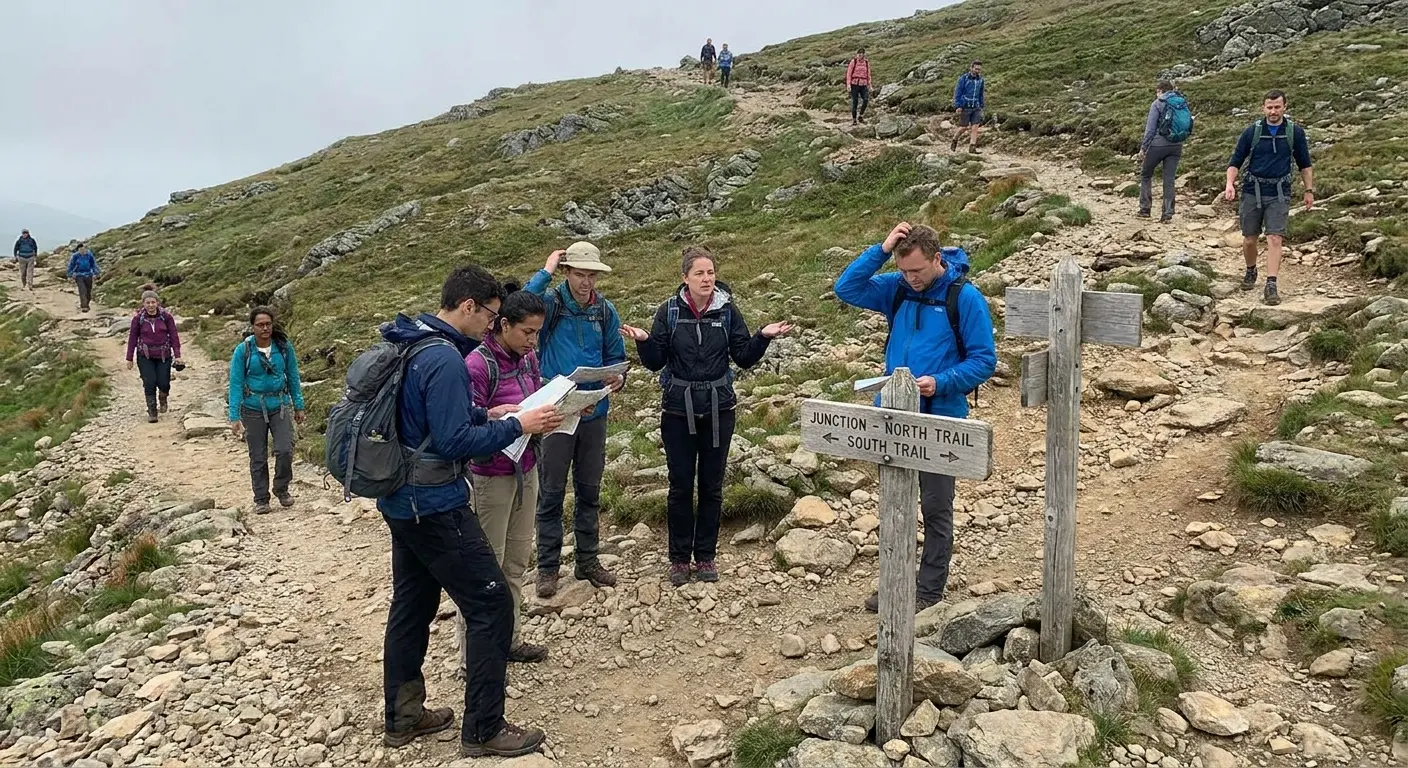
Decision-making in groups requires designated leadership or consensus processes. When nobody's clearly in charge, you get paralysis or conflict. Multiple people suggest different routes, different pace, different turnaround times. Without a system for making decisions, groups waste energy on debates that could've been resolved with clear roles.
The Social Performance Pressure
Group outdoor sports create implicit pressure to perform at a certain level, document the experience in specific ways, and maintain a particular energy or attitude. This performance pressure changes your relationship with the activity. You're not just climbing or biking or paddling. You're also managing how you're perceived by others.
Some people push beyond their comfort zone to keep up with the group, which increases injury risk and decreases enjoyment. Others hold back to avoid showing off or making slower participants feel bad. Both responses prevent you from having an authentic experience with the outdoor sport itself.
The documentation pressure intensifies in groups. Everyone wants photos, but nobody wants to be the person constantly asking to stop for pictures. You end up with either too few photos because nobody wants to interrupt the flow, or too many stops because multiple people are trying to capture content. Solo participants make these decisions based purely on personal preference without social negotiation.
The Documentation Trap
The pressure to document outdoor sports experiences through photos and videos has created a secondary activity that often conflicts with the primary one. People interrupt flow states to capture content, take risks for better shots, and experience activities through a screen rather than direct engagement.
The Flow State Killer
You're in a rhythm. Your breathing's steady, your movement's fluid, and you're fully engaged with the terrain and the activity. Then you stop to pull out your phone for a photo. The flow state breaks. You're suddenly thinking about angles, lighting, and composition instead of the outdoor sport itself.
Each documentation stop costs more than the time spent taking the photo. You lose momentum, body temperature drops if you're stationary in cold weather, and you have to rebuild the mental state you were in before stopping. Multiple stops throughout an activity fragment your experience into disconnected segments rather than a continuous flow.
The worst part is that you often don't even want these photos for yourself. You're capturing content for an imagined audience on social media, trying to prove you did something worth documenting. The activity becomes evidence of having lived rather than the living itself.
Risk-Taking for Content
People take dangerous positions, move into exposed terrain, and make questionable decisions to get better photos or videos. The outdoor sports community has normalized this behavior to the point where it's expected. If you didn't get the summit selfie or the action shot, did you even do the activity?
A climbing group reaches a challenging pitch with significant exposure. Instead of focusing on safe movement and proper protection placement, the lead climber stops mid-route in an awkward stance to set up a GoPro for the follow climber. The camera isn't secured properly and falls 40 feet, nearly hitting a belayer below. Nobody gets hurt this time, but the entire group's focus shifted from climbing safely to capturing content. The climber later admits the footage wasn't even usable because of the angle and lighting. Was it worth it? He still doesn't know.
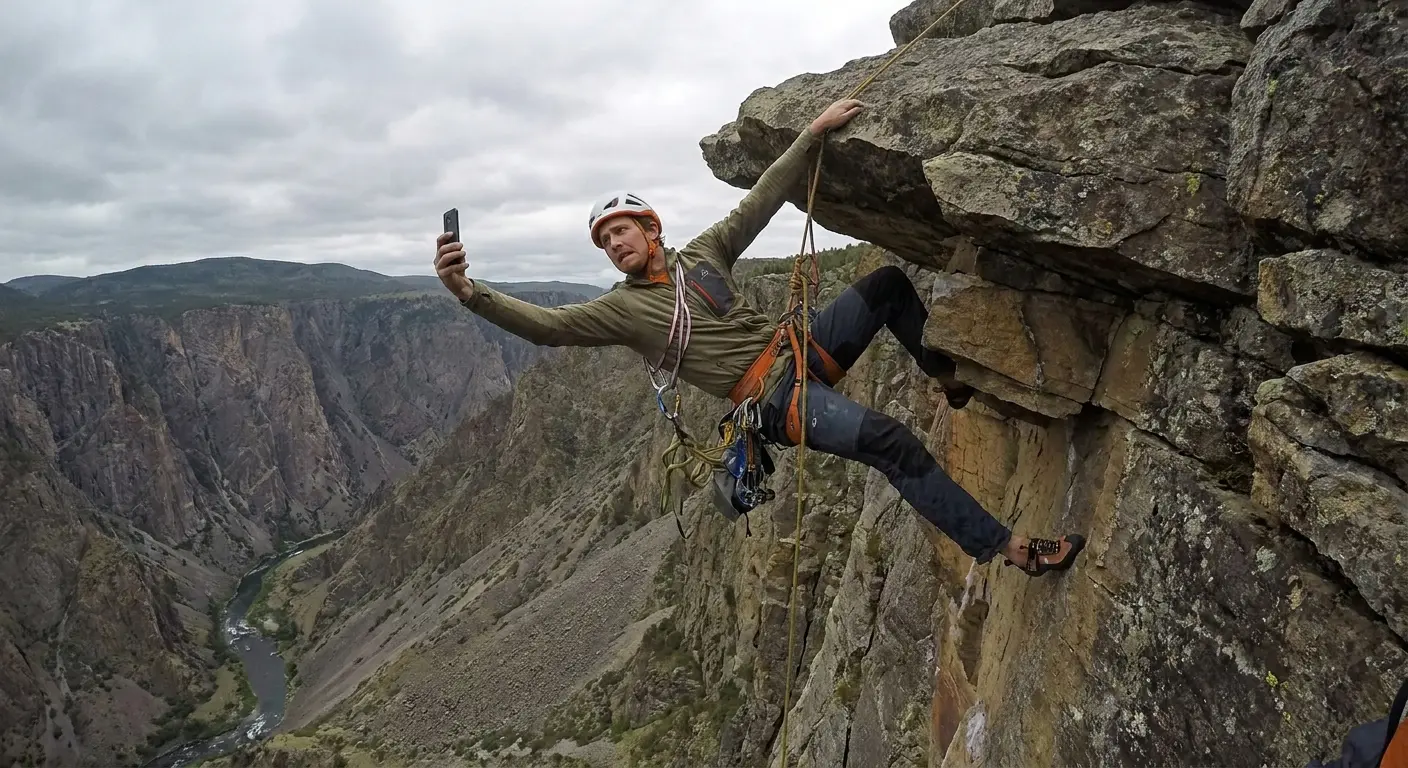
This content-driven risk-taking has real consequences. Accidents happen when people prioritize documentation over safety. You're focused on the camera instead of your footing. You're in a precarious position because it makes a better shot. You're asking your partner to do something sketchy so you can film it.
The irony is that the best outdoor sports content usually comes from people who are fully engaged in the activity, not those who are constantly stopping to document it. Authentic moments captured incidentally are more compelling than staged shots that interrupt the experience.
The Presence Trade-Off
You can't be fully present in an experience while simultaneously trying to capture it. Your attention's divided between doing the activity and documenting the activity. This split focus means you're never completely in either mode.
Some outdoor sports participants have started designating documentation days and experience days. On documentation days, they accept that they're gonna interrupt flow for photos and videos. On experience days, the phone stays in the pack except for navigation and emergencies. This binary approach acknowledges that trying to do both simultaneously compromises both.
Another strategy is batch documentation. Take all your photos at designated stops like lunch breaks, summits, or scenic overlooks rather than constantly throughout the activity. This contains the interruption to specific moments and preserves flow during the actual movement portions of your outdoor sport.
I'm still figuring out my own balance here. Some days I take zero photos and regret it later. Other days I stop every mile and wonder why I bothered going outside at all.
The False Economy of Budget Gear
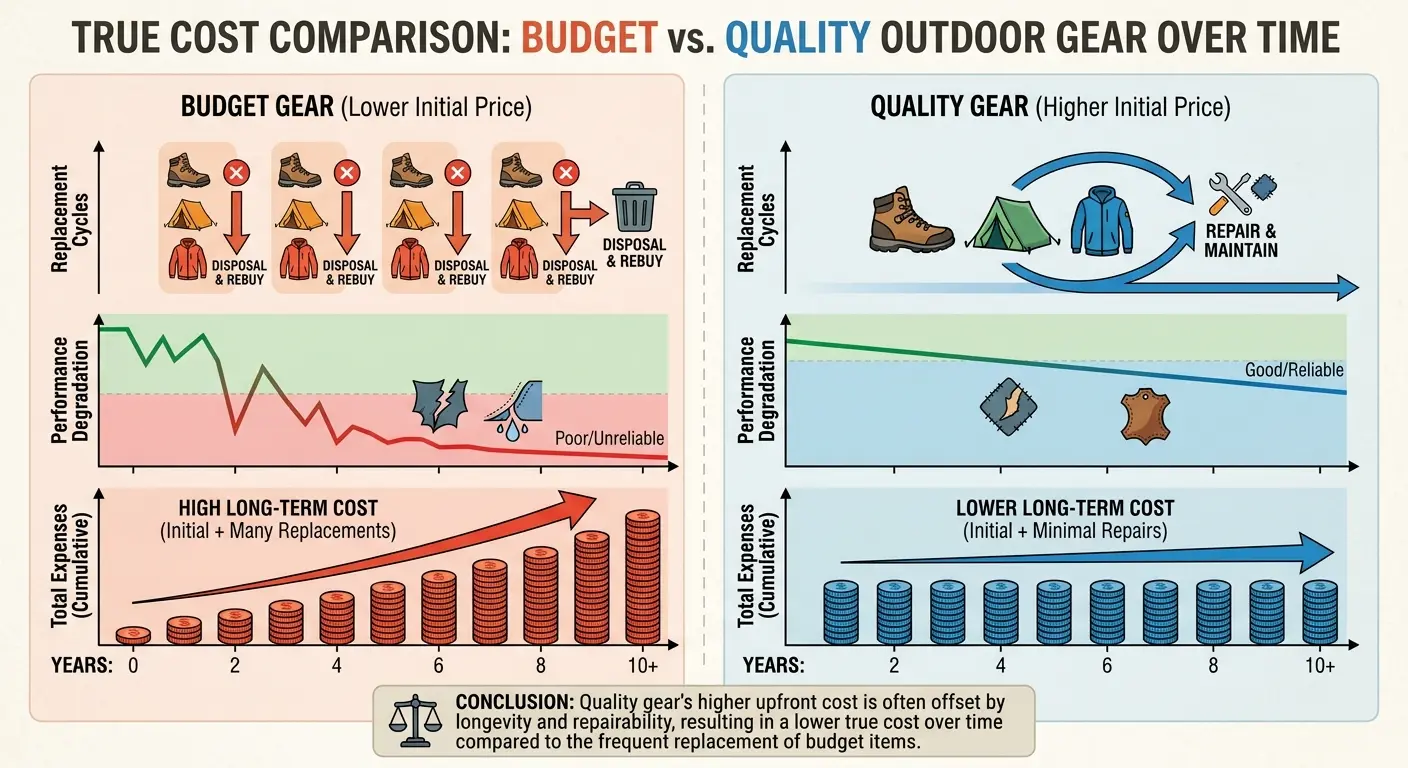
Cheap outdoor sports equipment creates cascading failures that cost more in time, frustration, and replacement expenses than the initial savings. The outdoor industry has a budget tier that seems accessible but actually prevents people from having good experiences and building sustainable practices.
How Budget Gear Actually Fails
Budget gear fails in ways that aren't obvious when you're making the purchase. The jacket that seems fine in the store soaks through in light rain. The pack that looks adequate distributes weight poorly and causes back pain. The shoes that fit in the shop fall apart after 50 miles.
These failures don't just cost money. They cost experiences. You cut your hike short because you're wet and cold. You develop an injury because your pack ergonomics are terrible. You lose confidence in your ability to participate in outdoor sports because your gear keeps letting you down.
The gear industry makes this worse by marketing budget equipment as "perfect for beginners" or "great for getting started." This implies that inexperienced people don't need reliable gear, which is backwards. Beginners need equipment that works consistently so they can focus on learning skills and building confidence, not troubleshooting gear failures.
The Real Math on Replacement Costs
You buy cheap climbing shoes for $60. They're uncomfortable and fall apart after three months. You buy another pair for $60. After a year, you've spent $240 on shoes that never fit well. A quality pair would've cost $150, lasted two years, and performed better the entire time.
This pattern repeats across every category of outdoor sports equipment. Budget tents that leak. Cheap sleeping bags that don't keep you warm. Bargain bikes that require constant maintenance. The upfront savings disappear quickly when you factor in replacement frequency and performance degradation.
Time costs matter more than money costs for most people. A budget stove that takes twice as long to boil water doesn't just cost you a few dollars in savings. It costs you time on every trip, which adds up to hours over a season. Time's the resource you can't replace, which makes gear that wastes time more expensive than gear that costs more money.
I learned this after blowing $400 on gear I used twice. Now I buy once and use it until it actually wears out, not until it pisses me off enough to replace.
Quality gear doesn't make you a better athlete, but it does remove obstacles that prevent you from developing skills and enjoying the process. When your equipment works reliably, you can focus on the outdoor sport itself rather than managing gear problems. Whether you're shopping at academy sports or specialized retailers, prioritizing reliability over initial cost pays dividends in sustained participation.
Recovery Gets Zero Respect
The outdoor sports community glorifies pushing limits and back-to-back activities while ignoring recovery protocols that enable sustainable participation. Inadequate recovery is the primary reason people burn out, get injured, and quit outdoor sports despite genuine passion for the activities.
How Fatigue Sneaks Up On You
You can get away with inadequate recovery for a while. Your body compensates, you push through fatigue, and you keep showing up for outdoor sports activities. Then seemingly out of nowhere, you get injured or hit a wall of exhaustion that forces you to stop.
This isn't sudden. It's the accumulated deficit of dozens of activities where you didn't recover properly. Each one left you slightly more depleted than the last. The injury or burnout that feels sudden is actually the predictable result of ignoring recovery for weeks or months.
Outdoor sports culture treats rest days as weakness or wasted opportunities. If the weather's good and you're not outside, you're missing out. This mentality works for short periods but destroys long-term participation. The people who maintain outdoor sports practices for years and decades are ruthless about recovery.
Sleep Is Non-Negotiable
You need more sleep when you're regularly participating in outdoor sports, not the same amount you get during sedentary periods. Physical activity increases your recovery needs, but most people don't adjust their sleep accordingly. You're trying to maintain an active outdoor sports practice on the same six or seven hours of sleep that barely sustains your normal life.
Sleep deprivation compounds quickly. One night of poor sleep affects performance for several days. Multiple nights of inadequate sleep create a deficit that takes weeks to resolve. You're not just tired. Your injury risk increases, your decision-making degrades, and your enjoyment of outdoor sports decreases.
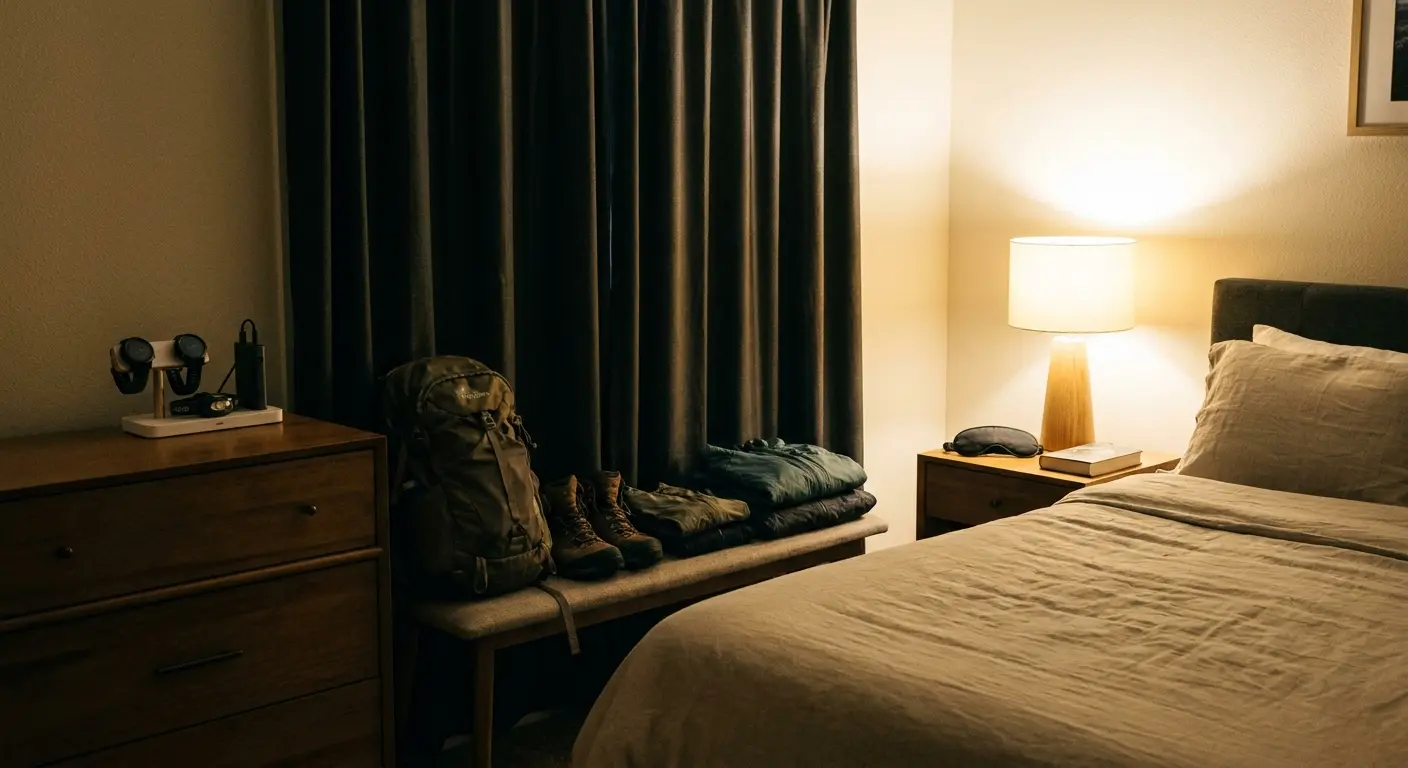
The early morning start time culture in outdoor sports directly conflicts with adequate sleep. Dawn patrol sounds romantic, but if you're waking at 3 AM after going to bed at 10 PM, you're running a sleep deficit that will catch up with you. Sometimes the better decision is sleeping in and starting later, even if it means less ideal conditions.
Active Recovery Actually Works
Complete rest days matter, but active recovery days might matter more for maintaining consistency in outdoor sports. Active recovery means low-intensity movement that promotes blood flow and mobility without creating new fatigue. Easy walks, gentle yoga, swimming at conversational pace.
The mistake is thinking every outdoor sports activity needs to be a hard effort. You don't build fitness or skills by going maximum intensity every time. You build them through consistent practice at varied intensities, with adequate recovery between hard efforts. Most of your activities should be moderate, some should be easy, and only a few should be truly hard.
Active recovery also provides the psychological benefit of maintaining your outdoor sports practice without the physical cost of high-intensity efforts. You're still getting outside, still moving, still engaging with activities you enjoy. But you're doing it in a way that supports recovery rather than preventing it.
Reducing Friction Points That Actually Matter
Throughout this look at overlooked barriers in outdoor sports, phone reliability and accessibility have emerged as critical factors. Your phone's the single piece of technology you're guaranteed to bring on every outdoor sports activity. It's your navigation tool, your emergency communication device, your weather data source, and your camera. When it fails or becomes inaccessible, your entire experience degrades.
Standard phone cases and carrying methods don't work well in outdoor environments. Pockets are hard to access when you're wearing layers or a pack. Pulling your phone out repeatedly increases drop risk. Cheap mounting systems fail when you need them most, leaving you with a broken phone in the backseat or at the bottom of a river.
Look, I resisted phone mounts for years because they seemed like overkill. Then I dropped my phone on a rock climb and spent $300 replacing it. The Rokform case I bought after that has survived two years of abuse I won't detail here. The magnetic mounting system lets you attach your phone to your bike, your car, or your body without fumbling with clips or clamps. Sometimes the answer really is just: protect your shit.
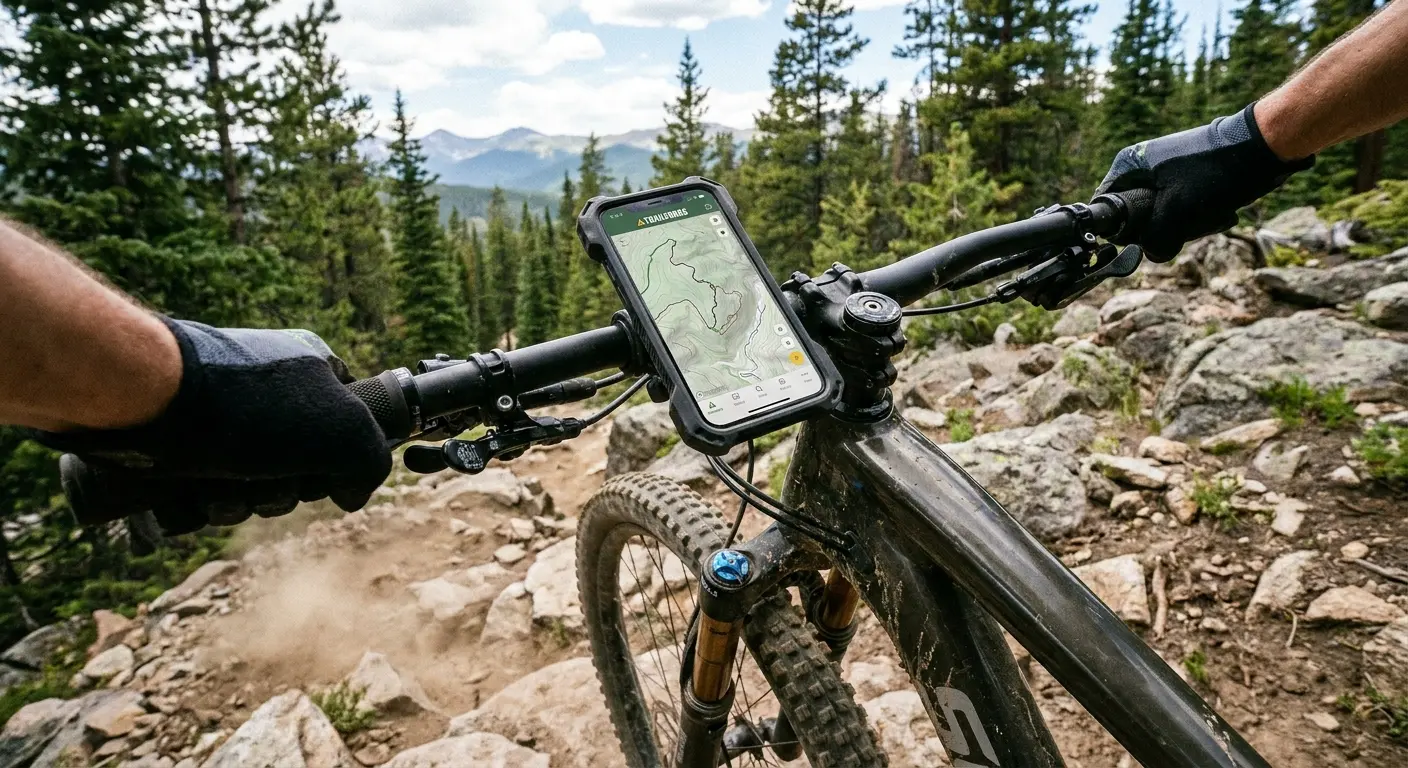
The Rokform bike mount system keeps your phone accessible during rides without the constant worry about it bouncing loose. The rugged case lineup provides genuine protection without the bulk that makes your phone unusable. These aren't luxury items. They're infrastructure that supports the outdoor sports practice you're trying to maintain.
For extended adventures, having reliable power banks ensures your phone stays charged for navigation and emergency communication throughout your activity. Battery anxiety is real, and it kills the experience when you're constantly checking percentages instead of enjoying the trail.
This matters because reducing friction in your outdoor sports practice is about eliminating the small failures that compound into major problems. Every time you can't access your phone for navigation, every time you're worried about damaging it, every time you miss a photo because your phone's buried in your pack, you're experiencing friction that decreases your enjoyment and consistency.
What Actually Matters
Outdoor sports media focuses on the spectacular: the summit photos, the perfect conditions, the epic adventures. But most of your outdoor sports practice happens in the mundane: the 5 AM alarms, the gear checks, the weather decisions, the recovery protocols.
We've covered the operational realities that separate people who consistently participate in outdoor sports from those who just wish they did. The pre-dawn logistics that create or eliminate friction. The phone dependency that nobody wants to admit but everyone experiences. Why planning enables more freedom, not less. The hyperlocal weather data that actually matters for your specific activity. The hidden costs of group coordination. The documentation anxiety that interrupts presence. The false economy of budget gear. The recovery protocols that enable sustainable practice.
Whether you're into mountain biking, motorcycling, or golf, these principles apply across all outdoor activities.
None of this is as exciting as talking about the latest carbon fiber technology or the most extreme adventure. But it's more useful. You already know you need good gear and skills. What you might not have considered is that the systems surrounding your outdoor sports participation matter as much as the activities themselves.
The people who maintain outdoor sports practices for years aren't necessarily the most talented or adventurous. They're the ones who've eliminated friction, built reliable systems, and made participation sustainable rather than sporadic. They've accepted that logistics matter, that phones need protection, that planning enables spontaneity, that recovery is training, and that reducing decision fatigue is how you show up consistently.
Your outdoor sports practice is only as strong as your weakest system. Find the friction points in your current approach and eliminate them systematically. The activities themselves will take care of themselves once you've built the infrastructure that gets you out the door reliably.
And yeah, I said it: most group rides suck. Sometimes the best outdoor sports experiences happen alone, with a fully charged phone, gear you actually know how to use, and zero pressure to document anything for anyone.

