


Table of Contents
-
Long-Distance Bikes (Highway Riding)
Touring Motorcycles
Sport Touring Bikes
Adventure Motorcycles
Bagger Motorcycles
-
City Bikes (Commuting & Urban)
Standard Motorcycles
Naked Bikes
Scooters
Mopeds
Café Racers
-
Fast Bikes (Performance & Track)
Sport Bikes
Superbikes
Supermotos
Track-Only Motorcycles
-
Dirt Bikes (Off-Road & Dual-Sport)
Dirt Bikes
Dual-Sport Motorcycles
Enduro Bikes
Trials Motorcycles
TL;DR
This guide sorts bikes by what you'll actually do with them, not engine size or style buzzwords.
Highway bikes are comfortable for 8+ hour days, big fuel tanks, wind protection. You're crossing states, not commuting.
City bikes are light, narrow, fuel-efficient. Easy parking, cheap insurance, perfect for stop-and-go traffic.
Performance bikes are fast and uncomfortable. Built for speed and handling, terrible for everything else.
Dirt bikes have off-road capability with suspension and ground clearance street bikes don't have.
Buy for your real riding, not your fantasy riding. Most people overestimate how often they'll take long trips and underestimate how much they'll sit in traffic.
Long-Distance Bikes (Highway Riding)
Here's what you need to know before dropping cash on one of these. Larger fuel tanks (5+ gallons) mean fewer gas station stops when you're crossing state lines. Wind protection through fairings or windscreens keeps fatigue at bay when you're pushing through hour four of a ride. Comfortable seating positions don't strain your back after three hours, which sounds basic until you've spent a weekend recovering from a poorly designed seat.
Weight isn't the enemy here. Stability at 70+ mph matters more than quick lane changes. We're talking about bikes where ergonomics and range beat acceleration times.
I've done back-to-back 400-mile days on different bikes. The difference in how you feel at the end is night and day. Your body takes a beating from wind pressure, vibration, and maintaining the same position for hours. Highway bikes address that problem head-on with features that reduce rider fatigue instead of chasing performance metrics that look good on spec sheets.
When planning multi-day trips, consider how your phone mount will handle extended vibrations on long-distance motorcycle riding where reliability becomes critical. A mount that works fine for 30-minute commutes might shake loose after six hours of interstate cruising.
Motorcycle Type |
Typical Engine Size |
Average Weight |
Fuel Capacity |
Why You'd Buy It |
|---|---|---|---|---|
Touring |
1200-1800cc |
800+ lbs |
5.5-6.5 gallons |
Maximum comfort for multi-day trips without destroying your body |
Sport Touring |
900-1300cc |
600-700 lbs |
5-6 gallons |
Performance mixed with touring capability for spirited long rides |
Adventure |
650-1300cc |
500-600 lbs |
5-7 gallons |
On/off-road versatility with upright visibility |
Bagger |
1700-1900cc |
750-850 lbs |
5-6 gallons |
American cruiser comfort with integrated storage and cultural identity |
1. Touring Motorcycles
Touring bikes eat highway miles. 500+ in a day and you'll still feel human. That's the entire point.
Gold Wing, BMW K1600 GTL. These are 800+ pound monsters with built-in luggage, cruise control, heated grips, and 1200-1800cc engines that pull smoothly at any speed. You're not shifting constantly because the power's always there.
The weight sounds crazy until you hit highway speeds in wind. Then that 800 pounds keeps you stable while lighter bikes get pushed around. You sit upright with forward pegs. The seating position keeps you comfortable for hours without cramping.
Fairings create a wind bubble that protects you from fatigue. I've tested this extensively, and the difference between a fully faired touring bike and a naked bike at highway speeds is the difference between arriving refreshed and arriving destroyed.
Most touring bikes include passenger amenities because these bikes assume you're not riding solo for every trip. Backrests, heated seats, and intercom systems come standard on many models. The bikes prioritize two-up comfort over solo performance, which makes sense when you consider the typical buyer profile.
New touring bikes run $20,000-$30,000. Used ones hold value well. Insurance is reasonable because the demographic riding these isn't doing wheelies in traffic.
2. Sport Touring Bikes
Split the difference between aggressive sport bike ergonomics and touring comfort. You get a more forward-leaning riding position than touring bikes but not the extreme crouch of pure sport bikes.
Yamaha FJR1300 and Kawasaki Concours 14. Good examples. 900-1300cc engines with power in the midrange, where you'll actually use it on public roads. Not at 12,000 rpm where you'll lose your license. I put together a separate guide to electric motorcycles for adults.
Hard luggage is either integrated or easily added through factory mounting points. These bikes weigh 100-200 pounds less than full touring bikes, so they handle better on twisty mountain roads. The windscreen is adjustable on most models because rider height varies and wind buffeting ruins long rides fast.
You'll see sport touring bikes on track days occasionally, but their real strength shows up on 300-mile days mixing highways with backroad carving. The suspension is firmer than touring bikes but more compliant than sport bikes. You're getting a compromise that works surprisingly well for riders who want one bike that handles multiple scenarios without being perfect at any single one.
Fuel economy is 40-50 mpg because you're pushing more weight and displacement, but the tank size compensates with 300+ mile range between fill-ups.
Price range is $12,000-$18,000 new, $7,000-$12,000 used. They depreciate slower than pure sport bikes because the market for them is smaller but more committed.
3. Adventure Motorcycles
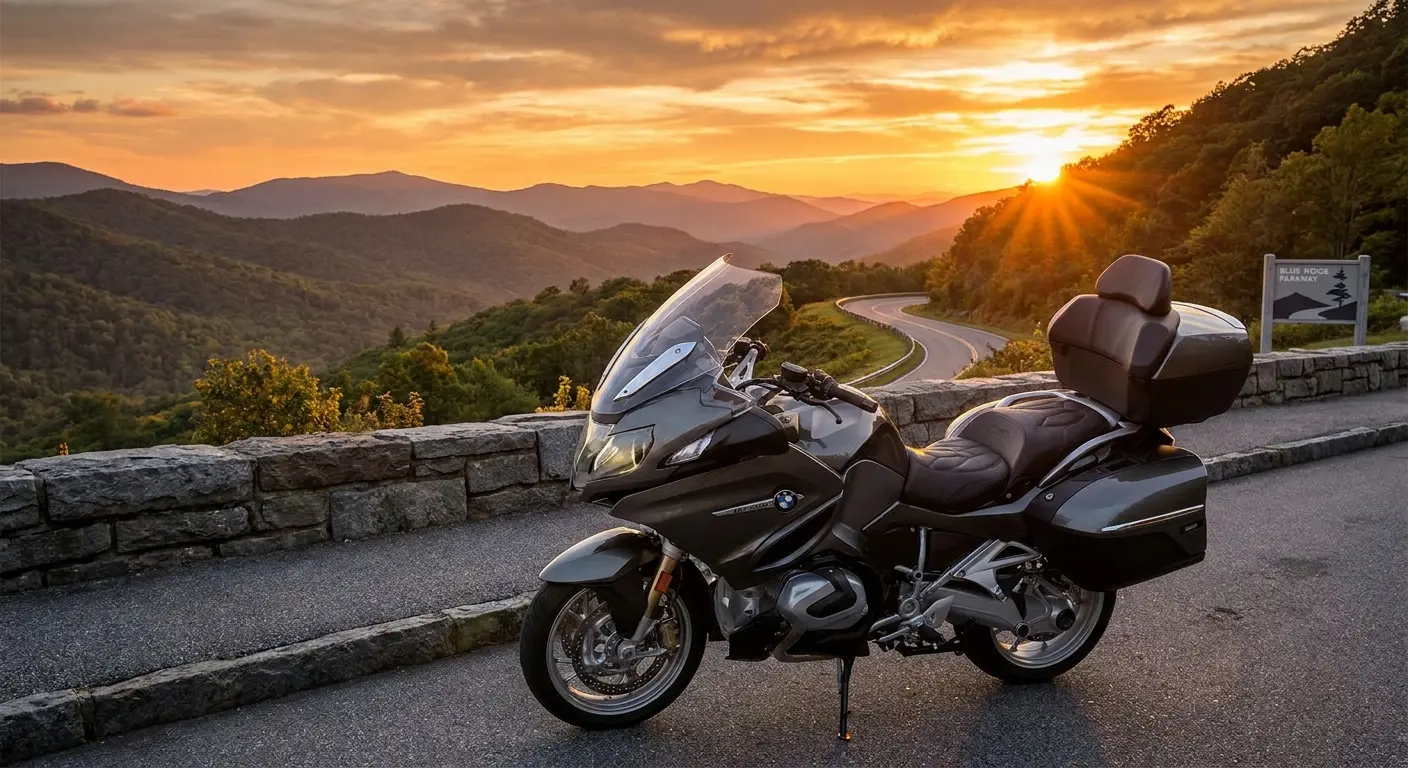
Designed for pavement and moderate off-road capability. Gravel roads, fire roads, and unpaved scenic routes are absolutely in scope. Single-track trails? Not really.
These bikes sit taller than street bikes with 8+ inches of suspension travel and spoke wheels that handle impacts better than cast wheels. Engine sizes vary wildly from 650cc to 1300cc depending on whether you prioritize off-road capability or highway comfort. BMW GS series and KTM Adventure bikes dominate this category.
The upright seating position gives you excellent visibility in traffic and on trails. You're sitting high enough to see over cars, which matters more than you'd think when planning lane changes three cars ahead.
Most ADV bikes include crash bars because dropping a bike on gravel happens, and $800 in plastic damage adds up fast. I've seen too many riders skip the crash protection and regret it after their first parking lot tip-over on uneven ground. Fuel capacity often exceeds 5 gallons because remote roads don't always have gas stations every 50 miles.
Hard luggage systems are standard or easily added, and the designs assume you're carrying camping gear or photography equipment for multi-day trips. For riders exploring backcountry terrain, understanding what makes adventure motorcycle riding unique helps you prepare for the specific challenges these bikes handle best.
Here's the truth though: 90% of adventure bikes never see real dirt. People buy them to feel adventurous and because sitting tall in traffic is nice. That's fine. Buy what makes you happy.
4. Bagger Motorcycles
Evolved from the American cruiser tradition but deserve their own category. Hard-mounted saddlebags (hence "bagger") are integrated into the bike's design instead of looking like afterthoughts bolted on later.
Harley-Davidson Road Glide and Indian Chieftain define this style. The fairing is frame-mounted instead of fork-mounted, so it doesn't turn with the handlebars and provides more stable wind protection. You're not fighting handlebar wobble at highway speeds because the fairing weight stays planted to the frame.
Engines are large-displacement V-twins (1700-1900cc) that produce massive low-end torque. You're not chasing horsepower numbers here. You're after that effortless roll-on power for highway passing. The seating position is relaxed with forward controls, and the bikes sit lower than adventure bikes despite similar overall weight.
Infotainment systems with touchscreens, premium audio, and smartphone integration are standard on modern baggers because riders expect car-level amenities. You get navigation, music streaming, and Bluetooth communication built into the bike instead of cobbling together aftermarket solutions.
These bikes appeal to riders who want long-distance capability wrapped in distinctly American styling. The cultural identity matters as much as the functional capability for many buyers in this segment. You're not just buying a bike, you're picking a side in the eternal Harley vs. everyone else debate.
New baggers run $25,000-$35,000. They hold value better than Japanese bikes because the Harley faithful are loyal.
City Bikes (Commuting & Urban)
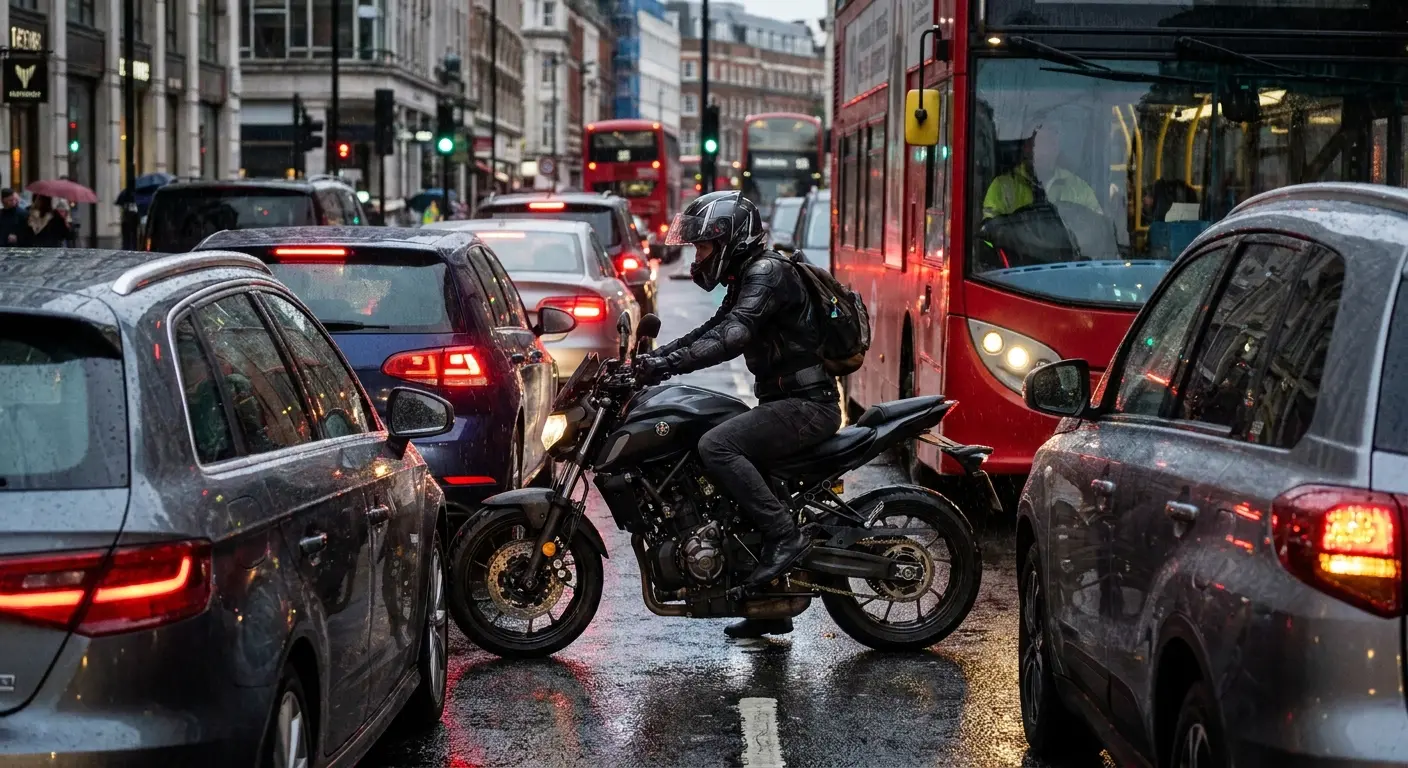
City riding is different. Constant stop-and-go traffic tests your clutch hand and patience. Tight parking spaces mean you're hunting for spots cars can't use. Lane-splitting opportunities (where legal) require narrow profiles and responsive handling.
These bikes prioritize light weight, narrow profiles, fuel efficiency, and maneuverability over wind protection or cargo capacity. Engine sizes trend smaller because you rarely exceed 50 mph in urban environments anyway.
The ability to filter through traffic, park in spaces cars can't use, and make U-turns without a three-point process matters more than top speed. Insurance costs are often lower for these bikes, and maintenance intervals are friendlier to riders who can't wrench on their own machines.
We're focusing on practicality here because city riding is about solving transportation problems, not chasing performance metrics.
5. Standard Motorcycles
The baseline from which most other bikes evolved. You get an upright seating position, mid-mounted foot pegs, and neutral ergonomics that work for riders of various heights.
Honda CB series and Yamaha MT-07. 500-900cc engines with predictable power delivery. These bikes don't excel at any single task, but they're competent at everything: commuting, weekend rides, light touring, and beginner-friendly learning.
The lack of fairings means cheaper insurance and easier maintenance access. Weight stays manageable (under 450 pounds wet) so new riders aren't intimidated in parking lots.
Standard bikes often get overlooked because they're not flashy, but they're workhorses that handle daily riding without drama. Fuel economy is 50+ mpg, which matters when you're commuting year-round. The simplicity means fewer expensive components to break or repair.
You're getting a bike that starts reliably, runs predictably, and doesn't demand constant attention. The ergonomics work for riders from 5'6" to 6'2" without modifications. Aftermarket support is extensive because these platforms have been around for decades and the community knows them inside out.
Price is right too. $7,000-$10,000 new, $3,000-$6,000 used. Insurance is cheap. Maintenance is straightforward. It's the sensible choice, which is why enthusiasts dismiss them and why they're actually perfect for most riders.
6. Naked Bikes
Strip away fairings and bodywork to reduce weight and showcase the engine and frame. This category emerged from sport bikes but prioritizes upright ergonomics over aggressive riding positions.
Triumph Street Triple and KTM Duke series. 650-1000cc+ engines. The exposed engine and minimal bodywork create a raw, mechanical aesthetic that appeals to riders who view motorcycles as visceral machines instead of transportation appliances.
Handling is sharp because reduced bodywork means less weight up high and better mass centralization. You'll feel more connected to the bike without fairings isolating you from wind and engine heat. Summer riding gets warm when you're sitting directly over an exposed engine, but that's part of the experience.
Maintenance costs drop because you're not replacing expensive plastic after a parking lot tip-over. These bikes thrive in urban environments where their light weight (350-450 pounds) and responsive throttles make lane changes effortless.
The bikes attract riders who value handling precision and mechanical simplicity over comfort and weather protection. You're making a conscious trade-off, and that's fine when you understand what you're getting.
Rain sucks on a naked bike. Highway speeds beat you up. But in the city? They're perfect. Quick, light, fun, and cheap to own.
7. Scooters
Step-through frame design with the engine mounted low and a flat floorboard for your feet. 50-650cc+ engines with automatic CVT transmissions that eliminate clutch and gear shifting.
Vespa and Honda PCX. Under-seat storage holds a full-face helmet and groceries, solving the cargo problem that plagues other small bikes. You're not figuring out how to bungee a bag of groceries to the passenger seat.
The small wheels (10-16 inches) reduce stability at highway speeds but make tight turns trivial. Body panels protect you from road spray and engine heat while covering mechanical components. Fuel economy often exceeds 70 mpg on smaller models, which translates to serious savings for daily commuters.
Larger-displacement scooters (400cc+) handle highway speeds comfortably and offer wind protection through integrated fairings. The automatic transmission removes a major learning barrier for new riders, though it also limits engine braking control.
Insurance and registration costs are minimal, especially for sub-150cc models. Many jurisdictions classify smaller scooters differently than motorcycles, which can mean lower fees and simpler licensing requirements.
Don't knock scooters. They're practical as hell. Cheap to buy ($2,000-$5,000 new), cheap to run, easy to ride, and perfect for city errands. The only downside is looking like you're riding a scooter, which matters to some people and shouldn't.
8. Mopeds
The smallest powered two-wheelers with engine displacements under 50cc and top speeds legally limited to 30 mph in most jurisdictions. These aren't technically motorcycles in the licensing sense, but they fill a specific urban niche.
Many regions don't require motorcycle endorsements for bikes in this class, just a standard driver's license. You'll see pedals on some models (hence "moped") though most modern versions are pedal-free.
The limited speed means you're restricted to side streets and bike lanes in many areas. Fuel economy approaches 100 mpg because the small engines sip gas. Parking is absurdly easy since most mopeds weigh under 200 pounds and fit in bicycle racks.
Insurance costs are negligible. These work for hyper-local errands within a 5-mile radius but become frustrating for anything beyond neighborhood trips. You're not taking a moped on the highway or even on most arterial roads where traffic flows at 45+ mph.
They cost $1,000-$2,000 new. If you live in a dense city and never need to go more than a few miles, they make sense. Otherwise, skip them.
9. Café Racers
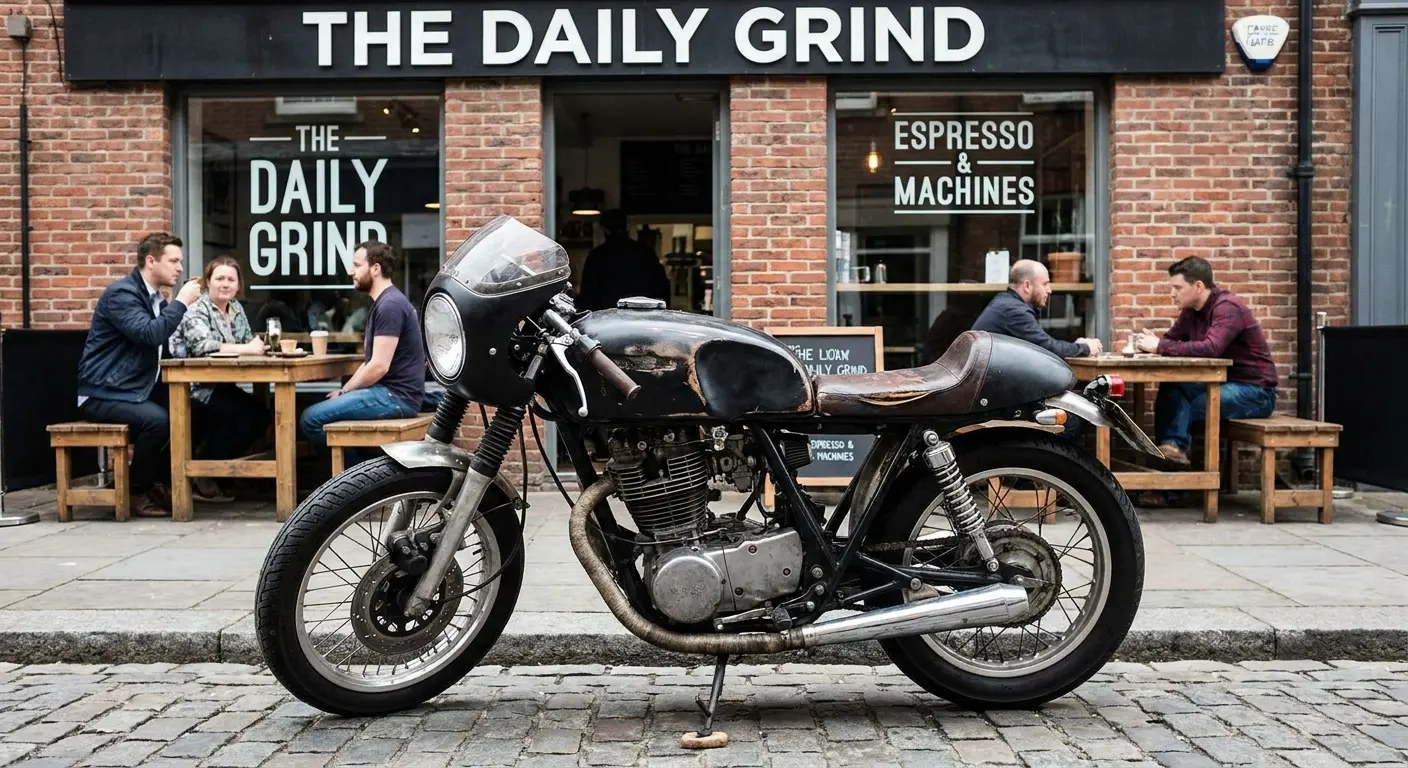
More of a style than a distinct functional category, but they've become popular enough to warrant discussion. The design originated in 1960s Britain with riders modifying standard bikes for speed runs between cafés.
Modern café racers feature low handlebars (clip-ons), rear-set foot pegs, elongated fuel tanks, and solo seats with rear cowls. You're leaning forward in an aggressive position that looks great but gets uncomfortable after 45 minutes.
Triumph Thruxton and Royal Enfield Continental GT are factory café racers. Engine sizes vary wildly because café racers are often custom builds based on standard bikes. The minimalist aesthetic strips away anything non-essential, which means no wind protection and minimal electronics.
These bikes excel at short urban rides where style matters and discomfort doesn't have time to set in. The riding position and firm suspension make them poor choices for long trips despite their retro cool factor.
You're buying into a cultural identity as much as a functional bike. The café racer scene values customization and individual expression, which means most riders modify their bikes extensively after purchase.
Café racers are 60% style, 40% function, 100% uncomfortable after an hour. But damn they look good outside a coffee shop.
Fast Bikes (Performance & Track)
These bikes exist for one purpose: going fast and handling precisely. Comfort, fuel economy, cargo capacity, and practicality are afterthoughts at best.
Every design decision optimizes for speed, lean angles, or lap times. The riding positions are aggressive with your weight forward and your wrists supporting your upper body. Suspension is firm to minimize dive under braking and squat under acceleration.
Tires are sticky and wear out fast. Insurance costs reflect the performance potential and crash statistics. These aren't beginner bikes despite what your confidence tells you.
The power delivery can be abrupt, and the handling requires active input instead of lazy cruising. You'll spend more on tires, brake pads, and premium fuel than riders on other bikes. But if your goal is adrenaline and performance, nothing else comes close.
Performance Feature |
Sport Bikes |
Superbikes |
Supermotos |
Track-Only |
|---|---|---|---|---|
Typical Horsepower |
100-130 hp |
180-220 hp |
60-75 hp |
200+ hp |
Where It Belongs |
Twisty roads & occasional track |
Track days & aggressive street |
Urban hooning & tight corners |
Closed-course racing only |
Street Legal |
Yes |
Yes |
Yes |
No |
How Much You'll Suffer |
Moderate |
Severe |
Minimal |
Your back won't thank you |
Tire Lifespan |
5,000-8,000 miles |
3,000-5,000 miles |
4,000-6,000 miles |
1-3 track days |
10. Sport Bikes
Sport bikes are built for one thing: going fast on twisty roads. Everything else is a compromise you accept.
R6, CBR600RR, GSX-R. 600-1000cc inline-fours that scream to 14,000 rpm. You're crouched over with your wrists supporting your upper body, knees tucked against the tank, ass in the air. Aerodynamic as hell at 120 mph. Torture in stop-and-go traffic.
The power lives at 10,000+ rpm, so you're constantly shifting. The suspension is firm. The brakes are massive because you need to stop from speeds that'll cost you your license. Fuel economy is 35-45 mpg, but you're not buying this for efficiency.
Here's the reality: your wrists will hurt after 20 minutes in traffic. Your back will scream after an hour. You'll get 30 mpg riding it how it wants to be ridden. Insurance if you're under 25? Plan on $2,000-$4,000 a year. Good luck affording it.
But hit a good road (Tail of the Dragon, Angeles Crest, anywhere with corners) and suddenly it all makes sense. The discomfort disappears. The bike comes alive. That's what you're buying.
Don't commute on one unless you hate yourself. Don't tour on one unless you're a masochist. Buy it for weekend canyon runs and track days. That's what it's for.
New sport bikes run $12,000-$16,000. Used with 8,000 miles cost $7,000-$9,000. They depreciate fast because people buy them, realize they're impractical, and sell them.
11. Superbikes
The most extreme production motorcycles with 1000cc+ engines producing 180+ horsepower. Ducati Panigale V4 and BMW S1000RR define this category.
These bikes incorporate technology directly from racing: quickshifters that allow clutchless upshifts, traction control with multiple modes, wheelie control, and cornering ABS. The power is borderline unusable on public roads because you'll hit license-losing speeds in first gear. Electronics manage the chaos, but they can't eliminate the risk.
The riding position is even more aggressive than standard sport bikes with lower bars and higher pegs. Weight is minimized through exotic materials: magnesium wheels, titanium fasteners, and carbon fiber bodywork on premium models.
You're looking at $20,000-$35,000 price tags before you add exhaust systems and suspension upgrades. These bikes exist for riders who've outgrown 600cc sport bikes and want the ultimate performance street bike (or track weapon that's street legal).
Maintenance costs are brutal. Valve adjustments require specialized tools and knowledge. Consumables wear out fast when you're using the performance these bikes offer.
Superbikes are fast enough to kill you in second gear. Respect that. The acceleration is violent. Your vision tunnels. Every survival instinct screams at you to let off. You don't. That's the appeal and the danger.
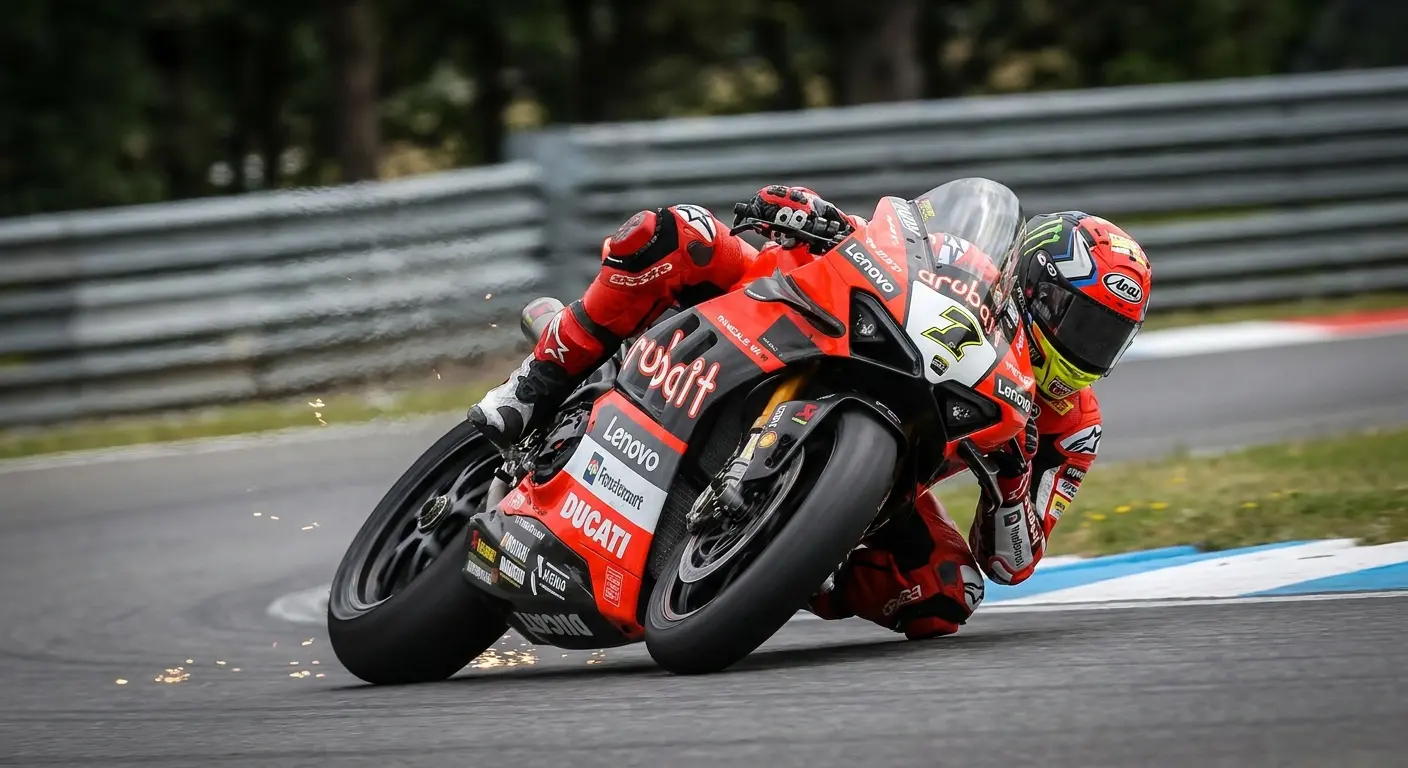
12. Supermotos
Combine dirt bike frames and engines with street-focused wheels and tires. You get a tall, upright riding position with wide handlebars and aggressive ergonomics.
Husqvarna 701 and KTM 690 SMC. 450-700cc single-cylinder or twin-cylinder engines. The suspension travel (10+ inches) is designed for jumping curbs and absorbing potholes that would destroy sport bikes.
Street tires replace knobbies, but the wheel sizes remain small (17-inch rear and 17 or 19-inch front). These bikes are absurdly fun in urban environments because the light weight (under 350 pounds) and torquey engines make every intersection a playground.
You can wheelie effortlessly, brake incredibly late, and lean the bike to extreme angles without scraping hard parts. Highway riding is miserable because there's no wind protection and the single-cylinder engine buzzes at freeway speeds.
Supermotos are hooligan bikes that reward aggressive riding and don't care about practicality. You're buying a toy, not a transportation solution. Embrace that reality and you'll have more fun than on any other bike in this guide.
Every supermoto rider has a story about a cop who wasn't amused. You've been warned.
13. Track-Only Motorcycles
Purpose-built for closed-course racing without the compromises required for street legality. These bikes lack lights, mirrors, turn signals, and license plate mounts. You'll see them trailered to tracks instead of ridden on public roads.
Engine configurations vary based on racing class rules, but most track-only bikes are modified versions of production sport bikes or superbikes with race fairings, aftermarket exhaust systems, and suspension upgrades. Slick tires replace street rubber for maximum grip.
Safety wiring prevents bolts from loosening under racing conditions. The electronics are either stripped down to bare essentials or upgraded with data logging systems that record every parameter for post-session analysis.
These bikes represent the extreme end of performance because they're not constrained by emissions regulations, noise limits, or DOT requirements. Maintenance costs are astronomical because race engines require frequent rebuilds and consumables (tires, brake pads, chains) wear out after a few track days.
You're committing to a hobby that demands significant financial investment and mechanical knowledge. But the performance ceiling is higher than anything street-legal can touch.
Budget $15,000-$50,000 depending on how serious you get. Then budget another $5,000-$10,000 per season for tires, brake pads, entry fees, and inevitable crashes.
Dirt Bikes (Off-Road & Dual-Sport)
Engineered for unpaved surfaces where traction is unpredictable and obstacles appear without warning. Long-travel suspension absorbs impacts from rocks, roots, and ruts that would bottom out street bikes.
Ground clearance is measured in double digits so you can clear logs and rocks without smashing the undercarriage. Knobby tires with aggressive tread patterns dig into loose dirt and mud. The bikes sit tall with narrow profiles that make them easy to maneuver when standing on the pegs.
Weight distribution favors the front wheel for climbing steep hills. Engines produce broad, tractable power instead of peaky high-rpm horsepower because you need control when traction is marginal.
These bikes are uncomfortable on pavement (knobbies are loud and vague on asphalt), but they unlock riding opportunities that street bikes can't touch. Trail riding, desert exploration, and backcountry access require capabilities that no amount of skill can extract from a sport bike or cruiser.
Off-road riders need mounts that can handle extreme terrain, which is why choosing the right motorcycle phone mount becomes critical for navigation when you're miles from cell service and relying on downloaded maps.
14. Dirt Bikes
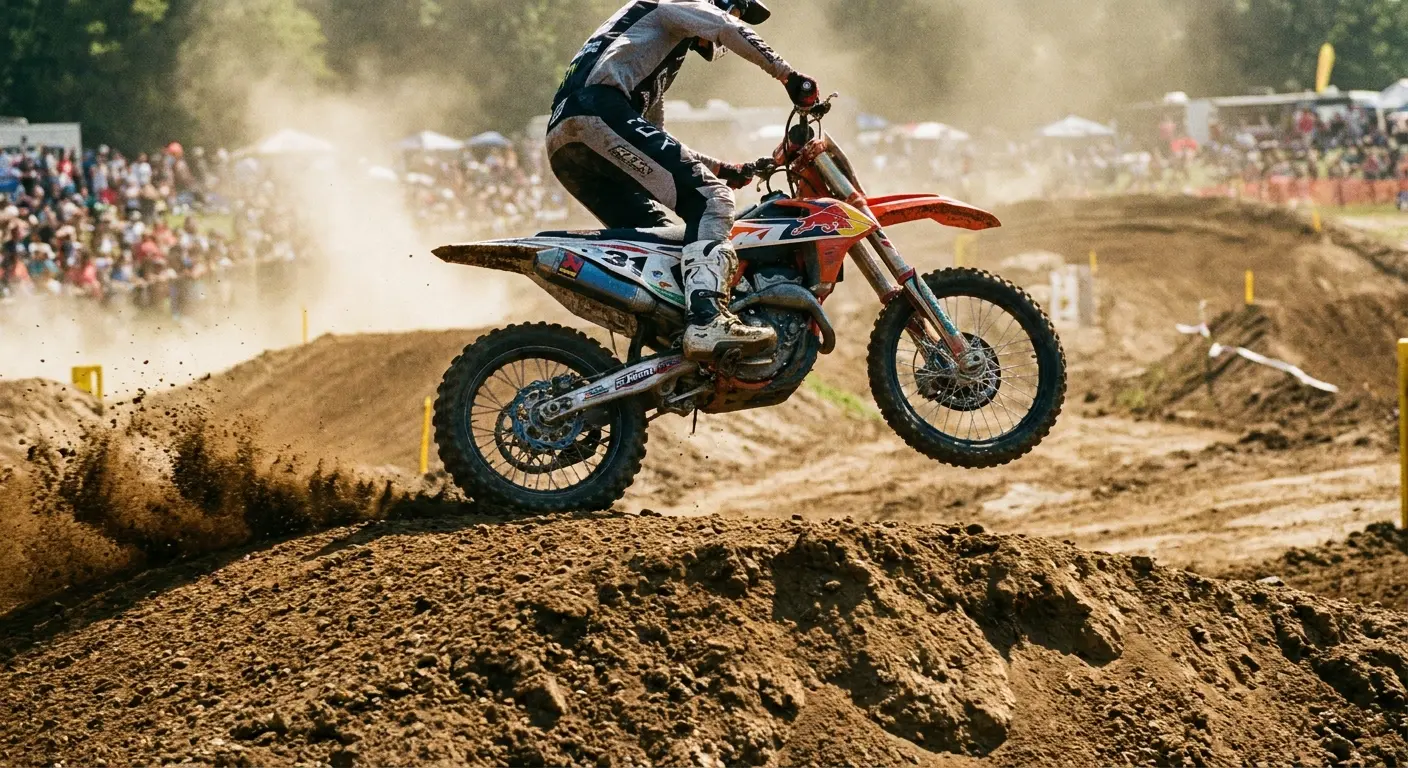
Purpose-built for off-road riding with no street-legal equipment. Lightweight frames (under 250 pounds), long-travel suspension (11-13 inches front and rear), and high-mounted exhaust pipes to prevent damage when crossing obstacles.
Honda CRF450R and Yamaha YZ250F. 85cc two-strokes for kids to 450cc four-strokes for adults. The seat height is tall (often 37+ inches) because ground clearance matters more than accessibility.
Fuel tanks are small (1.5-2.5 gallons) because weight is the enemy and you're rarely far from your truck or base camp. The suspension is set up soft by street standards but firm enough to handle jumps and whoops without bottoming.
Knobbies provide grip in dirt, sand, and mud but wear out fast on pavement. These bikes lack lights, turn signals, and mirrors because they're designed for trails, motocross tracks, and off-road parks.
Maintenance intervals are frequent (oil changes every 5-10 hours) because dirt bike engines run hard and dirt infiltrates everything. You're rebuilding top ends regularly if you ride aggressively.
New dirt bikes cost $7,000-$11,000. Used ones are cheap ($2,000-$5,000) but check them carefully because people beat the hell out of dirt bikes.
15. Dual-Sport Motorcycles
Street-legal dirt bikes with the addition of lights, mirrors, turn signals, and DOT-approved tires. You can ride these bikes to the trailhead, spend the day off-road, and ride home legally.
Suzuki DR-Z400 and Kawasaki KLR650. 250-690cc single-cylinder engines dominating because they're lighter and simpler than multi-cylinder designs.
The compromise is real: dual-sports aren't as capable off-road as pure dirt bikes because they're heavier (300-350 pounds) and aren't as comfortable on pavement as standard bikes because the suspension is soft and the knobbies are loud.
Seat heights remain tall (often 35+ inches) which intimidates shorter riders. Fuel economy is excellent (50-70 mpg) because the engines are small and efficient.
These bikes appeal to riders who want one bike that handles commuting during the week and trail riding on weekends. The versatility means you're always making compromises, but you're also not maintaining two separate bikes.
I know a guy who rode a KLR650 from Alaska to Argentina. The bike's still running. They're bulletproof if you maintain them.
Price is right: $5,000-$8,000 new, $2,500-$5,000 used. Insurance is cheap. They hold value decently.
16. Enduro Bikes
Designed for long-distance off-road racing and extreme trail riding. These bikes sit between dirt bikes and dual-sport bikes in terms of capability and street legality.
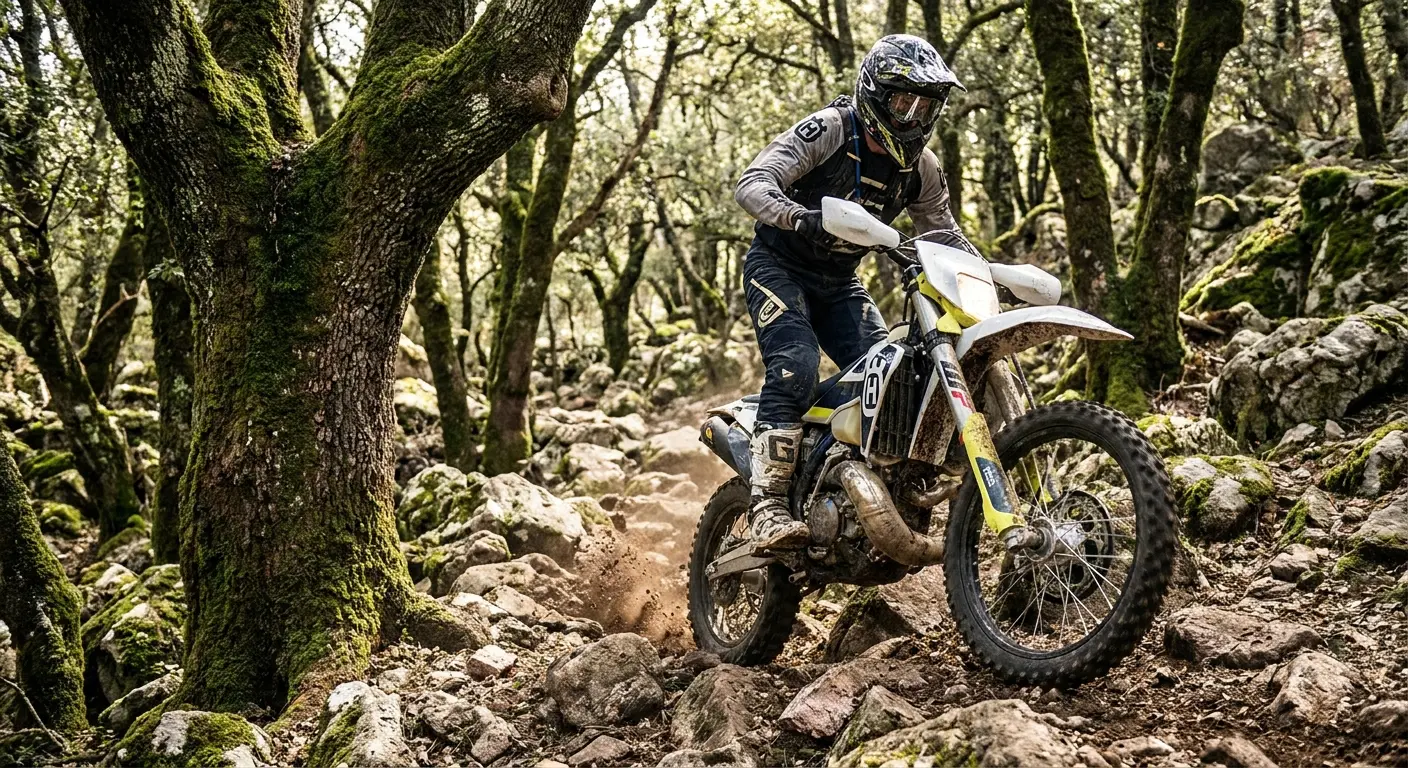
Most enduro bikes are street -legal in some markets but prioritize off-road performance over highway comfort. KTM EXC series and Beta RR models. 250-500cc four-stroke singles or two-stroke engines.
The suspension travel matches or exceeds dirt bikes (12+ inches) but the bikes include larger fuel tanks (2-3 gallons) for extended range. You'll find headlights, taillights, and turn signals, but the focus is clearly off-road capability.
Enduro bikes are lighter than dual-sport bikes (240-280 pounds wet) which makes them more flickable on technical trails. The trade-off is less stability at highway speeds and more frequent maintenance intervals.
These bikes excel at single-track trails, rocky terrain, and technical riding that would destroy heavier dual-sport bikes. Street riding is possible but uncomfortable because the suspension is too soft for pavement and the seat is a narrow torture device.
Price range is $9,000-$12,000 new. Maintenance is frequent and not cheap. You're changing oil every 10-15 hours and rebuilding top ends every 100 hours if you ride hard.
17. Trials Motorcycles
The most specialized off-road bikes, designed exclusively for navigating obstacles at slow speeds without putting your feet down. Extremely lightweight construction (often under 150 pounds), minimal seats (you're standing 99% of the time), and explosive low-end power delivery.
Gas Gas TXT and Beta Evo. 125-300cc engines because trials riding is about precision and balance, not speed.
The suspension travel is moderate compared to dirt bikes (around 7-8 inches) because trials courses don't include jumps or high-speed sections. Fuel tanks hold less than a gallon because competitions are short and weight matters more than range.
You won't find trials bikes on trails or motocross tracks because they're purpose-built for a specific discipline: hopping over logs, climbing rock faces, and balancing on obstacles that seem impossible. These bikes have virtually no street application and limited appeal outside the trials community, but they showcase pure riding skill better than any other bike.
Unless you're already into trials, skip this category. They're incredibly specialized and not practical for anything else.
Keep Your Phone Secure While You Focus on Riding
Real talk: different bikes create different challenges for mounting your phone. Sport bikes vibrate at high RPMs and generate serious wind blast. Dual-sport bikes slam through rough terrain that shakes everything loose.
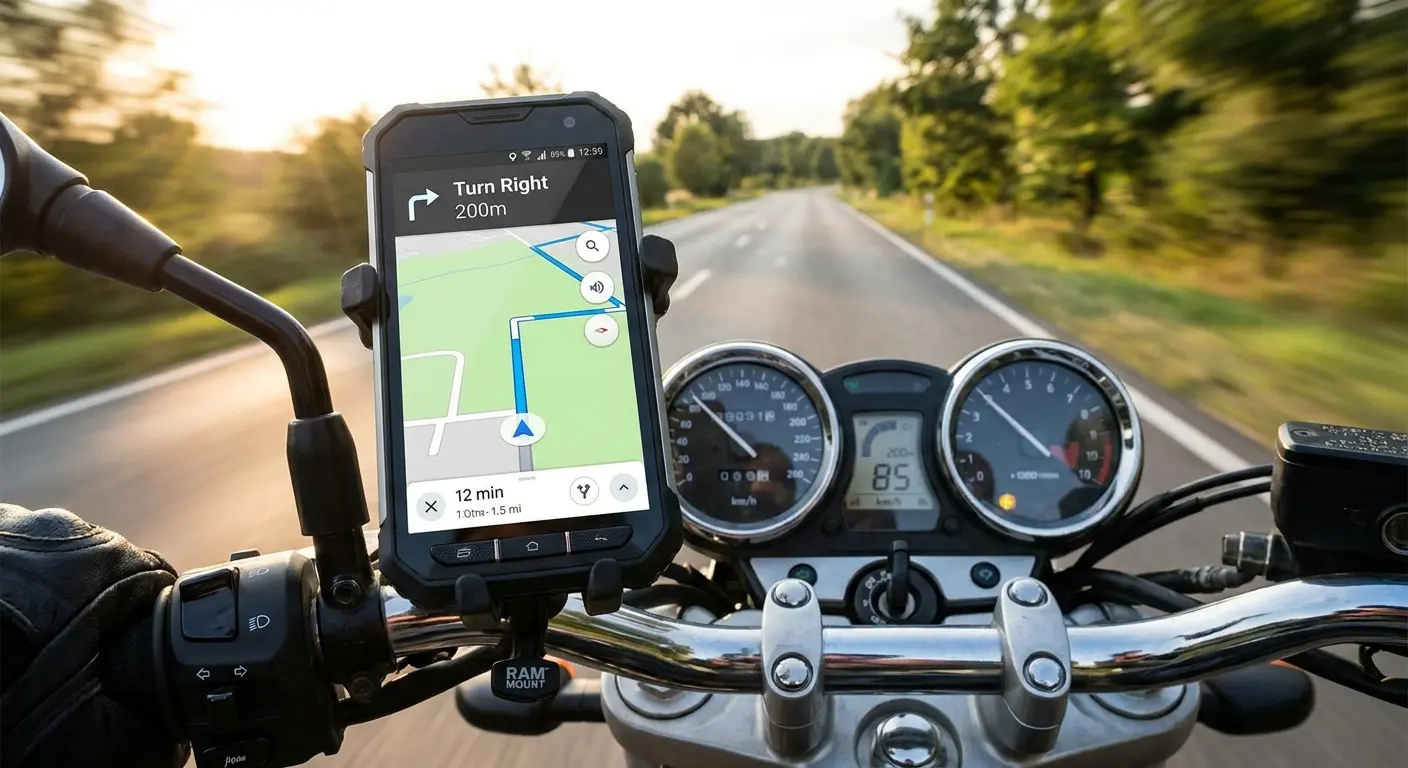
Touring bikes need your phone accessible for navigation on 8-hour days without stopping every hour to adjust the mount. We've tested our motorcycle phone mounts across these categories because a mount that works on a cruiser might fail catastrophically on a supermoto.
Our Rokform Motorcycle Perch Mount uses our RokLock system that actually secures your phone instead of relying on friction grips that loosen over time. You can glance at GPS directions without taking your hands off the bars, and the mount doesn't block your instrument cluster on bikes where space is tight.
The magnetic connection is strong enough to handle vibrations from single-cylinder thumpers and the constant buzz of inline-fours at 8,000 rpm. Whether you're running a standard bike for commuting or an adventure bike for backcountry exploration, having your phone secure and accessible matters.
Our Motorcycle Handlebar Mount works with different bar diameters and positions the phone where you need it without requiring permanent modifications to your bike. You're not drilling into fairings or running wires through the frame.
For riders comparing mounting solutions, our detailed breakdown of Rokform vs Quad Lock shows the key differences in mounting systems and durability across various bikes.
Final Thoughts
Buy the bike that fits your actual riding, not your fantasy riding. You think you'll tour every weekend? You won't. You think you'll hit track days monthly? You won't. You'll commute Tuesday through Thursday and maybe ride Saturday if weather's good and you don't have errands.
The wrong bike sits in your garage while you make excuses. Too uncomfortable for the commute. Too impractical for groceries. Too expensive to maintain. Too intimidating in traffic. Pick wrong and you'll stop riding.
Some people need two bikes: a track weapon and a commuter. Most people need one versatile bike that's good enough at everything. Adventure bike or naked bike handles 80% of riding without being perfect at anything. That's fine. Perfect is the enemy of actually riding.
Your needs change. The sport bike that's perfect at 25 feels punishing at 40. The cruiser that bored you as a beginner appeals after years of chasing performance. Don't stress about finding the perfect bike forever. Find the right bike for now and actually ride it.
Figure out what you'll actually do 90% of the time. Commute? City bike. Long highway trips? Tourer. Weekend canyon carving? Sport bike. Mix of everything? Adventure bike or naked bike. Then buy that and stop overthinking it.
Whether you're exploring the best options for your first purchase or comparing best first motorcycle recommendations, understanding these categories guides smarter decisions. Riders interested in the latest innovations should explore upcoming new phones coming out to ensure their mounting systems remain compatible with evolving technology.
For comprehensive protection across all riding scenarios, check out our guide to the best motorcycle accessories that complement every type of riding you'll encounter.

